
Main Courses
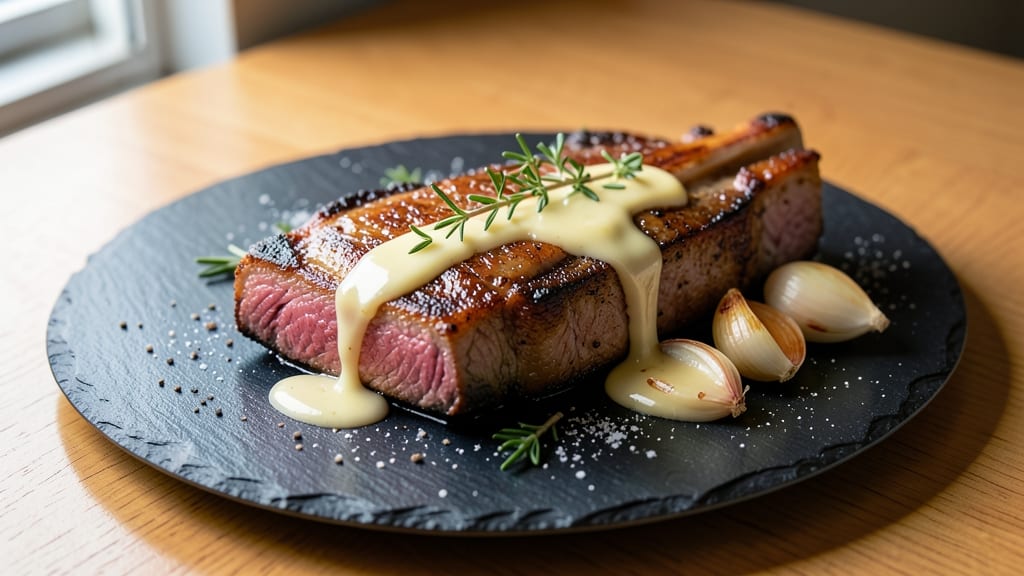
The bone-in pork shoulder blade steak recipe delivers restaurant-quality results with its signature crispy crust and juicy pink centers—a technique that transforms tougher cuts into melt-in-your-mouth perfection. This method focuses on high-heat searing paired with precise internal temperatures to preserve moisture while creating that coveted caramelized exterior.
The bone adds depth of flavor, making every bite richer than standard steaks.
What sets this recipe apart is the two-step cooking process: first, a quick sear in a screaming-hot pan to lock in juices, then a finish in the oven to ensure even doneness without drying out.
Seasoning with coarse salt and black pepper creates the ideal crust, while a touch of garlic butter during the final minutes adds aromatic richness. This approach ensures foolproof results every time, even for home cooks.
The outcome is a steak with crispy edges that shatter under pressure and tender, pink centers that practically melt in your mouth. The bone infuses the meat with extra flavor, making it ideal for those who love a robust, savory profile.
Serve with a simple side of roasted vegetables or a bold red wine reduction to complement the dish.
Perfect for weeknight dinners or special occasions, this recipe requires minimal prep but delivers professional-grade results. The key lies in patience and precision—letting the steak rest before slicing ensures each bite stays juicy and flavorful. Ready to elevate your steak game?
Ingredients for bone in pork shoulder blade steak
This recipe transforms bone-in pork shoulder blade into a restaurant-worthy steak with crispy edges and juicy pink centers.
| Ingredient | Amount | Notes |
|---|---|---|
| Bone-In Pork Shoulder Blade Steak 🍖 | 1 ½ lb | Center-cut, 1.5-inch thick |
| Kosher Salt 🧂 | 1 ½ tbsp | Coarse Diamond Crystal preferred |
| Freshly Ground Black Pepper 🌶️ | 1 ½ tsp | Cracked peppercorns preferred |
| Unsalted Butter 🧈 | 4 tbsp | Cold, cut into 8 pieces |
| Garlic Cloves 🧄 | 4 cloves | Smashed, peeled |
| Fresh Thyme Leaves 🌿 | ¼ cup | Chopped, stems removed |
| Extra-Virgin Olive Oil 🫒 | 2 tbsp | High smoke point preferred |
| Heavy Cream 🥛 | ¼ cup | For basting (optional) |
| Red Wine 🍷 | ½ cup | Dry Cabernet Sauvignon |
| Beef Bone Broth 💧 | ½ cup | Low-sodium preferred |
| Fresh Rosemary 🌿 | 2 sprigs | For garnish |
The bone-in pork shoulder blade is non-negotiable for this dish—its natural fat and connective tissue create unmatched flavor and moisture. Look for a center-cut piece with visible marbling at your local butcher shop or specialty meat department. Whole Foods or D'Artagnan carry premium cuts, but even standard grocery stores stock quality options. Aim for 1.5-inch thickness to ensure proper searing without overcooking. If your piece has a thick bone, ask the butcher to trim it slightly for even cooking. The bone itself becomes a flavor conduit, so don't skip it—it's what makes this steak truly exceptional.
No coarse kosher salt? Diamond Crystal is ideal, but any coarse salt works—just measure carefully. Freshly cracked peppercorns elevate the flavor dramatically over pre-ground. For the garlic butter, European-style unsalted butter (like Plugrá) has higher fat content, creating a richer crust. Substituting dried thyme? Use one-third the amount of fresh. The red wine can be swapped for beef bone broth if avoiding alcohol, though the acidity helps tenderize. For extra richness, add 1 tbsp of brandy to the pan during searing. Every ingredient here serves a purpose—from the butter's fat to create the crust to the wine's acidity to balance the richness.
This steak is best cooked the day you plan to serve it, but you can prep components ahead. The pork can rest in the fridge up to 24 hours before cooking—bring it to room temperature for 2 hours prior. Store any leftover butter mixture in an airtight container for up to 3 days in the fridge. The cooked steak reheats beautifully—gentle warm in a skillet with a splash of broth for 2-3 minutes per side. For maximum flavor, serve immediately after resting, but leftovers keep 3-4 days in the fridge or 3 months frozen. Slice against the grain for tender, clean cuts that showcase both the crispy crust and juicy interior.
Why You'll Love This Recipe
- Five-Ingredient Magic: I swear, that’s it—just salt, pepper, butter, garlic, and the steak itself. No fancy sauces or last-minute shopping runs. The bone adds depth without extra work, and the butter-garlic sear? Pure flavor with minimal effort.
- Crispy-Creamy Contrast: The outside gets golden and crackling while the inside stays juicy—thanks to that butter basting. Honestly, the way the garlic melts into the crust? It’s the kind of bite that makes you close your eyes and savor it.
- Weeknight to Weekend: Throw it on the grill for a summer BBQ or pan-sear it for a quick weeknight dinner. The same simple method works for both, and the leftovers? Perfect for sandwiches or fried rice the next day.
- Budget-Friendly Protein: Pork shoulder blade steaks are often cheaper than other cuts, and this recipe stretches every bite. Between us, I’ve fed four people for under $15 with this—no complaints from anyone at the table.
Step-by-step instructions for bone-in pork shoulder blade steak
Master this technique for a restaurant-quality crust with tender pink centers every time.
Prepare and Season the Steak
Remove the bone-in pork shoulder blade steak from the refrigerator and let it sit at room temperature for 30 minutes. This ensures even cooking throughout. Pat the steak dry completely with paper towels—moisture prevents proper searing and crust formation.
In a small bowl, combine the 1.5 tablespoons kosher salt and 1.5 teaspoons freshly ground black pepper. Generously coat all sides of the steak with this seasoning, pressing it into the meat so it adheres well. The salt will draw out moisture initially, but don't worry—it will reabsorb during cooking, creating a flavorful crust.
Sear the Steak to Develop Crust
Heat a heavy skillet (cast iron works best) over medium-high heat until very hot. Add 2 tablespoons extra-virgin olive oil and let it shimmer for 1 minute. Place the steak in the pan, bone-side down first, and sear for 4-5 minutes until a deep golden-brown crust forms. Press down gently on the steak during the first minute to prevent curling.
Flip the steak and add 4 tablespoons cold unsalted butter and the 4 smashed garlic cloves. Baste the steak with the melted butter for 2 minutes per side, spooning the butter over the meat continuously. The butter should foam and turn golden—this indicates proper heat and flavor development. The internal temperature should reach 130°F at this point.
Deglaze and Build the Sauce
Remove the steak from the pan and set it on a warm plate. Pour in the 0.5 cup dry red wine and scrape up all the browned bits from the bottom of the pan using a wooden spoon. This deglazing captures all the flavorful fond. Let the wine reduce by half over 3-4 minutes on medium heat.
Add the 0.5 cup beef bone broth and 0.25 cup heavy cream, then stir in the 0.25 cup chopped fresh thyme leaves. Simmer for 2-3 minutes until the sauce thickens slightly but remains silky. The sauce should coat the back of a spoon—this indicates proper consistency. If it's too thick, whisk in 1 tablespoon hot water to loosen it.
Rest and Garnish
Return the steak to the pan and spoon the sauce evenly over the top. Let it rest for 5-7 minutes to allow the juices to redistribute throughout the meat. This resting period is crucial—it prevents the juices from running out when you cut into the steak, ensuring each bite remains moist and flavorful.
To serve, garnish with the 2 sprigs fresh rosemary, removing any woody stems. The steak should have a deep golden-brown crust on the outside and a pink center that yields slightly to pressure. Serve with the reduced wine sauce spooned over the top for maximum flavor impact.
Pro Tips For Making Bone In Pork Shoulder Blade Steak
- SEAR THE BONE FIRST: I learned this the hard way—if you skip browning the bone, you’ll end up with a dish that tastes more like a sad, pale pork cut than a rich, caramelized masterpiece. Hit the bone with the same high heat you’d use for the meat, letting it get deep brown spots before flipping.
- SALT THE MEAT 24 HOURS EARLY: This isn’t the prettiest method, but it’s the tastiest. The pork shoulder blade steak needs time for the salt to penetrate deep into the thick cuts and the bone marrow—skip this, and you’ll end up with a dry, salty exterior and a bland interior.
- USE COLD BUTTER FOR FINISHING: I was skeptical until I tried it: take that unsalted butter off the heat just before it foams, then let it cool for 30 seconds before basting. Cold butter clings to the meat better, melts slowly, and coats every nook—including the bone—without turning into a greasy mess.
- LET IT REST UNDER FOIL: Does it look weird? Yes. Does it work? Every single time. After pulling the steak from the pan, tent it loosely with foil for 5 minutes. This keeps the bone from stealing all the juices while the meat reabsorbs them—no more dry, stringy pork when you cut into it.
Common mistakes when making your bone in pork shoulder blade steak
Over-Searing the Crust
One of the biggest mistakes is letting the steak burn before developing that perfect crust. Bone-in pork shoulder blade has a higher fat content, so it needs careful attention. I’ve seen many cooks crank the heat too high, resulting in a bitter, overcooked exterior.
Instead, aim for medium-high heat and monitor closely—your pan should be hot enough to sizzle but not smoke uncontrollably. A cast iron skillet is ideal for even heat distribution. 🔥
Skipping the Resting Time
Rushing to slice into the steak immediately after cooking is a classic error that leads to dry, juiceless bites. The resting period—5-7 minutes—allows the juices to redistribute throughout the meat. I’ve learned this the hard way: cutting too soon means all those precious flavors and moisture escape.
Use this time to garnish and prepare sides so you’re ready to serve when the steak is perfect.
Uneven Seasoning
Many home cooks focus only on the top and sides, forgetting the bone side of the steak. The bone adds incredible flavor, but if you miss seasoning it, you’ll lose out on depth. Generously coat all sides, including the bone, with the salt and pepper mixture.
Press the seasoning in gently so it adheres—this ensures every bite, even near the bone, is packed with flavor. 🧂
Using the Wrong Cut Thickness
Thin cuts—under 1 inch—will overcook before the center reaches the desired pink stage, while thick cuts—over 2 inches—may never fully cook through. The ideal thickness for this recipe is 1.5 inches, which balances searing and doneness.
If your steak is thicker, ask your butcher to trim it slightly or adjust your cooking time accordingly. Precision here makes all the difference.
Ignoring the Bone
The bone isn’t just for show—it infuses the meat with rich, savory flavors as it cooks. Placing the steak bone-side down first helps render fat and create a deeper crust. If you skip this step or remove the bone prematurely, you’ll miss out on that extra layer of flavor.
Let the bone stay in place until the very end, then garnish with fresh rosemary for a polished touch. 🍖
Not Monitoring Internal Temp
Guessing at doneness leads to disappointment—either undercooked centers or overdone edges. Use a meat thermometer to check the internal temperature. The steak should reach 130°F after searing and 145°F (for medium-rare) by the end.
The bone’s presence can make temperature readings tricky, so insert the probe into the thickest part of the meat, away from the bone. This ensures perfect results every time. 🌡️
Nutrition facts
Frequently asked questions
Why does this recipe use bone-in pork shoulder blade instead of boneless?
The bone adds incredible depth of flavor and helps render fat during cooking, creating a richer, more complex taste. It also provides structural support that keeps the steak intact during high-heat searing. The bone-side crust becomes especially flavorful when seared properly, making it worth the extra effort.
Can I cook this steak in the oven instead of pan-searing?
While traditional, you can adapt this to oven cooking by first searing the steak for 2-3 minutes per side, then finishing at 400°F for 10-12 minutes until internal temp reaches 145°F. Use a wire rack over a baking sheet to allow air circulation. The pan-sear creates the signature crust, but oven finishing works well for larger cuts or busy weeknights.
What's the best way to slice this steak against the grain?
Look for the muscle fibers running diagonally across the steak—these are your guides. Slice at a 45-degree angle to the fibers for maximum tenderness. Use a sharp knife and cut through the bone first if needed, then continue slicing the meat. This technique shortens the muscle fibers, making each bite melt-in-your-mouth perfect.
How do I know when the steak is done if I don't have a meat thermometer?
Press the steak gently with your finger—it should feel firm but still have slight give in the center for medium-rare. The crust should be deep golden-brown, and the internal color should be pink with no grayish hues. For extra confidence, cut into the thickest part—juices should run clear, not bloody. Remember, bone-in cuts take slightly longer to cook through.
Can I make this recipe ahead of time?
Yes! Cook the steak completely, then let it cool before refrigerating in an airtight container. Reheat gently in a skillet with a splash of broth for 2-3 minutes per side until warmed through. The flavors actually improve overnight as the meat rests. For best results, serve within 3-4 days or freeze for up to 3 months.