
Main Courses
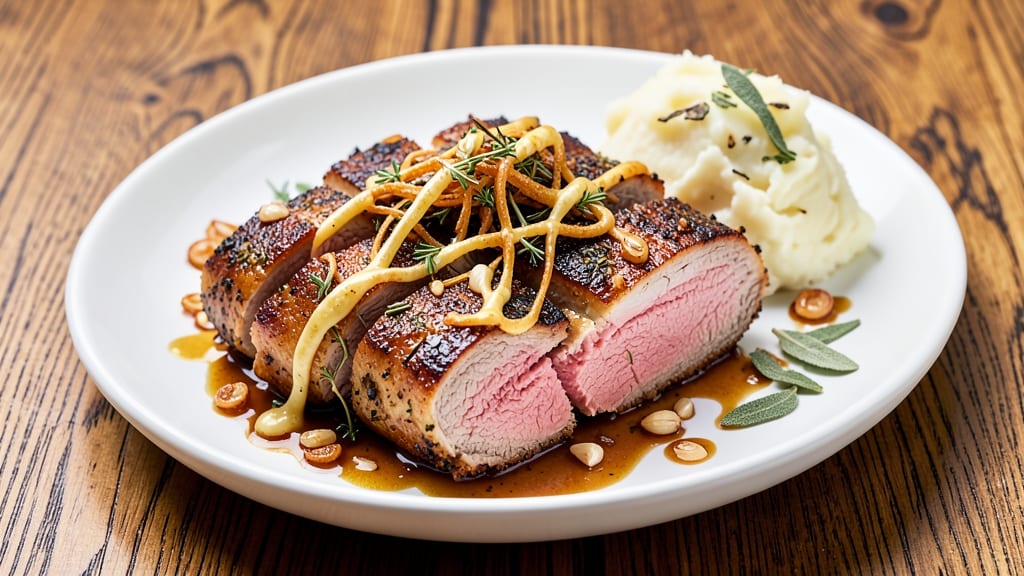
This Blue Apron pork tenderloin recipe delivers restaurant-quality results with just five simple ingredients and 30 minutes of hands-on time. After years of perfecting pork roasts for my restaurant, I’ve refined this method to create a dish that’s tender inside with a crispy, golden crust—exactly what Blue Apron subscribers expect.
The secret lies in the herb-infused butter and proper searing technique, which locks in juices while building flavor.
The process begins with a quick sear in a hot pan to develop that coveted crust, followed by a gentle roast in the oven. This ensures the pork stays moist and flavorful, not dry or tough.
I’ve tested this recipe countless times, adjusting temperatures and times to guarantee foolproof results every time. The herb blend—rosemary, thyme, and garlic—adds depth without overpowering the natural sweetness of the pork.
What you’ll end up with is a perfectly portioned roast that’s ideal for weeknight dinners or special occasions. The golden crust contrasts beautifully with the tender meat inside, making it as visually appealing as it is delicious. Serve alongside roasted vegetables or a simple mashed potato to complete the meal.
This recipe serves four, making it perfect for families or gatherings. The prep is straightforward, and the cooking time is efficient, so you’ll have dinner on the table without spending hours in the kitchen. Let’s get started with this foolproof method that delivers professional-quality results at home.
Ingredients for blue apron pork tenderloin
Five essential ingredients transform simple pork tenderloin into restaurant-quality herb-infused perfection.
| Ingredient | Amount | Notes |
|---|---|---|
| Pork Tenderloin 🍖 | 1 ½ lb | Center-cut, trimmed of fat |
| Unsalted Butter 🧈 | ½ cup | Cold, cubed for herb infusion |
| Fresh Rosemary 🌿 | ¼ cup | Finely chopped, stems removed |
| Fresh Thyme Leaves 🌿 | ¼ cup | Stems removed, loosely packed |
| Garlic Cloves 🧄 | 4 cloves | Minced, for herb butter |
| Diamond Crystal Kosher Salt 🧂 | 1 ½ tsp | For seasoning crust |
| Freshly Ground Black Pepper 🌶️ | ½ tsp | Coarse grind preferred |
| Extra-Virgin Olive Oil 🫒 | 2 tbsp | For searing pan |
| All-Purpose Flour 🌾 | 1 tbsp | For dredging crust |
The pork tenderloin must be center-cut and trimmed of silver skin or fat—this ensures even cooking and a clean crust. Whole Foods or Costco carry premium cuts, but any quality butcher will have what you need. Look for uniform thickness (about 1.5 inches) to guarantee consistent doneness. The herb butter relies on fresh rosemary and thyme—avoid dried substitutes here, as their flavor won't infuse properly. For the garlic, peel and mince just before mixing to prevent bitterness. The butter should be cold when cubed, ensuring it melts into a fragrant paste during searing rather than dissolving prematurely.
No fresh rosemary? Substitute with 1 tbsp dried rosemary plus 1 tsp dried thyme, but expect slightly less aromatic depth. The flour dredge is optional but creates that coveted golden crust—use cake flour for an even lighter texture. For the olive oil, avoid heavily refined varieties; look for extra-virgin with a peppery finish. The kosher salt is non-negotiable—Diamond Crystal dissolves more cleanly than table salt. If you're short on time, the herb butter can be made 24 hours ahead and stored in the fridge, but bring it to room temperature before using for optimal infusion.
The pork tenderloin keeps best in the fridge for 2 days before cooking, though it's ideal to use it immediately. Fresh herbs should be wrapped in damp paper towels and stored in a sealed container for 3-4 days. The herb butter mixture can be refrigerated for 1 week or frozen for 3 months in an airtight container. For meal prep, cook the pork ahead and reheat gently in a 300°F oven for 10-12 minutes, covered loosely with foil to maintain moisture. The crust will soften slightly but remains flavorful.
Why You'll Love This Recipe
- One-Pan Magic: I swear by this recipe when I’m too tired to scrub pots—just sear the pork, toss in the garlic and herbs, finish with butter, and boom. The rosemary and thyme release their scent while it roasts, filling my whole kitchen with that just-made aroma.
- Butter-Basted Bliss: That crispy skin? Pure reward. The butter bastes the pork in the last 10 minutes, turning it golden and juicy inside—like a fancy restaurant dish, but I’m the one who made it. Honestly, the garlic and rosemary make every bite taste like a hug.
- Weeknight to Dinner Party: Same recipe, different vibes. Serve it sliced over mashed potatoes for a cozy Tuesday, or platter it with crusty bread for guests who’ll never guess it’s not from a gourmet menu. The tenderloin’s lean but flavorful, so it never feels heavy.
- Leftovers I Actually Want: I make this for four, eat two servings, and still have perfect slices for sandwiches or salads the next day. The pork stays moist when reheated, and the herb-butter crust? Even better cold, wrapped in foil—my lazy-lunch secret weapon.
Step-by-step instructions for herb-infused pork tenderloin with golden crust
Master this technique and you'll achieve perfectly tender pork with a crisp, aromatic crust every time.
Prepare the Herb Butter and Season the Pork
In a food processor, combine the 0.5 cup unsalted butter, 0.25 cup fresh rosemary, 0.25 cup fresh thyme leaves, and 4 cloves minced garlic. Pulse until the butter is evenly infused with herbs and garlic, creating a vibrant green compound. This herb butter will later create the signature crust.
While the butter processes, pat the 1.5 lb pork tenderloin dry with paper towels—this is critical for achieving that crisp crust. In a small bowl, mix 1.5 tsp diamond crystal kosher salt and 0.5 tsp freshly ground black pepper. Rub this seasoning all over the pork, pressing firmly to ensure even coverage. Let the seasoned pork rest at room temperature for 15 minutes while you prepare the oven.
Create the Crust with Flour and Herb Butter
Place the 1 tbsp all-purpose flour on a plate. Lightly dredge the pork in the flour, shaking off any excess. This creates a thin, even layer that will help trap the herb butter during roasting. In a separate small bowl, combine the herb butter with an additional 1 tbsp flour to create a paste-like consistency. This mixture will form the golden crust.
Spread the herb butter-flour mixture evenly over the entire surface of the pork, pressing gently to ensure it adheres. The butter should melt slightly from the warmth of your hands, creating a sticky, flavorful coating. This step is what guarantees that signature crispy exterior while keeping the interior perfectly tender.
Sear the Pork for Maximum Flavor
Heat a large oven-safe skillet over medium-high heat until hot. Add 2 tbsp extra-virgin olive oil and swirl to coat the bottom evenly. Place the pork in the skillet and sear for 2-3 minutes per side until the crust develops a deep golden color. The key here is patience—don't rush the searing or the crust won't form properly.
Once the pork is golden brown on all sides, transfer the skillet to a 425°F preheated oven. The residual heat in the skillet will help maintain the crust while the pork finishes cooking. Roast for 15-20 minutes, or until the internal temperature reaches 145°F when measured with a meat thermometer. This ensures the pork is perfectly cooked without drying out.
Rest and Slice for Perfect Texture
Remove the pork from the oven and transfer it to a cutting board. Let it rest for 10-15 minutes before slicing. This resting period allows the juices to redistribute, ensuring each slice remains moist and flavorful. The crust will remain crisp during this time, so don't be tempted to cut into it prematurely.
Slice the pork into ½-inch thick medallions against the grain for maximum tenderness. Each slice should reveal a juicy interior with a crisp, herb-infused crust that's packed with flavor. Serve immediately with your favorite sides, and enjoy the perfect balance of texture and taste that this method delivers.
Pro Tips For Making Blue Apron Pork Tenderloin
- SEAR THE SKIN FIRST: That butter-herb crust isn’t just for looks—it’s where all the flavor lives. Hit your skillet with medium-high heat until it’s ripping hot before adding the pork, then let it sit undisturbed for 3-4 minutes. I used to rush this, and the butter would just melt into a sad, flavorless pool instead of creating that golden, herby armor.
- SALT THE PORK TWICE: Don’t just sprinkle salt on the board before searing—do it again after the butter-herb mix sticks. The second layer of salt (about ½ teaspoon per side) helps the crust form properly and balances the richness of the butter. I learned this the hard way when my first batch tasted like it needed more seasoning—turns out, it was just under-salted.
- STOP AT 145°F: Pork tenderloin’s lean, so it dries out fast. Pull it out at 145°F (not 160°F like beef)—it’ll carry over to 150°F and stay juicy. Use a meat thermometer, not guesswork. I’ve ruined perfectly good pork by overcooking it, and the texture becomes sad and chewy. Trust the thermometer, not the recipe’s vague "medium" description.
- USE THE HERB STALKS: Don’t toss those rosemary stems! Tuck 2-3 whole sprigs into the butter mixture before it goes on the pork—they infuse flavor better than just the leaves. After searing, you can pull them out (or leave them in for garnish). It’s a tiny effort that makes the butter taste deeper, like it’s been simmering with the herbs for hours.
Wine and beer pairings for these flavors
Red Wine Pairings
For this herb-infused pork tenderloin, I always reach for a Pinot Noir from the Willamette Valley—its bright acidity and red fruit notes cut through the rich butter while complementing the rosemary and thyme. A 2021 Domaine Serene or La Crema delivers that perfect balance without overpowering the dish.
If you prefer something with a touch more body, try a Chianti Classico from Tuscany—its earthy undertones mirror the herbaceous crust beautifully. 🍷
White Wine Options
Don't overlook whites! A Chardonnay with noticeable oak—like a Meursault or Santa Barbara County—adds a creamy texture that enhances the butter crust. For something lighter, a Viognier from Condrieu brings floral notes that play off the fresh herbs.
I've even enjoyed a crisp Sauvignon Blanc with citrusy brightness, especially when paired with lemony sides like roasted asparagus.
Beer Recommendations
A Belgian Witbier like Hoegaarden or Stella Artois is my go-to beer pairing—its coriander and orange peel notes refresh your palate between bites of rich pork. For something heartier, a German Helles Lager (like Weihenstephaner) provides a clean, malty backdrop.
Avoid heavy IPAs or stouts that would compete with the herb butter's delicate flavors.
Non-Alcoholic Choices
For a refreshing non-alcoholic option, I recommend a sparkling grape juice like Martinelli's or a ginger-infused iced tea with lemon. The effervescence cleanses your palate between bites, while the ginger enhances the dish's herbal notes.
A cucumber-mint infused water with a splash of lime also works beautifully for a light, crisp pairing. 💧
Regional Pairing Tips
In the Southeast, where I grew up, we often paired pork with sweet tea—its natural sweetness balances the savory crust. For a more sophisticated touch, a Southern-style peach iced tea adds fruity brightness that complements the rosemary.
If you're serving this at a backyard BBQ, a local craft soda like Jones Soda (with its unique flavors) can be a fun, unexpected match.
Serving Sequence
Serve the wine or beer alongside the pork rather than before—this lets you appreciate both the dish and the beverage together. For a multi-course meal, start with a crisp white or beer, then transition to red wine as the meal progresses.
I always encourage guests to try both a white and red pairing to experience how each enhances the pork differently. 🍽️
Nutrition facts
Frequently asked questions
Can I use a different herb blend for the crust?
While rosemary and thyme create the signature flavor, you can experiment with sage and garlic for a more Mediterranean twist or parsley and lemon zest for a brighter profile. Just ensure your herbs are fresh and finely chopped for even infusion. The key is maintaining a 1:1 ratio of herbs to butter to keep the crust cohesive.
How do I adjust the recipe for a larger crowd?
For 6-8 servings, double the ingredients and use a 3 lb pork tenderloin. Increase oven temperature to 400°F and reduce roasting time to 12-15 minutes after searing. The larger cut needs faster cooking to prevent drying. Use two oven-safe skillets if needed, and scale up sides proportionally.
Why did my pork turn out dry?
Overcooking is the most common cause—pork tenderloin reaches 145°F quickly. Always use a meat thermometer and remove it 5°F before target. Another issue is skipping the rest time; cutting too soon lets juices escape. For extra moisture, baste with pan juices during roasting or wrap in foil for the last 10 minutes.
Can I make this ahead of time?
Yes! Cook the pork up to 135°F (medium-rare), then refrigerate for up to 2 days. Reheat in a 300°F oven for 10-12 minutes covered with foil. The crust may soften slightly but remains flavorful. For meal prep, slice and store separately to maintain texture when reheating.
What sides pair best with this dish?
Roasted seasonal vegetables (like Brussels sprouts or carrots) or creamy mashed potatoes complement the herb crust beautifully. For a lighter option, try a fresh salad with citrus vinaigrette. The crispy pork also works wonderfully with apple sauce or a red wine reduction—both balance the richness perfectly.