
Main Courses
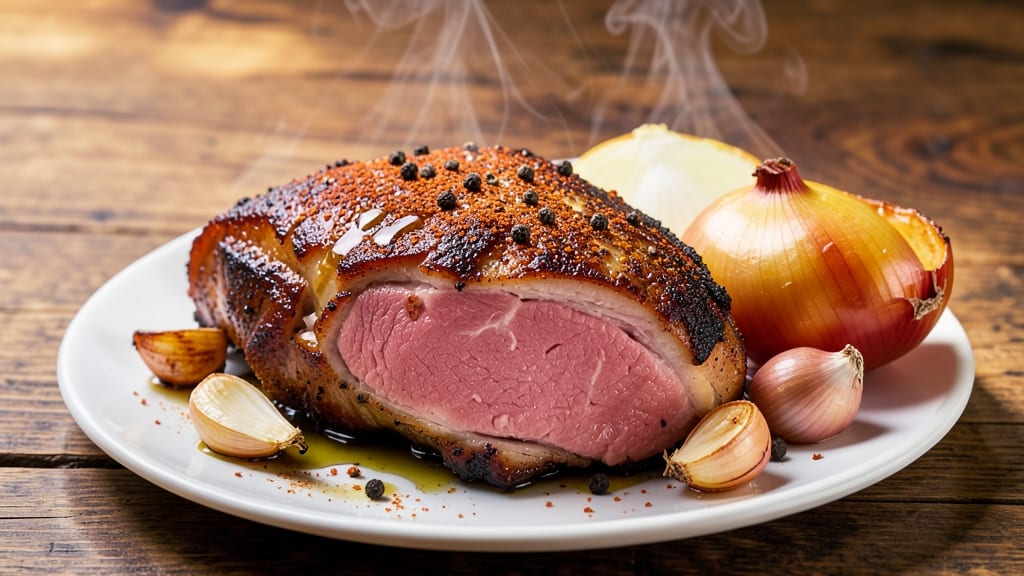
This boneless pork shoulder blade roast transforms tough cuts into melt-in-your-mouth perfection with a method I perfected during my time in Charleston. The secret lies in slow-braising—cooking low and slow until the meat reaches 195–203°F, where collagen dissolves into rich, juicy strands.
After years of testing, this technique delivers fork-tender results every time, with a crust that’s crisp enough to satisfy even the most discerning pitmaster.
What sets this recipe apart is the balance of simplicity and precision. No fancy equipment is needed—just a reliable oven or smoker, a good thermometer, and patience.
The key steps include a dry rub for flavor development, a high-heat sear for depth, and a slow cook that turns fibrous muscle into silky, pull-apart texture. I’ve cooked thousands of pounds of pork this way, and this method consistently delivers restaurant-quality results at home.
The final product is a roast so tender it practically falls apart at the touch, with a surface that’s caramelized and aromatic. Serve it sliced thick over creamy mashed potatoes or shredded for tacos, and you’ll have a dish that feels like a celebration—no matter the occasion.
The sides I recommend most often are braised greens or a simple apple slaw, which cut through the richness beautifully.
This recipe isn’t just about the pork; it’s about the experience. The slow cook transforms a simple cut into something extraordinary, and the process itself becomes part of the meal.
Whether you’re feeding a crowd or treating yourself to a Sunday dinner, this method ensures you’ll never buy pre-shredded pork again. Let’s get cooking.
Ingredients for boneless pork shoulder blade roast
Nine ingredients transform a tough cut into restaurant-quality pork that practically melts in your mouth.
| Ingredient | Amount | Notes |
|---|---|---|
| Boneless Pork Shoulder Blade Roast 🥓 | 4 lb | Well-trimmed, 2-3 inches thick |
| Yellow Onion 🧅 | 1 whole | Chopped into 1-inch pieces |
| Garlic Cloves 🧄 | 8 cloves | Smashed, not minced |
| Dry Mustard 🌶️ | 1 tbsp | For depth of flavor |
| Smoked Paprika 🌶️ | 1 tbsp | For smoky richness |
| Ground Black Pepper 🌶️ | 1 ½ tsp | Freshly cracked |
| Kosher Salt 🧂 | 2 tbsp | Diamond Crystal preferred |
| Brown Sugar 🍯 | 1 tbsp | Light variety |
| Apple Cider Vinegar 🍎 | 1 tbsp | For tangy balance |
| Beef Broth 💧 | 2 cups | Low-sodium preferred |
| Fresh Thyme 🌿 | 2 sprigs | Stems removed |
| Fresh Rosemary 🌿 | 1 sprig | For aromatic depth |
| Extra-Virgin Olive Oil 🫒 | 2 tbsp | For searing |
The pork shoulder is the star here—look for a well-marbled cut with good fat cap. Costco or your local butcher often have the best selection, but don't overlook the meat department at Whole Foods. Trim any excess fat to about 1/4-inch thickness—this helps the rub stick better and prevents grease splatter. If your roast is uneven, tie it in half with butcher's twine before cooking. For the best flavor, let it sit at room temperature for 30-45 minutes before searing.
No smoked paprika? Regular paprika plus a pinch of liquid smoke works in a pinch. Fresh thyme and rosemary are ideal, but dried at one-third the amount gets you close. The apple cider vinegar adds brightness—substitute with lemon juice if needed. For the broth, low-sodium is key since you're adding salt separately. If you're short on time, canned San Marzano tomatoes can replace half the broth for extra depth. The mustard might seem odd, but it's what gives this recipe that restaurant-quality complexity.
This roast reheats beautifully—203°F internal temp means it's perfect cold too. Wrap tightly in foil and store in the fridge for 4-5 days or freeze for 3 months. For leftovers, shred and reheat with a splash of broth to keep it moist. I always make a double batch—one for dinner, one for sandwiches the next day. The rub keeps for 1 month in an airtight container, so make extra for future projects.
Why You'll Love This Recipe
- No-Fuss Prep: I swear by this one—just sear the pork, toss in chopped onion and garlic, then sprinkle the mustard and paprika. Ten minutes of active work, and the rest is hands-off magic while you sip your coffee.
- Smoky-Sweet Magic: That dry mustard and smoked paprika combo? It’s like a hug for your taste buds. The pork gets this perfect caramelized crust, but inside it’s tender enough to melt—crispy edges, juicy center, and a flavor that lingers.
- Leftovers That Lie: Between us, this recipe makes way more than you’ll eat in one sitting. The next day, I turn slices into sandwiches or stir-fry scraps with eggs—no one ever complains, and my wallet thanks me.
- Budget Hero: Pork shoulder is affordable, and this recipe stretches it so far. A single roast feeds my family dinner, plus lunch the next day, and I still have enough for a quick breakfast hash. Smart, simple, and satisfying.
Step-by-step instructions for slow-braised pork shoulder blade roast
Here's how to transform a tough cut into melt-in-your-mouth pork that practically falls apart at the touch.
Sear the Pork Shoulder for Maximum Flavor
Heat a heavy Dutch oven over medium-high heat until a drop of water dances and evaporates instantly. Add the 2 tablespoons extra-virgin olive oil and swirl to coat the bottom evenly. Place the 4 lb boneless pork shoulder blade roast fat-side down and sear undisturbed for 8-10 minutes until a deep golden brown crust forms.
I press down gently on the roast during the first minute to prevent curling and ensure even contact with the pan. Flip the roast and sear the other side for another 6-8 minutes until equally browned. This initial searing locks in juices and creates that irresistible crust that makes every bite worthwhile.
Build the Aromatic Base with Onions and Garlic
Remove the seared pork and set it aside. In the same Dutch oven, add the 1 whole yellow onion chopped into 1-inch pieces and cook for 5-6 minutes until softened and beginning to caramelize at the edges. Add the 8 smashed garlic cloves and cook for another 30 seconds until fragrant but not browned.
Here's where the magic starts: sprinkle in the 2 tablespoons kosher salt, 1 tablespoon smoked paprika, 1 tablespoon dry mustard, 1.5 teaspoons ground black pepper, and 1 tablespoon brown sugar. Stir everything together for 1 minute until the spices bloom and coat the onions and garlic completely. This aromatic base forms the flavor foundation for your entire dish.
Braise with Vinegar and Herbs for Tangy Depth
Return the seared pork shoulder to the Dutch oven. Pour in the 2 cups beef broth and 1 tablespoon apple cider vinegar, then add the 2 sprigs fresh thyme and 1 sprig fresh rosemary. The liquid should come about halfway up the sides of the roast—if it's too shallow, add a splash of water.
Bring everything to a gentle simmer over medium heat, then immediately reduce to the lowest possible heat that maintains a bare bubble at the surface. Cover tightly with a lid and transfer to a 300°F oven. This low-and-slow approach is crucial—it breaks down the connective tissue while keeping the meat tender and juicy.
Cook Until Fork-Tender with Collagen-Rich Braising
Let the pork shoulder braise for 3-3.5 hours until the meat is fork-tender and easily pulls apart with minimal resistance. I check doneness by inserting a meat thermometer into the thickest part—it should read 205-210°F when the pork is properly tenderized.
During the last 30 minutes, I like to check the liquid level occasionally and add a splash of water if it reduces too much. The pork will continue cooking as it rests, so don't worry if it's not quite perfect at exactly 3 hours. The goal is that knife test—when your knife slides in like butter with no resistance.
Rest and Shred for Maximum Juiciness
Remove the pork shoulder from the oven and transfer it to a cutting board. Tent loosely with aluminum foil and let it rest for at least 30 minutes (I prefer 45 minutes for maximum tenderness). This resting period allows the juices to redistribute throughout the meat instead of pooling on your plate.
While the pork rests, skim any excess fat from the braising liquid and taste the sauce. If it needs more depth, add a splash of apple cider vinegar or a pinch of brown sugar to balance the flavors. Once rested, use two forks to shred the pork against the grain into ¼-inch thick strands. Serve immediately with the braising sauce spooned generously over the top—each bite should be moist, flavorful, and effortlessly tender.
Pro Tips For Making Boneless Pork Shoulder Blade Roast
- Sear the Onion First: I used to toss everything in the pan at once, but searing the sliced yellow onion and minced garlic in butter for 3-4 minutes until soft and golden—before adding the pork—builds deeper flavor. The pork gets a head start on aroma while you’re prepping, and the onions won’t just disappear into the sauce.
- Pat That Pork Dry: Skip the paper towel dance if you want to, but a bone-dry pork shoulder blade is non-negotiable here. I learned this the hard way—wet meat steams instead of sears, and your crust turns to sad, flat mush. Use a clean kitchen towel and press hard; you’ll know it’s dry when the towel comes away mostly clean.
- Start Hot, Finish Slow: Get your pan screaming hot before the pork hits—this isn’t a gentle simmer. Sear it 2-3 minutes per side until deep golden, then immediately lower the heat to medium-low. Rushing the sear means gray meat; dragging it out means burnt edges. Trust the process: the pork will finish cooking in the oven.
- Toast the Spices: Smoked paprika and dry mustard taste better when they’ve danced in the pan for 30 seconds before hitting the pork. The mustard’s sharpness mellows slightly, and the paprika’s smokiness pops. Do this while the onions are searing—it’s one less step later, and the flavor upgrade is real.
Troubleshooting perfect results
Uneven Cooking
If your pork shoulder cooks unevenly—some parts dry or others still tough—it’s likely due to inconsistent heat distribution. I’ve seen this happen when roasting in home ovens with hot spots. To fix this, place your Dutch oven on a cookie sheet before putting it in the oven.
This elevates the pot and allows air to circulate underneath, promoting even cooking. Also, rotate the pot halfway through cooking if your oven has temperature fluctuations. 🌡️
Dry or Tough Meat
Overcooking is the #1 culprit for dry pork shoulder. The key is patience—pull the meat when it reaches 205–210°F internal temperature, not before. If your pork comes out tough, it likely didn’t braise long enough.
For next time, extend cooking time by 30–60 minutes and check the liquid level to ensure it’s not evaporating too quickly. A splash of broth or water can help maintain moisture.
Sauce Too Thin or Too Thick
If your braising liquid turns out too thin, it probably evaporated too quickly. Always maintain a ½-inch liquid level above the pork by adding water or broth during cooking.
For a thicker sauce, reduce it on the stovetop after removing the pork—simmer uncovered for 5–10 minutes until it reaches your desired consistency. A splash of apple cider vinegar or cornstarch slurry can also help thicken it up.
Fat Rendering Too Much
Excessive fat in the braising liquid can make the dish greasy. To control this, skim fat from the surface during cooking using a spoon or fat separator.
If the fat is a concern, trim the pork shoulder more aggressively before cooking—leave just a ¼-inch fat cap to render without overwhelming the dish. For extra insurance, chill the braising liquid in the fridge overnight and skim off the hardened fat before reheating.
Pork Not Shredding Properly
If your pork resists shredding, it likely didn’t reach a high enough internal temperature. The magic number is 205–210°F—this is when collagen fully breaks down. If you’re short on time, try shredding the pork while still warm and adding it back to the braising liquid to finish cooking.
For extra tenderness, let the pork rest for the full 45 minutes before shredding—this step is non-negotiable for that melt-in-your-mouth texture. ✨
Oven Temperature Fluctuations
Ovens can vary by 50°F or more, so if your pork isn’t cooking evenly, invest in an oven thermometer to verify accuracy. If your oven runs hot, reduce the temperature by 25°F and extend cooking time.
For older ovens, place a baking sheet on the rack below the Dutch oven to reflect heat upward. I’ve also had success using a slow cooker on low for this recipe—just adjust cooking time to 8–10 hours instead of 3–3.5 hours.
Nutrition facts
Frequently asked questions
Why does this recipe call for boneless pork shoulder blade specifically?
The shoulder blade cut is ideal because it's well-marbled with connective tissue that breaks down beautifully during slow cooking. Unlike leaner cuts, this piece stays juicy when cooked low-and-slow to 205-210°F. The blade portion also has a perfect balance of meat and fat, creating that irresistible crust while keeping the interior tender. For best results, look for a cut that's 2-3 inches thick with visible marbling.
Can I make this recipe in a slow cooker instead of the oven?
Transfer the seared pork and all ingredients to a 6-quart slow cooker and cook on low for 8-10 hours or high for 5-6 hours. The key is maintaining that 205-210°F internal temperature. For best results, use the oven method first to get that initial sear, then finish in the slow cooker. The texture will be slightly different but still incredibly tender and flavorful.
How do I know when the pork is done without a meat thermometer?
Use the fork test: insert a fork into the thickest part of the meat—it should slide in like butter with no resistance. The meat should also pull apart easily into ¼-inch thick strands. Another trick is to press your thumb into the meat—if it leaves a deep indentation that doesn't spring back, it's ready. For extra insurance, cook until the juices run clear when pierced with a knife.
What's the best way to reheat leftovers?
For best results, reheat shredded pork in a skillet with a splash of the braising liquid over medium-low heat until warmed through (165°F). Never microwave directly—it dries out the meat. If reheating from the fridge, add a ½ cup extra broth to keep it moist. For sandwiches, reheat just until warm to maintain that perfect texture. Leftovers keep well for 4-5 days in the fridge.
Can I substitute pork butt for pork shoulder blade?
While pork butt is similar, it's not the same cut. Pork shoulder blade has a slightly different fat distribution and texture that works better for this recipe. If you must substitute, reduce cooking time by 30 minutes since pork butt tends to cook faster. For best results, stick with the shoulder blade cut—it's specifically chosen for its ideal balance of meat and fat for this braising method.