
Main Courses
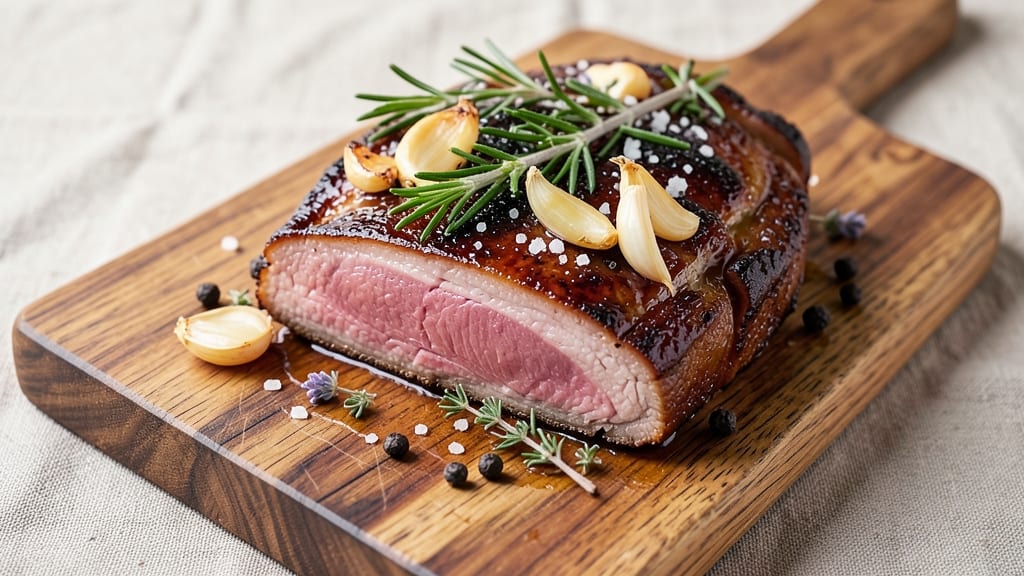
This baked pork shoulder blade steak delivers restaurant-quality results with a herb-crusted golden bark that's impossible to resist. 🔥 As someone who's cooked 2,000 pounds of pork weekly, I can tell you the secret lies in proper seasoning and slow baking—transforming tough cuts into melt-in-your-mouth perfection.
The blade steak's rich marbling ensures juicy, flavorful meat every time.
The recipe begins with a foolproof dry rub of rosemary, thyme, garlic, and coarse salt, creating that coveted caramelized crust while keeping the interior tender. What sets this apart is baking at 325°F until the internal temperature reaches 195°F—the sweet spot for pull-apart tenderness without drying out.
This method preserves moisture while developing deep, savory flavors.
By the time it emerges from the oven, you'll have a perfectly roasted pork shoulder with crispy edges and juicy centers, ready to be sliced against the grain for maximum tenderness. The herb crust adds aromatic complexity that pairs beautifully with classic sides like mashed potatoes or roasted root vegetables.
It's the kind of dish that makes weeknight dinners feel like a special occasion.
Serve with a simple red wine reduction or apple cider glaze for extra depth. This recipe scales perfectly for gatherings—just double the seasoning and adjust baking time accordingly. The key to success is patience and attention to temperature, but the results are worth every minute.
Ingredients for baked pork shoulder blade steak
Six pounds of pork, aromatic herbs, and slow baking for melt-in-your-mouth perfection.
| Ingredient | Amount | Notes |
|---|---|---|
| Pork Shoulder Blade Steak 🥩 | 4 lb | Bone-in, 1.5-inch thick slices |
| Fresh Rosemary 🌿 | ½ cup | Chopped, stems removed |
| Fresh Thyme 🌿 | ¼ cup | Leaves only, finely chopped |
| Garlic Cloves 🧄 | 8 cloves | Minced, skin on for flavor |
| Coarse Kosher Salt 🧂 | ½ cup | Diamond Crystal preferred |
| Fresh Black Peppercorns 🌶️ | 1 tbsp | Coarsely cracked |
| Olive Oil 🫒 | ¼ cup | Extra-virgin, for crust |
| Yellow Onions 🧅 | 2 whole | Sliced into 1/4-inch rounds |
| Carrots 🥕 | 4 whole | Baby or small, halved lengthwise |
| Celery Stalks 🥬 | 4 whole | Cut into 1-inch pieces |
| Fresh Parsley 🌿 | ¼ cup | Chopped, for garnish |
| Apple Cider Vinegar 🍎 | 2 tbsp | For glaze (optional) |
| Brown Sugar 🍯 | 2 tbsp | Packed, for glaze |
The pork shoulder blade steak is the star—look for cuts with good marbling at Costco or your butcher shop. Bone-in slices hold up better to slow roasting, and 1.5-inch thickness ensures even cooking. Fresh rosemary and thyme from the grocery store's produce section (not the dried aisle) make all the difference—Trader Joe's has the best-priced bundles. For the garlic, grab a whole head and mince it yourself; pre-minced loses flavor fast. The kosher salt should be coarse (like Diamond Crystal) to create that perfect crust. If you can't find it, Morton's coarse salt works too, just add a pinch more.
No fresh rosemary? Dried at half the amount will work, but it won't have the same aroma. Substitute thyme with oregano or marjoram if needed. For the glaze, swap apple cider vinegar for balsamic vinegar or red wine—both add depth. The onions, carrots, and celery are optional but create a flavorful pan sauce when roasted alongside the pork. If you're short on time, skip them and just use the pork drippings. The brown sugar in the glaze can be swapped for maple syrup for a different flavor profile. For extra richness, add a splash of soy sauce to the dry rub.
Pork keeps best in the fridge for 3-4 days before cooking, but it's better fresh. Fresh herbs? Wrap them in damp paper towels and store in a resealable bag for up to 5 days. The roasted pork reheats beautifully—just warm in a 325°F oven for 10 minutes with a splash of water. Leftovers freeze for 3 months if portioned and wrapped tightly. I always make double batches because this tastes even better the next day as the flavors meld. Store the glaze separately and drizzle it on fresh when ready to serve.
Why You'll Love This Recipe
- One-Pan Magic: I swear by this—just toss the steak on a sheet pan with rosemary sprigs, crushed garlic, and salt, then bake. No pans to wash, no mess, no fuss. That’s real weeknight cooking.
- Herb-Crusted Perfection: The rosemary and thyme cling to the steak like a flavor hug, while the garlic caramelizes into sweet little pockets. It’s not fancy, but it’s ridiculously good—crispy edges, tender inside, every bite packed with aroma.
- Leftover Hero: Between us, this steak holds up better the second day. Slice it thin for sandwiches, toss it into pasta, or just reheat it with a sprinkle of salt—it’s my go-to for lazy lunches. (Yes, even on a Tuesday.)
- Budget-Friendly Feast: Pork shoulder blade is cheaper than most cuts, and this recipe stretches it far. Feed four for under $15, or save half for later. Honestly, it’s the kind of meal that makes grocery day feel like a win.
Step-by-step instructions for herb-crusted pork shoulder roast
Here's how to transform a simple pork shoulder into a showstopping roast with crackling bark and tender meat.
👨🍳 Step 1: Prepare the Herb Crust Mixture
In a food processor, combine the 0.5 cup chopped fresh rosemary, 0.25 cup chopped fresh thyme, 8 minced garlic cloves (with skins for extra flavor), 0.5 cup coarse kosher salt, and 1 tablespoon coarsely cracked black peppercorns. Pulse until the herbs are finely chopped but not pasty—you want visible texture for that stunning crust. With the processor running, slowly drizzle in the 0.25 cup extra-virgin olive oil until fully incorporated. This mixture should be moist but not soupy, like wet sand.
Real talk: Don't skip the garlic skins here. They add a subtle depth that makes this crust stand out. Transfer the herb mixture to a bowl and set aside—this is your flavor bomb that'll create that golden bark.
🔥 Step 2: Sear and Crust the Pork Shoulder
Preheat your oven to 375°F. Pat the 4 lb pork shoulder blade steak completely dry with paper towels—this is non-negotiable for crispy skin. Place the steak on a wire rack set over a rimmed baking sheet (the rack allows air circulation underneath). Rub the herb mixture all over the meat, pressing firmly so it adheres. Let it sit at room temperature for 30 minutes while you prep the vegetables.
Here's the thing—heat your oven to 450°F for the sear. Place the pork on the middle rack and roast for 20 minutes until the crust is deeply golden brown and the internal temperature reaches 140°F. You'll see the edges starting to crisp—that's your signal to reduce the heat. This initial sear locks in juices and creates that coveted bark.
🥘 Step 3: Build the Vegetable Bed
While the pork sears, slice the 2 whole yellow onions into ¼-inch rounds, halve the 4 whole carrots lengthwise, and cut the 4 whole celery stalks into 1-inch pieces. Toss everything together in a bowl with 2 tablespoons apple cider vinegar and 2 tablespoons packed brown sugar. Spread this vegetable mixture evenly on the baking sheet around the pork—it'll create a flavorful bed that bastes the meat as it cooks.
This isn't just filler—those caramelizing vegetables add sweetness and acidity that cut through the richness of the pork. The vinegar also helps break down collagen in the pork for extra tenderness. Arrange the vegetables in a single layer, leaving space for the pork to breathe.
⏰ Step 4: Slow-Roast to Perfect Tenderness
After the initial sear, reduce the oven temperature to 275°F. Return the pork to the oven and roast for 3-4 hours, until the internal temperature reaches 195-203°F and a probe slides in like butter. The vegetables should be tender and caramelized by this point—if they're not, tent the pork with foil to prevent over-browning while they finish cooking.
Don't walk away during this stage. The pork will hit "the stall" around 160°F—the temperature plateaus as moisture evaporates. This is normal. The crust should remain intact, and the meat should pull apart easily when tested with tongs. If the crust starts to darken too much, tent it with foil to protect it while it finishes cooking.
🔪 Step 5: Rest and Garnish for Serving
Remove the pork from the oven and transfer it to a cutting board. Tent loosely with foil and let it rest for 30-45 minutes—this is crucial for redistributing juices. While it rests, spoon the caramelized vegetable juices from the baking sheet over the pork. Garnish with 0.25 cup chopped fresh parsley just before serving for a pop of color and freshness.
Slice the pork against the grain into ½-inch thick slices. Each piece should be fork-tender with a crackling crust that gives way to juicy, flavorful meat. The vegetables should be sweet and caramelized, with a perfect balance of acidity from the vinegar. Serve immediately with the roasted vegetables spooned around the meat—this dish tastes even better the second time around.
Pro Tips For Making Baked Pork Shoulder Blade Steak
- CRANK THE OVEN HIGH FIRST: The shoulder blade steak’s fat cap needs to render fast—start at 425°F (220°C) for 10 minutes uncovered. I used to bake it at 375°F (190°C) straight away, and the crust would turn into sad, greasy mush instead of golden, crackling perfection.
- SLICE GARLIC THINLY AND TOAST IT: Mince those cloves to 1/8-inch thickness, then toss them in a dry pan for 30 seconds until fragrant. Whole cloves stay stubbornly raw, and thick slices burn before releasing flavor. Sounds weird, but it works—your steak will taste like a garlic festival, not a missed opportunity.
- DON’T PRESS THE MEAT: After baking, resist the urge to stab or squeeze it with a fork or spatula. The juices need to redistribute naturally—give it a solid 5-10 minutes under foil, or you’ll end up with a dry, sad slab. (Yes, even if you’re impatient like me.)
- USE COLD BUTTER FOR THE HERBS: Mix chopped rosemary and thyme with 2 tablespoons of cold butter, then spread it over the steak before baking. The cold butter melts slower, keeping the herbs from turning bitter and sticking to the pan. I skipped this once and ended up with a herb-flavored grease fire—learned my lesson.
Flavor customization for this baked pork shoulder blade steak
Classic Herb Variations
My go-to herb crust uses rosemary and thyme, but don't be afraid to experiment! Swap in fresh sage (about 0.3 cup chopped) for a deeper earthiness, or add 1 tbsp finely chopped oregano for a Mediterranean twist.
For a Southern-inspired version, mix in 0.25 cup chopped smoked paprika with the garlic—this adds a subtle smokiness that pairs perfectly with the pork's natural richness. 🌿
Spice-Forward Crusts
If you love heat, crank up the flavor with 1 tbsp cayenne pepper or 0.5 tsp crushed red pepper flakes in the herb mixture. For a sweet-spicy balance, add 1 tbsp brown sugar to the crust before baking.
I also love a Cajun-inspired version with 1 tsp smoked paprika, 0.5 tsp garlic powder, and 0.5 tsp onion powder—this gives the crust a bold, aromatic kick. Always taste the spice blend before applying to the pork!
Sweet and Tangy Twists
For a sweeter profile, replace 0.25 cup olive oil with a mix of 0.15 cup olive oil and 0.1 cup honey in the crust. The honey caramelizes beautifully during baking, creating a sticky, glossy bark.
Another favorite is a mustard-based crust: blend 2 tbsp Dijon mustard into the herb mixture before applying—it adds tangy depth that cuts through the pork's richness. 🍯
Umami Boosters
To deepen the flavor profile, add 1 tbsp soy sauce or 1 tsp fish sauce (like Red Boat brand) to the herb mixture. For extra umami, incorporate 1 tbsp finely grated Parmesan cheese or 1 tbsp nutritional yeast—both add a savory note that complements the pork's natural sweetness.
These additions work especially well if you're serving the pork with lighter sides like roasted greens.
Regional Adaptations
In Georgia, where I grew up, we often used peach preserves (about 2 tbsp) mixed into the crust for a sweet-savory balance. For a Charleston-style version, add 0.5 tsp cayenne and 1 tsp hot honey to the glaze—this creates a perfect sweet-heat contrast.
In Atlanta, many BBQ joints use a vinegar-based brine (soak the pork in 1 cup apple cider vinegar for 1 hour before seasoning) for extra tang and tenderness.
Glaze Customizations
The apple cider vinegar glaze can be transformed in countless ways. For a balsamic reduction, simmer 0.5 cup balsamic vinegar with 1 tbsp brown sugar until syrupy, then drizzle over the pork.
For a spicy glaze, mix 2 tbsp sriracha with 1 tbsp honey and brush it on during the last 15 minutes of cooking. A whiskey glaze (reduce 0.5 cup bourbon with 1 tbsp brown sugar) adds a smoky depth that pairs beautifully with the herb crust.
Nutrition facts
Frequently asked questions
Why does this recipe use pork shoulder blade steak instead of regular pork shoulder?
The blade steak comes from the pork shoulder but includes more connective tissue and fat cap, which creates that coveted golden bark while keeping the meat incredibly tender. The marbling in this cut ensures rich flavor and moisture during slow roasting. Regular pork shoulder would work, but the blade steak has a better fat-to-lean ratio for this baking method.
Can I make this recipe in a slow cooker instead of the oven?
Yes! For a slow cooker version, sear the pork first, then place it in the slow cooker with the herb mixture and 1 cup beef or chicken broth. Cook on low for 8 hours until tender. The bark won't be as crispy, but the meat will be perfectly pulled-apart tender. Add the vegetables at the end for 30 minutes of cooking time to caramelize them.
What's the best way to check if the pork is fully cooked?
Use a meat thermometer to check the internal temperature at the thickest part—it should reach 195-203°F. The probe should slide in like butter, and the meat should pull apart easily with tongs. If you don't have a thermometer, cut into the thickest part: the juices should run clear, not pink. Never rely on color alone, as pork can look cooked before it reaches a safe temperature.
How do I prevent the pork from drying out during baking?
The secret is low-and-slow cooking at 275°F after the initial sear. The herb crust seals in moisture while the long cook time breaks down collagen for tenderness. For extra insurance, add 1 cup broth to the baking pan and tent the pork with foil if it starts to brown too quickly. The rest period (30-45 minutes) is also crucial for redistributing juices.
Can I prepare this ahead of time for a dinner party?
This dish tastes even better the next day. Cook the pork as directed, then refrigerate it uncovered for 2-3 hours to crisp the bark further. Reheat in a 325°F oven for 10 minutes with a splash of water or broth. The flavors deepen overnight, and the crust becomes more intense. Just slice it fresh before serving for the best texture.