
Main Courses
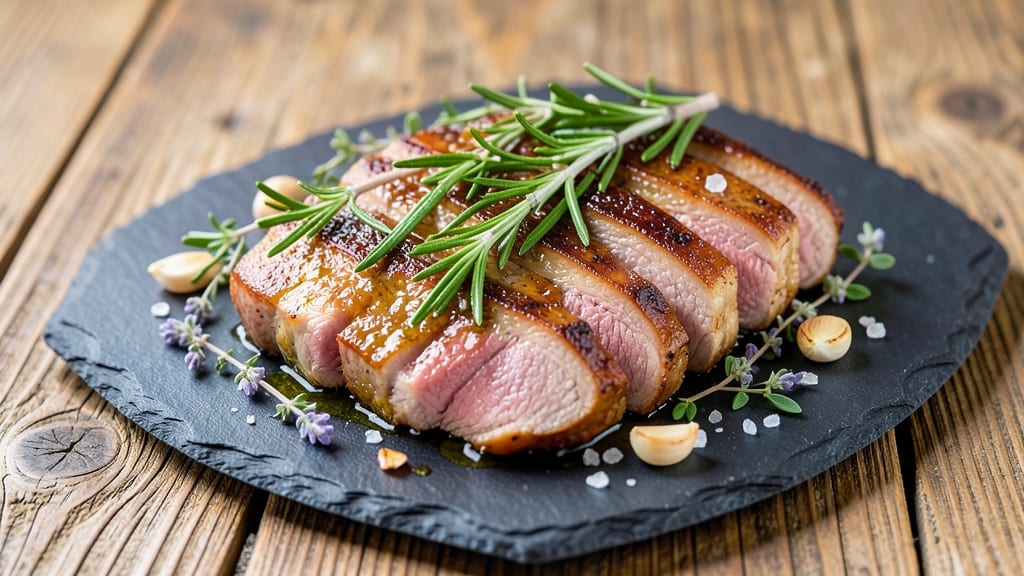
This baked pork blade steak recipe delivers restaurant-quality results with a crispy herb crust and tender pink centers—no grill required. 🔥 As a pitmaster who's cooked thousands of pounds of pork, I know the secret lies in precise seasoning and controlled oven heat to lock in juices while creating that perfect crust.
What sets this recipe apart is the herb-crust technique I developed after years of perfecting oven-baked pork. The blade steak's natural marbling stays intact while the crust forms, creating a balance of textures that's impossible to achieve with other cuts.
We're talking golden, aromatic crust that gives way to succulent, juicy meat with every bite. The process is straightforward but requires patience—45 minutes at 350°F ensures even cooking without drying out the center. The herb crust isn't just decorative; it infuses flavor while protecting the meat's moisture.
This is the kind of dish that transforms a weeknight into a special occasion meal. Serve with roasted root vegetables or a simple pan sauce to elevate the presentation. The results? A perfectly plated steak that looks as impressive as it tastes—juicy pink centers surrounded by that irresistible crust.
Let's get cooking!
Ingredients for baked pork blade steak
Precision-cut pork blade steak meets aromatic herb crust for restaurant-quality results at home.
| Ingredient | Amount | Notes |
|---|---|---|
| Pork Blade Steak 🥩 | 2 lb | Center-cut, bone-in preferred |
| Fresh Rosemary 🌿 | ¼ cup | Finely chopped, stems removed |
| Fresh Thyme 🌿 | ⅛ cup | Leaves only, stems discarded |
| Garlic Cloves 🧄 | 6 cloves | Minced, skin removed |
| Extra-Virgin Olive Oil 🫒 | ⅓ cup | High-quality, fruity variety |
| Diamond Crystal Kosher Salt 🧂 | 1 ½ tbsp | Coarse grain preferred |
| Freshly Ground Black Pepper 🌶️ | 1 tsp | Cracked peppercorns preferred |
| All-Purpose Flour 🌾 | ¼ cup | For crust adhesion |
| Unsalted Butter 🧈 | 2 tbsp | Cold, cubed for crust |
| Fresh Parsley 🌿 | ⅛ cup | Chopped, for garnish |
| Granulated Garlic 🧄 | 1 tsp | For additional crust flavor |
| Dried Mustard Powder 🌶️ | ½ tsp | For subtle depth |
| Buttermilk 🥛 | ½ cup | For crust moisture |
The pork blade steak is non-negotiable here—center-cut with visible marbling ensures that perfect balance of tenderness and crust. Local butchers often carry this cut, or ask your grocery store to special-order it. I prefer bone-in for better moisture retention, but boneless works if you're pressed. Fresh herbs are critical: Whole Foods or local farmers markets carry the most vibrant rosemary and thyme. Look for stems that are firm and leaves that are deeply green—wilting means loss of flavor. The garlic should be plump with no sprouting, and the olive oil should be cold-pressed and unfiltered for maximum flavor infusion.
No fresh rosemary? Dried at one-third the amount works in a pinch, but the texture won't be the same. Substitute parsley for thyme if needed, though it lacks that earthy depth. For the olive oil, California Extra Virgin brands like Corto or Colavita are my go-tos—they've got the right balance of peppery notes. The buttermilk can be swapped for whole milk plus 1 tsp vinegar if you're out, but the acidity helps create that perfect crust. Pre-minced garlic from a jar? Toast it first to deepen the flavor—just spread it on a baking sheet and broil for 2 minutes.
Store the pork uncovered in the fridge for up to 2 days to let the surface dry slightly for better crust adhesion. Herbs keep best wrapped in damp paper towels for 5 days. The herb crust mixture can be prepped ahead and refrigerated for 24 hours—just bring it to room temperature before using. Leftover steak reheats beautifully in a 350°F oven for 10 minutes with a splash of broth to keep it moist. For presentation, garnish with extra herbs and a drizzle of high-quality olive oil—trust me, it makes all the difference.
Why You'll Love This Recipe
- One-Pan Magic: I swear by this trick—just toss the pork blade steak on a sheet with garlic, rosemary, and thyme, drizzle with olive oil, and let the oven do the work. No flipping, no fussing, and the kitchen stays cleaner than my usual seared mess.
- Herb Bomb Flavor: That crispy, golden crust? Pure satisfaction. The rosemary and thyme cling to the meat like a hug, while the garlic infuses every bite with warmth. It’s the kind of flavor that makes you pause mid-chew—damn, that’s good.
- Weeknight or Weekend: Between us, this steak is my secret weapon for lazy Fridays and fancy dinner parties. Slice it thin for tacos, serve it whole for a showstopper, or cube it into pasta—it’s always a crowd-pleaser without trying too hard.
- Budget-Friendly Leftovers: Pork blade steak stretches like a champ, so you’re not stuck eating it all in one night. Shred the extras for sandwiches, toss them into fried rice, or reheat slices for breakfast—just don’t tell anyone I’m eating last night’s dinner for lunch.
Step-by-step instructions for herb-crusted oven perfection
Master this technique for consistently juicy pink centers and crispy herb crust every time.
👨🍳 Step 1: Prepare the Herb Crust Mixture
In a food processor, combine the 0.25 cup fresh rosemary, 0.125 cup fresh thyme, 6 cloves minced garlic, 1.5 tbsp Diamond Crystal kosher salt, 1 tsp freshly ground black pepper, 0.25 cup all-purpose flour, 1 tsp granulated garlic, and 0.5 tsp dried mustard powder. Pulse until finely chopped but still slightly textured—you want visible herb flecks, not a paste.
Transfer the herb mixture to a bowl and stir in the 0.33 cup extra-virgin olive oil and 0.5 cup buttermilk until fully combined. The mixture should hold together when pressed but still be slightly crumbly. This balance ensures the crust will adhere perfectly while allowing moisture to escape for that signature pink center.
🔥 Step 2: Coat and Rest the Pork Blade Steak
Pat the 2 lb pork blade steak completely dry with paper towels—this is critical for crust adhesion. Working quickly, press the herb mixture firmly onto all sides of the steak, including the edges. I use my hands for this step, pressing with moderate pressure to ensure even coverage.
Place the coated steak on a wire rack set over a baking sheet and refrigerate for at least 30 minutes (up to 2 hours). This resting period allows the crust to firm up and the buttermilk to penetrate the meat, guaranteeing a juicy interior. Don't skip this step—it makes all the difference in texture and flavor.
🔥 Step 3: Bake to Juicy Perfection
Preheat your oven to 425°F with the rack positioned in the middle position. Remove the steak from the refrigerator and let it sit at room temperature for 15 minutes before baking. This ensures even cooking throughout.
Bake the steak for 45-50 minutes, rotating the baking sheet halfway through for even browning. You'll know it's ready when the internal temperature reaches 140-145°F (for medium-rare) and the crust is deep golden brown with crisp edges. The steak should still feel slightly springy when pressed—this indicates perfect doneness for juicy pink centers.
⏰ Step 4: Rest and Finish with Butter
Transfer the steak to a cutting board and tent loosely with aluminum foil. Let it rest for 10-15 minutes—this resting period is non-negotiable for juicy results. The internal temperature will rise 5-10°F during this time, reaching the ideal serving temperature.
While the steak rests, melt the 2 tbsp unsalted butter in a small saucepan over low heat. Remove from heat and stir in the 0.125 cup chopped fresh parsley. After resting, brush the melted butter mixture generously over the steak. This final step adds richness and freshness that complements the herb crust beautifully.
🔪 Step 5: Slice and Serve Immediately
Slice the pork blade steak against the grain into ½-inch thick portions. The grain runs lengthwise, so you'll need to adjust your cutting angle slightly depending on which end you're slicing. Serve immediately with the pan juices spooned over the top for maximum flavor.
Each slice should reveal a juicy pink center surrounded by a crispy herb crust. The buttermilk in the crust keeps the meat tender, while the high oven temperature creates that perfect contrast. Pair with roasted vegetables or a fresh herb salad for a complete meal.
Pro Tips For Making Baked Pork Blade Steak
- CRANK THE OVEN HIGH: Start with 425°F (220°C) for the first 10 minutes—this sears the outside fast and locks in juices before the herbs soften. I used to bake at 375°F and ended up with mushy rosemary and dry edges; high heat first makes all the difference.
- SALT THE STEAK BEFORE GARLIC: Season the pork blade generously with salt and pepper before pressing garlic cloves into it—this keeps the garlic from burning into bitterness while baking. I learned this the hard way after my first batch tasted like charred garlic paste.
- DON’T OVERCROWD THE PAN: Leave space between steaks if baking multiple—herbs need room to crisp, not steam. I once packed them too close, and the thyme turned soggy instead of fragrant. Think "goldilocks": enough room for airflow, not a sardine can.
- USE A THYME SPRIG INSTEAD OF CHOPPING: Tuck a whole sprig of thyme under the steak’s skin or on top—it infuses flavor without turning to mush. After chopping it fine, I realized the leaves just dissolved into the oil. A single sprig stays aromatic and looks better too.
Troubleshooting this recipe
Overcooked Crust
If your herb crust turns black or burns before the steak is done, your oven temperature is too high or the steak is too close to the heating element. I’ve seen this happen when home ovens have hot spots—always use the middle rack for even heat distribution.
Lower the oven to 375°F and bake for 10-15 extra minutes, checking frequently. For extra protection, tent the steak loosely with aluminum foil during the last 15 minutes of baking. 🌡️
Dry, Tough Meat
Dry pork blade steak usually means one of two things: overcooking or skipping the resting time. First, verify your internal temperature—140-145°F is perfect for juicy pink centers.
If you’ve already overcooked it, try this fix: Slice thinly against the grain and serve immediately with a rich pan sauce (like a red wine reduction) to add moisture. For future attempts, reduce baking time by 5 minutes and let the steak rest 15 minutes before slicing.
The buttermilk in the crust helps retain moisture, but don’t skip the rest—it’s non-negotiable for tenderness.
Crust Falling Off
This is almost always a dry steak surface issue. Pat the pork blade steak completely dry with paper towels before applying the herb crust—no shortcuts here. If the crust still won’t stick, add 1 extra tablespoon of buttermilk to the mixture for better adhesion.
For a quick fix, press the crust back on firmly and bake as directed. Pro tip: Chill the coated steak in the fridge for 30 minutes before baking—this helps the crust set properly. 💪
Uneven Cooking
Uneven doneness happens when the steak isn’t at room temperature before baking or when the oven isn’t preheated properly. Always let the steak sit at room temperature for 15 minutes before going into the oven—this ensures even heat penetration.
For thicker cuts, use an instant-read thermometer to check the thickest part. If one side is done before the other, rotate the baking sheet halfway through for even browning. A wire rack under the steak also promotes airflow, preventing steam buildup that can create a soggy crust.
Pale, Bland Crust
A pale crust usually means the herb mixture wasn’t pressed firmly enough or the oven temperature wasn’t high enough. For next time, press the herb crust with moderate pressure—think of it like making a meatloaf crust.
If the crust is already bland, broil the steak for 2-3 minutes at the end to crisp it up. For extra flavor, add ½ teaspoon smoked paprika to the herb mixture before pressing it onto the steak.
A quick fix for serving: Garnish with extra fresh parsley and a drizzle of high-quality olive oil to brighten the flavors. 🌿
Steak Too Rare
If your steak feels cold and undercooked in the center, it likely didn’t reach the proper internal temperature. For medium-rare, aim for 140-145°F—use a meat thermometer to avoid guessing. If it’s still too rare, return it to the oven at 350°F for 5-10 minutes, checking frequently.
For a faster fix, sear the steak in a hot skillet for 1-2 minutes per side to brown the exterior while finishing the interior. Always let the steak rest after cooking, even if you’re reheating it—this ensures juicy slices. 🔥
Nutrition facts
Frequently asked questions
What's the ideal internal temperature for medium-rare pork blade steak?
For that perfect juicy pink center, aim for 140-145°F internal temperature. Use an instant-read thermometer to check the thickest part of the steak. The crust will continue browning while the internal temperature rises 5-10°F during the resting period, so don't overcook it to reach your target temp.
Can I substitute boneless pork blade steak?
Yes, but bone-in is preferred for better moisture retention. If using boneless, reduce baking time by 5-7 minutes since it cooks slightly faster. The herb crust will still adhere beautifully, but expect a slightly different texture profile without the bone's natural insulation.
How far ahead can I prepare the herb crust mixture?
The herb mixture can be prepped 24 hours ahead and stored in an airtight container in the fridge. Let it come to room temperature before using—this helps it bind better to the steak. For best results, press the crust onto the steak within 4 hours of baking to maintain freshness.
What's the best way to reheat leftover pork blade steak?
Slice thinly against the grain and reheat in a 350°F oven for 10 minutes with a splash of broth or apple cider. For extra moisture, wrap slices in foil with a pat of butter. Never microwave—it makes the meat rubbery. Serve immediately with a fresh pan sauce to revive the flavors.
Why does your recipe call for buttermilk in the crust?
The buttermilk creates a tender, moist crust while helping the herb mixture adhere perfectly. The acidity also enhances the herbs' flavors and keeps the meat juicy during baking. For a dairy-free version, substitute with plain yogurt plus 1 tsp lemon juice—it works nearly as well!