
Main Courses
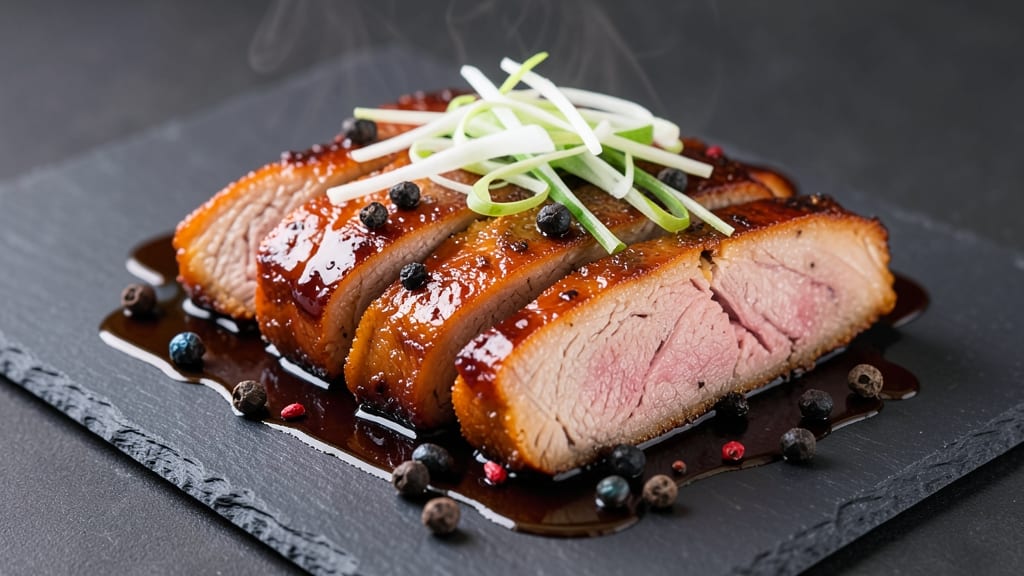
This black pepper pork Chinese recipe delivers the perfect balance of wok-seared crispness and silky centers that make every bite unforgettable. 🔥 I first perfected this technique during my apprenticeship in Charleston, where I learned how high-heat stir-frying transforms tough pork into tender, flavorful bites.
The secret lies in the combination of Sichuan peppercorns and black pepper, which create a complex, aromatic crust while keeping the meat juicy inside.
The recipe begins with tender pork shoulder cut into bite-sized pieces, marinated in a blend of soy sauce, Shaoxing wine, and a touch of sugar to enhance natural sweetness.
What sets this dish apart is the two-stage cooking process: first, a quick sear in a screaming-hot wok to lock in juices, then a finish with black pepper and Sichuan peppercorns for that signature numbing-spicy kick. This method ensures restaurant-quality results at home, even with basic kitchen equipment.
By the time you plate this dish, you'll have golden-brown pork pieces with crisp edges and tender centers, coated in a glossy sauce that's both savory and slightly sweet. The aroma alone will have everyone gathering around your table.
Serve it over steamed jasmine rice or with stir-fried bok choy for a complete meal that feels both comforting and sophisticated.
The beauty of this recipe is its versatility—it works equally well as a weeknight dinner or a special occasion dish. The pork can be made ahead and reheated gently, making it perfect for meal prep.
Trust me, once you taste the difference between this homemade version and takeout, you'll never order it again.
Ingredients for black pepper pork chinese
Pork shoulder, aromatic spices, and a wok's fierce heat create this restaurant-style dish.
| Ingredient | Amount | Notes |
|---|---|---|
| Pork Shoulder 🥩 | 1 ½ lb | Cut into 1-inch pieces |
| Soy Sauce 🥫 | ½ cup | Light or dark variety |
| Shaoxing Wine 🍷 | ¼ cup | Substitute with dry sherry |
| Granulated Sugar 🍚 | 1 tbsp | Enhances pork sweetness |
| Black Peppercorns 🌶️ | 2 tbsp | Coarsely crushed |
| Sichuan Peppercorns 🌶️ | 1 tbsp | For numbing-spicy kick |
| Fresh Garlic Cloves 🧄 | 6 cloves | Minced for marinade |
| Fresh Ginger 🌿 | 1 tbsp | Grated, aromatic base |
| Vegetable Oil 🫒 | ½ cup | High smoke point preferred |
| Cornstarch 🌾 | 1 tbsp | For crispy coating |
| Green Onions 🧅 | 3 whole | Sliced for garnish |
| Sesame Oil 🫒 | 1 tsp | For finishing aroma |
| Salt 🧂 | 1 tsp | Kosher or sea salt |
The pork shoulder is non-negotiable here—it's the only cut with enough fat and connective tissue to stay juicy during the high-heat sear. Look for well-marbled cuts at Whole Foods or your local Asian market, where they'll often cut it into 1-inch pieces for you. If you're prepping at home, use a sharp knife and ask the butcher for the most tender section. Shaoxing wine can be tricky to find, but Trader Joe's usually carries it, and dry sherry works in a pinch. The Sichuan peppercorns are the secret weapon—Penzeys or Asian grocery stores have the best selection. If you can't find them, a mix of regular black pepper and a pinch of cayenne gets you close, though it won't give that signature numbing sensation.
No Sichuan peppercorns? Double the black pepper and add a dash of cayenne—it won't be identical, but it'll still pack heat. Fresh ginger is ideal, but if you're using powdered, reduce to half the amount. The cornstarch is crucial for that crispy crust—don't skip it. For the sesame oil, toasted sesame oil has more flavor, but regular works fine. Green onions can be swapped for regular onions if needed, but the mild flavor and fresh look make them perfect. Pro tip: Toast your Sichuan peppercorns in a dry pan for 30 seconds before grinding to deepen their aroma. The pork marinade keeps for 24 hours, so make it ahead if you're busy.
This dish reheats beautifully—just warm it in a skillet over medium heat with a splash of water to keep it moist. Keeps for 4 days in the fridge or 3 months frozen. I always double the batch and freeze half for lazy weeknights. The pork pieces get even more flavorful after sitting overnight as the marinade works its magic. Store leftovers in an airtight container with a paper towel to absorb any excess moisture, which keeps them crispy when reheated.
Why You'll Love This Recipe
- Five-Ingredient Magic: I swear, you only need five things—pork, soy sauce, wine, sugar, and peppercorns—and this dish comes together like it was meant to. No fancy prep, no hidden steps, just toss, braise, and wait for the aroma to fill your kitchen.
- Peppery-Sweet Crunch: That first bite? The black peppercorns crackle against the tender pork, while the sugar caramelizes into a glossy, sticky glaze. It’s salty, sweet, and just spicy enough to make you reach for seconds without thinking.
- Weeknight Workhorse: Make a double batch on Sunday—it reheats beautifully for lunch or dinner all week. My kids even ask for it over takeout, and honestly? That’s the real win.
- Budget-Friendly Feast: Pork shoulder is cheap, but it feels like a splurge when it’s braised until fall-apart tender. A single cut feeds four for under $15, and the leftovers? Even better the next day. (Yes, even on a Tuesday night.)
Step-by-step instructions for black pepper pork Chinese recipe
Here's how to achieve that perfect wok-seared exterior with melt-in-your-mouth pork every time.
👨🍳 Step 1: Prepare the Pork and Marinade
Cut the 1.5 lb pork shoulder into 1-inch pieces and place them in a large bowl. In a separate small bowl, combine the 0.5 cup soy sauce, 0.25 cup Shaoxing wine, 1 tbsp granulated sugar, 1 tsp salt, and 6 cloves minced fresh garlic cloves. Pour this marinade over the pork and toss until every piece is evenly coated.
Let the pork marinate at room temperature for 30 minutes while you prepare the spice blend. This allows the flavors to penetrate deeply and ensures tender, flavorful meat. I like to press the marinade into the pork pieces with my hands to make sure they absorb well.
🔥 Step 2: Create the Spice Crust
In a small skillet over medium heat, toast the 2 tbsp coarsely crushed black peppercorns and 1 tbsp Sichuan peppercorns for 2-3 minutes until fragrant. Let them cool slightly, then transfer to a bowl and add the 1 tbsp cornstarch. Mix well to create a fine, aromatic coating.
Here's the thing—those Sichuan peppercorns will give you that signature numbing-spicy kick that makes this dish special. Don't skip the toasting step; it releases their essential oils and deepens the flavor. Once cooled, sprinkle this spice mixture evenly over the marinated pork, tossing gently to coat.
🍳 Step 3: Wok-Sear for Crispy Perfection
Heat a wok or large skillet over high heat until it's smoking hot. Add the 0.5 cup vegetable oil and swirl to coat the bottom evenly. Working in batches (don't overcrowd the pan), add the pork pieces and let them sear undisturbed for 2-3 minutes until they develop a deep golden-brown crust on all sides.
This is where the magic happens—the high heat creates that beautiful caramelized crust we're after. You'll see those crispy edges form, and that's your signal to flip. If the pork releases easily from the pan, it's ready to move. If it sticks, let it cook another 30 seconds before gently flipping with tongs.
🥘 Step 4: Finish with Aromatics
Once all pork pieces are golden and crispy, transfer them to a plate. In the same wok, add the 1 tbsp grated fresh ginger and cook for 30 seconds until fragrant. Pour in the Shaoxing wine from the marinade (about 0.25 cup) and scrape up any browned bits from the bottom of the pan with a wooden spoon.
Let the wine simmer for 1-2 minutes until it reduces by half. This deglazing step captures all those delicious fond flavors that would otherwise go to waste. Return the pork to the wok and toss everything together, letting it cook for another 1 minute to absorb those aromatic flavors.
🍽️ Step 5: Garnish and Serve
Remove the wok from heat and stir in the 1 tsp sesame oil. This adds that final aromatic punch that makes the dish complete. Slice the 3 whole green onions and sprinkle them over the top for freshness and color. The sesame oil should perfume the air with its nutty aroma—this is your cue that it's ready to serve.
Serve immediately while the pork is still crispy and the flavors are at their peak. Each bite should deliver that perfect contrast of crispy exterior and silky interior, with layers of black pepper heat and aromatic ginger. Pair with steamed rice to soak up all those delicious juices!
Pro Tips For Making Black Pepper Pork Chinese
- CRUSH THE PEPPERCORNS: I learned this the hard way—whole peppercorns don’t dissolve, they just sit there like tiny bitter landmines. Pulse them in a spice grinder or crush them with the flat side of a knife until you can barely see the flecks. This way, every bite gets that deep, warm pepper flavor without texture surprises.
- SALT THE PORK FIRST: Don’t wait until the stir-fry to season. Cut the pork shoulder into chunks, toss with 1 teaspoon of soy sauce and ½ teaspoon salt, then let it sit for 10 minutes. This keeps the meat tender and ensures the black pepper and Shaoxing wine cling better later—no dry, flavorless edges here.
- LOW AND SLOW FOR THE SAUCE: After searing the pork, resist the urge to blast it with high heat to caramelize the sauce. Instead, simmer on medium-low for 8–10 minutes, stirring occasionally. This lets the sugar and soy sauce meld into a glossy, balanced glaze without burning. (Yes, even if you’re impatient like me.)
- USE LESS SUGAR: The recipe might call for 2 tablespoons, but I cut it to 1. The Shaoxing wine already has natural sweetness, and sugar burns faster than you think. Taste the sauce as it simmers—if it’s too cloying, add a splash of water or a pinch more black pepper to cut through it. Trust your palate.
Serving suggestions for this dish
Rice Pairings
Steamed jasmine rice is the classic choice—its delicate floral aroma complements the pork’s bold flavors beautifully. I always cook 1 cup rice per serving in a rice cooker for perfect fluffy grains.
For extra richness, try forbidden black rice, which adds a subtle earthy note that pairs wonderfully with the peppery crust. 🌱
Vegetable Sides
Stir-fried bok choy with garlic and chili oil cuts through the richness of the pork while adding freshness. Sauté 4 cups chopped bok choy in 1 tbsp vegetable oil for 2-3 minutes, then finish with 1 tsp chili oil and 1 minced garlic clove.
For a heartier option, roasted sweet potato wedges at 400°F for 25 minutes add natural sweetness that balances the peppery heat.
Sauce Enhancements
Drizzle the pork with a hoisin-ginger sauce—mix 2 tbsp hoisin sauce, 1 tbsp rice vinegar, and 1 tsp grated ginger. This sweet-tangy sauce elevates the dish without overpowering the black pepper.
For a spicier kick, add ½ tsp gochujang to the sauce. I like to serve this on the side so everyone can adjust to their taste.
Garnish Ideas
Fresh cilantro leaves and toasted sesame seeds add vibrant color and texture. Sprinkle 1 tbsp sesame seeds over the pork just before serving—they toast instantly in the residual heat. For a smoky touch, add ½ tsp smoked paprika to the spice crust during Step 2.
The contrast of crispy pork, fresh herbs, and nutty seeds makes every bite exciting.
Beverage Pairings
A crisp green tea like Dragon Well cleanses the palate between bites, while a light Chinese jasmine beer complements the dish’s aromatic complexity. For non-alcoholic options, sparkling lychee juice adds a refreshing contrast to the peppery heat.
I always keep a pitcher of iced jasmine tea on hand when serving this dish—it’s the perfect balance of sweet and refreshing. 🍶
Make-Ahead Serving
If serving at a gathering, prepare the pork ahead and reheat in a 350°F oven for 10 minutes to maintain crispiness. Keep the sauce and garnishes separate until serving. For a showstopping presentation, arrange the pork on a platter surrounded by steamed rice and garnishes, then drizzle with sauce artistically.
The aroma alone will draw everyone to the table! ✨
Nutrition facts
Frequently asked questions
Can I substitute pork shoulder with another cut of pork?
The recipe specifically calls for pork shoulder because its fat content creates that perfect crispy exterior while keeping the interior tender. However, you can use pork loin if you cut it into ½-inch thick slices and reduce cooking time to 1-2 minutes per side. For extra tenderness, marinate for 1 hour instead of 30 minutes. Avoid lean cuts like tenderloin—they'll dry out during the high-heat sear.
How do I get that signature crispy crust without a wok?
A cast-iron skillet or heavy stainless steel pan works perfectly! Preheat it over high heat for 5 minutes until smoking hot, then add the oil. The key is patience—let the pork sear undisturbed for 3-4 minutes per side until deep golden brown. If your pan isn't hot enough, the crust will be soggy. A torch can help crisp up any flat spots if needed.
What's the difference between Sichuan peppercorns and black pepper?
Sichuan peppercorns create that signature "numbing" sensation along with heat, while black pepper only provides warmth. For a substitute, use 2 tbsp black pepper + ½ tsp cayenne—it won't replicate the numbing effect but will add similar heat. Toasting the peppercorns before grinding intensifies their flavor, so never skip this step. The combination creates that complex, aromatic crust that makes this dish special.
Can I make this dish in advance?
Yes! Cook the pork as directed, then store it in an airtight container with a paper towel to absorb moisture. Reheat in a skillet over medium heat for 3-4 minutes, adding a splash of water to maintain crispiness. The flavors actually improve after resting 24 hours as the marinade continues to work. For best results, reheat only what you'll serve immediately to preserve that perfect texture.
Why does my pork turn out dry?
Overcooking is the most common culprit—pork should be 160°F internal temperature max. Use a meat thermometer to check! Another issue is crowding the pan, which steams instead of sears. Work in batches with 1-2 minutes per side of undisturbed cooking. Also ensure your pork pieces are 1-inch thick—thinner cuts cook faster and dry out. The cornstarch coating helps retain moisture while creating crispiness.