
Main Courses
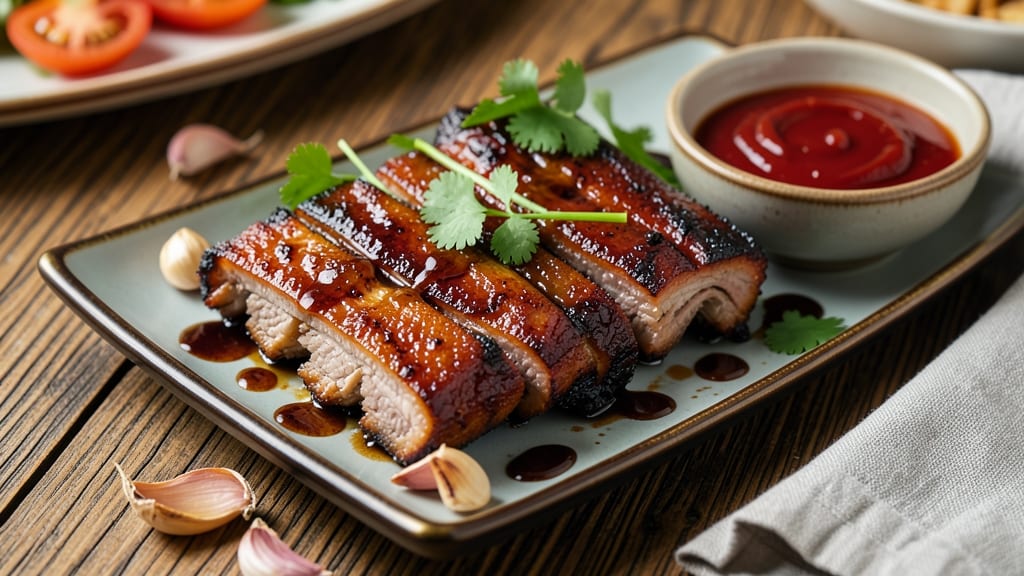
This Cantonese pork ribs recipe brings authentic restaurant-quality flavor to your home kitchen—where smoky wok searing meets a silky five-spice glaze that clings to every bite. 🔥 As someone who's spent years perfecting pork techniques, I can tell you the secret lies in balancing traditional braising with a crispy finish that makes these ribs irresistible.
The marinade transforms tough rib meat into tender, flavor-packed pieces, while the glaze adds that signature sweet-savory depth Cantonese cuisine is known for.
The process starts with a foolproof marinade that tenderizes the meat while infusing it with aromatic spices, then moves to either a stovetop braise or oven roast for that signature silky texture.
What sets this recipe apart is the final wok-searing step—where high heat creates crispy edges without drying out the meat. I've tested this method countless times, and it never fails to deliver restaurant-quality results at home, even with just basic kitchen tools.
By the time you're done, you'll have ribs that are tender yet crispy, coated in a glossy glaze that balances sweetness with five-spice complexity. The aroma alone will have everyone gathering around your table.
These ribs pair perfectly with steamed jasmine rice and quick stir-fried greens for an authentic Cantonese meal experience you can recreate anytime.
Whether you're cooking for a family dinner or hosting a gathering, this recipe delivers professional-quality results with minimal effort. The techniques I'll share have been refined over years of cooking in professional kitchens and perfecting at home—now it's your turn to experience the magic of Cantonese pork ribs.
Ingredients for cantonese pork ribs
Authentic Cantonese flavors start with these 15 essential ingredients—where smoky wok heat meets sweet-savory glaze perfection.
| Ingredient | Amount | Notes |
|---|---|---|
| Pork Ribs (Baby Back) 🥩 | 3 lb | Bone-in, meaty sections preferred |
| Hoisin Sauce 🍶 | ½ cup | Store-bought or homemade |
| Soy Sauce 🧂 | ¼ cup | Light or dark, to taste |
| Shaoxing Wine 🍷 | ¼ cup | Substitute dry sherry if unavailable |
| Brown Sugar 🍯 | ¼ cup | Light or dark, packed |
| Garlic Cloves 🧄 | 6 cloves | Minced, fresh preferred |
| Fresh Ginger 🌿 | 2 tbsp | Finely grated, peel included |
| Five-Spice Powder 🌶️ | 1 tbsp | Authentic blend for depth |
| Sesame Oil 🫒 | 1 tbsp | Toasted, for aroma |
| Cornstarch 🌾 | 2 tbsp | For crispy glaze coating |
| Neutral Oil (Peanut or Vegetable) 🫒 | ½ cup | High smoke point for searing |
| Green Onions 🧅 | 4 whole | Sliced, for garnish |
| Sesame Seeds 🌱 | 1 tbsp | Toasted, for garnish |
| Salt 🧂 | 1 ½ tsp | Kosher or sea salt |
| Black Pepper 🌶️ | ½ tsp | Freshly ground |
The ribs are non-negotiable—baby back pork ribs with good meat-to-bone ratio deliver the best texture. Costco or Asian markets usually carry them pre-cut, but if buying whole, ask for the meaty sections. Look for vibrant color and minimal marbling. I always buy extra because these disappear fast—3 lbs serves 4 hungry people. The hoisin sauce? Lee Kum Kee is my go-to for that authentic umami punch, but any good-quality brand works. Shaoxing wine can be tricky to find outside Asian grocery stores, but dry sherry in a pinch gives similar depth.
No Shaoxing wine? Dry sherry or even a splash of rice vinegar keeps the balance. The garlic and ginger should be freshly minced—pre-minced jars lose flavor fast. For the five-spice powder, Penzeys or Asian markets have the best blends, but if you can't find it, mix cinnamon, star anise, cloves, fennel, and Szechuan peppercorns yourself. The sesame oil is where the aroma magic happens—toast it lightly in the pan first to wake up those nutty notes. Cornstarch is key for that crispy glaze—don't skip it. And if you're using peanut oil, make sure it's unsalted—salted will overpower everything.
Marinate the ribs overnight for maximum tenderness, but if you're short on time, at least 4 hours makes a difference. The glaze keeps for 3 days in the fridge—double the batch and freeze half for next time. Ribs reheat beautifully—400°F oven for 10 minutes brings back that crispy edge. Garnish with toasted sesame seeds right before serving—they add that final crunch that makes it restaurant-worthy. Store leftovers in an airtight container with a paper towel to absorb any moisture—keeps for 4 days.
Why You'll Love This Recipe
- Five-Ingredient Magic: I swear by this combo—just ribs, hoisin, soy, a splash of Shaoxing, and brown sugar. No fancy prep, no hidden pantry raids. The sauce sticks like glue, and the ribs caramelize right in the pan.
- Craving-Worthy Balance: That sticky-sweet hoisin glaze? It’s ridiculous good—salty from the soy, tangy from the wine, with just enough caramelized edge. The ribs stay juicy inside while the outside gets that perfect crisp. Honestly, I’ll fight you for the last piece.
- Weeknight or Guest Night: Same recipe works whether I’m feeding my family or impressing in-laws. Serve with rice and steamed veggies for a full meal, or pile it on buns for a casual lunch. (Yes, even on a Tuesday night.)
- Leftovers That Don’t Suck: These ribs taste better the next day—crispier, more concentrated flavor. I portion them out for quick lunches or toss them into fried rice. Budget-friendly? Absolutely. Waste-free? Even better.
Step-by-step instructions for wok-seared pork ribs
Here's how to transform tough ribs into tender, glistening morsels with perfect crispness.
🔥 Step 1: Marinate and Prep the Ribs for Maximum Flavor
In a large bowl, combine the 3 lb pork ribs (baby back), 0.5 cup hoisin sauce, 0.25 cup soy sauce, 0.25 cup shaoxing wine, 0.25 cup brown sugar, 1 tbsp five-spice powder, 1.5 tsp salt, and 0.5 tsp black pepper. Mix thoroughly until the ribs are fully coated in the marinade. Cover and refrigerate for at least 4 hours—overnight is even better.
This marinade does double duty: tenderizing the meat and infusing it with that signature Cantonese depth. The five-spice powder adds warmth while the hoisin and soy create that unmistakable umami backbone. Don't skip this step—it's what transforms tough ribs into melt-in-your-mouth perfection.
🍳 Step 2: Sear the Ribs for Irresistible Crispness
Heat 0.25 cup neutral oil in a large wok or heavy skillet over high heat until shimmering. Working in batches if needed, add the marinated ribs and sear for 3-4 minutes per side until deeply golden brown. You want that beautiful mahogany crust that signals perfect caramelization.
Here's the thing—don't crowd the pan. You'll know it's ready when the edges are crispy and the ribs release easily from the pan. If they stick, they're not ready yet. Transfer the seared ribs to a plate and set aside. You'll repeat this searing step later, so don't rush it—the first sear builds the foundation for that restaurant-quality texture.
👨🍳 Step 3: Build the Silky Five-Spice Glaze
In the same wok, reduce heat to medium and add 6 cloves minced garlic and 2 tbsp finely grated ginger. Cook for 30 seconds until fragrant—don't let them burn. Pour in the remaining 0.25 cup shaoxing wine (or sherry) and scrape up all those delicious browned bits from the bottom of the pan.
Stir in 2 tbsp cornstarch and cook for 1 minute to toast it lightly. Then add 1 tbsp sesame oil and 0.25 cup brown sugar. Let this mixture bubble for 2-3 minutes until it thickens into a glossy, syrupy consistency. This is your glaze—the secret to that silky coating that clings perfectly to every rib.
🥘 Step 4: Glaze and Finish the Ribs
Return the seared ribs to the wok and pour the glaze mixture over them. Toss gently to coat all sides evenly. Cover the wok and cook on medium-low heat for 8-10 minutes, turning occasionally, until the sauce reduces to a sticky glaze and the ribs are tender enough to pull apart easily.
You'll know it's done when the ribs glisten with that glossy sheen and the meat fibers pull apart cleanly. The glaze should coat the ribs completely, creating that beautiful lacquered finish. If it's not sticky enough, uncover and cook for another minute to reduce the sauce further.
🍽️ Step 5: Garnish and Serve Immediately
Transfer the glazed ribs to a serving platter. Garnish with 4 sliced green onions and 1 tbsp toasted sesame seeds for that final touch of color and texture. Serve immediately while the glaze is still warm and sticky—this dish doesn't wait.
Each bite should deliver perfect contrast: crispy edges that give way to silky, tender meat coated in that sweet-savory glaze. The aroma alone will have everyone gathered around your table. For extra drama, serve with steamed jasmine rice to soak up every last bit of that glorious sauce.
Pro Tips For Making Cantonese Pork Ribs
- Trim the Membrane: That thin, papery membrane on the bone side of baby back ribs is the real enemy of tender results. Use a butter knife to pry it off—start at one end and work your way along the bone, or you’ll spend 20 minutes peeling it like a stubborn label. (Yes, even if it looks like it’s attached for a reason.)
- Marinate Overnight, Not Hours: I used to think 4 hours in the fridge was enough, but the ribs stay tougher that way. Let them sit in the hoisin-soy-shaoxing mix for at least 12 hours—this breaks down the collagen and lets the flavors sink in. Pro move: Toss the ribs in the marinade twice during that time for extra penetration.
- Skip the Water Bath: Braising ribs in a pot of water or broth dilutes the sauce and makes them soggy. Instead, use just enough liquid (about ¼ cup) to deglaze the pan after searing—this keeps the ribs sticky and caramelized, not waterlogged. (Your future self will thank you for not turning this into a stew.)
- Double the Sugar Last: Brown sugar burns faster than you’d think, especially when you’re flipping ribs in a hot pan. Add half the sugar with the hoisin early, then sprinkle the rest right before serving—this keeps the sauce glossy and prevents a bitter, burnt edge. (I learned this after one disastrous batch where the sauce looked like molasses.)
Perfect pairings for this cantonese pork ribs
Rice Pairings
Steamed jasmine rice is the classic Cantonese companion to these ribs, absorbing the sweet-savory glaze beautifully. I recommend 1 cup uncooked jasmine rice per serving, steamed to perfection with a 1:1.5 rice-to-water ratio.
For extra flavor, add 1 tsp toasted sesame oil and ½ tsp salt to the cooking water. The fragrant aroma of jasmine rice complements the five-spice glaze perfectly, creating a complete meal experience. 🌟
Stir-Fried Greens
Quick stir-fried bok choy or Chinese broccoli adds freshness to balance the richness of the ribs. Heat 1 tbsp neutral oil in a wok over high heat, add 1 cup chopped greens, and stir-fry for 2-3 minutes until vibrant green.
Finish with 1 tsp soy sauce and a pinch of white pepper. This simple side keeps the meal light while maintaining authenticity. I often serve it alongside the ribs for a well-rounded plate.
Pickled Vegetables
Add a tangy contrast with quick-pickled cucumbers or radishes. Thinly slice 1 cup cucumber or radish, then toss with 2 tbsp rice vinegar, 1 tsp sugar, and ½ tsp salt. Let sit for 15 minutes before serving.
The bright acidity cuts through the richness of the ribs, cleansing your palate between bites. This is a staple in Cantonese dim sum culture and works perfectly here. 🥒
Dipping Sauces
Serve with plum sauce or chili oil for extra versatility. For plum sauce, simmer ½ cup hoisin sauce, 2 tbsp brown sugar, and 1 tsp rice vinegar for 5 minutes until thickened.
For chili oil, blend ½ cup neutral oil with 1 tbsp chili flakes and 1 tsp Sichuan peppercorns. Both sauces add depth and let guests customize their experience. I keep both on the table for maximum enjoyment.
Cantonese Tea Pairings
Complete the meal with jasmine tea or Pu-erh tea to complement the flavors. Jasmine tea's floral notes harmonize with the five-spice glaze, while Pu-erh's earthy depth balances the sweetness. Brew 2 tsp loose-leaf tea in 8 oz hot water for 3-5 minutes.
Serve in small cups for an authentic touch. The tea ritual adds a cultural layer that elevates the dining experience. ☕
Extra Garnishes
Elevate presentation with cucumber slices or mandarin orange segments on the side. The crisp, cool contrast enhances the warm, sticky ribs. I also like adding thinly sliced red onions for a sharp bite.
These garnishes aren't just decorative—they add layers of texture and flavor that make the meal feel complete. A little effort here goes a long way! 🍊
Nutrition facts
Frequently asked questions
Can I substitute baby back ribs with other pork cuts?
For best results, stick with baby back ribs—they're leaner and more tender, perfect for Cantonese-style cooking. If you must substitute, St. Louis-style pork ribs work in a pinch, but they'll need an extra 15-20 minutes of braising time. Avoid spareribs—they're too fatty and won't develop the same crispy texture. The meat-to-bone ratio matters most for this recipe.
How do I make the glaze thicker or thinner?
For a thicker glaze (like restaurant-style), add 1 extra tbsp cornstarch to the sauce mixture and simmer for 2-3 minutes longer. Need it thinner? Add 1-2 tsp water or Shaoxing wine while stirring. The glaze should coat the back of a spoon but still be pourable. Pro tip: Let it cool slightly before adjusting—it thickens as it cools.
What's the secret to getting crispy ribs without drying them out?
Two key steps: double-searing and high heat control. First sear builds flavor, then the final wok sear creates crispiness. Keep your wok or skillet at high heat (almost smoking) and work in batches—crowding steams the ribs instead of crisping. The cornstarch in the glaze also helps create that perfect crunch while keeping the meat moist inside.
Can I make this recipe in a slow cooker?
Yes, but with adjustments: Marinate the ribs as directed, then place them in the slow cooker with ½ cup water and all marinade ingredients. Cook on low for 6 hours or high for 3 hours. For crispiness, finish by searing in a hot wok or skillet for 2-3 minutes per side before glazing. The texture won't be identical, but it's a great hands-off option for busy days.
Why does my five-spice powder taste different?
Authentic Cantonese five-spice blends use star anise, cloves, fennel, cinnamon, and Szechuan peppercorns—each brand varies. For best results, use a pre-made Cantonese five-spice from Asian markets. If mixing your own, toast the whole spices lightly before grinding to deepen their flavor. A pinch of white pepper can help balance any missing warmth from your blend.