
Main Courses
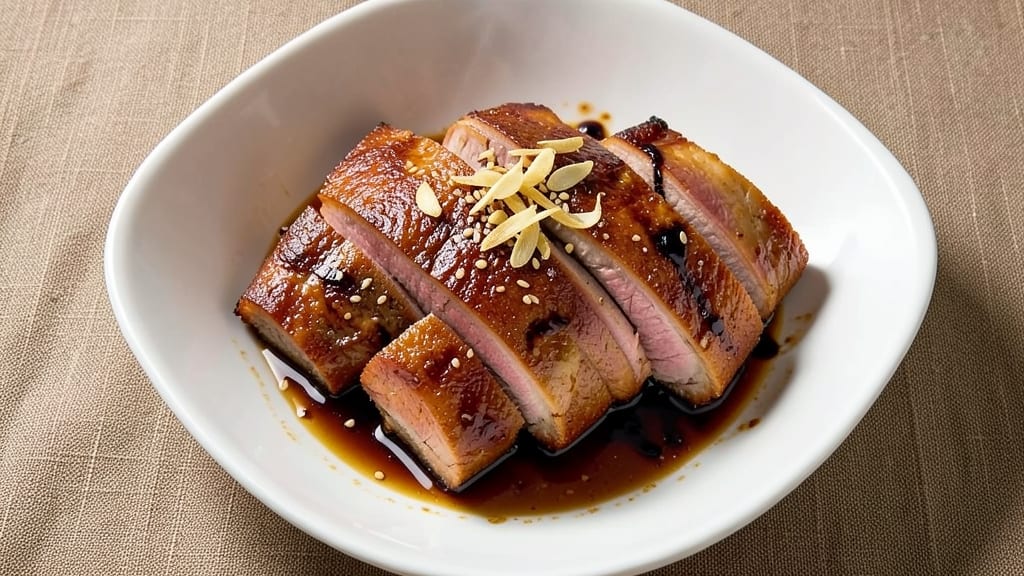
This Chinese pork roast recipe in the oven transforms simple ingredients into a restaurant-worthy centerpiece with tender meat and a crispy, aromatic crust. The secret lies in marinating with five-spice powder and soy sauce overnight, then roasting until the edges develop that signature crunch. I first made this during a busy week when takeout just wouldn't cut it, and it became an instant family favorite.
The five-spice blend—star anise, cloves, cinnamon, fennel, and pepper—creates layers of warmth that penetrate the meat while the soy and honey marinade adds depth. Unlike traditional wok methods, this oven version delivers consistent results without watching a pot.
The pork stays juicy inside with a crisp exterior that holds up beautifully when sliced.
What you'll end up with is a dish that smells like a Chinese restaurant but comes together in your home kitchen. The aroma alone will have everyone gathering around the table, and the tender, flavorful meat serves as the perfect centerpiece for steamed greens or jasmine rice.
This is comfort food with a touch of sophistication.
Ready in just 3 hours (including marinating), this recipe proves you don't need a wok to achieve authentic Chinese flavors. The hands-off roasting makes it ideal for weeknight dinners or special occasions. Let's get started!
Ingredients for chinese pork roast recipe oven
Six ingredients transform simple pork into restaurant-style five-spice roast with crispy edges.
| Ingredient | Amount | Notes |
|---|---|---|
| Pork Shoulder (Boston Butt) 🐖 | 3 lb | Bone-in preferred for flavor |
| Five-Spice Powder 🌶️ | 2 tbsp | Homemade or quality store-bought |
| Light Soy Sauce 🥢 | ½ cup | Kikkoman or La Choy preferred |
| Dark Soy Sauce 🥢 | 2 tbsp | For deeper color and flavor |
| Honey 🍯 | ¼ cup | Wildflower or clover variety |
| Sesame Oil 🫒 | 1 tbsp | Toasted sesame oil for aroma |
| Garlic Cloves 🧄 | 6 cloves | Minced for marinade |
| Fresh Ginger 🌿 | ½ cup | Finely grated, peeled |
| Cornstarch 🌾 | ¼ cup | For crispy crust |
| Neutral Oil (Vegetable or Canola) 🫒 | ½ cup | High smoke point preferred |
| Green Onions 🧅 | ¼ cup | Sliced for garnish |
| Sesame Seeds 🌾 | 1 tbsp | Toasted for garnish |
| Diamond Crystal Kosher Salt 🧂 | 1 ½ tsp | Adjust to taste |
| Black Peppercorns 🌶️ | 1 tsp | Freshly cracked |
The pork shoulder is non-negotiable here—bone-in delivers richer flavor than boneless cuts. Grab one from the butcher counter if possible, or the pre-cut roast from Costco works perfectly. Look for good marbling; it ensures juiciness during roasting. For the five-spice powder, Penzeys Spices carries an authentic blend, but most Asian markets stock quality versions. If making your own, toast the whole spices (star anise, cloves, cinnamon, fennel, pepper) first for deeper flavor. The honey should be real—avoid the imitation kind that tastes like corn syrup.
No five-spice powder? Mix 1 tsp each of ground cinnamon, fennel seeds, cloves, and black pepper—it’s not identical but gets you close. Running out of dark soy sauce? Add 1 tsp molasses to light soy sauce for color. Fresh ginger and garlic are ideal, but paste or powdered work in a pinch (use half the amount). For the cornstarch crust, arrowroot powder is a 1:1 substitute. The sesame oil is what gives that signature aroma—don’t skip it, but use sparingly. Toasting sesame seeds in a dry pan before garnishing? Worth the extra minute—they’ll pop with flavor.
Marinate the pork overnight for best results, but at least 4 hours works if you're short on time. The roasting pan should be room temperature when it goes in the oven. Store leftovers in an airtight container for up to 4 days, or freeze portions for 3 months. Reheat gently in the oven or microwave—never boil or the crust will turn soggy. Garnish with toasted sesame seeds and green onions right before serving; they add freshness to the rich, caramelized pork.
Why You'll Love This Recipe
- One-Pan Magic: I swear by this—just toss the pork, rub it with five-spice and soy, and let the oven do the work. No chopping, no flipping, no stress. That honey glaze? It caramelizes into pure satisfaction with zero effort.
- Flavor Bomb: The five-spice powder alone is a game-changer—warm cinnamon, star anise, and pepper hit you first, then the soy and honey deepen into something rich and sticky. Honestly, the first bite makes me pause mid-chew.
- Leftover Hero: This roast tastes better the next day, especially when I slice it thin for fried rice or stir-fries. My freezer’s always stocked with portions—because nothing beats reheated Chinese pork with a sprinkle of scallions.
- Budget Feast: Pork shoulder is cheap, but it transforms into something restaurant-worthy. Between us, this recipe feeds four for under $15, and the leftovers stretch for lunch. My wallet and my family thank me weekly.
Step-by-step instructions for Chinese pork roast with five-spice crunch
Here's how to transform tough pork shoulder into tender, caramelized perfection with a crispy five-spice crust.
Prepare the Pork Shoulder with Dry Rub
Pat the 3 lb pork shoulder dry with paper towels - this step is crucial for that coveted crispy crust. In a small bowl, combine the 2 tbsp five-spice powder, 1.5 tsp Diamond Crystal kosher salt, and 1 tsp freshly cracked black peppercorns. Rub this mixture all over the pork, pressing firmly so it adheres well. The spices will develop deep, aromatic notes as they cook.
Minced the 6 cloves garlic and finely grate the 0.5 cup fresh ginger. Spread this aromatic paste evenly over the pork's surface. Place the pork on a rack set in a shallow roasting pan, fat side up. This positioning allows the fat to render down and baste the meat during cooking. Let it sit at room temperature for 30 minutes before roasting - this ensures even cooking throughout.
Create the Glazing Sauce
In a medium saucepan, combine the 0.5 cup light soy sauce, 2 tbsp dark soy sauce, 0.25 cup honey, and 1 tbsp sesame oil. Bring to a gentle simmer over medium heat and cook for 5 minutes until slightly reduced. This sauce will become your pork's glossy, sticky glaze. In a separate bowl, whisk together the 0.25 cup cornstarch with 2 tablespoons of water to create a slurry.
Slowly pour the cornstarch slurry into the simmering sauce while whisking continuously. The mixture will thicken dramatically - you're aiming for a glossy, coatable consistency similar to barbecue sauce. Remove from heat and set aside. This sauce is the secret to that signature caramelized crust and tender interior.
Sear and Braise the Pork
Preheat your oven to 325°F. Heat the 0.5 cup neutral oil in a large Dutch oven over medium-high heat until shimmering. Carefully add the pork shoulder and sear on all sides until golden brown, about 8-10 minutes total. The high heat will create a flavorful crust while the oil renders fat from the meat.
Transfer the seared pork to a plate and pour the prepared sauce into the Dutch oven. Scrape up any browned bits from the bottom - these contain concentrated flavor. Return the pork to the pot, spooning sauce over the top. Cover tightly with foil and transfer to the preheated oven. Braise for 3 hours, basting with accumulated juices every 45 minutes.
Develop the Crispy Crust
After the initial 3-hour braise, increase oven temperature to 425°F. Remove the foil and continue roasting uncovered for 20-25 minutes. This high-heat finish creates that coveted crispy crust while keeping the interior tender. The pork is done when it reaches an internal temperature of 203°F - use a meat thermometer to check the thickest part of the shoulder.
While the pork rests, slice the 0.25 cup green onions and toast the 1 tbsp sesame seeds in a dry skillet over medium heat for 1-2 minutes until fragrant. Transfer the pork to a cutting board and tent loosely with foil. Let it rest for 15 minutes before slicing - this crucial step allows juices to redistribute for maximum tenderness.
Serve with Garnish
Slice the pork against the grain into ½-inch thick pieces. Arrange on a platter and drizzle with any remaining pan juices. Sprinkle generously with the toasted sesame seeds and sliced green onions. The contrast of crispy seeds against tender meat creates the perfect texture combination.
Serve immediately with steamed jasmine rice or noodles to soak up that glorious five-spice glaze. Each bite delivers perfectly balanced flavors - sweet from the honey, umami from the soy sauces, aromatic from the five-spice, and textural contrast from the crispy crust.
Pro Tips For Making Chinese Pork Roast Recipe Oven
- CRANK THE HEAT FIRST: Start your pork shoulder at 425°F (220°C) for 20 minutes—no excuses. This sears the exterior fast, locks in juices, and builds that caramelized crust that makes the difference between "meh" and "wow." I learned this the hard way after a pale, sad roast that tasted like it was cooked at a funeral.
- BRINE THE PORK: Toss the pork shoulder in a mix of 1/4 cup soy sauce (light + dark), 1 tablespoon honey, and 1 teaspoon five-spice powder for at least 4 hours—overnight if you can. The salt and spices penetrate deeper, and the pork stays moist even after hours in the oven. (Yes, even if you’re impatient like me.)
- SKIP THE FOIL AFTER SEARING: Let the pork roast uncovered for the first hour—this evaporates moisture, intensifying the soy and honey flavors into a sticky glaze. I used to cover it early, and the result was always bland. Trust the process; your future self will thank you.
- BASTE WITH THE DRIPPINGS: Every 30 minutes, spoon the dark, syrupy juices pooling in the pan over the pork—no extra sauce needed. This turns the roast into its own glaze, cutting down on sticky messes and boosting flavor. (Pro move: Use a baster if you’re lazy about spooning.)
Pro cooking tips for great chinese pork roast recipe oven
Temperature Control
Your oven's temperature accuracy makes all the difference here. I've learned the hard way that most home ovens run 25°F hotter than set—so when the recipe calls for 325°F, I actually dial in 300°F. Use an oven thermometer to check your oven's accuracy before starting.
For the crispy finish at 425°F, I preheat for 15 minutes to ensure even heat distribution. This two-stage cooking method is what creates that perfect tender interior with crispy edges. 🌡️
Basting Technique
Don't skip basting during the 3-hour braise—it's what builds that glossy, caramelized crust. I use a baster or a spoon to ladle the pan juices over the pork every 45 minutes.
If the juices aren't accumulating enough, add 2-3 tablespoons of water or broth—just enough to keep the pork moist without diluting the flavors. The key is to work quickly so the pork doesn't cool down too much between bastes.
Crust Development
The crispy crust happens in the final 20-25 minutes at 425°F, but you need to prepare the pork properly. Before increasing the heat, pat the pork dry with paper towels—this removes any moisture that would prevent crisping.
I also like to broil for the last 2-3 minutes if the crust isn't golden enough, but watch it closely to avoid burning. The crust should be deep golden brown with some charred spots—this is where all the flavor happens!
Resting Time
Skipping the 15-minute rest is one of the biggest mistakes I see home cooks make. When you cut into pork immediately after roasting, all the juices rush out, leaving you with dry meat.
I learned this the hard way during my first attempt—now I always tent the pork loosely with foil and let it rest. This allows the juices to redistribute throughout the meat, ensuring each bite is tender and flavorful. Trust me, those 15 minutes are worth it! ⏰
Equipment Essentials
While you can use any roasting pan, I've found that a Dutch oven works best for this recipe. Its heavy construction holds heat evenly and creates a steam environment that keeps the pork moist. If you don't have one, a heavy-bottomed oven-safe skillet will work too.
For searing, make sure your pan is large enough to accommodate the pork without crowding—this ensures even browning on all sides. And always use a meat thermometer—it's the only reliable way to know when the pork is perfectly cooked.
Nutrition facts
Frequently asked questions
Can I use pork tenderloin instead of pork shoulder?
The recipe is designed for pork shoulder because its fat content and connective tissue create that signature tender texture. Pork tenderloin is leaner and more delicate, so it would dry out during the long roasting time. If you must use it, reduce the cooking time by 30-45 minutes and serve in thinner slices. The flavor will be excellent, but the texture will be more like roast pork than the traditional braised version.
What's the best way to reheat leftovers?
Reheat leftovers in a 350°F oven for 15-20 minutes until warmed through. For microwave reheating, cover with a damp paper towel and cook in 30-second intervals on medium power. Never boil the pork—this will turn the crust soggy. The oven method preserves the crispy edges best. Leftovers keep well in an airtight container for 4 days or frozen for 3 months.
Can I make this in a slow cooker instead?
Yes! Brown the pork first in a skillet, then transfer to a slow cooker with the marinade. Cook on low for 6-8 hours or high for 3-4 hours. For the crispy crust, transfer to a baking sheet and broil for 5-7 minutes at the end. The slow cooker method is perfect for hands-off cooking, though the crust won't be as crispy as the oven version.
Why does my pork turn out dry?
Dry pork usually means it cooked too long or rested too briefly. Always use a meat thermometer—pork shoulder is done at 203°F. Never skip the 15-minute rest after roasting. If using a leaner cut, reduce cooking time by 30 minutes. The fat in pork shoulder is what keeps it juicy, so avoid trimming too much before roasting.
What's the secret to that perfect crispy crust?
The crust comes from three key steps: patting the pork dry before roasting, using the cornstarch slurry in the sauce, and the final 425°F high-heat finish. The cornstarch creates a sticky surface that caramelizes beautifully. For extra crunch, broil for 2-3 minutes at the very end. Just watch it closely—it burns quickly!