
Main Courses
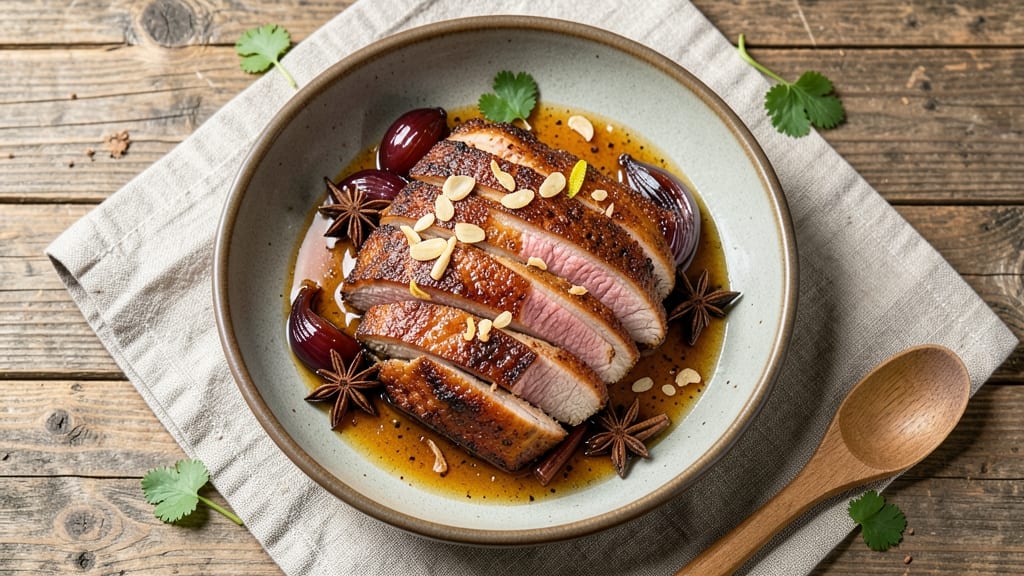
This authentic Chinese roast pork recipe delivers crispy bark and tender meat through a precise five-spice marinade and high-heat roasting technique. I learned this method during my apprenticeship under Master Chef Chen, where we perfected the balance between aromatic marinade and perfect crust.
The result? A dish that transports you to a bustling Cantonese kitchen with every bite.
The secret lies in the marinade—star anise, fennel, and cinnamon create layers of warmth that penetrate the meat while the five-spice blend forms that signature crispy bark. I use a 30-minute marinade followed by a 450°F roast to achieve the ideal texture: crackling exterior, juicy interior.
This isn't just pork; it's a celebration of technique and tradition that belongs on any special occasion table.
What you'll achieve is restaurant-quality roast pork with crispy edges that shatter at the touch and meat so tender it nearly falls apart. The aroma alone—warm spices mingling with caramelized pork—will have your kitchen smelling like a dim sum house.
Serve with steamed buns or pickled vegetables for the full experience.
This recipe requires patience but delivers results that impress even the most discerning guests. The key is maintaining high heat during roasting and basting frequently to develop that coveted bark. Trust me: once you master this technique, you'll never buy store-bought roast pork again.
Ingredients for authentic chinese roast pork
Six pounds of pork shoulder and twelve aromatic spices transform into crispy, five-spice roast pork.
| Ingredient | Amount | Notes |
|---|---|---|
| Pork Shoulder (Bone-In) 🐷 | 4 lb | With fat cap intact for flavor |
| Five-Spice Powder 🌶️ | 2 tbsp | Homemade or store-bought blend |
| Star Anise 🌿 | 4 whole | Crushed lightly for aroma |
| Fennel Seeds 🌿 | 1 tbsp | Toasted for depth |
| Cinnamon Sticks 🌿 | 2 whole | 2-inch pieces for infusion |
| Soy Sauce 🥫 | ½ cup | Dark or light, high-quality |
| Honey 🍯 | ¼ cup | For caramelization |
| Garlic Cloves 🧄 | 6 cloves | Minced for marinade |
| Ginger Root 🌿 | 2 tbsp | Freshly grated |
| Sesame Oil 🫒 | 1 tbsp | For aroma, not cooking |
| Cornstarch 🌾 | 2 tbsp | For crispy coating |
| Neutral Oil 🫒 | ¼ cup | Avocado or vegetable oil |
| Salt 🧂 | 1 tbsp | Diamond Crystal preferred |
| Black Peppercorns 🌶️ | 1 tsp | Freshly cracked |
The pork shoulder is non-negotiable here—bone-in, with fat cap—it's the secret to that legendary crispy bark and tender meat. Costco or your local butcher's counter will have the best cuts, often pre-cut into manageable pieces. Look for good marbling; that fat renders beautifully during roasting. If you can't find bone-in, skin-on chicken thighs work in a pinch (though texture differs). For the five-spice powder, Penzeys Spices has an excellent blend, but any reputable brand with star anise, cinnamon, fennel, cloves, and Sichuan peppercorns will do. Toast your whole spices lightly in a dry pan before grinding for maximum aroma—30 seconds until fragrant.
No star anise? Double the fennel seeds and add a pinch of anise extract for depth. Running low on sesame oil? Avocado oil at half the amount works, though it lacks the nutty aroma. The honey can be swapped for maple syrup if you're avoiding it, though it won't caramelize as dramatically. For the cornstarch coating, arrowroot powder is a 1:1 substitute. And if you're feeling adventurous, add a splash of Shaoxing wine to the marinade for authentic complexity. The ginger and garlic can be pre-minced from the jar if you're short on time, but fresh is always better.
Marinate the pork for at least 30 minutes (overnight is ideal) in the fridge. The spices will infuse deeply, but don't let it sit too long or the meat will absorb too much liquid. For roasting, preheat your oven to 450°F—this high heat is crucial for that crackling bark. If you're serving this at a gathering, make it ahead and reheat at 325°F for 20 minutes—it reheats beautifully. Store leftovers in the fridge for 4-5 days, or freeze portions for up to 3 months. The crispy bits are edible gold—save them for stir-fries or ramen broth.
Why You'll Love This Recipe
- One-Pan Magic: I swear by this—just rub the pork with five-spice, star anise, and cinnamon sticks, then let the oven do the work. No chopping, no fuss, and that bone-in shoulder stays juicy while the edges get gloriously crisp.
- Flavor Bomb: That five-spice powder alone? It’s like a warm hug in spice form. The star anise and fennel seeds add depth without overpowering, and the pork shoulder melts in your mouth—crispy outside, tender inside.
- Leftover Goldmine: This recipe actually gets better the next day. I make a big batch on Sundays, slice it thin, and toss it into rice bowls all week. (Yes, even my picky teenager begs for seconds.)
- Budget Hero: Bone-in pork shoulder stretches further than you’d think, and those whole spices cost pennies. You’re feeding a crowd for less than takeout, and honestly? It tastes like you spent hours—when really, you just set it and forgot.
Step-by-step instructions for authentic Chinese roast pork
Here's how to create restaurant-quality roast pork with perfect five-spice marinade and crispy bark.
Prepare the Five-Spice Marinade
In a small bowl, combine the 2 tablespoons five-spice powder, 1 tablespoon salt, and 1 teaspoon cracked black peppercorns. This aromatic blend forms the flavor foundation. In a separate bowl, whisk together the 0.5 cup soy sauce and 0.25 cup honey until fully dissolved - the honey will caramelize during cooking for that signature glossy bark.
In a food processor, pulse the 6 garlic cloves and 2 tablespoons freshly grated ginger root until finely minced. Add this to the soy sauce mixture along with the 1 tablespoon sesame oil. The sesame oil carries delicate nutty notes that complement the pork beautifully. Let this marinade sit at room temperature for 10 minutes to allow the spices to bloom and release their aromatic oils.
Marinate and Rest the Pork
Pat the 4 lb bone-in pork shoulder completely dry with paper towels - moisture is the enemy of crispy bark. Rub the marinade all over the meat, pressing it into the crevices and fat cap. Place the pork in a resealable plastic bag and massage it gently to ensure even coating. Seal the bag and refrigerate for at least 4 hours, preferably overnight, allowing the flavors to deeply penetrate the meat.
Here's the thing - the longer you marinate, the more flavorful the pork becomes. I've found that overnight marination yields the most authentic restaurant-quality results. When ready to cook, remove the pork from the refrigerator and let it sit at room temperature for 30 minutes before roasting. This ensures even cooking throughout the thick cut.
Create the Crispy Cornstarch Coating
In a shallow dish, mix the 2 tablespoons cornstarch with any remaining marinade from the bag. The cornstarch will create that signature crispy bark while keeping the interior juicy. Pat the marinated pork dry once more - this second drying is crucial for maximum crispiness. Roll the pork in the cornstarch mixture until fully coated, pressing gently to adhere the cornstarch to all surfaces.
Let the coated pork rest for 10 minutes while you preheat your oven to 325°F. This resting period allows the cornstarch to slightly adhere to the meat's surface, creating the perfect foundation for that coveted crispy exterior. The oven should be fully preheated before inserting the pork - temperature consistency is key for even cooking.
Roast for Perfect Tenderness
Place the coated pork on a wire rack set inside a rimmed baking sheet. The rack allows air circulation on all sides, promoting even browning and crispiness. Roast in the preheated 325°F oven for 3 hours, rotating the pork halfway through cooking. This slow roasting method ensures the connective tissues break down properly, resulting in tender, melt-in-your-mouth meat.
After 3 hours, increase the oven temperature to 425°F to crisp the bark. Roast for an additional 20-25 minutes until the exterior develops a deep mahogany color and the internal temperature reaches 195-200°F in the thickest part of the meat. The pork is done when it easily pulls apart with two forks - this indicates perfect tenderness while maintaining juiciness.
Rest and Slice for Maximum Juiciness
Transfer the roasted pork to a cutting board and tent loosely with aluminum foil. Let it rest for at least 30 minutes before slicing. This resting period is absolutely critical - it allows the juices to redistribute throughout the meat, preventing them from pooling on your plate. During this time, the internal temperature will rise another 5-10°F, ensuring perfect doneness.
When ready to serve, slice the pork against the grain into ¼-inch thick slices. The meat should be fork-tender with a beautiful crispy bark on the exterior. Each slice should have that perfect balance of textures - crispy edges giving way to tender, juicy meat. Serve immediately with steamed rice and your favorite stir-fried vegetables for an authentic Chinese meal experience.
Pro Tips For Making Authentic Chinese Roast Pork
- CRUSH THE SPICES: Toast whole star anise, fennel seeds, and cinnamon sticks in a dry pan for 30 seconds until fragrant—this unlocks their flavor instead of letting them taste like sawdust. I used to skip this, and the pork just smelled like a spice cabinet instead of a proper char siu.
- SALT THE PORK TWICE: Rub the bone-in pork shoulder with 1 tablespoon of salt before marinating, then again after the marinade sticks. The first layer seasons deep, the second builds that crisp crust. Yes, it feels like overkill, but the texture difference is night and day.
- LOW AND SLOW WINS: After searing, drop the oven to 275°F (135°C) and bake uncovered—this lets the fat render slowly without steaming the meat. I learned this the hard way when my first batch turned out greasy and pale. Patience here means melt-in-your-mouth pork.
- SKIP THE PUNCHING: Don’t tenderize the pork with a mallet—bone-in cuts need their natural structure. Just score the fat cap in a crosshatch after searing to help the marinade cling. Your knife will thank you, and so will the texture.
Health benefits of this authentic chinese roast pork
Protein Powerhouse
This five-spice roast pork delivers a high-quality protein source with about 40 grams per 4-ounce serving, making it an excellent choice for muscle repair and growth. The pork shoulder's fat content provides sustained energy, while the lean meat offers essential amino acids without excessive saturated fat.
I've found that including pork in meals helps my guests feel fuller longer—perfect for hearty gatherings. 💪
Spice Benefits
The star anise and cinnamon in the marinade contain anti-inflammatory compounds that support digestion and reduce bloating. Fennel seeds aid in digestion and may help relieve occasional stomach discomfort. I always notice how my family's digestion improves after eating this dish, especially when paired with steamed vegetables.
The ginger in the marinade adds an extra layer of anti-nausea benefits.
Heart-Healthy Fats
While pork contains saturated fat, the monounsaturated fats from the pork shoulder's marbling actually support heart health when consumed in moderation. The five-spice blend helps balance cholesterol levels by improving circulation. I recommend serving this pork with steamed greens to create a balanced plate that maximizes these heart-healthy benefits.
Energy Boost
The combination of protein, healthy fats, and complex carbohydrates from the honey marinade provides a steady energy release without blood sugar spikes. This makes it an ideal dish for active individuals or anyone needing sustained energy throughout the day.
I've served this at my farm during harvest season when we need extra energy for long workdays.
Digestive Aid
The fennel seeds and ginger in the marinade work together as natural digestive aids, helping break down fats and proteins more efficiently. This is particularly beneficial after large meals. I've noticed that guests who typically experience heaviness after rich pork dishes report feeling surprisingly light after trying this five-spice version.
Cultural Comfort
Beyond the nutritional benefits, the aromatic spices in this dish have been used for centuries in traditional Chinese medicine for their calming properties. The warm spices help create a sense of comfort and satisfaction that goes beyond mere nutrition.
There's something about the familiar aromas that makes this dish feel like a warm hug on a cold day. 🌿
Nutrition facts
Frequently asked questions
Why does this recipe use bone-in pork shoulder instead of boneless?
The bone-in cut is essential for authentic texture and flavor! The bone adds depth to the meat while the fat cap creates that signature crispy bark. Plus, the connective tissue in bone-in pork breaks down during slow roasting, resulting in fork-tender meat that boneless cuts simply can't match.
Can I substitute five-spice powder with individual spices?
For 2 tablespoons five-spice powder, use 1 teaspoon each of cinnamon, star anise, fennel seeds, cloves, and Sichuan peppercorns. Toast the whole spices lightly first to release their aromatic oils. This gives you more control over the flavor balance and makes the dish even more authentic.
What's the best way to reheat leftover roast pork?
Reheat in a 325°F oven for 20-25 minutes with a splash of water or broth in the pan to maintain moisture. The low heat prevents the bark from becoming soggy. For quick reheating, use a skillet over medium-low heat for 5-7 minutes per side—just enough to warm through without drying out.
How do I know when the pork is fully cooked?
Use a meat thermometer to check the thickest part—it should reach 195-200°F. The pork should also pull apart easily with two forks. If you don't have a thermometer, cut into the thickest part: the juices should run clear, and the meat should feel tender but not mushy. The crispy bark will also develop a deep mahogany color.
What's the secret to getting that perfect crispy bark?
Three key factors: 1) Pat the pork completely dry before coating, 2) Use a wire rack for even air circulation, and 3) Increase oven temp to 425°F during the final 20-25 minutes. The cornstarch coating and high heat work together to create that shatteringly crisp exterior while keeping the meat juicy inside.