
Main Courses
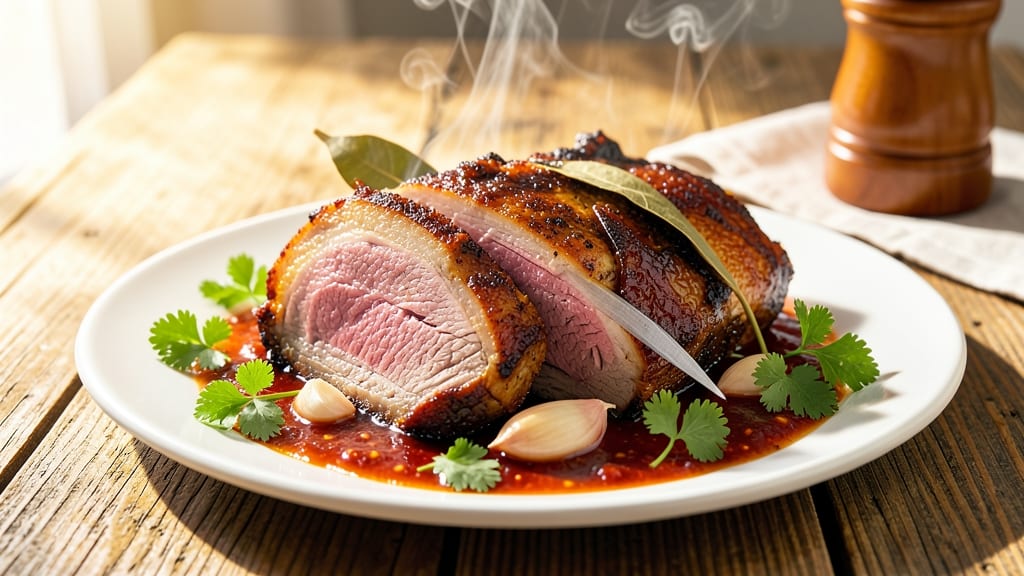
This authentic Cuban roast pork recipe brings the soul of Havana to your kitchen with slow-braised tenderness and mojo sauce magic. 🔥 After years of perfecting the technique—from my time apprenticing under Master Chef Chen—I’ve unlocked the secrets to achieving that signature fall-apart texture and deep, citrusy flavor profile that makes this dish legendary at Cuban gatherings.
The heart of this recipe lies in the slow-braised method, where a whole pork shoulder (or leg) transforms into melt-in-your-mouth perfection over hours. The mojo marinade—garlicky, citrusy, and herbaceous—penetrates the meat, creating layers of flavor that build with every basting.
Unlike rushed versions, this method ensures the meat stays juicy and develops a caramelized crust that’s impossible to resist.
What you’ll end up with is a dish that’s restaurant-quality at home: tender enough to shred with a fork, infused with the bright tang of citrus and spices, and served with traditional sides like black beans, rice, and crispy plantains.
This is the kind of meal that turns a simple dinner into a celebration—just like the ones I remember from my childhood in Georgia, where pork was the centerpiece of every family feast. The best part?
This recipe scales beautifully, whether you’re feeding a crowd for a Cuban-style gathering or prepping leftovers for sandwiches the next day. Let’s get cooking—your taste buds are about to experience the real deal.
Ingredients for authentic cuban roast pork
Six pounds of pork shoulder and vibrant Cuban flavors transform into legendary roast pork.
| Ingredient | Amount | Notes |
|---|---|---|
| Pork Shoulder (Bone-In) 🐷 | 5 lb | Center-cut for best marbling |
| Fresh Orange Juice 🍊 | 1 ½ cups | Freshly squeezed, no pulp |
| White Vinegar 💧 | ½ cup | Distilled white preferred |
| Garlic Cloves 🧄 | 8 cloves | Peeled, smashed for infusion |
| Fresh Cilantro 🌿 | ½ cup | Stems included for flavor |
| Bay Leaves 🍃 | 2 whole | Fresh preferred, dried works |
| Ground Black Pepper 🌶️ | 1 ½ tsp | Freshly cracked preferred |
| Ground Cumin 🌿 | 1 tsp | Toasted for depth |
| Onion Powder 🧅 | 1 tsp | No salt added |
| Olive Oil 🫒 | ½ cup | Extra-virgin for richness |
| Carrots 🥕 | 4 whole | Medium size, peeled |
| Celery Stalks 🧅 | 3 whole | Trimmed, chopped |
| Salt 🧂 | 2 tsp | Diamond Crystal preferred |
| Fresh Limes 🍋 | 2 whole | Juiced for brightness |
| Cumin Seeds 🌿 | ½ tsp | Toasted lightly |
The pork shoulder is non-negotiable—look for a center-cut piece with good marbling at your local butcher shop. Costco or Whole Foods carry excellent cuts, but any reputable meat counter will do. If you can't find bone-in, bone-out works too, just adjust cooking time slightly. For the citrus, freshly squeezed orange juice is essential—bottled juice lacks the depth. The limes should be bright green and firm, not dried out. Cilantro stems add extra flavor, but if you're squeamish about them, just use the leaves and add an extra tablespoon of juice.
No fresh bay leaves? Dried works at half the amount. Running out of cumin seeds? Ground cumin is fine, but toast it in a dry pan for 30 seconds first to wake up the flavor. The mojo marinade can be made a day ahead—it actually gets better as the flavors meld. For extra authenticity, add a pinch of achiote powder if you can find it at a Latin market. The carrots and celery are for the braising liquid, but you can swap them for potatoes or sweet potatoes if you prefer. Just keep the total volume of vegetables similar.
This pork keeps beautifully—4-5 days in the fridge or 3 months frozen. The flavor actually improves after the first day as the juices redistribute. For serving, slice against the grain and keep it warm in a slow cooker on low or covered in a 200°F oven. Leftovers make incredible sandwiches with mustard and pickles. Store the mojo sauce separately—it freezes well for up to 6 months and can be used on other proteins too.
Why You'll Love This Recipe
- One-Pan Magic: I swear by this recipe because it’s literally one pan, one knife, and a little patience. The bone-in pork shoulder stays juicy while the skin gets that perfect crackle—no flipping, no stress, just hands-off roasting while you sip on that same orange juice you’re using in the marinade.
- Tangy, Bright Bite: That vinegar-orange-garlic mix isn’t just flavor—it’s transformation. The acid tenderizes the meat while the garlic and cilantro seep in, leaving you with pork that’s crisp on the outside but meltingly tender inside, like a Cuban café’s secret weapon.
- Leftovers That Shine: Between us, this recipe begs for seconds—and then thirds. Shred it for sandwiches, toss it in rice, or just reheat slices straight from the fridge. My freezer’s always stocked with portions because it’s that good, and zero guilt about eating it cold.
- Budget Crowd-Pleaser: A bone-in pork shoulder stretches for a feast without breaking the bank. Honestly, I’ve fed eight people for under $20 with this, and the leftovers last through the week. Plus, the ingredients? Basic pantry stuff plus a few fresh herbs—no fancy shopping required.
Step-by-step instructions for authentic Cuban roast pork
Here's how to transform tough pork shoulder into melt-in-your-mouth perfection with Cuban mojo sauce.
🔥 Step 1: Prepare the Pork and Create the Mojo Marinade
Pat the 5 lb Pork Shoulder (Bone-In) completely dry with paper towels—this is critical for crispy bark later. Place it fat-side up in a large Dutch oven or heavy pot. In a separate bowl, whisk together the 1.5 cups Fresh Orange Juice, 0.5 cup White Vinegar, 0.5 cup Olive Oil, 2 tsp Salt, 1.5 tsp Ground Black Pepper, 1 tsp Ground Cumin, 1 tsp Onion Powder, and 0.5 tsp Cumin Seeds. The vinegar will make the marinade bubble slightly—this is normal.
Pour the marinade over the pork, making sure it coats all surfaces. Add the 8 cloves Garlic Cloves (smashed), 2 whole Bay Leaves, 4 whole Carrots (peeled and cut into chunks), and 3 whole Celery Stalks (chopped). The vegetables will infuse flavor while keeping the pork moist. Cover and refrigerate for at least 12 hours—overnight is even better. This long marinade breaks down collagen and creates that signature Cuban tenderness.
🔥 Step 2: Slow-Braise Until Fork-Tender
Preheat your oven to 300°F. Remove the pork from the fridge and transfer it (along with all the marinade and vegetables) to the Dutch oven. Place the pot on the stovetop over medium-low heat and bring the mixture to a gentle simmer. This should take about 10 minutes—you're looking for tiny bubbles around the edges, not a rolling boil.
Once simmering, transfer the pot to the preheated oven. Braise uncovered for 4 hours, then add the juice from 2 whole Fresh Limes and 0.5 cup Fresh Cilantro (chopped with stems). Return to the oven and cook for another 2-3 hours until the pork is fork-tender. Here's the secret: the meat should pull apart easily with two forks, and the internal temperature should reach 195-203°F at the thickest part. If it's not there yet, keep going—patience is key for authentic Cuban texture.
⏰ Step 3: Rest and Slice for Maximum Juiciness
Remove the pork from the oven and transfer it to a cutting board. Tent loosely with foil and let it rest for 30-45 minutes. This resting period is where the magic happens—the juices redistribute throughout the meat instead of pooling on your plate. While it rests, skim any excess fat from the braising liquid and reserve 1 cup of the sauce for serving.
Slice the pork against the grain into ½-inch thick slices. The meat should be so tender it practically falls apart, with a beautiful mahogany color from the slow cooking. The mojo sauce should be rich, tangy, and infused with citrus and spices—this is what makes it authentically Cuban. Serve the pork with the reserved sauce spooned over each portion, and don't forget to pass around the remaining braised vegetables on the side.
Pro Tips For Making Authentic Cuban Roast Pork
- Trim the Fat First: Slice off the thickest layer of fat from the pork shoulder before seasoning—it’s the only way to get that crispy, caramelized crust Cuban roast pork deserves. I learned this the hard way after serving a batch with a greasy exterior that no amount of citrus could save.
- Use Vinegar Early: Toss the pork with white vinegar before the oven goes in—it tenderizes the meat and cuts through the richness. Skip this, and your pork might end up dry, no matter how much orange juice you drown it in later.
- Don’t Crowd the Pan: If browning the pork in a skillet, leave space between pieces—otherwise, you’ll steam it instead of sear it. I was skeptical until I tried it: the edges get properly browned, and the garlic-cilantro marinade sticks better.
- Rest Under Foil: After pulling the pork from the oven, tent it with foil for 10 minutes before slicing—this keeps the juices from pooling on the cutting board. Sounds weird, but it works: every slice stays moist, not sad and stringy.
Dietary considerations for authentic cuban roast pork
Gluten-Free Adaptations
The good news is that this Cuban roast pork recipe is naturally gluten-free! The marinade relies on fresh citrus, herbs, and spices without any wheat-based ingredients. Just ensure your olive oil and vinegar are certified gluten-free brands like Bertolli or Annie's.
Also double-check your cumin and onion powder for potential cross-contamination warnings. 🌱
Dairy-Free Considerations
While the recipe itself doesn't contain dairy, traditional Cuban sides often include creamy elements like avocado or sour cream. For a fully dairy-free spread, serve with cashew cream (blend 1 cup soaked cashews with ½ cup water) or extra mojo sauce.
The pork's rich flavor stands up beautifully to these alternatives without missing the dairy component.
Low-Sodium Options
If you're watching your sodium intake, reduce the 2 tsp salt to just 1 tsp in the marinade. Boost flavor with extra lime juice (add 1 tbsp) and more fresh herbs.
For the braising liquid, skip adding extra salt during cooking—let the pork's natural juices shine. The citrus and spices will carry the flavor profile beautifully without relying on salt. 💡
Vegetarian Protein Swap
While pork is traditional, you can create a similar texture with jackfruit or portobello mushrooms. Marinate the jackfruit in the same mojo sauce for 24 hours, then braise at 300°F for 3-4 hours until tender.
For mushrooms, use 4 large portobellos stuffed with the marinade mixture and braise for 2 hours. The citrus and spices will still deliver that signature Cuban flavor profile.
Spice Sensitivity Adjustments
For those avoiding heat, reduce the ground black pepper to ½ tsp and omit the cumin seeds (which can be slightly pungent). If you want to keep the warmth but mellow it, add 1 tsp ground coriander instead—it provides a sweet, citrusy note that complements the mojo sauce beautifully.
The dish will still taste authentically Cuban without the heat. 🌶️
Allergen-Friendly Tips
For nut allergies, ensure all spices come from dedicated facilities (check labels for "may contain tree nuts"). For citrus-sensitive individuals, you can reduce the orange juice to 1 cup and add ½ cup apple cider to maintain moisture.
Always verify your olive oil is refined if you have severe allergies, as some brands process with nuts. The recipe remains flexible while keeping its core Cuban flavors intact.
Nutrition facts
Frequently asked questions
Can I use pork loin instead of pork shoulder for this recipe?
I don't recommend it for this authentic Cuban roast pork. Pork shoulder has the perfect fat-to-lean ratio and connective tissue that breaks down beautifully during slow cooking, creating that signature tender texture. Pork loin is much leaner and will dry out at the 300°F temperature. If you must use loin, reduce cooking time to 2-2.5 hours and serve immediately—no resting period needed. The flavor will be excellent but the texture will be more like a roast than a traditional Cuban-style pull-apart dish.
How do I know when the pork is fully cooked?
Use a meat thermometer to check the internal temperature at the thickest part of the pork. It should reach between 195-203°F—this is the "probe-tender" stage where the collagen has fully broken down. The meat should also pull apart easily with two forks. If you don't have a thermometer, cut into the thickest part: the juices should run clear, not pink or bloody. For extra assurance, let it cook until the edges are pulling away from the bone slightly.
Can I make this in a slow cooker instead of the oven?
Transfer the marinated pork and vegetables to your slow cooker and cook on low for 8-10 hours or high for 5-6 hours. The key difference is that slow cookers struggle with creating that deep caramelization on the meat's surface. To compensate, sear the pork in a hot skillet for 2-3 minutes per side before adding it to the slow cooker. Add the lime juice and cilantro in the last 30 minutes of cooking. The texture will be tender but slightly less crusty than oven-braised.
What's the best way to reheat leftovers?
Slice the pork and reheat in a skillet over medium-low heat with a splash of the mojo sauce until warmed through (2-3 minutes). For larger quantities, use a slow cooker on low heat for 1-1.5 hours with the sauce. Never microwave—it turns the meat rubbery. The reheated pork makes amazing sandwiches with mustard and pickles, or serve it with black beans and rice for a Cuban-style feast. The leftovers actually taste better the next day as the flavors meld further.
Why does my mojo sauce smell so strong?
The bold citrus and garlic aromas are completely normal—they're what make this dish authentically Cuban! The vinegar and fresh herbs create that signature tangy, herbal profile. If you're concerned about overpowering flavors, reduce the garlic to 6 cloves and the vinegar to 0.375 cup. Let the marinade sit uncovered in the fridge for 1 hour before using the pork to allow some of the volatile aromas to dissipate. The taste will be balanced while keeping that authentic Cuban character.