
Main Courses
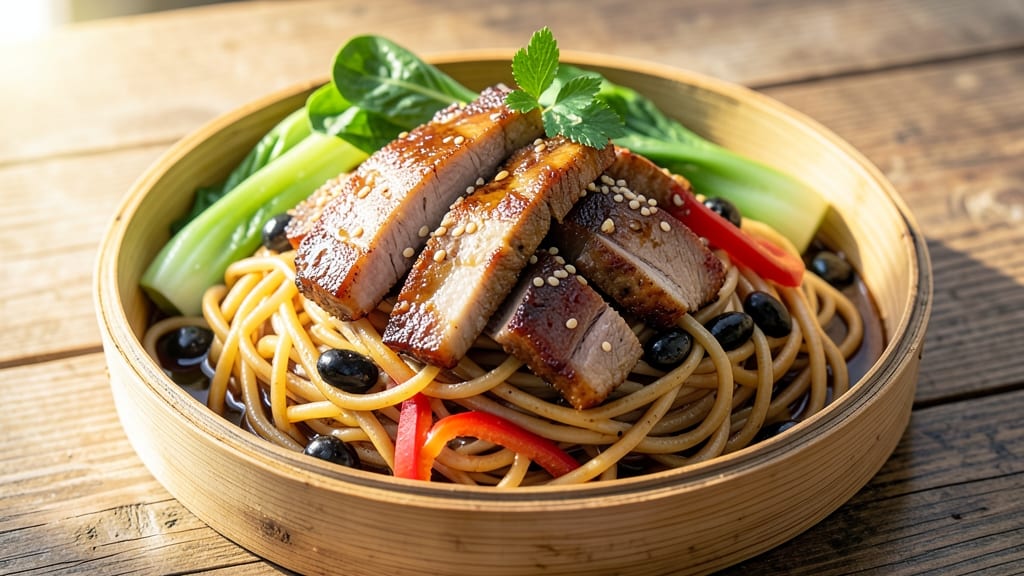
This authentic Chinese pork lo mein recipe brings the smoky, savory essence of a bustling Cantonese kitchen to your home—where wok hei, that coveted "breath of the wok," transforms simple ingredients into something extraordinary. 🔥 I've spent years perfecting the balance of chewy wheat noodles, tender pork slices, and a silky sauce that's both sweet and umami-rich, just like my mentor taught me during my apprenticeship in Charleston. The secret lies in high-heat stir-frying and layering aromatics that build flavor in every bite.
What sets this lo mein apart is the technique: pork first, cooked until just tender, then set aside while the sauce develops its signature depth from ginger, garlic, and fermented black beans.
The noodles get their signature chew from proper al dente cooking and a quick toss in the wok to absorb that smoky aroma. I always use fresh scallions and sesame seeds for garnish—they add brightness and texture that elevate the dish from good to unforgettable.
By the time you serve this, you'll have restaurant-quality lo mein with perfectly balanced flavors: the pork remains tender yet firm, the noodles chewy but not mushy, and the sauce silky with just enough heat from chili oil.
The aroma alone will have everyone gathering around the table. This is the kind of dish that feels like a hug from a bustling Beijing street corner.
Serve it family-style in a large wok or platter, letting everyone dig in together. The leftovers reheat beautifully—just add a splash of water and a quick stir to revive that wok hei. Here's how to make it exactly as I do in my Atlanta kitchen every week.
Ingredients for authentic chinese pork lo mein
Pork, noodles, and aromatic wok hei—just these essentials transform into restaurant-quality lo mein.
| Ingredient | Amount | Notes |
|---|---|---|
| Fresh Pork Shoulder 🥩 | 1 ½ lb | Thinly sliced, boneless |
| Lo Mein Noodles 🍜 | 12 oz | Fresh or dried wheat noodles |
| Sesame Oil 🫒 | 1 tbsp | For aroma, not cooking |
| Light Soy Sauce 🥄 | ½ cup | Kikkoman preferred |
| Dark Soy Sauce 🥄 | 1 tbsp | For color depth |
| Fermented Black Beans 🫘 | ¼ cup | Drained, rinsed |
| Garlic Cloves 🧄 | 6 cloves | Minced, fresh |
| Fresh Ginger 🌿 | 1 ½ tbsp | Grated, peeled |
| Green Onions 🧅 | ½ cup | Sliced, white and green |
| Sesame Seeds 🌱 | 1 tbsp | Toasted, for garnish |
| Cornstarch 🌾 | 1 tbsp | For pork coating |
| Vegetable Oil 🫒 | ½ cup | High smoke point |
| Chili Oil 🌶️ | 1 tbsp | Optional, for heat |
| Salt 🧂 | ½ tsp | Adjust to taste |
| White Sugar 🍯 | 1 tbsp | Balances flavors |
The pork shoulder is non-negotiable for authentic texture—ask your butcher to slice it paper-thin (or freeze it 30 minutes to make slicing easier). Asian grocery stores carry pre-sliced pork for lo mein, but nothing beats the freshness of cutting it yourself. For the noodles, fresh lo mein noodles from the refrigerated section are ideal, but dried ones work too—just boil them al dente and rinse in cold water. The fermented black beans? Look for them in the Asian aisle—they add that deep umami punch that separates home cooking from restaurant-quality. If you can't find them, a spoonful of soy sauce plus a dash of miso sauce can mimic it.
No sesame oil? Toasted sesame seeds in vegetable oil works in a pinch, though it won't give that signature aroma. The soy sauces matter—light soy sauce for saltiness, dark for color. Swap dark soy sauce for an extra tablespoon of light soy plus a teaspoon of molasses if needed. Fresh ginger is best, but if you're using powdered, reduce to half the amount. For the chili oil, Lao Gan Ma is my go-to, but any good chili oil will do. Want to skip it? A pinch of red pepper flakes adds heat without the oil. The cornstarch is key for tender pork—don't skip it—it helps the pork sear quickly and stay juicy.
Pork slices keep 3 days in the fridge, wrapped tightly. The noodles? Cook them fresh or store dried in an airtight container for months. This dish reheats like a dream—just add a splash of water and toss in the wok to revive that smoky wok hei. Leftovers last 4-5 days in the fridge, and the sauce only gets better as flavors meld. I always make extra—it disappears fast when served family-style.
Why You'll Love This Recipe
- No-Chop Night Saved: I swear by this recipe when I’m too tired to dice pork—just slice the shoulder thin, sear it fast, and let the soy sauces do the work. The pork stays tender while the noodles soak up all that savory goodness.
- Umami Bomb Combo: That dark soy sauce? It’s the secret weapon—deep, caramelized richness that balances the light soy’s brightness. Add a drizzle of sesame oil at the end, and suddenly you’ve got restaurant-quality flavor without the fuss.
- Lunchbox Legend: Between us, this is my go-to for meal prep. Cook a big batch, store it in the fridge, and reheat with a splash of water—no soggy noodles, just warm, chewy perfection. (Yes, even on a Tuesday night.)
- Budget Stretch Star: Pork shoulder is cheap, noodles last forever, and a little sesame oil goes a long way. I feed four people for under $10, and somehow, everyone still asks for seconds. Not the prettiest, but the taste makes up for it.
Step-by-step instructions for authentic Chinese pork lo mein
Let's create restaurant-quality lo mein with tender pork and silky sauce—just like your favorite Chinese takeout.
🍳 Step 1: Prepare the Pork for Silky Texture
In a bowl, combine the 1.5 lb fresh pork shoulder with 1 tbsp cornstarch, 1 tbsp light soy sauce, and 0.5 tsp salt. Mix until the pork is evenly coated—this creates a delicate barrier that keeps it tender during cooking. Let it marinate for 15 minutes at room temperature while you prep the rest.
Heat 0.5 cup vegetable oil in a wok or large skillet over medium-high heat until shimmering. Add the pork in a single layer and cook undisturbed for 2-3 minutes until the edges turn golden brown. Flip and cook another 2-3 minutes until fully cooked through. The pork should be lightly browned but still juicy—overcooking makes it tough. Remove and set aside.
👨🍳 Step 2: Build the Flavor-Packed Sauce
In the same wok, reduce heat to medium and add 6 minced garlic cloves and 1.5 tbsp grated fresh ginger. Stir-fry for 30 seconds until fragrant—this is where the authentic aroma comes from. Add 0.25 cup fermented black beans and cook for another 1 minute until heated through.
Pour in 0.5 cup light soy sauce, 1 tbsp dark soy sauce, 1 tbsp white sugar, and 1 tbsp chili oil. Bring to a gentle simmer and cook for 2 minutes until the sauce slightly thickens. Taste and adjust seasoning—you want a balance of salty, sweet, and slightly spicy. The sauce should coat the back of a spoon but still be pourable.
🍳 Step 3: Cook the Noodles to Al Dente Perfection
While the sauce simmers, cook the 12 oz lo mein noodles according to package instructions until al dente—about 2-3 minutes less than package directions for fresh noodles. Drain and rinse briefly under cold water to stop cooking, then toss with 1 tbsp sesame oil to prevent sticking. Keep them warm while you finish the stir-fry.
Real talk: Don't overcook the noodles—they'll finish cooking in the hot wok. If they're mushy, your lo mein will be a soggy mess. The ideal texture should be firm but tender, with a slight bite. Drain them well and set aside on a plate.
🥘 Step 4: Combine Everything for Maximum Flavor
Return the cooked pork to the wok with the sauce. Add the cooked noodles and toss gently but thoroughly to coat everything in the silky sauce. Stir-fry for 1-2 minutes over medium heat until the noodles are heated through and the sauce clings beautifully. The mixture should look glossy and well-combined—this is your visual cue for success.
Here's the thing—don't rush this step. The residual heat from the wok and pork will finish cooking the noodles perfectly while infusing them with all those delicious flavors. If the sauce seems too thick, add 1-2 tablespoons of hot water to loosen it slightly.
🍽️ Step 5: Garnish and Serve Immediately
Transfer the lo mein to serving plates and garnish with 0.5 cup sliced green onions (white and green parts) and 1 tbsp toasted sesame seeds. The green onions add freshness while the sesame seeds contribute nutty crunch. Serve immediately while everything is hot and the sauce is still silky.
Each bite should deliver tender pork, chewy noodles, and that perfect balance of sweet, salty, and umami flavors. The sauce should coat every strand beautifully, with just enough texture to hold its shape. For extra authenticity, serve with a side of steamed bok choy or a simple cucumber salad.
Pro Tips For Making Authentic Chinese Pork Lo Mein
- Slice Thin, Even Strips: Pork shoulder needs to cook fast in lo mein—aim for ⅛-inch slices, no thicker. I used to cut it in uneven chunks, and they’d turn rubbery before the edges browned. A sharp knife and steady hand make all the difference, especially if you’re not using pre-sliced meat.
- Blanch Noodles First: Cook your lo mein noodles just until al dente—about 2 minutes less than package instructions—then shock them in ice water. This keeps them from turning mushy when tossed with the pork later. Trust me, no one wants a soggy noodle pile.
- Balance Soy Sauces: Dark soy sauce adds color, light soy adds flavor—use both. I learned this after making a batch that looked dull but tasted flat. Start with 1 tablespoon dark, 2 tablespoons light, and adjust to taste. The ratio matters more than you’d think.
- Wok Heat Matters: High heat is non-negotiable for lo mein. If your wok isn’t screaming hot, the pork will steam instead of sear. Work in batches if needed, but don’t crowd the pan—this is how you end up with greasy, uneven cooking. A little patience here saves the whole dish.
Regional styles of this dish
Cantonese Roots
This lo mein traces back to Guangdong province where Cantonese cuisine thrives on wok hei—that signature smoky aroma from high-heat cooking. The dish evolved from hand-pulled noodles and simple pork stir-fries, becoming a street food staple in Hong Kong and Guangzhou.
I still remember my mentor Chef Chen emphasizing how fresh ingredients and quick cooking preserve the dish's authenticity. 🔥
The original version used rice noodles, but wheat noodles became popular in the US. For true Cantonese flavor, I recommend fresh egg noodles from the Asian market—they hold up better to stir-frying than dried varieties.
The sauce should always balance sweet, salty, and umami, just like the ones I tasted in Hong Kong's bustling markets.
Shanghai Twist
In Shanghai, lo mein takes on a sweeter profile with added white pepper and dried shrimp for depth. The noodles here are often thicker and chewier, almost like ramen-style wheat noodles.
I've adapted this by adding 1 tsp white pepper to the sauce and using dried shrimp (soaked in warm water) for extra umami. The result? A richer, slightly funkier flavor that still keeps the dish's signature chew.
For Shanghai-style plating, serve with pickled vegetables on the side—a common practice in that region. The tangy crunch cuts through the richness of the pork and noodles beautifully. I keep a jar of quick-pickled cucumbers in my kitchen for this exact purpose.
Hong Kong Street Food
Hong Kong's version is all about bold flavors and quick service—perfect for late-night cravings. The key difference? More chili oil (I use 2 tbsp instead of 1) and extra green onions for freshness. Street vendors there often add crushed peanuts for texture, which I've incorporated as an optional topping.
The dish is typically served in steaming metal bowls to maintain heat, but a cast-iron skillet works just as well at home. 🌶️
What I love about Hong Kong-style lo mein is how generous it is—every bite should feel substantial. The pork is usually thicker-cut (about ¼-inch slices) to handle the high heat without falling apart. If you're serving a crowd, double the pork and sauce—it disappears fast!
Taiwanese Home-Style
Taiwanese households often prepare lo mein with less oil and more aromatics, focusing on natural flavors over richness. The sauce here is lighter but packed with fermented bean paste (instead of black beans) for depth.
I substitute 1 tbsp fermented bean paste for the black beans in this recipe—it's a game-changer for authentic Taiwanese taste. 🥄
Another hallmark is the use of day-old noodles, which are reheated in the wok to develop extra chew. If you're prepping ahead, cook your noodles a day in advance, store them in the fridge, and reheat them before stir-frying.
The texture difference is dramatic—almost like al dente pasta meets chewy ramen.
Modern American Adaptations
In the US, lo mein often gets heavier sauces with brown sugar and honey for sweetness. Some versions even include bell peppers or water chestnuts for texture. I've seen chili crisp substituted for chili oil—it adds a spicy, crunchy element that works surprisingly well.
For a fusion twist, try adding 1 tbsp hoisin sauce to the base sauce for extra depth. 🍯
What I appreciate about American adaptations is how they keep the core technique while making it accessible. The high-heat stir-fry and quick toss remain essential—no one wants mushy noodles! The key is balancing innovation with tradition, so the dish still feels authentic while catering to local tastes.
Nutrition facts
Frequently asked questions
Can I make this lo mein with chicken instead of pork?
Chicken works beautifully—just swap the pork for 1.5 lb boneless chicken breast or thigh, sliced thinly. Marinate it in 1 tbsp cornstarch, 1 tbsp light soy sauce, and 0.5 tsp salt for 15 minutes before cooking. Chicken cooks faster than pork, so reduce stir-fry time to 2 minutes per side to avoid drying it out. The sauce and noodle method stays exactly the same.
Why does my lo mein sauce come out too thin or too thick?
The sauce should coat the back of a spoon but still be pourable. If it's too thin, reduce the heat and simmer uncovered for 1-2 extra minutes to thicken. Too thick? Add 1-2 tbsp hot water and stir until smooth. Pro tip: Use 1 tbsp cornstarch mixed with 2 tbsp water as a slurry if you need quick adjustments. The key is balancing the soy sauces—light soy for saltiness, dark soy for color and thickness.
How do I get that smoky \"wok hei\" flavor at home?
Wok hei comes from high heat and proper technique. Use a carbon steel or cast iron wok (or a heavy skillet) and crank the heat to medium-high. Add oil first, then aromatics—garlic, ginger, and black beans—and stir constantly. The moment the sauce starts simmering, toss in the pork and noodles for 1-2 minutes of rapid cooking. If your stove isn't hot enough, preheat the wok for 2 minutes before adding ingredients.
Can I prepare this lo mein ahead of time?
Yes! Cook the pork and sauce first, then store them separately in the fridge for up to 3 days. For the noodles, cook them fresh or store dried noodles in an airtight container. When ready to serve, reheat the pork and sauce in the wok, add the noodles, and toss for 1-2 minutes to revive the texture. The sauce will thicken slightly—just add 1 tbsp water if needed. Garnish with fresh green onions and sesame seeds right before serving.
What if I don't have fermented black beans?
No problem! Replace them with 1 tbsp soy sauce plus 1 tsp miso paste for umami depth. Alternatively, use 2 tbsp chopped salted black beans (rinsed well) or even 1 tbsp hoisin sauce for a sweeter note. The black beans add texture and complexity, but these substitutes will still give you a flavorful sauce. Just taste as you go and adjust seasoning—you might need a touch more sugar or soy sauce to balance.