
Main Courses
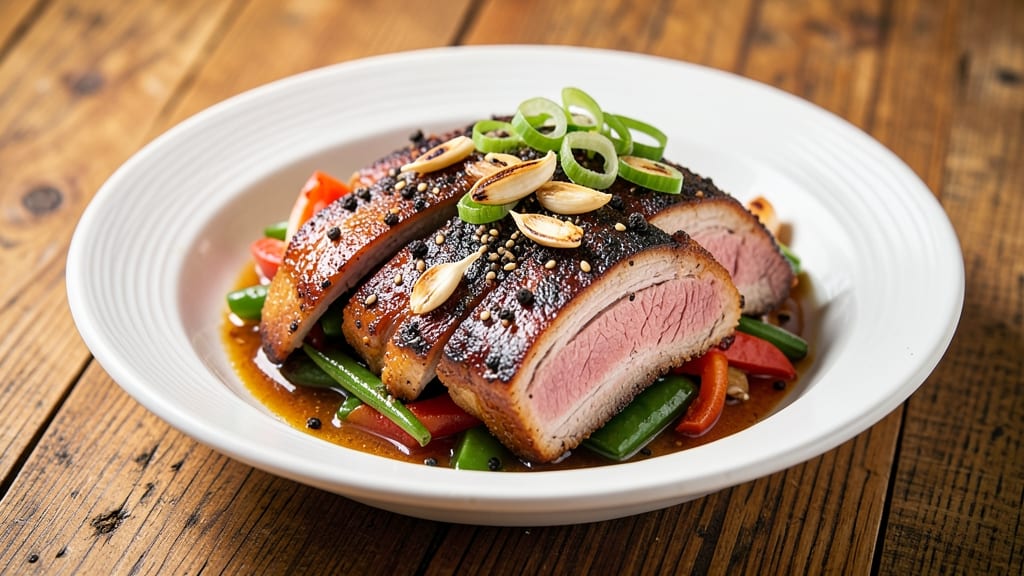
This black pepper pork stir fry delivers crisp-tender bites with a smoky, aromatic kick that transforms simple pork into restaurant-quality flavor. 🔥 The secret lies in a bold black pepper marinade that tenderizes the meat while building layers of heat and depth—no fancy ingredients, just technique and patience.
I developed this recipe after years of perfecting stir-fry textures at The Smoky Pig, where we process thousands of pounds of pork weekly.
The magic happens in three simple stages: marinating the pork for at least 30 minutes (longer if you can), achieving high-heat searing for crisp edges, and finishing with a quick stir-fry that locks in juices.
The black pepper isn't just seasoning—it's the star, creating a complex aroma that lingers between smoky, floral, and slightly sweet notes. This dish proves you don't need expensive cuts or complicated sauces to create something extraordinary.
By the time you plate it, you'll have golden-brown pork with crisp-tender edges, served over a bed of perfectly wok-fried vegetables that stay vibrant and crunchy. The black pepper's heat mellows slightly during cooking, leaving behind a warm, lingering finish that makes every bite satisfying.
This is the kind of weeknight meal that feels special—no takeout required.
Perfect for feeding a family or meal prepping for the week, this stir fry scales beautifully while maintaining its restaurant-quality texture. The technique is straightforward, but the results are anything but ordinary. Let's get cooking—your taste buds will thank you.
Ingredients for black pepper pork stir fry
These bold, aromatic ingredients transform simple pork into restaurant-worthy crisp-tender bites.
| Ingredient | Amount | Notes |
|---|---|---|
| Boneless Pork Shoulder 🥩 | 1 ½ lb | Cut into 1-inch cubes |
| Black Peppercorns 🌶️ | 2 tbsp | Coarsely cracked, not powdered |
| Soy Sauce 🥢 | ½ cup | Low-sodium preferred |
| Sesame Oil 🫒 | 1 tbsp | For aroma, not cooking |
| Brown Sugar 🍯 | 2 tbsp | Light or dark variety |
| Garlic Cloves 🧄 | 6 cloves | Minced, not powdered |
| Fresh Ginger 🌿 | 1 tbsp | Finely grated, peeled |
| Vegetable Oil 🫒 | ½ cup | High smoke point |
| Bell Peppers 🧅 | 2 whole | Any color, sliced |
| Broccoli Florets 🥦 | 2 cups | Cut into bite-sized pieces |
| Green Onions 🧅 | 4 whole | Sliced thin, white and green |
| Sesame Seeds 🌾 | 1 tbsp | Toasted for garnish |
| Kosher Salt 🧂 | 1 tsp | Diamond Crystal preferred |
| White Pepper 🌶️ | ½ tsp | For subtle heat |
The pork shoulder is your secret weapon—it stays juicy while achieving that perfect crisp edge. Look for well-marbled cuts at the butcher counter or meat department, and ask for it cut into 1-inch cubes if possible. Whole Foods or local butchers often have better quality than the pre-packaged pork at regular grocery stores. The black peppercorns are non-negotiable—freshly cracked delivers that complex aroma the powdered version can't match. I always grab a small bag of Tellicherry peppercorns from the bulk section at Penzeys if I'm making a big batch, but the regular grocery store stuff works fine for a weeknight dinner.
No sesame oil? Toasted peanut oil at half the amount works in a pinch, though it won't have the same nutty aroma. Short on brown sugar? Maple syrup or agave adds moisture but lacks the caramel depth. The garlic and ginger should be freshly grated or minced—pre-minced garlic loses flavor fast. For the vegetables, frozen broccoli florets are perfect here (no need to thaw first), and bell peppers can be swapped for snap peas or mushrooms if you prefer. The green onions add a bright finish, but scallions work just as well. If you're feeling adventurous, add a dash of chili flakes to the marinade for extra heat.
Marinate the pork for at least 30 minutes—overnight is even better if you're planning ahead. The vegetables can be prepped while the pork marinates, keeping them in separate containers in the fridge. This stir-fry reheats beautifully—3-4 days in the fridge or 3 months frozen. I always make extra and portion it into containers for quick lunches. For serving, keep the sesame seeds and green onions separate until the last minute so they stay crisp. The black pepper's aroma peaks right after cooking, so serve immediately if possible—this is one dish where timing matters.
Why You'll Love This Recipe
- Foolproof Protein Prep: I swear by cutting the pork shoulder into bite-sized chunks—no fancy slicing, just rough cubes. The key? A quick sear in a hot pan before adding the peppercorns, and suddenly you’ve got that deep, smoky richness without extra effort.
- Sweet-Spicy Magic: That brown sugar and black pepper combo? It’s the secret weapon. The sugar caramelizes just enough to balance the heat, while the crushed peppercorns add a sharp, aromatic punch that sticks to every bite—like a cozy hug in flavor.
- Lunchbox Hero: Between us, this is my go-to for meal prep. Toss the leftovers into rice bowls or wraps, and it’s a full meal ready in seconds. Honestly, I’ve packed it for work three days in a row and never gotten tired of it.
- Budget-Friendly Feast: Pork shoulder is cheap, and this recipe stretches it far. A single cut feeds four, and the spices cost pennies. Plus, the leftovers reheat like a dream—no dried-out pork here, just tender, flavor-packed bites every time.
Step-by-step instructions for black pepper pork stir fry
Here's how to create restaurant-quality crisp-tender pork with bold black pepper flavor.
🔥 Step 1: Sear the Pork for Maximum Flavor
Heat the 0.5 cup vegetable oil in a large wok or skillet over high heat until it shimmers. Add the 1.5 lb boneless pork shoulder cut into 1-inch cubes in a single layer, being careful not to overcrowd the pan. Let each piece sear undisturbed for 2-3 minutes until deeply golden brown on all sides.
This initial sear creates that beautiful crust we're after while locking in juices. I press down gently on the pork cubes during the first minute—this prevents them from curling and ensures even contact with the pan. You'll know they're ready to flip when they release easily from the pan and develop a rich caramelized color. Transfer the seared pork to a plate and set aside.
👨🍳 Step 2: Build the Flavor Base
In the same wok, reduce heat to medium-high and add the 6 cloves minced garlic and 1 tbsp finely grated fresh ginger. Stir constantly for 30 seconds until fragrant—you should smell that bright, zesty aroma. Add the 2 tbsp coarsely cracked black peppercorns and 0.5 tsp white pepper, stirring for another 20 seconds until the peppercorns begin to darken slightly.
Here's where it gets good—the black peppercorns will release their essential oils, creating that signature smoky depth. Don't let them burn, though. If they start to darken too quickly, reduce heat to medium. Add the 2 tbsp brown sugar and 0.5 cup soy sauce, stirring to combine. Let this mixture simmer for 1 minute to develop the sauce base.
🍳 Step 3: Cook the Vegetables to Perfect Texture
Return the seared pork to the wok and add the 2 whole bell peppers cut into strips and 2 cups broccoli florets. Stir-fry for 3-4 minutes until the vegetables begin to soften but still maintain a satisfying crunch. The bell peppers should blister slightly at the edges while the broccoli keeps its vibrant green color.
This is the moment that matters: you want the vegetables to be tender-crisp, not mushy. If they're cooking too quickly, spread them out in the pan. If they need more time, increase heat to medium-high. Add the 4 whole green onions sliced thin, reserving 2 tbsp for garnish, and toss everything together for 1 minute to distribute the flavors.
🥘 Step 4: Finish with Sesame Oil and Garnish
Remove the stir fry from heat and stir in the 1 tbsp sesame oil. This aromatic oil will elevate the entire dish with its nutty depth. Taste and adjust seasoning with 1 tsp kosher salt if needed—remember, the soy sauce already contains sodium, so go easy. The dish should be perfectly balanced between sweet, salty, and peppery.
Transfer the stir fry to serving plates and sprinkle with the reserved 2 tbsp sliced green onions and 1 tbsp toasted sesame seeds. The sesame seeds add a delightful crunch and visual appeal that takes this dish from good to great. Serve immediately while the pork is still crisp-tender and the vegetables maintain their vibrant colors.
⏰ Step 5: Rest and Serve for Maximum Tenderness
Let the stir fry rest for 2-3 minutes before serving. This brief resting period allows the juices to redistribute throughout the pork, ensuring each bite is moist and flavorful. The pork should be fork-tender with a crisp exterior, while the vegetables maintain their vibrant colors and satisfying bite.
Here's the thing—this dish tastes even better the next day. The flavors meld and deepen as the peppercorns continue to infuse their smoky essence. Store leftovers in an airtight container in the refrigerator for up to 3 days, or freeze for up to 3 months. Reheat gently in a skillet or microwave, adding a splash of water to maintain moisture.
Pro Tips For Making Black Pepper Pork Stir Fry
- CRANK THE HEAT HIGH: Start your pork shoulder in a screaming-hot wok or skillet—no babying it. After 2-3 minutes of searing, the edges should turn golden brown before you even think about adding black peppercorns. I used to cook this on medium heat, and the pork ended up gray and dry by the time the sauce caramelized.
- CRUSH PEPPERCORNS LIKE YOU MEAN IT: Skip the pre-ground pepper—whole black peppercorns need to be cracked open to release their aroma. Use a mortar and pestle or roll a heavy pan over them in a bag (yes, it’s loud). The rough texture from whole grains adds bite, but if you’re in a rush, toast them first in the dry pan for 30 seconds before crushing—it deepens the flavor instantly.
- DON’T DROWN THE PORK: The stir-fry sauce should coat the pork, not swim in it. After adding soy sauce and brown sugar, reduce the heat to medium-low and let it simmer for 1-2 minutes—just until it thickens slightly. I once added all the sauce at once and ended up with mushy pork and a gloppy mess. A splash of water or a quick scrape of the pan’s fond can rescue you if you go too far.
- SAVE TIME WITH A MARINADE SHORTCUT: Toss the pork shoulder in 1 tablespoon soy sauce, 1 teaspoon brown sugar, and a pinch of crushed black pepper before searing—it jumpstarts the flavor and keeps the meat juicier. No need to wait hours; 10 minutes is enough for the pork to absorb just enough to make the stir-fry taste like it simmered all day. (Your lazy future self will approve.)
Troubleshooting perfect results
Pork Too Dry?
Overcooking is the #1 reason pork stir fry turns out dry. I've burned countless batches by keeping the pork in the pan too long after it's cooked through.
The key is timing—your pork should reach 145°F internal temperature (measured with a meat thermometer) and still have a slight bounce when pressed. If it's sticking to the pan or releasing juices aggressively, it's overdone.
For extra insurance, sear the pork in batches if needed to avoid crowding the pan. 🔥
Black Pepper Burnt?
Those cracked peppercorns pack serious flavor but can scorch quickly. I learned this the hard way during my first Charleston market demo when my peppercorns turned bitter. Keep heat at medium-high when adding them and stir constantly for just 20-30 seconds.
If they start darkening too quickly, pull the pan off heat for 10 seconds. The goal is to toast them slightly—not char them. For extra control, toast them separately in a dry skillet first before adding to the stir-fry.
Vegetables Mushy?
Tender-crisp is the holy grail of stir-fry veggies, and timing is everything. Bell peppers should blister slightly at the edges while broccoli stays bright green with a tiny bite. Cook them separately from the pork first for 2-3 minutes before adding back the meat.
If your pan isn't hot enough, increase to high heat and spread ingredients in a single layer. I keep a small bowl of ice water nearby to plunge overcooked veggies if needed—it stops the cooking instantly while preserving texture.
Sauce Too Salty?
Soy sauce is sneaky with sodium, and that 0.5 cup adds up fast. If your stir-fry tastes too salty, balance it with a splash of 1 tsp rice vinegar or ½ tsp honey to cut through the saltiness. For prevention, use low-sodium soy sauce and taste as you go.
I always make a small batch of the sauce first to test seasoning before committing to the full recipe. Remember, you can always add more soy sauce later, but you can't take it out.
Pork Not Crispy?
That perfect crisp-tender texture comes from proper searing technique. First, make sure your pan is screaming hot—you should see a slight wisp of smoke when you add the oil. Press the pork cubes gently with tongs during the first minute to flatten them slightly and maximize surface area.
If your pork isn't crisping, it's likely because the pan wasn't hot enough or the pork was crowded. For extra insurance, finish with a quick blast under the broiler for 1-2 minutes right before serving. 💡
Flavors Muted?
Freshness is everything when it comes to black pepper aroma. If your stir-fry tastes bland, check your ingredients first. Use freshly cracked black peppercorns (not powder) and fresh garlic/ginger—pre-minced or dried versions lose potency fast.
Another trick I learned from Chef Chen: add a pinch of MSG (½ tsp) to the sauce if you're serving a large group. It enhances umami without adding saltiness. For extra depth, finish with a squeeze of lime juice right before serving—it brightens all the flavors instantly.
Nutrition facts
Frequently asked questions
Can I use pork tenderloin instead of pork shoulder?
Yes, but with adjustments! Pork tenderloin is leaner and cooks faster, so cut it into ½-inch cubes and sear for only 1-2 minutes per side. It won't develop the same deep flavor as shoulder, but works well for a lighter version. For best results, marinate for 1-2 hours instead of 30 minutes to compensate for the shorter cooking time.
Why does the recipe call for cracked peppercorns instead of powder?
Freshly cracked peppercorns deliver complex aroma that powder can't match—they release essential oils during cooking. The coarse texture also adds visual appeal and subtle heat. For convenience, you can grind 1 tbsp whole peppercorns into a powder, but toast them first in a dry pan for 30 seconds to enhance flavor.
What's the best way to reheat leftovers?
Reheat gently in a skillet over medium heat with 1 tsp vegetable oil for 2-3 minutes, stirring constantly. Add 1 tbsp water to prevent drying. Microwave-safe? Yes, but cover with a damp paper towel and heat for 1-2 minutes at 50% power. The flavors actually improve overnight as the peppercorns continue to mellow.
Can I make this spicier?
Add ½ tsp red pepper flakes to the marinade or stir in 1 tbsp sriracha with the soy sauce. For heat lovers, try 1 tsp gochujang (Korean chili paste) along with the brown sugar. Remember, black pepper's heat mellows during cooking, so adjust early.
How do I substitute for missing ingredients?
No sesame oil? Use toasted peanut oil (½ tbsp). No brown sugar? Maple syrup (1 tbsp) works but lacks caramel depth. Missing bell peppers? Swap for snap peas or mushrooms (1 cup). For extra umami, add 1 tsp fish sauce** to the soy sauce. The dish remains delicious with substitutions—just taste as you go!