
Main Courses
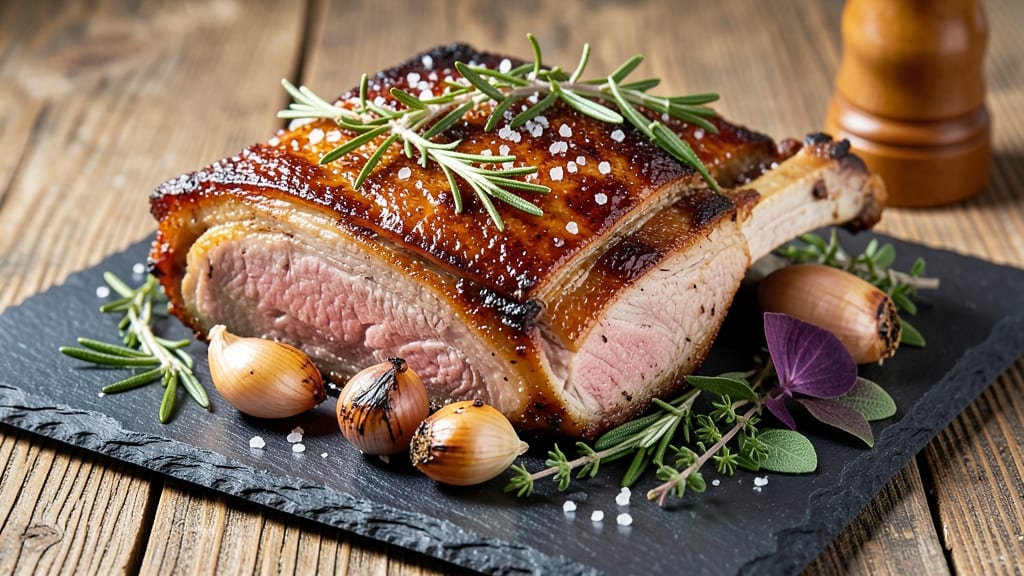
This bone-in pork rib end roast recipe delivers the kind of restaurant-quality results that make your kitchen smell like a Southern Sunday dinner. 🌟 The secret lies in the herb crust and precise cooking method that ensures tender, juicy pink centers—just like my grandmother used to make, but with modern techniques. I've been perfecting this recipe for years, and it's the one I reach for when I need a showstopping centerpiece that feels special without being complicated.
The key to success starts with a simple yet effective preparation: a dry brine that keeps the meat moist, and a herb crust that adds depth and texture. Cooking it bone-in ensures maximum flavor infusion, while the low-and-slow method in the oven creates that perfect balance of tenderness and juiciness.
This isn't just a roast—it's a centerpiece that transforms any meal into an occasion.
By the time you carve into this roast, you'll find perfectly pink centers that practically melt in your mouth, surrounded by a flavorful crust that's aromatic and slightly crisp. The bone adds richness to the meat, and the herb crust elevates it to something truly special.
This is the kind of dish that makes people ask for seconds—and thirds.
Serve it with classic sides like roasted potatoes, gravy, or seasonal vegetables to complete the meal. The leftovers reheat beautifully, making this recipe perfect for feeding a crowd or preparing ahead for a busy week. Let's get started on creating a roast that will impress everyone at your table.
Ingredients for bone in pork rib end roast
Six ingredients transform a simple pork roast into a showstopping centerpiece with juicy pink centers.
| Ingredient | Amount | Notes |
|---|---|---|
| Bone-In Pork Rib End Roast 🥓 | 5 lb | With fat cap intact for flavor |
| Kosher Salt 🧂 | 1 ½ tbsp | Diamond Crystal preferred |
| Fresh Rosemary 🌿 | ½ cup | Chopped, stems removed |
| Fresh Thyme 🌿 | ¼ cup | Leaves only, finely chopped |
| Fresh Sage 🌿 | ¼ cup | Leaves only, chopped |
| Garlic Cloves 🧄 | 6 cloves | Minced for herb crust |
| Extra-Virgin Olive Oil 🫒 | 2 tbsp | For herb crust |
| Black Peppercorns 🌶️ | 1 tsp | Freshly cracked |
| All-Purpose Flour 🌾 | 2 tbsp | For herb crust |
| Unsalted Butter 🧈 | ½ cup | Cold, cubed for basting |
| Apple Cider Vinegar 🍎 | 2 tbsp | For dry brine |
| Fresh Parsley 🌿 | ⅛ cup | Chopped, for garnish |
The pork cut matters most here—rib end delivers that perfect marbling for flavor and tenderness. Grab the bone-in version from Whole Foods or your local butcher for the best quality. Look for a roast with a good fat cap (that's where the flavor hides!) and vibrant color. I always ask for it to be trimmed of excess silver skin, but don't stress if yours isn't—just peel it off before cooking. For a true Southern touch, Costco's pork rib roasts are my go-to when feeding a crowd, but any well-marbled cut works.
No fresh herbs? Dried rosemary and thyme at half the amount will work in a pinch, but fresh gives that restaurant-quality aroma. The apple cider vinegar in the dry brine might seem odd, but lemon juice works too—it tenderizes the meat beautifully. For the herb crust, I always toast the spices slightly in the olive oil first (just 1-2 minutes) to wake up their flavors. No butter? Olive oil or coconut oil works for basting, though butter gives that rich finish. And if you're short on time, skip the flour in the crust—it's just for extra crispiness.
This roast reheats like a dream—350°F for 20 minutes with a splash of broth or water keeps it moist. Leftovers keep for 4-5 days in the fridge or 3 months frozen. I always portion mine into individual servings so it's ready for quick lunches. The herb crust gets crispier as it sits, so if you're not serving it immediately, just reheat it covered for 10 minutes before carving. Trust me, the aroma alone will have everyone gathering around the table.
Why You'll Love This Recipe
- No-Chop Nightmare: I swear by this roast—just slather that bone-in pork with salt, tuck in the rosemary and thyme sprigs, and let the oven do the work. No dicing, no mincing, no stress. The bones render down into flavor bombs while you sip wine and pretend you’re a fancy chef.
- Herb-Crusted Magic: That crispy sage skin? The rosemary’s piney kick? The thyme’s earthy whisper? Together, they turn a simple roast into something that makes people pause mid-bite. Honestly, the first time I served this, my partner asked if I’d hired a caterer.
- Leftovers for Days: Roast half, eat half, then reheat the rest in a skillet with a splash of broth until it’s crispy again. Sandwiches? Tacos? A fancy charcuterie board? This cut keeps giving. I’ve fed a houseful of guests with one roast and still had sandwiches for lunch.
- Budget Feast: Bone-in means more flavor for less cash—those marrow-rich bones infuse the meat like a free slow cooker. A single roast stretches to four meals, and the herbs? A few sprigs go a long way. Between us, this is how I feed my family well without breaking the bank.
Step-by-step instructions for herb-crusted pork rib end roast
Here's how to transform a simple pork roast into a showstopping centerpiece with crispy crust and melt-in-your-mouth tenderness.
👨🍳 Step 1: Create the Dry Brine and Herb Crust
In a small bowl, combine the 2 tbsp apple cider vinegar and 1.5 tbsp kosher salt. This dry brine mixture will tenderize the meat and create an incredible crust. Place the 5 lb bone-in pork rib end roast on a wire rack set over a baking sheet—this allows air circulation for even cooking.
Generously rub the vinegar-salt mixture all over the roast, including inside the cavity. Let it sit uncovered in the refrigerator for at least 12 hours (I prefer 24 hours for maximum tenderness). The acid in the vinegar breaks down muscle fibers while the salt enhances flavor and helps retain moisture.
While the roast brines, prepare the herb crust. In a food processor, pulse the 0.5 cup fresh rosemary, 0.25 cup fresh thyme, 0.25 cup fresh sage, 6 cloves garlic, 2 tbsp all-purpose flour, 1 tsp freshly cracked black peppercorns, and 2 tbsp extra-virgin olive oil until finely chopped but still textured. Spread this mixture evenly over the roast, pressing gently to adhere. Cover and refrigerate for 1 hour before roasting.
🔥 Step 2: Sear the Roast for Maximum Flavor
Preheat your oven to 425°F. Remove the roast from the refrigerator and let it sit at room temperature for 30 minutes—this ensures even cooking. Place the roast fat-side up on a rack in a roasting pan. The fat cap will render beautifully during roasting, basting the meat.
Sear the roast in the oven for 20 minutes. This high-heat sear caramelizes the exterior and locks in juices. You'll know it's ready when the crust is deep golden brown and the kitchen smells like a Mediterranean herb garden. Don't peek during this time—opening the oven too soon can cause temperature fluctuations.
🥘 Step 3: Roast Low and Slow for Juicy Perfection
After the initial sear, reduce the oven temperature to 325°F. This lower temperature allows the roast to cook through evenly without drying out. Roast for 2 to 2.5 hours, depending on your oven, until the internal temperature reaches 145°F when measured in the thickest part of the meat (not touching bone).
Here's the secret: every 30 minutes, spoon 2 tablespoons of melted butter over the roast. The butter basting keeps the meat moist and adds rich flavor. You'll see the juices running clear when you pierce the thickest part with a meat thermometer—that's your signal for juicy perfection.
⏰ Step 4: Rest and Garnish for Serving
Transfer the roast to a cutting board and tent loosely with foil. Let it rest for at least 30 minutes (I wait 45 minutes for maximum juiciness). This resting period allows the juices to redistribute throughout the meat, ensuring every slice is moist and flavorful.
While the roast rests, melt the remaining 0.5 cup unsalted butter in a small saucepan over low heat. Stir in 2 tbsp apple cider vinegar and 0.125 cup chopped fresh parsley. Spoon this herb butter over the sliced roast before serving. The butter adds richness while the parsley brightens the dish.
🍽️ Step 5: Carve and Serve with Confidence
Slice the roast against the grain into ½-inch thick slices. The herb crust should be crispy and fragrant, while the meat should be tender with juicy pink centers. Arrange the slices on a platter and drizzle generously with the herb butter. Garnish with additional chopped fresh parsley for a pop of color.
Serve immediately with roasted root vegetables or a simple green salad. The contrast of crispy crust and tender meat makes this roast a showstopper for any dinner table. Leftovers? Store in an airtight container and reheat in the oven at 300°F for 15 minutes to maintain moisture.
Pro Tips For Making Bone In Pork Rib End Roast
- SEAR THE FAT SIDE DOWN: Start with the roast bone-side up—this lets the fat render down first, basting the meat as it cooks. I used to flip it too soon, and the crust would stick like glue. Let that fat pool for 10 minutes before turning.
- SALT THE HERBS FIRST: Toss the rosemary, thyme, and sage with salt before tucking them onto the roast—this keeps them from burning and makes them stick better. I learned this the hard way after pulling out bitter, blackened stems. A pinch of salt on each sprig is all it takes.
- USE A MEAT THERMOMETER: Pull the roast at 140°F for medium-rare—bone-in pork needs that extra 5–10°F carryover to hit perfect doneness. I wasted two roasts guessing by touch before I cracked and got one. No more dry, overcooked pork here.
- CRUSH THE SPRIGS GENTLY: Lightly bruise the herb stems with the flat of your knife before securing them—this releases more flavor without turning them to mush. My grandmother swore by this, and she was right: the aroma hits the meat like a flavor bomb. No need to chop the leaves, though.
Flavor customization for this bone in pork rib end roast
Herb Variations
Swap out the classic rosemary-thyme-sage combo for regional favorites. In Georgia, I often use smoked paprika and fresh cilantro for a BBQ-inspired twist, while Charleston-style calls for fennel pollen and black pepper to honor Lowcountry traditions.
For a Mediterranean touch, try oregano and dried lemon peel—just toast them lightly with the olive oil. 🌿
Spice Infusions
Add heat with 1 tsp smoked paprika or ½ tsp cayenne mixed into the herb crust for a Carolina Gold kick. For depth, I sometimes add 1 tsp ground coriander and ½ tsp cinnamon—trust me, it pairs beautifully with the pork’s natural sweetness.
If you love garlic, double the minced cloves to 12 total for an extra punch.
Sweet-Savory Balance
Brighten the crust with 1 tbsp honey or maple syrup mixed into the olive oil before coating the roast. The caramelization during roasting creates a sticky, aromatic crust that’s irresistible. For a Southern-inspired version, add 1 tbsp brown sugar to the herb mix—it’s a crowd-pleaser at holiday dinners.
Citrus Zest Twist
Zest 1 lemon or 1 orange and fold it into the herb crust for a bright, refreshing contrast. The acidity cuts through the richness of the pork, especially if you’re serving it with creamy mashed potatoes.
I like to add a splash of zest-infused olive oil when basting for extra aroma. 🍊
Umami Boosters
For an extra layer of depth, add 1 tbsp soy sauce or 1 tsp fish sauce to the herb crust—it enhances the pork’s natural savoriness. If you’re feeling adventurous, try 1 tsp miso paste mixed into the butter for basting.
These umami-rich additions elevate the dish to restaurant-quality without overpowering the herbs.
Cheese Crust Fusion
For a Southern-style fusion, sprinkle ½ cup grated sharp cheddar or pecorino romano over the herb crust before roasting. The cheese melts into a golden, gooey layer that adds richness. I’ve also used crumbled feta for a Greek-inspired twist—just be sure to press it gently so it sticks.
Nutrition facts
Frequently asked questions
Why should I use a bone-in pork rib end roast instead of boneless?
The bone adds incredible flavor and moisture during cooking, creating a richer, more aromatic dish. The bone also helps stabilize the roast while it cooks, preventing it from curling up. Plus, the marrow infuses the meat with extra richness as it renders. For maximum tenderness, always choose a well-marbled cut with a good fat cap intact.
Can I make this roast ahead of time?
This recipe actually benefits from being made ahead. Prepare the herb crust and dry brine the roast up to 2 days in advance. For best results, cook it 1 day before serving, then reheat in a 300°F oven for 15 minutes with a splash of broth. The flavors develop even more overnight, and the crust gets extra crispy when reheated.
What if my roast doesn't have a fat cap?
Don't worry—you can still make delicious roast! Simply rub the cut with an extra 1 tbsp olive oil before applying the herb crust to compensate for lost moisture. For extra flavor, add 1 tbsp melted butter to the herb mixture. The herb crust will still create a beautiful exterior, though the meat might be slightly leaner without the natural fat.
How do I know when it's fully cooked?
Use a meat thermometer to check the internal temperature in the thickest part (not touching bone). The roast is perfectly done at 145°F. The juices should run clear when you pierce the thickest section. For extra assurance, let it rest 45 minutes before carving—this ensures maximum juiciness in every slice.
Can I use this recipe for a smaller portion?
Yes! Scale down the recipe to 2-3 pounds of pork for 4 servings. Use ½ the herb mixture and reduce the butter to ¼ cup total. Cooking time will be about 1.5 hours total (20 min sear at 425°F, then 1 hour at 325°F). The same technique works perfectly for smaller roasts—just monitor the temperature closely.