
Main Courses
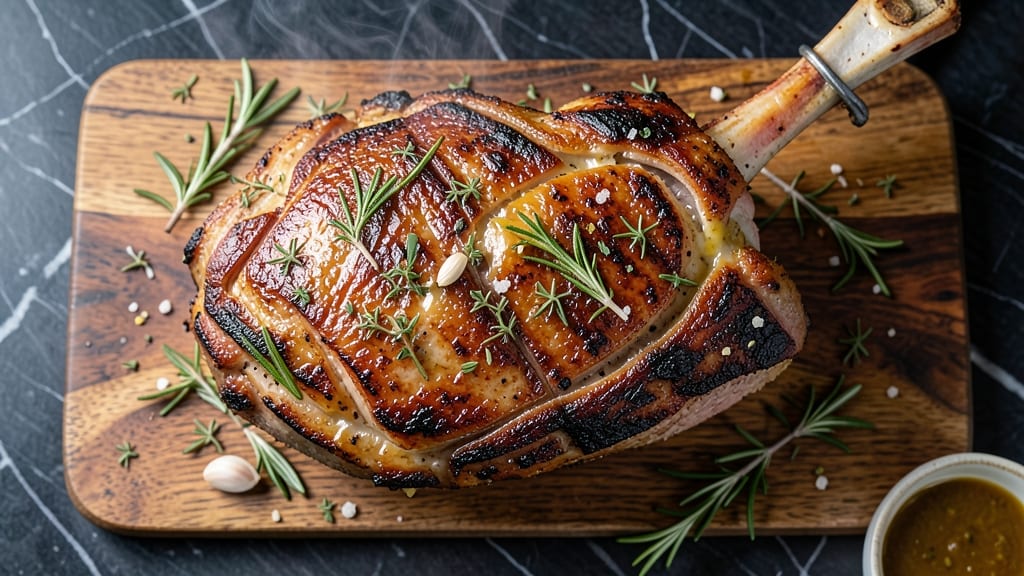
A bone-in pork sirloin end roast delivers unmatched juiciness and rich flavor when cooked properly—something I perfected after years of working with 2,000 pounds of pork weekly at my Atlanta smokehouse.
The bone acts as a natural thermometer, ensuring tender pink centers while the herb crust locks in moisture and adds aromatic depth. This isn't just another roast; it's a showstopper that transforms a simple weeknight dinner into a restaurant-worthy experience.
The secret lies in the low-and-slow approach combined with a strategic herb crust that caramelizes beautifully during roasting.
I use rosemary, thyme, and garlic for that classic Southern aroma, but the real magic happens when we let the roast rest after cooking—this crucial step redistributes juices, guaranteeing that first bite is perfectly tender every time.
The bone-in cut also adds depth of flavor that boneless versions simply can't match.
What you'll achieve is a roast with crispy herb crust, juicy pink centers, and a rich, savory aroma that fills your kitchen. The bone remains tender enough to eat, adding another layer of texture and flavor.
This technique works equally well for holiday feasts or casual family dinners—just scale the seasoning accordingly. The result? A pork roast so impressive, even skeptical meat lovers will ask for seconds.
Pair it with classic sides like garlic mashed potatoes or caramelized onions for a complete meal. The herb crust also makes this roast perfect for slicing and reheating later in the week. Let's get started—your taste buds will thank you for this foolproof method that delivers professional-quality results at home.
Ingredients for bone in pork sirloin end roast
Six aromatic ingredients transform a simple roast into a showstopping centerpiece.
| Ingredient | Amount | Notes |
|---|---|---|
| Bone-In Pork Sirloin End Roast 🐖 | 4 lb | Center-cut, 1.5-inch thickness |
| Fresh Rosemary 🌿 | ¼ cup | Finely chopped, stems removed |
| Fresh Thyme 🌿 | ⅛ cup | Leaves only, stems removed |
| Garlic Cloves 🧄 | 6 cloves | Smashed, skin-on for aroma |
| Extra-Virgin Olive Oil 🫒 | ¼ cup | High-quality, fruity |
| Diamond Crystal Kosher Salt 🧂 | 2 tbsp | Coarse grain preferred |
| Freshly Ground Black Pepper 🌶️ | 1 tbsp | Freshly cracked preferred |
| Unsalted Butter 🧈 | ½ cup | Cold, cubed for crust |
| Yellow Onion 🧅 | 1 whole | Thinly sliced for aromatics |
| Fresh Sage Leaves 🌿 | ⅛ cup | Chopped for extra aroma |
| Apple Cider Vinegar 🍎 | 1 tbsp | For tenderizing brush |
| Vegetable Oil 🫒 | ½ cup | High smoke point for roasting |
The pork cut is everything here. Look for sirloin end roast with visible marbling—that's where the flavor hides. I always buy from Butcher Shoppe or my local Whole Foods butcher counter, where they can cut it to your exact thickness. A 1.5-inch cut roasts more evenly than thicker pieces. Fresh herbs are non-negotiable: rosemary and thyme from the grocery store's produce section should smell vibrant, not wilted. For garlic, I prefer the organic cloves from the bulk bin—they're more flavorful. The butter matters too: Plugrá brand has the perfect fat content for crust development.
No fresh rosemary? Dried works at half the amount, but it won't caramelize the same way. Sage leaves can be swapped for 1 tsp dried sage, but fresh has that piney aroma that's essential. Running short on apple cider vinegar? Lemon juice works in a pinch. The olive oil should be extra-virgin—anything else tastes flat. For the butter crust, I always use cold butter cubes (pop them in the freezer for 20 minutes if needed). The vegetable oil is just for the pan—avocado oil has a higher smoke point if you're worried about burning. And if you're feeling fancy, add 1 tsp smoked paprika to the herb mix for extra depth.
This roast tastes even better the next day—plan ahead. The herb crust keeps for 3 days in the fridge if stored properly (wrapped tightly in foil). For reheating, low oven (300°F) for 20 minutes with a splash of broth keeps it juicy. The bone-in version actually reheats better than boneless cuts because the marrow adds moisture. Freeze portions for up to 3 months—just thaw overnight in the fridge. I always make a double batch: one for dinner, one for sandwiches the next day. The leftovers? Perfection for pulled pork tacos.
Why You'll Love This Recipe
- Foolproof Roast: I swear by this one—just rub the roast with crushed garlic, rosemary, and thyme, then let the oven do the work. No fancy techniques, no stress, and the bone adds that rich depth without extra effort.
- Herb-Crusted Magic: That combo of rosemary and thyme? It’s like a warm hug for your taste buds. The olive oil keeps it juicy while the herbs caramelize into a fragrant crust that’ll have everyone reaching for seconds.
- Weeknight to Weekend: Slice it thin for sandwiches, shred it for tacos, or serve it whole for a Sunday dinner. Honestly, I’ve made this for date nights, family dinners, and even a last-minute potluck—it never disappoints.
- Leftovers That Don’t Suck: The bone keeps it moist for days, so you get tender, flavorful slices for wraps or salads. Between us, this is my go-to for meal prep because it actually tastes better the next day.
Step-by-step instructions for herb-crusted pork sirloin roast
Here's how to transform a simple pork roast into a showstopping centerpiece with tender pink hearts and aromatic herb crust.
Prepare the Herb Butter Crust
In a small bowl, combine the 0.5 cup unsalted butter, 0.25 cup extra-virgin olive oil, 2 tbsp diamond crystal kosher salt, and 1 tbsp freshly ground black pepper. The butter should be cold and cubed - this creates a better crust. Add the 0.25 cup fresh rosemary, 0.125 cup fresh thyme, 0.125 cup fresh sage leaves, and the 6 smashed garlic cloves. Mix well with a fork until all the herbs are evenly distributed throughout the butter mixture.
Here's the thing - the herbs should be finely chopped but not pulverized. You want visible flecks of green throughout the butter, not a paste. This ensures maximum flavor without compromising texture. Cover and refrigerate this mixture while you prepare the roast.
Create the Tenderizing Brush
In a small bowl, whisk together the 1 tbsp apple cider vinegar and 0.25 cup extra-virgin olive oil. This acidic mixture will work its magic by breaking down muscle fibers on the surface of the meat, creating a perfect canvas for the herb crust and ensuring juicy pink hearts.
Using a pastry brush, generously coat the entire surface of the 4 lb bone-in pork sirloin end roast with this mixture. Pay special attention to the thickest parts of the roast where you want maximum tenderness. Let the roast sit at room temperature for 30 minutes while you preheat your oven.
Form the Herb Crust and Sear
Preheat your oven to 425°F. Heat 0.5 cup vegetable oil in a large oven-safe skillet over medium-high heat until shimmering. Place the roast in the skillet and sear on all sides until golden brown - about 4-5 minutes per side. This initial sear locks in juices and creates a flavorful crust.
Remove the roast from the skillet and place it on a cutting board. Spread the herb butter mixture evenly over the entire surface, pressing gently to adhere. Return the roast to the skillet, fat-side up, and transfer to the preheated oven.
Roast to Juicy Perfection
Roast the pork for 45-50 minutes until the internal temperature reaches 145°F on a meat thermometer inserted into the thickest part of the roast (not touching bone). This is the magic temperature for juicy pink hearts - the USDA recommends 145°F for pork, but we're going for that perfect medium-rare finish.
Here's where precision matters: the roast will continue cooking as it rests, so pull it out when it hits 140°F if you prefer slightly pinker centers. Let it rest for 15-20 minutes before carving. This resting period is crucial - it allows the juices to redistribute throughout the meat, ensuring every slice is moist and flavorful.
Prepare the Onion Aromatics
While the roast rests, heat a small skillet over medium heat and add the 1 whole yellow onion sliced into thin rings. Cook for 8-10 minutes until golden brown and caramelized. This simple step adds depth of flavor that complements the herb crust beautifully.
Transfer the caramelized onions to a serving platter and arrange the sliced roast alongside them. The contrast between the rich, caramelized onions and the herb-crusted pork creates a visual and flavor masterpiece. Serve immediately with your favorite sides for a restaurant-quality meal that's simple to prepare at home.
Pro Tips For Making Bone In Pork Sirloin End Roast
- USE A MEAT THERMOMETER: I learned this the hard way—guessing doneness with bone-in pork gives you that dry, overcooked mess. Aim for 140°F internal temp (it’ll rise to 145°F while resting), and check it in the thickest part of the roast, away from the bone.
- SMASH THOSE GARLIC CLOVES: Peeling and mincing garlic takes forever, but crushing whole cloves with the flat side of your knife releases way more flavor. Do this right after peeling—it’ll turn into a paste that clings to the meat like glue.
- SEAR THE FAT SIDE DOWN: The bone-in sirloin has a fatty cap—don’t ignore it. Sear that side first for 5 minutes straight on high heat until it’s deep golden. That’s where the crust forms, and it keeps the meat juicy while you roast.
- REST IT UNDER FOIL: I used to cut into roasts too soon, watching all the juices pool out like a crime scene. Give it a solid 10 minutes under foil before slicing—let the juices redistribute, and you’ll get slices that stay moist instead of turning into pork jerky.
Serving suggestions for bone in pork sirloin end roast
Classic Southern Sides
Nothing complements this herb-crusted roast like classic Southern sides. I always serve it with creamy garlic mashed potatoes—made with Plugrá butter and roasted garlic—that soak up the rich juices beautifully.
For extra depth, add crispy fried onions on top before serving. The contrast between the tender pork and fluffy potatoes is pure comfort food magic. 🥔
My go-to second side is caramelized yellow onion rings—just the ones we made while the roast rested. Spread them on a platter with a sprinkle of fresh cracked black pepper and a drizzle of balsamic glaze for that sweet-tangy balance.
The onions add a touch of sweetness that cuts through the herb crust's richness. I also love serving apple sauce on the side for a lighter option that pairs perfectly with the pork.
Fresh Garden Accompaniments
For a lighter touch, I recommend roasted seasonal vegetables—think asparagus spears tossed with lemon zest and toasted almonds, or baby potatoes roasted with rosemary and olive oil. The bright, fresh flavors balance the richness of the pork beautifully.
I often roast these at 425°F alongside the pork so they finish at the same time—just toss them with oil and salt before adding to the pan.
Don't overlook simple green salads—a mixed greens salad with shaved fennel, pear slices, and a honey-Dijon vinaigrette adds a refreshing crunch. The acidity in the dressing cuts through the richness, cleansing the palate between bites.
For extra flair, add toasted pumpkin seeds or crumbled blue cheese if you want a bolder flavor profile. 🥗
Bread and Starch Pairings
Warm, crusty bread is a must with this roast. I love serving homemade cornbread with a touch of honey butter—the sweetness complements the savory pork perfectly. For something more substantial, crusty sourdough or focaccia works wonders.
The bread soaks up any juices from the roast, making every bite even more flavorful. I often tear the bread into pieces and serve it on the side for easy grabbing.
If you're feeling fancy, try sautéed wild mushrooms with thyme and garlic—their earthy flavors pair beautifully with the herb crust. For a heartier option, cheesy grits with a sprinkle of smoked paprika add a Southern twist that's hard to resist.
The creaminess of the grits balances the crispy herb crust beautifully. 🍞
Sauce and Condiment Ideas
A drizzle of apple cider reduction—just simmer 1 cup apple cider with 1 tbsp butter and 1 tsp brown sugar until syrupy—adds a sweet-tart contrast that elevates the dish.
For something richer, horseradish cream (mix ½ cup sour cream with 1 tbsp prepared horseradish and 1 tsp lemon juice) brings a sharp kick that cuts through the pork's richness. I also love serving chopped fresh parsley on the side for a pop of color and freshness.
For a smoky twist, brush the sliced roast with chipotle BBQ sauce just before serving. The smoky-sweet flavors add another layer of depth that pairs perfectly with the herb crust.
If you're serving this for a holiday meal, consider a red wine reduction—simmer 1 cup red wine with 1 tbsp butter and 1 tsp shallots until thickened. It's a showstopper that feels special without being overly complicated. 🍷
Nutrition facts
Frequently asked questions
What's the best way to choose a bone-in pork sirloin end roast?
Look for a cut with visible marbling—those white fat streaks indicate flavor. A 1.5-inch thickness roasts most evenly, and the bone should be intact but not overly large. Ask your butcher to trim excess fat while keeping the cap intact for flavor. Freshness is key: the meat should smell clean with no ammonia-like odor, and the color should be vibrant pink, not grayish.
Can I cook this roast in a slow cooker instead of the oven?
Sear the roast first in a skillet, then transfer it to your slow cooker with the herb butter mixture. Cook on low for 8-10 hours or high for 5-6 hours until the internal temp reaches 145°F. The slow cooker method yields incredibly tender meat with a more concentrated herb flavor. Just be sure to let it rest 15-20 minutes before slicing.
What if my roast comes out dry?
Dryness usually means overcooking or not resting properly. Always use a meat thermometer—pull it out at 140-145°F and let it rest 15-20 minutes before slicing. For extra moisture, try adding ½ cup beef broth to the roasting pan during cooking. The bone-in version actually holds moisture better than boneless cuts, so this rarely happens with proper technique.
How do I reheat leftovers without drying them out?
Slice the roast and reheat portions in a 300°F oven with a splash of broth or apple cider for 15-20 minutes. For quick reheating, use the microwave on 50% power in 30-second bursts, covering with a damp paper towel. The herb crust reheats best when warmed gently—never microwave from frozen. Leftovers keep well for 3 days in the fridge or 3 months frozen.
What's the best way to serve this roast for a holiday meal?
Slice the roast against the grain for maximum tenderness, then arrange on a platter with caramelized onions and rosemary sprigs for garnish. Serve with garlic mashed potatoes and green bean almondine for a classic presentation. For extra elegance, drizzle with red wine reduction and garnish with fresh parsley. The bone-in version makes beautiful centerpiece slices that impress guests.