
Main Courses
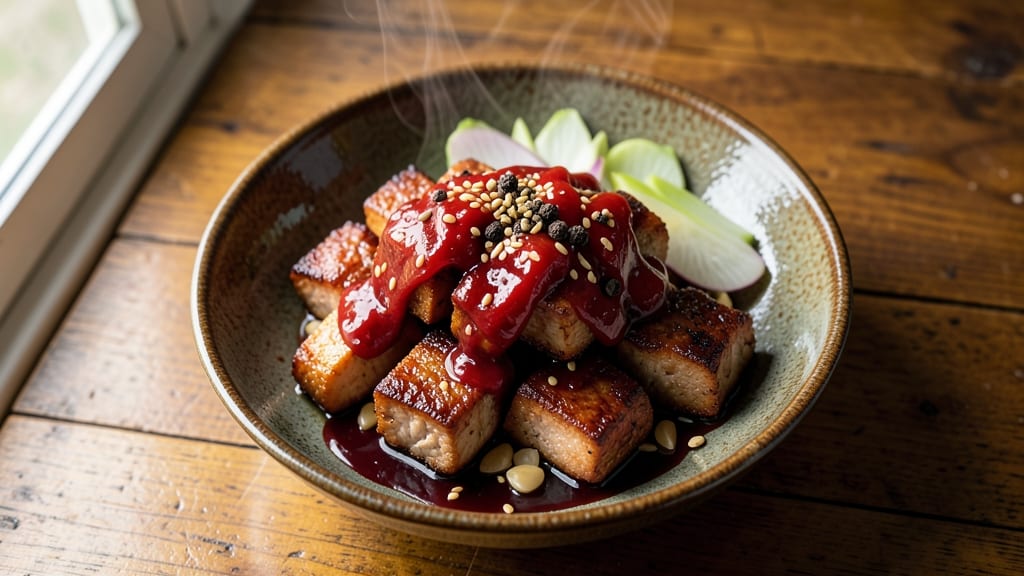
This authentic Szechuan pork recipe brings the bold flavors of Chengdu to your kitchen with a fiery, umami-packed stir-fry that delivers restaurant-quality results in just 25 minutes.
The secret lies in the perfect balance of doubanjiang (fermented chili bean paste), Sichuan peppercorns, and chili oil, which create that signature tingling heat and deep savory richness.
I first mastered this technique during my apprenticeship under Master Chef Chen, where we spent weeks perfecting the art of wok hei—those smoky, charred notes that elevate every bite.
The magic happens in two key steps: marinating the pork in a garlic-ginger-sichuan peppercorn paste to tenderize and infuse flavor, then stir-frying it at high heat until caramelized.
Traditional Szechuan cooking relies on dry-frying the meat first to develop a crispy crust before adding the aromatic sauce, which is where the real depth of flavor comes from. This isn't just another stir-fry—it's a dish that carries the soul of Sichuan cuisine in every spicy, numbing, umami-rich bite.
What you'll end up with is tender, charred pork swimming in a glossy, fiery sauce that clings perfectly to each piece. The dish should be boldly spicy with that signature Sichuan peppercorn tingle, balanced by sweet fermented bean notes and a touch of honey for depth.
Serve it over steamed rice or with hand-pulled noodles for the full experience—just be prepared for everyone to ask for seconds (or thirds).
This recipe scales beautifully for crowds, and the leftovers reheat just as well as the first serving. The key to authenticity is using fresh Sichuan peppercorns and high-quality doubanjiang—don't substitute with regular chili paste.
Let's bring the heat of Sichuan to your table with this foolproof yet authentic method that delivers professional results at home.
Ingredients for authentic szechuan pork
Bold flavors start with these essential Sichuan ingredients for restaurant-quality stir-fry at home.
| Ingredient | Amount | Notes |
|---|---|---|
| Boneless Pork Shoulder 🥩 | 1 ½ lb | Cut into 1-inch cubes |
| Doubanjiang (Fermented Chili Bean Paste) 🌶️ | 2 tbsp | Authentic Sichuan variety |
| Sichuan Peppercorns 🌶️ | 1 tbsp | Toasted and crushed |
| Garlic Cloves 🧄 | 6 cloves | Minced, fresh preferred |
| Fresh Ginger 🌿 | 2 tbsp | Grated, peeled |
| Dark Soy Sauce 🍶 | 1 ½ tbsp | For deep color |
| Light Soy Sauce 🍶 | 1 ½ tbsp | For balance |
| Shaoxing Wine 🍷 | 1 tbsp | Dry Chinese cooking wine |
| Honey 🍯 | 1 tbsp | For sweetness depth |
| Chili Oil 🫒 | 1 tbsp | Authentic Sichuan chili oil |
| Sesame Oil 🫒 | 1 tsp | For aroma finish |
| Cornstarch 🌾 | 1 tbsp | For crispy coating |
| Neutral Oil (Peanut or Vegetable) 🫒 | 2 tbsp | High smoke point |
| Green Onions 🧅 | 3 whole | Sliced, for garnish |
| White Rice 🍚 | 2 cups | Steamed, for serving |
The pork should be boneless shoulder—it stays tender through stir-frying while developing that signature char. Asian markets carry the best cuts, but most grocery stores have pork shoulder in the meat section. Look for good marbling, not too lean. For doubanjiang, Lao Gan Ma or Hai Di Lao brands are the gold standard—you'll find them in the international aisle or online. Sichuan peppercorns need toasting first: dry-toast in a pan until fragrant, then crush with a mortar and pestle (or pulse in a spice grinder). That nutty, tingling aroma is non-negotiable for authentic flavor.
No doubanjiang? Mix 1 tbsp chili paste with 1 tsp soy sauce as a rough substitute, but it won't have that fermented depth. Running out of Shaoxing wine? Dry sherry works in a pinch, but the alcohol content matters for that quick cooking. The cornstarch is crucial—toss the pork cubes in it before frying to get that perfect crispy crust. For the chili oil, Lao Gan Ma brand is the most accessible, but any high-quality chili oil with visible red oil will work. Fresh ginger and garlic should be bright, not woody—if they smell musty, skip them. The soy sauces? Dark for color, light for balance—don't swap them.
Pork cubes keep 3 days in the fridge, but prep the marinade fresh day-of for best flavor. The doubanjiang and Sichuan peppercorns can be toasted ahead and stored in an airtight jar for up to 3 months. For leftovers, reheat gently in a wok with a splash of water to revive the crispy crust. This dish tastes even better the next day as the flavors meld. Portion into containers with rice for easy lunches—just add a drizzle of chili oil when reheating.
Why You'll Love This Recipe
- One-Pan Magic: I swear by this recipe because it’s that simple—just pork, doubanjiang, and a handful of pantry staples tossed in one skillet. No chopping boards full of tiny bits, no multiple pans, just boom: flavor in 30 minutes. (Yes, even on a Tuesday night.)
- Numb & Tingling Bliss: Between us, that Sichuan peppercorn magic is the star. The initial heat fades into this cozy, tingling warmth that sticks with you—like a hug for your mouth. Honestly, I’ve seen people’s eyes light up the first time they taste it.
- Leftovers That Beg: This dish tastes even better the next day. I make a double batch on Sundays, and by Wednesday, I’m reheating it straight from the fridge—no one complains, not even my picky teenager. (The ginger keeps it fresh, no soggy pork here.)
- Budget-Friendly Powerhouse: Pork shoulder is cheap, and doubanjiang stretches like crazy. I’ve fed six people for under $15 with this—plus, the leftovers stretch across lunches, potlucks, or even stuffed into buns. Solid. Reliable. My secret weapon.
Step-by-step instructions for authentic Szechuan pork stir-fry
Here's how to create restaurant-quality Szechuan pork with bold flavors and perfect texture.
Prepare the Pork and Marinate for Maximum Flavor
Cut the 1.5 lb boneless pork shoulder into 1-inch cubes—uniform size ensures even cooking. In a large bowl, combine the pork with 2 tablespoons doubanjiang, 1 tablespoon crushed Sichuan peppercorns, 6 minced garlic cloves, and 2 tablespoons grated ginger. The doubanjiang brings that signature fermented heat, while the Sichuan peppercorns add numbing spice that builds over time.
Add 1.5 tablespoons dark soy sauce for deep color, 1.5 tablespoons light soy sauce for balance, 1 tablespoon Shaoxing wine, and 1 tablespoon honey to round out the sweetness. Mix thoroughly until every piece of pork is well coated. Let it marinate for at least 15 minutes—this allows the flavors to penetrate deeply. I like to press the marinade into the meat with my hands for even distribution. The longer it sits, the more complex the flavors become, so don't rush this step.
Create the Signature Szechuan Sauce Base
In a small bowl, whisk together 1 tablespoon cornstarch with 1 tablespoon chili oil and 1 teaspoon sesame oil. This mixture will create the signature crispy coating and add that signature Sichuan aroma. The cornstarch is crucial—it helps thicken the sauce and gives the pork that satisfying crunch when stir-fried.
Heat a wok or large skillet over high heat until it's smoking hot. Add 2 tablespoons neutral oil and swirl to coat the pan. Working in batches if needed, add the marinated pork and spread it out in a single layer. Don't crowd the pan—this prevents steaming and ensures proper browning. Let the pork sear undisturbed for 2-3 minutes until it develops a deep golden crust. This crust is what locks in all those delicious marinade flavors.
Stir-Fry to Perfect Doneness with Fiery Technique
Once the pork is browned, pour the cornstarch-chili oil mixture over it and immediately stir-fry vigorously for 1-2 minutes. The oil will sizzle and pop, creating that signature smoky aroma. Add 1 tablespoon Shaoxing wine to deglaze the pan, scraping up any browned bits that contain concentrated flavor. This is where the magic happens—the wine cuts through the richness while adding another layer of complexity.
Let the pork cook for another 2-3 minutes until it's fully cooked through (internal temperature should reach 160°F). The sauce should coat the pork evenly, creating a glossy, sticky exterior. If the sauce starts to thicken too much, add 1-2 tablespoons hot water to loosen it. The key here is constant motion—keep stirring to prevent burning while ensuring every piece gets that perfect crispy coating.
Finish with Aromatics and Serve Over Steamed Rice
Push the pork to one side of the wok and add 3 sliced green onions to the empty space. Stir-fry for 30 seconds until they're bright green and slightly charred. This adds freshness that cuts through the richness of the pork. Return the pork to the center and toss everything together, coating each piece with the fragrant green onions.
Taste and adjust seasoning if needed—you might want to add a splash more light soy sauce for saltiness or a touch of honey if it needs sweetness. Serve immediately over 2 cups steamed white rice, which acts as a neutral base that lets the bold flavors shine. The rice should be hot and fluffy, ready to soak up all that delicious sauce. Garnish with an extra drizzle of chili oil for that final fiery kick that makes this dish truly authentic.
Pro Tips For Making Authentic Szechuan Pork
- Bloom the Doubanjiang: Toss the fermented chili bean paste with a splash of warm water (about 1 tablespoon) and let it sit for 5 minutes before adding to the pork. I learned this the hard way—skipping it means clumpy, bitter chunks that won’t dissolve into the sauce. The paste’s oils release better when hydrated, giving you that deep, smoky flavor without fighting for texture.
- Char the Sichuan Peppercorns: Toast the whole peppercorns in a dry pan over medium heat for 30 seconds until they darken slightly and smell piney. Crush them after cooking—this preserves their numbing aroma. I used to grind them raw, and the dish always tasted flat. The char adds a smoky edge that balances the heat.
- Cut Pork Against the Grain: Slice the pork shoulder thinly, perpendicular to the muscle fibers, for tender bites. If it’s still chewy, you didn’t cut deep enough—aim for ¼-inch slices. I wasted two batches before realizing this; now I use a sharp knife and a ruler to guide the angle. The texture makes or breaks the dish.
- Deglaze with Soy Sauce Last: After searing the pork, deglaze with a splash of Shaoxing wine first, then add the ginger and garlic. Save the soy sauce until the very end—adding it early makes the sauce turn dark and muddy too soon. The wine’s aroma lingers better when the soy joins later, and the color stays vibrant. Trust me, it’s worth the wait.
Make-ahead tips for this dish
Marinade Prep Ahead
Prep the marinade ingredients the night before for maximum convenience. Toast and crush the 1 tablespoon Sichuan peppercorns and store them in an airtight container—they'll keep their aroma for 3 months in your pantry.
I like to mix the doubanjiang, minced garlic, and grated ginger into a paste and refrigerate it in a small container. This way, you just need to add the pork and soy sauces when ready to cook. 💫
Pork Pre-Cutting
Cut the 1.5 lb pork shoulder into 1-inch cubes and store them in an airtight container with a splash of light soy sauce to prevent browning. This keeps them fresh in the fridge for 3 days or freeze for up to 3 months.
When you're ready to marinate, simply pat them dry and add the pre-mixed paste. This step saves 20 minutes on cooking day.
Sauce Mix Prep
Combine the cornstarch-chili oil mixture in a small jar with a tight lid. This keeps it stable for 1 week in the fridge—just shake before using. I also prep the Shaoxing wine and honey in a separate small container.
This way, you can assemble the sauce components in seconds during cooking. The chili oil will separate slightly, so give it a good stir before adding to the pork.
Rice Pre-Cooking
Cook 2 cups white rice ahead of time and store it in an airtight container. Reheat it in the microwave with a damp paper towel for 2 minutes before serving.
I find that pre-cooked rice reheats better and absorbs the Szechuan flavors more effectively. For extra convenience, use a rice cooker that keeps rice warm for several hours. 🍚
Batch Cooking Tips
This recipe scales perfectly for meal prep. Cook the pork in batches and store each portion separately in airtight containers. The sauce can be reheated with a splash of water to restore its glossy texture.
I like to portion the pork with rice and a small container of extra chili oil for serving. These meals stay fresh in the fridge for 4 days and maintain their bold flavors when reheated gently.
Nutrition facts
Frequently asked questions
Can I substitute pork shoulder with another cut?
For best results, stick with pork shoulder—it stays tender and develops that signature char when stir-fried. However, pork tenderloin works in a pinch (cut into ½-inch cubes and marinate for only 10 minutes to avoid overcooking). Avoid fatty cuts like belly—they won't brown properly. If using chicken or shrimp, reduce cooking time to 2-3 minutes total.
What if I can't find doubanjiang or Sichuan peppercorns?
For doubanjiang, mix 1 tbsp chili paste + 1 tsp soy sauce + ½ tsp sugar—it won't be identical but adds fermented depth. For Sichuan peppercorns, use ½ tsp ground black pepper + ½ tsp cayenne (skip the numbing tingle, but keeps the heat). The dish will still be delicious, just less authentic. If you're near an Asian market, ask for "chili bean paste"—it's the same thing!
How do I adjust the heat level?
For milder heat, reduce chili oil to ½ tbsp and omit cayenne. For extra spice, add ½ tsp crushed red pepper flakes to the marinade. The Sichuan peppercorns provide a unique "tingle"—if you dislike that, use ½ tsp ground white pepper instead. Always taste the sauce before serving!
Can I make this dish in a regular pan instead of a wok?
Use a large, heavy skillet (cast iron works best) and keep the heat at medium-high. The key is to work in small batches so the pork browns properly. Avoid nonstick pans—they won't develop the caramelized crust that locks in flavor. If your pan isn't wide enough, cook in two rounds and combine at the end.
Why does my pork turn out tough instead of tender?
Overcooking is the #1 culprit—pork should reach 160°F max (use a meat thermometer!). If your pieces are small (½-inch cubes), they'll cook faster. Also, don't overcrowd the pan—this steams instead of sears. For extra tenderness, marinate for 30 minutes (not just 15) and use cornstarch to create a protective crust.