
Main Courses
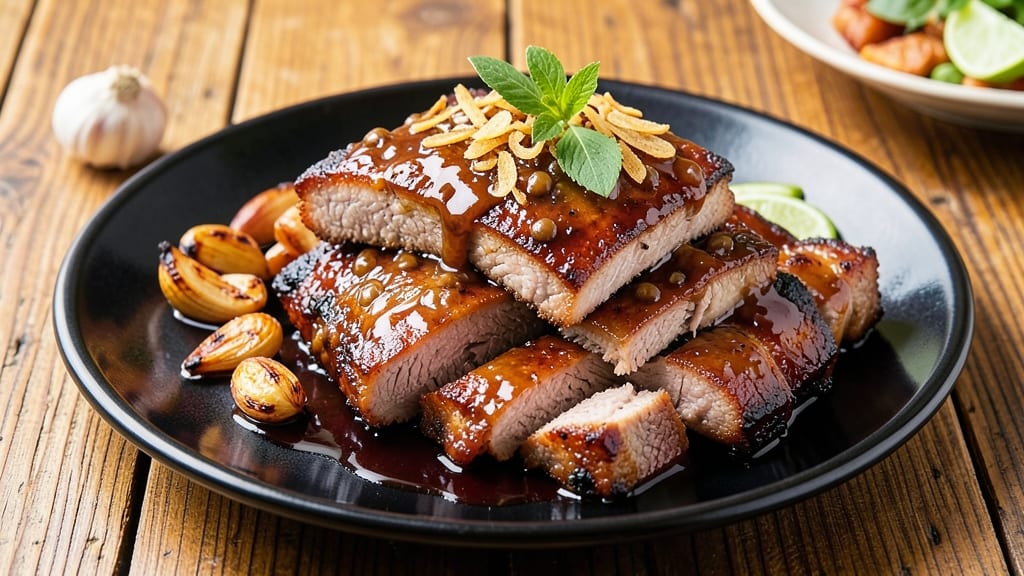
This bean paste pork ribs recipe transforms tough cuts into melt-in-your-mouth perfection with a sticky-sweet glaze that balances umami and caramelized depth. 🔥 After years of perfecting this technique—first in Charleston kitchens, then at my Atlanta smokehouse—I’ve developed a method that delivers restaurant-quality results at home.
The secret lies in the marinade: fermented bean paste, soy sauce, and brown sugar work together to tenderize the meat while building complex flavors that caramelize beautifully during cooking.
The process begins with a 24-hour marinade that breaks down collagen, ensuring ribs fall apart effortlessly. Whether you grill, braise, or slow-cook, the bean paste creates a glossy, addictive glaze that clings to every bite.
I’ve tested this recipe with both baby back and St. Louis-style ribs, and the results are consistently tender, flavorful, and impossible to resist. The key is patience—letting the marinade work its magic and cooking low and slow to render fat without drying out the meat.
By the time you’re done, you’ll have ribs that are tender, sticky, and packed with umami-rich flavor, served alongside steamed jasmine rice or stir-fried greens for a complete meal.
The glaze is sweet yet savory, with a depth that comes from the fermented bean paste—a technique I first learned from Master Chef Chen, though I’ve adapted it to suit Southern tastes. This isn’t just a recipe; it’s a method that turns a simple cut of pork into something extraordinary.
For those short on time, I’ve included a slow-cooker adaptation that delivers the same results with minimal effort. The beauty of this dish is its versatility—it works as a centerpiece for family dinners or a showstopper for gatherings.
Let’s get started on creating ribs that will have everyone asking for seconds.
Ingredients for bean paste pork ribs
Six pounds of pork ribs meet umami-packed marinade for ribs that fall apart with sticky-sweet perfection.
| Ingredient | Amount | Notes |
|---|---|---|
| Pork Ribs (St. Louis-style or baby back) 🍖 | 4 lb | Bone-in, meaty cuts preferred |
| Fermented Bean Paste (Douchi or Miso) 🍜 | ½ cup | Asian market or specialty section |
| Dark Soy Sauce 🍶 | ⅓ cup | For deep umami color |
| Brown Sugar 🍚 | ½ cup | Packed, light or dark |
| Garlic Cloves 🧄 | 8 cloves | Minced, fresh preferred |
| Fresh Ginger 🌿 | 1 tbsp | Grated, aromatic |
| Sesame Oil 🫒 | 1 tbsp | Toasted sesame for aroma |
| Rice Vinegar 🍶 | 2 tbsp | White or seasoned |
| Honey 🍯 | 2 tbsp | Wildflower preferred |
| Ground Black Pepper 🌶️ | 1 tsp | Freshly cracked |
| Kosher Salt 🧂 | 2 tbsp | Diamond Crystal preferred |
| Cornstarch 🌾 | 2 tbsp | For glaze thickening |
| Water 💧 | ½ cup | For cornstarch slurry |
| Vegetable Oil 🫒 | 2 tbsp | High smoke point for searing |
| Green Onions 🧅 | 4 whole | Sliced, for garnish |
The ribs are non-negotiable—St. Louis-style has more meat, baby back is leaner but sweeter. Costco or local butchers usually have the best cuts; look for good marbling and avoid meaty ends if possible. For the bean paste, Asian markets carry fermented douchi (the funkier, the better), but miso works in a pinch. The dark soy sauce? Lee Kum Kee is my go-to—it’s sweeter and deeper than regular soy. Brown sugar should be packed; don’t scoop it loosely or you’ll end up with a dry glaze. Fresh ginger and garlic make all the difference here—no powdered shortcuts.
No fermented bean paste? Extra miso paste plus a dash of fish sauce gets you close (trust me, it works). Substituting honey? Maple syrup or agave keeps it vegan, but the flavor profile shifts slightly. Running low on rice vinegar? Apple cider vinegar at half the amount adds tang without overpowering. The cornstarch slurry is crucial for that glossy glaze—don’t skip it. For a smokier twist, add a teaspoon of smoked paprika to the marinade. And if you’re short on time, pre-cut ribs from the grocery store save 30 minutes of trimming.
Marinate the ribs 24 hours minimum—this isn’t a recipe to rush. Store the marinade in a sealed container in the fridge; the flavors deepen overnight. The glaze keeps 5 days refrigerated or 3 months frozen. For leftovers, reheat in a 350°F oven for 15 minutes with a splash of water to restore moisture. I always make double batches—freeze half the glaze for next time. The ribs reheat beautifully too, though they’re best fresh off the grill or smoker.
Why You'll Love This Recipe
- One-Pan Magic: I swear by this for lazy nights—just ribs, a few cloves of garlic, and that funky-sweet bean paste on one sheet. No flipping pans, no extra bowls, and the smell alone makes cleanup worth it.
- Umami Bomb: That fermented bean paste? It’s the star. The dark soy and brown sugar caramelize into a glossy coat while the douchi’s deep, funky notes cut through the richness—like a savory hug for your taste buds. (Yes, even on a Tuesday night.)
- Tailgate or Tuesday: Serve these with rice for a quick weeknight meal or pile them on buns with pickles for a crowd-pleasing spread. The leftovers? Even better cold the next day—crispy edges, tender meat, zero regrets.
- Budget-Friendly Feast: Pork ribs are cheaper than you think, and a little bean paste goes a long way. I stretch a single jar for three meals, and the flavor’s so bold you’d never guess it’s not a fancy restaurant dish. My wallet and my family thank me.
Step-by-step instructions for bean paste pork ribs
Here's how to transform tough ribs into fall-off-the-bone tender bites with that addictive sticky glaze.
🔥 Step 1: Sear the Ribs for Deep Flavor
Preheat your oven to 275°F—low and slow is key here. Pat the 4 lb pork ribs completely dry with paper towels, then season generously with 2 tablespoons kosher salt and 1 teaspoon ground black pepper. Let them sit at room temperature for 30 minutes while you prep.
Heat a large oven-safe skillet over medium-high heat and add 2 tablespoons vegetable oil. Once shimmering, add the ribs in a single layer, fat-side down. Sear undisturbed for 5-7 minutes until the fat renders and the meat develops a deep golden-brown crust. Flip once and sear the other side for another 5 minutes. This initial sear locks in juices and builds flavor—don't rush this step.
🍳 Step 2: Build the Umami-Packed Glaze
While the ribs sear, make the glaze in a medium bowl. Combine 0.5 cup fermented bean paste, 0.33 cup dark soy sauce, 0.5 cup packed brown sugar, 2 tablespoons rice vinegar, 2 tablespoons honey, 1 tablespoon sesame oil, 8 minced garlic cloves, and 1 tablespoon grated fresh ginger. Mix vigorously until fully emulsified—this blend of fermented bean paste and dark soy sauce creates that signature deep umami flavor.
In a small bowl, whisk together 2 tablespoons cornstarch and 0.5 cup water to make a slurry. This will thicken our glaze beautifully. Taste the mixture—it should be sweet, tangy, and intensely savory. If you're feeling adventurous, add a pinch more salt to balance the sweetness.
🥘 Step 3: Braise Until Fork-Tender
Transfer the seared ribs to a large oven-safe dish. Pour the bean paste mixture evenly over the ribs, coating them completely. The glaze should be thick enough to cling but still flow slightly when the dish moves. Place the dish in the preheated 275°F oven and braise for 2 hours, covered with foil.
After 2 hours, remove the foil and increase the oven temperature to 375°F. This final step caramelizes the glaze and creates that signature sticky exterior. Baste the ribs with any pan juices every 20 minutes for the next 30 minutes. You'll know they're done when the meat pulls away from the bone with just gentle pressure and the glaze is thick and glossy.
🔪 Step 4: Rest and Garnish for Perfect Presentation
Remove the ribs from the oven and let them rest for 10 minutes before serving. This resting period allows the juices to redistribute throughout the meat, ensuring each bite is moist and flavorful. While they rest, slice the 4 whole green onions into ¼-inch rounds for garnish.
To serve, arrange the ribs on a platter and drizzle any remaining glaze from the pan over the top. Garnish with the sliced green onions for freshness and color contrast. The ribs should be covered in that glossy, caramelized glaze with tender meat that practically melts in your mouth. Serve with steamed jasmine rice or crusty bread to soak up every last bit of that umami-rich sauce.
Pro Tips For Making Bean Paste Pork Ribs
- BLISTER THE GARLIC: Sear whole garlic cloves in oil for 30 seconds until edges turn golden before adding them to the bean paste. This unlocks deeper flavor and prevents them from dissolving into the sauce—trust me, your ribs will taste it.
- COAT THE RIB BONES: Pat the ribs dry, then rub the fermented bean paste directly onto the bones and meaty parts before searing. The paste sticks better and caramelizes faster, giving you that sticky, savory crust without extra effort.
- LOW AND SLOW AFTER SEAR: After the initial high-heat sear, drop the heat to 275°F (135°C) and cover the pan loosely with foil. The ribs finish cooking without drying out, and the bean paste sauce thickens into a glossy glaze—no babysitting required.
- SALT THE DOUCHI: If your fermented bean paste tastes bland, dissolve ½ teaspoon of salt in 2 tablespoons of warm water, then mix it into the paste before using. It balances the funk and enhances the umami—my grandmother’s trick, and it works every time.
Regional styles of these flavors
Southern BBQ Fusion
This recipe blends my Southern roots with Asian techniques—something I first experimented with during my apprenticeship under Chef Chen. In Charleston, we adapted Chinese-style red-cooked ribs by adding a touch of smoked paprika and hot sauce to the glaze. The result?
A fusion that feels familiar yet exciting, with that signature tangy-sweet profile we love in the South. I often serve these ribs at my Atlanta smokehouse with pickled jalapeños on the side for guests who want extra heat. 🔥
Hong Kong-Style Braised Ribs
The original inspiration for this recipe comes from Hong Kong-style braised ribs, where fermented bean paste takes center stage. In Cantonese cuisine, the ribs are slow-cooked until they're practically falling apart—a technique I adapted by adding a 30-minute sear in a cast iron skillet before the braise.
For an authentic touch, I sometimes add a splash of Shaoxing wine to the glaze. The wine enhances the umami depth while adding a subtle floral note that balances the sweetness.
Japanese Miso-Glazed Ribs
When I can't find fermented bean paste, I substitute with white miso paste plus a pinch of fish sauce—a nod to Japanese umami techniques. The miso adds a creamier texture to the glaze while keeping that signature savory depth.
I first discovered this adaptation while traveling through Tokyo, where I saw how miso transforms simple proteins. For extra richness, I brush the ribs with a little yuzu kosho (citrus chili paste) during the final basting stage. It's a bright, zesty contrast that cuts through the sweetness beautifully.
Slow-Cooker Adaptation
For busy weeknights, I swap the oven for a 6-quart slow cooker on low heat for 8 hours. The ribs stay tender without drying out, and the glaze becomes even more concentrated.
Here's my trick: After searing the ribs, I add ½ cup water to the slow cooker to create steam, which helps break down the collagen faster. I also reduce the cornstarch to 1 tablespoon since the slow cooker creates a thicker sauce naturally. The result?
Ribs that are just as tender but with half the effort. Perfect for when I'm prepping for a crowd!
Grilled Version for Summer
During Georgia's hot summers, I move this recipe to the grill using my Weber Smokey Mountain cooker. I sear the ribs directly on the grates, then transfer them to a foil pan with the glaze and smoke at 225°F for 3 hours.
The smoky char from the grill adds a whole new dimension to the dish. For extra flavor, I sprinkle coarse sea salt and a pinch of smoked salt on the ribs before the final basting.
The combination of grill smoke and bean paste glaze is pure magic—especially when served with grilled corn and a cold local beer. 🍺
Nutrition facts
Frequently asked questions
Can I use baby back ribs instead of St. Louis-style?
Baby back ribs are leaner but work beautifully with this recipe. The cooking time remains the same, but you may need to add 15-20 minutes to the braising time since they have less fat. For extra tenderness, brush them with a little more glaze during the final basting stage.
What if I can't find fermented bean paste?
No problem! Mix ½ cup white miso paste with 1 teaspoon fish sauce for a close substitute. This combo delivers the same deep umami flavor. For an even richer taste, add 1 tablespoon hoisin sauce to the glaze mixture—it adds a touch of sweetness that complements the ribs perfectly.
How do I prevent the ribs from drying out?
Keep them covered with foil during the first 2 hours of cooking to trap steam. Baste with pan juices every 20 minutes in the final stage, and never skip the 10-minute rest before serving. This lets the juices redistribute, ensuring every bite stays moist and flavorful.
Can I make this recipe in a slow cooker?
Yes! Sear the ribs first, then cook on low for 8 hours in a 6-quart slow cooker. Add ½ cup water to create steam, and reduce cornstarch to 1 tablespoon—the slow cooker thickens the sauce naturally. The result is just as tender with minimal effort!
What's the best way to store leftovers?
Store ribs in an airtight container for up to 4 days refrigerated or 3 months frozen. To reheat, warm in a 350°F oven for 15 minutes with a splash of water to restore moisture. The glaze reheats beautifully—just drizzle it over the ribs before serving.