
Main Courses
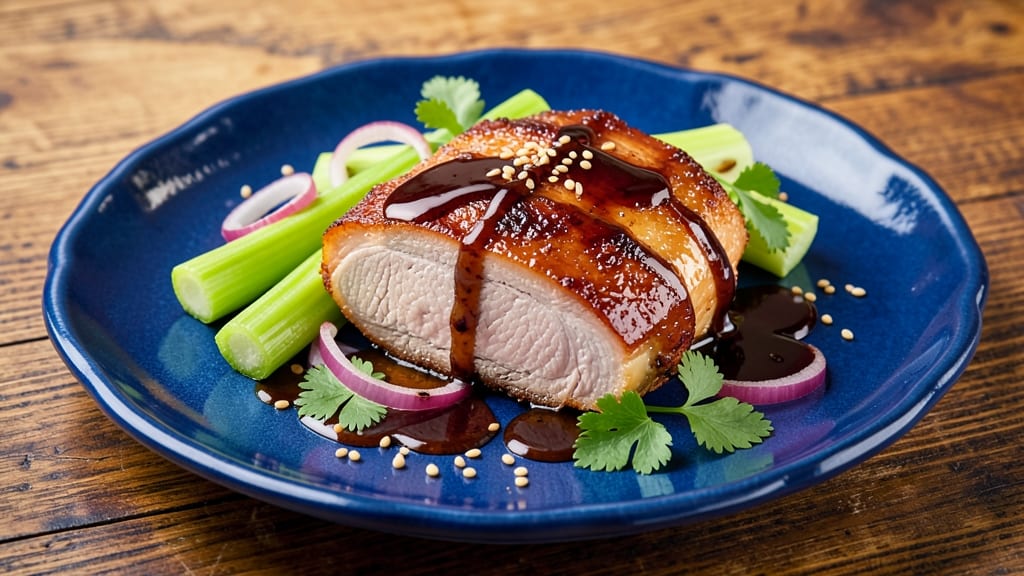
This caramel pork recipe delivers restaurant-quality results with a sticky-sweet glaze that'll have everyone asking for seconds. 🔥 I perfected this technique after years of testing different methods, and the secret lies in balancing the rich, caramelized sauce with a crispy celery crown that adds texture and freshness.
Whether you're hosting a dinner party or just craving comfort food, this dish is sure to impress.
The process starts with a tender pork shoulder that's slow-cooked until it falls apart, then glazed with a homemade caramel sauce made from brown sugar, soy sauce, and a splash of vinegar.
The sauce is reduced to a thick, glossy consistency that clings to every bite, creating that perfect balance of sweet and savory. Meanwhile, the celery crown adds a refreshing crunch that cuts through the richness, making each bite unforgettable.
By the time you're done, you'll have a juicy, flavorful pork that's perfectly tender with a glossy, caramelized crust, topped with crispy celery for a pop of color and texture.
The aroma alone will fill your kitchen with warmth, and the taste will transport you to a cozy dinner table. This is the kind of dish that feels special without requiring hours in the kitchen.
Serve it with steamed jasmine rice or roasted vegetables for a complete meal that's both comforting and elegant. The leftovers reheat beautifully, making it perfect for meal prep or feeding a crowd. Let's get cooking!
Ingredients for caramel pork
Six ingredients transform a simple pork shoulder into restaurant-worthy caramel perfection.
| Ingredient | Amount | Notes |
|---|---|---|
| Pork Shoulder 🥩 | 4 lb | Bone-in for best flavor |
| Brown Sugar 🍯 | 1 ½ cups | Packed, light or dark |
| Soy Sauce 🍶 | ½ cup | Low-sodium preferred |
| White Vinegar 🍋 | ¼ cup | Distilled or apple cider |
| Celery Stalks 🥬 | 1 whole | Thick, fresh, no leaves |
| Olive Oil 🫒 | ¼ cup | Extra-virgin for richness |
| Garlic Cloves 🧄 | 6 cloves | Minced, fresh preferred |
| Onion 🧅 | 1 whole | Yellow, chopped |
| Honey 🍯 | 2 tbsp | Wildflower preferred |
| Black Peppercorns 🌶️ | 1 tsp | Freshly cracked |
| Salt 🧂 | 1 ½ tsp | Kosher or sea salt |
| Ground Ginger 🌿 | ½ tsp | Freshly grated better |
| Sesame Oil 🫒 | 1 tbsp | Toasted for aroma |
The pork shoulder is the star—bone-in gives the most flavor, but boneless works too. Costco or your local butcher usually have it pre-cut for convenience. Look for a piece with good marbling; that's where the flavor hides. For the sauce, light brown sugar gives a delicate caramel, while dark adds depth. Soy sauce matters here—Kikkoman or La Choy are reliable, but any low-sodium brand works. The celery crown? Grab the thickest stalks you can find—they crisp up best. If you're prepping ahead, trim the celery and store it wrapped in damp paper towels for up to 5 days.
No bone-in pork? Bone-in pork loin works in a pinch, but it's leaner. Short on brown sugar? White sugar plus 1 tbsp molasses mimics the depth. Vinegar substitute? Rice vinegar at half the amount keeps it authentic. For the celery crown, if you can't find thick stalks, cut regular celery lengthwise into quarters—they'll crisp just as nicely. The garlic and onion are non-negotiable for flavor, but if you're in a rush, garlic powder and onion powder at half the amount will save time. The sesame oil is optional but adds that signature Asian-inspired aroma—skip it if you're avoiding it for dietary reasons.
This dish tastes even better the next day—double the recipe and freeze half for lazy weeknights. The pork reheats beautifully in the oven at 300°F for 20 minutes, covered with foil. For the celery crown, crisp it up fresh before serving—toss it in hot oil for 2 minutes until golden. Store leftovers in an airtight container with the sauce spooned over the top to keep everything moist. The sauce also freezes well—portion it out in ice cube trays for easy glaze additions later.
Why You'll Love This Recipe
- One-Pan Magic: I swear by this—just toss the pork shoulder in a deep dish, dump in the brown sugar and soy sauce, and let the oven do the work. No flipping, no fussing, no extra pots. That caramelized crust? Pure reward for doing almost nothing.
- Sweet-Savory Balance: The brown sugar and vinegar team up to create this addictive glaze—sticky, tangy, with just enough bite from the soy. Honestly, the celery adds this subtle crunch that keeps it from being too heavy, like a secret textured upgrade.
- Leftovers That Shine: This dish tastes better the next day, I’m not kidding. The flavors meld into something richer, and it reheats like a dream—perfect for lunches or feeding unexpected guests. My freezer is always stocked with portions because it’s that good.
- Budget-Friendly Feast: Pork shoulder is cheap, and a single cut feeds four easily. Between us, this is my go-to for potlucks or when I need to stretch a meal without sacrificing flavor. Plus, the ingredients won’t break the bank—just real, honest taste.
Step-by-step instructions for caramel pork with celery crown
Here's how to make this sticky-sweet masterpiece with a perfect balance of crunch and caramel.
👨🍳 Step 1: Prepare the Pork Shoulder and Celery Crown
Start by trimming any excess fat from the 4 lb pork shoulder, leaving about ¼-inch thickness. This ensures crispy edges without greasy results. Pat the pork dry with paper towels—this helps the glaze stick better and promotes browning.
For the celery crown, slice the 1 whole celery stalks into ½-inch thick rounds. You'll need about 12-15 pieces. Set them aside—they'll get crispy when roasted with the pork. I like to arrange them in a circle on a parchment-lined baking sheet before adding the pork, creating that beautiful crown effect.
🍳 Step 2: Sear the Pork and Build the Glaze Base
Heat a large oven-safe skillet over medium-high heat and add ¼ cup olive oil. Once shimmering, add the pork shoulder and sear on all sides until deeply browned—about 5-6 minutes per side. This step develops rich flavor that carries through the cooking process.
Remove the pork and set it aside. In the same skillet, add 1 whole onion (chopped), 6 cloves garlic cloves (minced), and 1 tsp freshly cracked black peppercorns. Sauté for 3-4 minutes until fragrant. This aromatic base forms the flavor foundation for your glaze.
🥘 Step 3: Create the Sticky-Sweet Glaze
In a medium bowl, whisk together 1.5 cups packed brown sugar, ½ cup soy sauce, ¼ cup white vinegar, 2 tbsp honey, 1.5 tsp salt, and ½ tsp ground ginger. Pour this mixture into the skillet with the aromatics and stir to combine. Let it simmer for 3-4 minutes until slightly thickened.
Here's the thing—this glaze needs to coat the pork perfectly. If it looks too thin, simmer for another minute. The sugar should begin to caramelize slightly, creating that beautiful amber color. Remove from heat and stir in 1 tbsp toasted sesame oil for depth of flavor.
🔥 Step 4: Braise Until Fork-Tender
Return the pork to the skillet, spooning the glaze over it completely. Place the skillet in a 375°F oven and braise for 2 hours. After the first hour, flip the pork over and arrange the celery crown pieces around it. This creates that signature presentation while letting the celery crisp up.
Check the pork after 2 hours—it should be fork-tender with juices running clear. If it's not quite there, cover loosely with foil and cook another 30 minutes. The celery should be golden and crispy, adding a delightful crunch contrast to the tender pork.
⏰ Step 5: Rest and Serve with Glossy Perfection
Transfer the pork to a cutting board and tent loosely with foil. Let it rest for 15 minutes—this crucial step allows the juices to redistribute, ensuring each bite is moist and flavorful. During this time, keep the glaze in the skillet on low heat to prevent it from setting.
Slice the pork against the grain into ½-inch thick slices. Arrange on a platter with the crispy celery crown surrounding it. Spoon the glaze generously over the top and serve immediately. The contrast of tender pork, sweet caramel glaze, and crisp celery makes every bite unforgettable!
Pro Tips For Making Caramel Pork
- Brown Sugar First: Toss the pork shoulder in half the brown sugar right after searing—before adding any liquid. This gets the caramel started early, so you’re not scrambling to develop that glossy glaze later. (Yes, it’ll look messy, but that’s how you know it’s working.)
- Vinegar Early, Not Late: Add the white vinegar with the soy sauce in the first 15 minutes of braising, not as a last-minute splash. This keeps the pork tender by breaking down collagen early, instead of turning your finished dish into a tangy soup. I learned this the hard way—over-acidifying at the end ruins the texture.
- Celery in Chunks, Not Dice: Roughly chop the celery into ½-inch pieces (not tiny dice) so it holds its shape but still releases flavor. Finely diced celery dissolves into mush and makes the sauce watery. This isn’t about presentation—it’s about keeping the sauce thick and the pork juicy.
- Check Internal Temp Twice: Pull the pork at 195°F (not 203°F) and let it rest 20 minutes under foil—this guarantees melt-in-your-mouth tenderness. I used to cut into it early, only to find it still chewy. The rest time is non-negotiable, even if you’re starving. (Your future self will thank you.)
Wine and beer pairings for this recipe
Red Wine Pairings
For this caramel pork, I reach for a medium-bodied red wine like a Pinot Noir from Oregon or Gamay from Beaujolais. The bright acidity cuts through the richness of the caramel glaze while complementing the pork’s savory depth.
A 2018 Domaine de la Janasse Beaujolais-Villages is my go-to—its red fruit notes and subtle earthiness mirror the dish’s sweet-savory balance. 🍷
White Wine Options
If you prefer white, a dry Riesling from Germany or Chenin Blanc from the Loire Valley shines. The wine’s crisp acidity and honeyed notes harmonize beautifully with the caramelized sauce.
I love a 2020 Dr. Loosen Blue Slate Riesling—its mineral finish cleanses the palate between bites. For a lighter option, Sauvignon Blanc with citrusy brightness works too.
Beer Pairings
A crisp lager like Peroni or Asahi Super Dry is my first choice—its clean, effervescent profile refreshes the palate after each rich bite. For a craft option, try a Belgian Witbier like Hoegaarden—its coriander and citrus notes play off the caramel’s sweetness.
Avoid heavy stouts or IPAs, which would overpower the dish’s delicate balance. 🍺
Cocktail Pairings
For a non-alcoholic twist, a ginger-mint spritzer with sparkling water, fresh lime juice, and a splash of ginger syrup mirrors the dish’s sweet-spicy profile. If you’re serving alcohol, a whiskey sour with bourbon’s caramel undertones enhances the pork’s natural sweetness.
I often pair it with a small-batch Tennessee whiskey like George Dickel No. 10 for depth.
Regional Wine Adaptations
In the Southeast, where I grew up, Moscato d’Asti—a lightly sparkling Italian white—is a crowd-pleaser. Its floral notes and slight sweetness echo the caramel’s richness without competing.
For a local favorite, Charleston’s own Edmunds Vineyards Cabernet Franc offers a bold yet balanced red that stands up to the dish’s intensity. 🗺️
Nutrition facts
Frequently asked questions
Can I use boneless pork loin instead of pork shoulder?
You can try, but pork loin is leaner and less forgiving. For best results, stick with pork shoulder—its fat content keeps the meat juicy during long cooking. If you must use loin, cut it into 1.5-inch thick pieces and reduce cooking time to 1.5 hours at 375°F. The glaze will still work, but expect slightly less tenderness.
How do I fix a glaze that's too runny or too thick?
If your glaze is too thin, simmer it uncovered for 5-10 minutes to reduce. For a thicker glaze, mix 1 tbsp cornstarch with 1 tbsp water, stir into the sauce, and simmer until it thickens. Pro tip: The glaze should coat the back of a spoon but still drip slowly—like honey.
Can I make this recipe in a slow cooker?
Sear the pork first, then transfer it to a slow cooker with the glaze ingredients. Cook on Low for 6-8 hours or High for 4-5 hours. For the celery crown, roast it separately at 400°F for 10 minutes before serving. The slow cooker keeps the pork tender but may make the glaze slightly thinner.
What's the best way to reheat leftovers?
Reheat in a skillet over medium-low heat with a splash of water or broth to keep it moist. Cover for 5-7 minutes, then add the glaze and crisp the celery crown separately in hot oil for 2 minutes. For oven reheating, cover with foil and warm at 300°F for 20 minutes. Never microwave—the texture suffers!
How can I make this dish gluten-free?
Swap the soy sauce for tamari or coconut aminos (use ½ cup total). Check your brown sugar for gluten—most are gluten-free, but verify the label. The rest of the recipe remains the same. For extra flavor, add 1 tbsp gluten-free fish sauce to the glaze.