
Main Courses
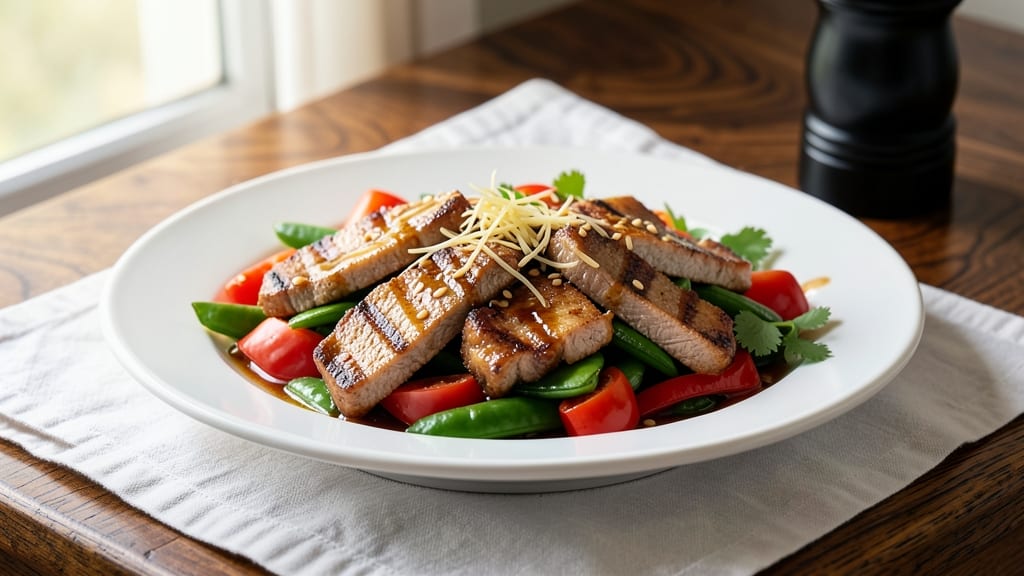
This Asian pork tenderloin stir fry delivers wok-hot spice and silky texture in under 30 minutes—exactly what I developed after years of perfecting quick weeknight dinners.
The secret lies in a two-step marinade that tenderizes while building layers of umami and heat, followed by a high-heat stir-fry that sears without overcooking.
My version balances traditional soy-ginger flavors with a modern honey finish that makes this dish equally at home on a busy Tuesday or weekend gathering table.
The recipe begins with thinly sliced pork tenderloin marinated in a blend of Asian-inspired spices—garlic, ginger, soy sauce, and a touch of honey—that transforms tough cuts into melt-in-your-mouth perfection.
While the pork marinates, I prepare a simple stir-fry sauce using rice vinegar, chili paste, and sesame oil, which adds depth without overwhelming the natural pork flavor.
The real magic happens in the wok, where I use a two-minute sear to lock in juices while creating a caramelized crust that holds up to every bite.
What you’ll end up with is a dish that’s restaurant-quality but home-cooked simple—tender, slightly sweet pork with a glossy sheen from the sauce, served over steamed rice or paired with quick-pickled vegetables for brightness.
The combination of silky texture and bold flavors makes this stir fry a crowd-pleaser, and the leftovers reheat beautifully for lunch the next day. It’s the kind of recipe that proves you don’t need hours in the kitchen to create something impressive.
For extra flair, I often finish with toasted sesame seeds and sliced scallions, adding both visual appeal and freshness. Serve with jasmine rice or noodles to soak up every last bit of that flavorful sauce. Let’s get cooking—this stir fry is a game-changer for busy nights.
Ingredients for asian pork tenderloin stir fry
Quick marinade, bold flavors, and silky pork—this stir fry brings restaurant heat home in 30 minutes.
| Ingredient | Amount | Notes |
|---|---|---|
| Pork Tenderloin 🥩 | 1 ½ lb | Thinly sliced against grain |
| Soy Sauce 🥄 | ½ cup | Low-sodium preferred |
| Honey 🍯 | 2 tbsp | Wildflower or clover |
| Fresh Ginger 🌿 | 2 tbsp | Grated, finely minced |
| Garlic Cloves 🧄 | 6 cloves | Minced, aromatic |
| Sesame Oil 🫒 | 1 tbsp | Toasted, for aroma |
| Rice Vinegar 🍶 | ¼ cup | Unseasoned, mild acidity |
| Red Chili Paste 🌶️ | 1 tbsp | Thai or sriracha |
| Sesame Seeds 🥜 | 1 tbsp | Toasted for garnish |
| Scallions 🧅 | 4 whole | Sliced, for freshness |
| Neutral Oil 🫒 | 2 tbsp | Avocado or vegetable |
| Diamond Crystal Kosher Salt 🧂 | ½ tsp | For seasoning |
| Black Pepper 🌶️ | ¼ tsp | Freshly ground |
| Jasmine Rice 🍚 | 1 ½ cups | Uncooked, for serving |
The pork tenderloin is your star—look for a piece with even thickness for consistent cooking. Costco or Whole Foods usually carry the best quality, but any well-marbled cut works. Slice it thinly against the grain (about 1/4-inch thick) for that signature stir-fry texture. Fresh ginger and garlic are non-negotiable here; Penzeys Spices sells pre-grated ginger if you're short on time, but fresh is always better. The honey should be wildflower or clover—avoid the overly processed kind that crystallizes fast. For the sesame oil, grab the toasted variety at Trader Joe's—it adds that nutty aroma that makes this dish sing.
No soy sauce? Coconut aminos works in a pinch, though it's slightly sweeter. Running low on rice vinegar? Apple cider vinegar at half the amount keeps the acidity balanced. The red chili paste can be swapped for sriracha or sambal oelek, but adjust the heat to your taste. If you're using pre-sliced scallions, rinse them well—they often come with dirt. For extra depth, toast the sesame seeds in a dry pan for 30 seconds before using. The jasmine rice? Day-O brand is my go-to—it's consistently fluffy and fragrant. And if you're worried about the pork drying out, don't be: the two-step marinade and quick sear lock in all the moisture.
Marinated pork keeps for 24 hours in the fridge—make extra for leftovers. The stir-fry sauce can be prepped ahead and stored for 5 days in an airtight container. For best texture, cook the rice separately and keep it warm in a rice cooker. This dish reheats beautifully—just add a splash of water or broth to the pan and stir-fry again. Portion leftovers into containers with a little sauce on top so they don't dry out. And trust me, the second day is even better as the flavors meld.
Why You'll Love This Recipe
- One-Pan Magic: I swear by this for nights when I’m too tired to scrub pots. The pork cooks right alongside the veggies—no flipping between pans, no mess. Just slice, sear, and stir.
- Sweet-Savory Balance: That honey-soy glaze? It’s the kind of flavor that sticks with you. The ginger and garlic mellow into something rich, while the pork stays tender enough to melt in your mouth.
- Lunchbox Hero: Between us, this is my go-to for meal prep. The leftovers reheat like a dream, and the sauce clings to everything so it doesn’t dry out. Pack it cold or warm—either way, it’s a hit.
- Budget Protein Power: Pork tenderloin is lean, affordable, and packs a punch. A single cut feeds four, and the sauce stretches easily. I’ve made this for date nights, potlucks, and even my picky teen—no complaints.
Step-by-step instructions for Asian pork tenderloin stir fry
This stir fry delivers perfectly tender pork with a glossy, aromatic sauce that balances sweet, tangy, and spicy notes.
Prep the Pork and Marinade Components
Slice the 1.5 lb pork tenderloin thinly against the grain into ¼-inch thick strips. This cut ensures maximum tenderness and even cooking. Pat the slices dry with paper towels—removing excess moisture prevents steaming instead of searing.
In a small bowl, whisk together the 0.5 cup soy sauce, 2 tbsp honey, 0.25 cup rice vinegar, 1 tbsp red chili paste, 1 tbsp sesame oil, 0.5 tsp kosher salt, and 0.25 tsp black pepper. The honey and vinegar create a perfect balance of sweetness and acidity, while the chili paste adds depth. Let this marinade sit at room temperature while you prepare the aromatics.
Sear the Pork for Maximum Flavor
Heat 2 tbsp neutral oil in a wok or large skillet over high heat until shimmering. Add the pork slices in a single layer and sear undisturbed for 1-2 minutes until the edges turn deep golden brown. This initial sear locks in juices and builds a flavorful crust. Work in batches if needed—don't overcrowd the pan or the pork will steam instead of sear.
Transfer the seared pork to a plate and set aside. The residual heat will keep it warm while you build the sauce. Here's the thing—if the pork releases easily from the pan, it's ready to move. If it sticks, let it cook another 30 seconds before gently lifting with a spatula.
Build the Stir Fry Sauce with Aromatics
Reduce the heat to medium-high and add the 2 tbsp minced fresh ginger and 6 cloves minced garlic to the same wok. Stir-fry for 30 seconds until fragrant—you should smell that pungent, zesty aroma. Add the reserved marinade and let it simmer for 1-2 minutes until slightly thickened. This step develops the sauce's complexity by caramelizing the aromatics.
Return the pork to the wok and toss everything together for 1 minute until fully coated. The pork should be tender but still slightly firm to the touch. If the sauce seems too thick, add 1-2 tablespoons of water to loosen it. The goal is a glossy, clinging sauce that coats every bite.
Finish with Freshness and Texture
Turn off the heat and stir in the 4 sliced scallions and 1 tbsp toasted sesame seeds. These final additions brighten the dish with fresh, crisp contrast and add a nutty crunch. Taste and adjust seasoning—you might want to add a splash more soy sauce for saltiness or a touch of honey for sweetness.
Serve immediately over 1.5 cups cooked jasmine rice, spooning the pork and sauce generously over each portion. The rice should be warm and slightly sticky, soaking up the flavorful juices. Garnish with extra sesame seeds if desired—this adds both visual appeal and texture to each bite.
Rest and Serve for Optimal Texture
Let the stir fry rest for 2-3 minutes before serving. This brief pause allows the juices to redistribute, ensuring each bite remains tender and flavorful. The pork should be silky yet still holding its shape, with a glossy sheen from the sauce.
For the best experience, serve with steamed vegetables or a simple cucumber salad on the side. The contrast of cool, crisp vegetables against the warm, spicy pork creates a perfect balance. Enjoy immediately—the flavors continue to meld even as you eat, making every bite more delicious than the last.
Pro Tips For Making Asian Pork Tenderloin Stir Fry
- SLICE THIN, COOK FAST: Pork tenderloin is lean—cut it into ½-inch slices before cooking, or you’ll end up with chewy, overworked meat. High heat for 2-3 minutes max per side; any longer and it’ll turn rubbery. (Yes, even if you’re impatient like me.)
- GINGER: GRATE, DON’T CHOP: I used to mince ginger and wondered why my stir-fry lacked depth. Freshly grated ginger (about 1 teaspoon) releases its oils better and blends smoother into the sauce. No microplane? A sharp knife and a lot of elbow grease works—but grate it last so it doesn’t turn to mush in the pan.
- SOY SAUCE FIRST, HONEY LAST: Add soy sauce to the pan before the pork hits the heat—it gives the meat time to absorb some of the flavor instead of just caramelizing on the surface. Toss in honey only in the final 30 seconds; too early, and it burns before the pork’s done. (Trust me, I’ve ruined batches this way.)
- REST THE MEAT, THEN SEAR: Pat the pork dry, season with salt, and let it sit uncovered on the counter for 10 minutes. This guarantees a better crust later. Skip this, and your stir-fry will steam instead of sear—no matter how hot your pan gets. (Your future self will notice the difference.)
Flavor customization for these flavors
Sweet & Spicy Twist
Swap the red chili paste for 1 tbsp gochujang (Korean chili paste) and add 1 tbsp sriracha to the marinade for a deeper, slightly smoky heat.
I often boost the sweetness with an extra 1 tbsp honey> and a dash of fish sauce>—this combo creates a sticky, caramelized glaze that clings beautifully to the pork. The gochujang adds fermented depth that stands up to the pork's natural richness. 🌶️
Umami Bomb Version
For maximum umami punch, add 1 tbsp oyster sauce> and 1 tsp miso paste> to the marinade. The miso brings a savory, almost cheesy note that pairs perfectly with the pork's inherent sweetness.
I also stir in 1 tsp toasted sesame paste> when building the sauce—it adds nutty complexity that elevates the dish to next-level restaurant quality. This version works especially well with thicker-cut pork slices.
Herb-Infused Freshness
Brighten the dish with 2 tbsp chopped fresh cilantro> and 1 tbsp Thai basil> stirred into the sauce at the end. The cilantro adds a citrusy freshness while the basil contributes an anise-like aroma that cuts through the richness.
For extra brightness, add 1 tsp lime zest> to the marinade—it enhances the acidity and keeps the flavors vibrant. Garnish with extra herbs before serving for maximum freshness. 🌿
Creamy Sesame Sauce
Transform this into a creamy stir-fry by adding 2 tbsp tahini> and 1 tbsp coconut milk> to the sauce after removing it from heat. Thin with 1-2 tbsp warm water> until smooth, then stir in 1 tsp rice vinegar> to balance the richness.
The tahini adds a luxurious silkiness that pairs beautifully with the crisp-tender pork. Serve with extra sesame seeds and sliced green onions for contrast. This version feels indulgent but stays quick to prepare.
Smoky BBQ Fusion
For a smoky twist, add 1 tbsp smoked paprika> and ½ tsp liquid smoke> to the marinade. Use ½ cup BBQ sauce> (I like Sweet Baby Ray's Original>) instead of the stir-fry sauce, thinning it with 1 tbsp water> if needed.
The smoky-sweet combination creates a bold flavor profile that works surprisingly well with the Asian-inspired marinade. Finish with crumbled bacon bits> for extra depth and serve with cornbread on the side.
Vegetable-Packed Version
Add 1 bell pepper (julienned)>, 1 cup snap peas>, and ½ cup shiitake mushrooms (sliced)> to the stir-fry during the final minute of cooking. The vegetables add texture and color while absorbing the flavorful sauce.
For extra crunch, toss in ½ cup bean sprouts> at the very end. This version makes the dish more substantial and visually appealing—perfect for serving a crowd or meal prepping for lunches. 🥦
Nutrition facts
Frequently asked questions
Can I substitute pork tenderloin with another cut of pork?
Yes, but choose wisely! For best results, use pork loin chops (thinly sliced) or pork shoulder (marinated longer, 4+ hours). Avoid fatty cuts like pork belly—they won't sear properly and may make the dish greasy. If using shoulder, slice thinly against the grain and marinate overnight for maximum tenderness.
How do I prevent the pork from drying out?
Three key tricks:
- Pat slices dry before marinating,
- Use high heat for quick searing (1-2 minutes max), and
- Don't overcrowd the pan. Cook in batches if needed, and always let the pork rest 2-3 minutes after cooking—this redistributes juices. The marinade's honey helps retain moisture too.
Can I make this stir fry ahead of time?
Marinate the pork up to 24 hours ahead. For the full dish, cook and cool completely, then refrigerate in an airtight container for 2 days. Reheat gently in a skillet with 1 tbsp water to restore moisture. The sauce may thicken—thin with a splash of water or broth. Serve over freshly cooked rice for best texture.
What's the best way to slice pork tenderloin for stir fry?
Slice ¼-inch thick strips against the grain for maximum tenderness. Use a sharp knife and cut at a 45-degree angle for uniform pieces. For even cooking, look for a tenderloin with even thickness—trim any thick spots. If your knife isn't sharp, ask your butcher to slice it for you.
Can I use this recipe with chicken or beef?
Yes, but adjust cooking times! For chicken breast, use 1 lb sliced ½-inch thick and cook 2-3 minutes total (it's leaner). For sirloin steak, slice ⅛-inch thick and sear 1 minute per side. The marinade works for both, but beef benefits from extra garlic (8 cloves) and 1 tbsp Worcestershire sauce for deeper flavor.