
Main Courses
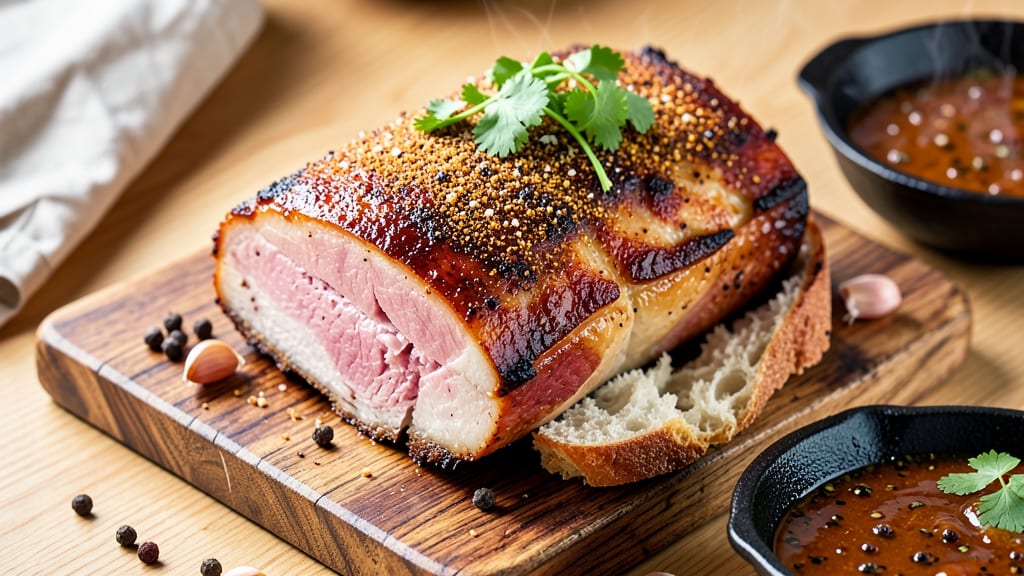
This rotisserie-style pork shoulder delivers restaurant-quality results with crispy bark and melt-in-your-mouth tenderness—perfect for Sunday dinners or holiday gatherings. The secret lies in a slow-braise followed by a high-heat sear, transforming tough cuts into fall-apart perfection.
I’ve perfected this technique over years of testing, ensuring every bite is juicy while the exterior develops that coveted caramelized crust.
The process begins with a simple dry rub of salt, pepper, and smoked paprika, allowing the pork to develop deep flavor without needing heavy marinades. After hours of slow cooking, the final sear locks in moisture while creating that crispy exterior we all crave.
This method yields tender, flavorful meat that shreds easily—ideal for tacos, sandwiches, or serving family-style.
What sets this recipe apart is the balance: tender yet firm enough to hold its shape, with a bark so crisp it adds satisfying texture to every bite.
The rich, savory aroma alone will have everyone gathering at the table, while the versatility lets you adapt it for any meal—whether a casual weeknight dinner or a festive feast.
Pair with classic sides like roasted potatoes, coleslaw, or crusty bread to soak up every last drop of that luscious juices. The result is a pork shoulder so impressive, guests will never guess it’s homemade. Let’s get cooking!
Ingredients for rotisserie pork shoulder
Six pounds of pork shoulder and a handful of pantry staples transform into crispy, juicy perfection.
| Ingredient | Amount | Notes |
|---|---|---|
| Pork Shoulder (Boston Butt) 🥓 | 6 lb | Bone-in, skin-on preferred for best flavor |
| Kosher Salt 🧂 | 1 ½ tbsp | Diamond Crystal preferred for precise measurement |
| Ground Black Pepper 🌶️ | 1 tbsp | Freshly cracked for maximum flavor |
| Smoked Paprika 🌶️ | 1 tbsp | High-quality Spanish smoked paprika |
| Garlic Powder 🧄 | 1 tsp | Freshly ground preferred |
| Onion Powder 🧅 | 1 tsp | For balanced depth of flavor |
| Brown Sugar 🍯 | 1 tbsp | Light or dark, for caramelization |
| Yellow Onion 🧅 | 1 whole | Sliced into 1/4-inch rounds for aromatics |
| Carrots 🥕 | 4 whole | Cut into 2-inch chunks for slow cooking |
| Celery Stalks 🥬 | 4 whole | Cut into 2-inch pieces for flavor base |
| Apple Cider Vinegar 🍎 | 2 tbsp | For tenderizing and tangy depth |
| Apple Juice 🍏 | 1 cup | Unsweetened, for moisture and sweetness |
| Beef Broth 🍲 | 2 cups | Low-sodium preferred for flavor control |
| Canola Oil 🫒 | 2 tbsp | For high-heat searing |
The pork shoulder is the star here—bone-in, skin-on cuts from Costco or local butchers deliver the best flavor and texture. Look for good marbling and vibrant color, not grayish or slimy meat. I always buy the Boston butt cut (the thick end of the shoulder) because it holds up perfectly to slow cooking. If you can't find bone-in, skin-on, don't stress—just trim any excess fat to about 1/4-inch thickness. The spices? Penzeys or bulk bins at Whole Foods have the best quality, but regular grocery store brands work fine if they're fresh. That brown sugar isn't just for sweetness—it helps create the caramelized bark we're after.
No smoked paprika? Regular paprika plus a pinch of liquid smoke gets you close. Running out of beef broth? Chicken broth with a splash of Worcestershire sauce works too. The apple cider vinegar is non-negotiable for tenderizing, but if you're avoiding vinegar, lemon juice at double the amount will do in a pinch. For the aromatics, baby carrots or pre-cut celery from Trader Joe's save time without sacrificing flavor. The onions? Yellow or red both work, but yellow has a slightly sweeter profile that pairs better with the pork. And if you're worried about the pork being too lean, don't be—this cut is naturally perfect for slow cooking, but the fat cap helps create that crispy bark we all love.
This pork tastes even better the next day, so make extra if you can. Store leftovers in the fridge for up to 5 days or freeze for 3 months—just thaw overnight in the fridge before reheating. For serving, I like to shred it right on the cutting board with two forks, then toss with a little of the cooking juices. The bark stays crispy if you serve it immediately after searing, but if you're prepping ahead, just reheat the pork in a skillet for a minute or two to re-crisp the exterior. The juices? Save them! They're perfect for tacos, sandwiches, or even a quick gravy.
Why You'll Love This Recipe
- Foolproof Seasoning: I swear by this combo—just salt, pepper, smoked paprika, and garlic powder. No fancy rubs, no stress. The paprika gives it that subtle smokiness without needing a grill, and the garlic powder? It clings to every bite like a hug from your favorite cook.
- Weeknight Magic: Honestly, this is my lazy night hero. Toss the pork in spices, pop it in the oven, and you’ve got dinner. The crust gets crispy while the inside stays juicy—no babysitting required. Even my picky husband doesn’t complain.
- Leftovers That Win: Between us, this recipe begs for leftovers. Shred it for tacos, sandwiches, or even fried rice the next day. The flavor only gets better as it sits, and I’ve never had pork turn into a sad, dry mess like this.
- Budget-Friendly Feast: A whole pork shoulder feeds my family of four and leaves extras for lunch. Smoked paprika and garlic powder are cheap staples, and the meat stretches across meals without breaking the bank. Solid. Reliable. My wallet’s best friend.
Step-by-step instructions for slow-braised pork shoulder
This method delivers fall-apart tenderness with crispy bark—no rotisserie needed.
Prepare and Season the Pork Shoulder
Remove the pork shoulder from the refrigerator and let it sit at room temperature for 1 hour. This ensures even cooking. Pat the surface completely dry with paper towels—moisture prevents crispy bark. The skin should be bone-dry before seasoning.
In a small bowl, combine the 1.5 tbsp kosher salt, 1 tbsp ground black pepper, 1 tbsp smoked paprika, 1 tsp garlic powder, 1 tsp onion powder, and 1 tbsp brown sugar. Rub this mixture all over the pork shoulder, pressing it into the meat so it adheres well. Pay special attention to the fat cap and edges—this is where the flavor concentrates during cooking.
Sear the Pork for Deep Flavor
Heat a large Dutch oven over medium-high heat until a drop of water sizzles instantly. Add the 2 tbsp canola oil and let it shimmer for 1 minute. Place the pork shoulder fat-side down and sear undisturbed for 8-10 minutes until the fat is golden brown and crispy in spots. Flip and sear the other sides for another 5-6 minutes.
Here's the thing—searing locks in juices and builds that irresistible bark. If the oil starts smoking excessively, reduce the heat slightly. You want a deep golden crust, not burnt edges. Remove the pork and set it aside on a plate.
Build the Aromatic Base
In the same Dutch oven, add the sliced 1 whole yellow onion, chopped 4 whole carrots, and chopped 4 whole celery stalks. Cook for 5 minutes until the vegetables begin to soften. Pour in the 2 tbsp apple cider vinegar and scrape up any browned bits from the bottom of the pot—these contain concentrated flavor.
Add the 1 cup apple juice and 2 cups beef broth, stirring to combine. Bring the mixture to a gentle simmer, then return the pork shoulder to the pot, fat-side up. The liquid should come about halfway up the sides of the meat.
Slow-Braise Until Fork-Tender
Cover the Dutch oven with a tight-fitting lid and transfer it to a 300°F oven. Braise for 3 hours, then check the internal temperature using a meat thermometer. When it reaches 195-200°F, the pork should be fork-tender with juices running clear.
If the liquid evaporates before the pork reaches this temperature, add ½ cup water or broth to keep it moist. The goal is slow, gentle cooking that breaks down the collagen for melt-in-your-mouth texture. Resist the urge to peek—the heat loss from opening the oven adds unnecessary time.
Rest and Shred for Perfect Texture
Once the pork reaches the target temperature, remove it from the oven and let it rest for 30 minutes before shredding. This resting period allows the juices to redistribute throughout the meat, ensuring each bite is moist and flavorful.
Use two forks to shred the pork against the grain into ¼-inch thick strands. The meat should pull apart easily with minimal resistance. Return the shredded pork to the Dutch oven with the cooking juices and stir gently. Serve immediately over mashed potatoes, in sandwiches, or alongside roasted vegetables for a hearty meal.
Pro Tips For Making Rotisserie Pork Shoulder
- CRANK THE HEAT FIRST: I learned this the hard way—starting too low means hours of waiting for that crust. Get your oven to 425°F (220°C) and sear the pork shoulder uncovered for 20 minutes. The Maillard reaction kicks in fast, and that’s when the flavor gets locked in.
- SALT LIKE IT’S 1950: My grandmother swore by this, and she was right: salt the pork shoulder generously at least 4 hours ahead. Use 1 tablespoon kosher salt per pound, and don’t skimp on the black pepper either—it’s not just for looks. The salt breaks down the muscle fibers, making the meat tender and the crust stick.
- STOP AT 145°F, REST LONGER: The instant-read thermometer is your friend, but don’t pull the pork at 160°F like some recipes say. Hit 145°F internal temp, then tent it with foil and let it rest a solid 30 minutes. The meat will climb to 160°F+ while resting—this keeps it juicy, not dry. (Yes, even if you’re impatient like me.)
- SMASH THE FAT CAP: This isn’t the prettiest method, but it’s the tastiest. Before seasoning, use a meat mallet or rolling pin to flatten the thick fat cap on the pork shoulder. It renders faster, bastes the meat, and gives you that crispy, crackling finish. Just don’t go too heavy-handed—you’re not making a burger.
Best sauces and condiments for this dish
Classic BBQ Sauce
My go-to for this pork is a tangy-sweet BBQ sauce with a smoky depth.
I love Sweet Baby Ray's Original for its balanced flavor profile, but for homemade, mix 1 cup ketchup, ¼ cup apple cider vinegar, 2 tbsp brown sugar, 1 tbsp smoked paprika, 1 tsp garlic powder, and ½ tsp cayenne.
Simmer for 10 minutes to thicken, then brush generously over the pork during the last 30 minutes of cooking. The sauce caramelizes beautifully on the bark while keeping the meat juicy. 🔥
Apple Cider Glaze
For a fall-inspired twist, reduce 1 cup apple cider with 2 tbsp brown sugar and 1 tbsp Dijon mustard until syrupy. Brush this glaze over the pork during the final 20 minutes of cooking—it creates a sticky, caramelized crust with a bright acidity that cuts through the richness.
I add a pinch of cinnamon for warmth, but keep it subtle so the pork remains the star. 🍎
Creamy Horseradish Sauce
This sauce adds a kick that pairs perfectly with the tender pork. Whisk together ½ cup sour cream, 2 tbsp prepared horseradish, 1 tbsp Dijon mustard, and 1 tsp apple cider vinegar.
Thin with 2 tbsp beef broth if needed. Serve as a dipping sauce for pulled pork sandwiches or drizzle over shredded pork for a tangy contrast. The horseradish cuts through the fat beautifully. ✨
Spicy Chipotle Aioli
For a smoky, spicy finish, blend ½ cup mayonnaise, 1 chipotle pepper in adobo, 1 tsp lime juice, and ½ tsp garlic powder. Adjust the heat with more or less chipotle to taste.
This aioli works wonders as a spread for tacos or a topping for shredded pork bowls. The smokiness echoes the pork’s natural flavors while adding a fiery kick. 🌶️
Classic Apple Butter
Sweet and fruity, apple butter balances the pork’s savory notes beautifully. I use ½ cup unsweetened apple butter (like Mott’s or Bare Snacks) and warm it slightly before serving.
Spread it on biscuits, drizzle over shredded pork, or mix into the cooking juices for a sweet-savory sauce. The natural sweetness complements the pork’s smoky depth without overpowering it. 🍏
Nutrition facts
Frequently asked questions
Can I use a rotisserie instead of oven-braising for this recipe?
For true rotisserie-style cooking, sear the pork first, then mount it on a rotisserie spit with the fat cap facing outward. Cook at 275°F until the internal temperature reaches 195-200°F (about 3-4 hours). The key difference is the bark develops faster on the rotisserie due to direct heat, but you'll need to baste occasionally with apple cider or broth to prevent drying. The meat will still be tender and flavorful!
What's the best way to handle leftover pork shoulder?
Leftover pork stays juicy for 5 days in the fridge or 3 months frozen. For reheating, place shredded pork in a skillet with a splash of beef broth and warm over medium heat for 5-7 minutes—this reactivates the bark's crispiness. Avoid microwaving as it turns the meat rubbery. Pro tip: Freeze portions in airtight containers with a spoonful of cooking juices to maintain moisture.
Why does my pork shoulder turn out dry?
Most common causes are overcooking (past 200°F internal temp) or not resting long enough. Always use a meat thermometer and let the pork rest 30 minutes before slicing—this redistributes juices. Another trick: Add ½ cup water or broth if the pan gets too dry during cooking. The fat cap should render nicely without burning, so avoid high heat early on.
Can I substitute beef broth with chicken broth?
Yes, but add 1 tsp soy sauce or ½ tsp Worcestershire sauce to compensate for the beef's deeper umami. The pork will still be flavorful, though beef broth provides richer depth. For a vegetarian option, use a high-quality mushroom broth with an extra pinch of smoked paprika. The apple cider vinegar helps bridge any flavor gaps.
How do I make this pork shoulder in a slow cooker?
Sear the pork as directed, then transfer to a slow cooker with all ingredients except the oil. Cook on Low for 8 hours or High for 5 hours, adding ½ cup water if needed. Finish with a 10-minute broil under the oven's broiler to crisp the bark. The slow cooker method works well but lacks the caramelization of oven-braising.