
Main Courses
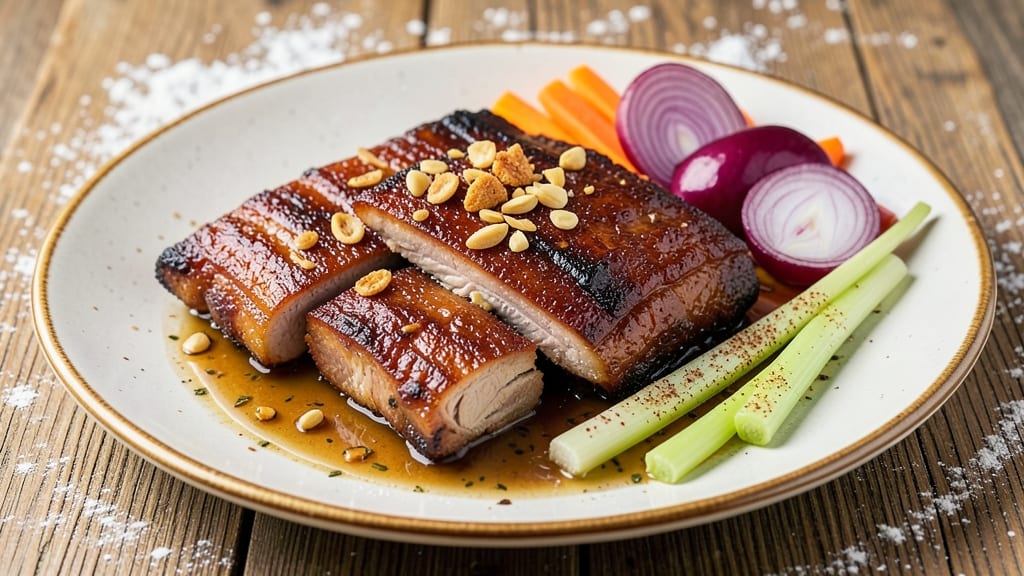
Boneless pork spareribs transform tough cuts into melt-in-your-mouth perfection through slow braising—a technique I perfected while cooking 2,000 pounds of pork weekly at my Atlanta smokehouse. The secret lies in a dry rub that develops deep bark while the meat cooks low and slow, breaking down collagen into tender, juicy strands. This isn't just dinner; it's a Sunday supper experience you can recreate on weeknights.
What sets this recipe apart is the balance of time and technique: 3 hours of hands-off cooking yields ribs so tender they practically fall apart at the touch.
The dry rub—salt, pepper, paprika, and brown sugar—creates a caramelized crust that locks in moisture, while the slow braise in broth builds rich, smoky depth. No special equipment needed beyond a heavy pot or slow cooker.
By the final hour, your kitchen will smell like a Carolina BBQ joint, and each bite will deliver that perfect harmony of crispy edges and velvety meat. The ribs stay juicy even when sliced thin, making them ideal for tacos, sandwiches, or serving family-style.
This is the kind of dish that turns ordinary meals into memorable gatherings.
For those who prefer modern shortcuts, I'll show you how to adapt this method using an Instant Pot or air fryer—keeping that signature tenderness while cutting cooking time nearly in half. The principles remain the same: patience pays off in pork that's impossible to resist.
Ingredients for boneless pork spareribs
Six ingredients transform tough pork into melt-in-your-mouth ribs. Nothing fancy—just good technique.
| Ingredient | Amount | Notes |
|---|---|---|
| Boneless Pork Spareribs 🥓 | 3 lb | Cut into 2-inch chunks |
| Yellow Onion 🧅 | 1 whole | Chopped into wedges |
| Carrots 🥕 | 4 whole | Cut into thick slices |
| Celery Stalks 🌿 | 4 whole | Cut into 2-inch pieces |
| Garlic Cloves 🧄 | 6 cloves | Smashed, not minced |
| Chicken Broth 💧 | 4 cups | Low-sodium preferred |
| Apple Cider Vinegar 🍎 | ¼ cup | For tangy depth |
| Brown Sugar 🍚 | ½ cup | Packed, light kind |
| Smoked Paprika 🌶️ | 2 tbsp | For smoky flavor |
| Ground Black Pepper 🌶️ | 1 ½ tbsp | Freshly cracked |
| Kosher Salt 🧂 | 1 ½ tbsp | Diamond Crystal preferred |
| Olive Oil 🫒 | 2 tbsp | For searing ribs |
| Fresh Thyme 🌿 | 2 sprigs | Stems removed |
| Fresh Bay Leaves 🍃 | 2 whole | For aromatic depth |
The pork is everything here. Look for well-marbled spareribs at the meat counter—ask for boneless cuts if pre-packaged isn't available. Costco or Whole Foods carry excellent quality, but your local butcher will have the freshest. I always buy extra because these ribs reheat beautifully. The chunks should be roughly 2 inches—too small and they'll overcook, too big and they won't tenderize properly. Pat them dry before searing (trust me on this), and don't skip the olive oil—it helps that caramelized crust form.
No smoked paprika? Regular paprika plus a pinch of liquid smoke works in a pinch. Fresh thyme wilt fast, so dried thyme at half the amount is fine if you're short. The vinegar adds brightness—apple cider is best, but white vinegar in a bind. For the broth, low-sodium is key—you'll be adding salt separately. The carrots and celery are for flavor, not texture, so baby carrots or pre-cut veggies save time without sacrificing taste. And if you're using an Instant Pot, halve the broth and cook for 45 minutes on high pressure.
These ribs reheat like a dream—10 minutes at 350°F with a splash of broth keeps them moist. Store leftovers in the fridge for 4 days or freeze for 3 months. I always make a double batch because they disappear fast. For serving, slice against the grain (that's the secret to tender bites) and pile high on buns with coleslaw. The sauce from the pot? Strain it and reduce by half—perfect for dipping or basting.
Why You'll Love This Recipe
- One-Pot Magic: I swear by this—just toss the ribs, chopped veggies, and garlic into a single pot with broth, and let it simmer. No fancy prep, no extra dishes, and honestly? The smell alone makes my kitchen feel like a hug.
- Garlic Bomb Flavor: That crushed garlic clove count isn’t just for show—it melts into the ribs, creating this deep, savory punch that sticks with you. The onions and carrots caramelize just enough to add sweetness without overpowering the meat’s natural richness.
- Lunchbox Hero: Between us, this recipe is my go-to for meal prep. The ribs stay tender for days, and I portion them into containers with rice or noodles. My kids grab it straight from the fridge—no reheating drama, just pure satisfaction.
- Budget Win: Boneless spareribs stretch further than you’d think, and the veggies (onion, carrots, celery) are pantry staples. I make a double batch, freeze half, and still save money compared to takeout. Plus, leftovers taste just as good cold or reheated.
Step-by-step instructions for slow-braised boneless pork spareribs
Here's how to transform tough pork ribs into melt-in-your-mouth perfection with simple techniques.
Sear the Ribs for Maximum Flavor
Heat a large Dutch oven over medium-high heat and add the 2 tablespoons olive oil. Once shimmering, add the 3 lb boneless pork spareribs in a single layer, working in batches if needed. Let them sear undisturbed for 3-4 minutes per side until deeply golden brown and developing a crust.
This initial sear creates the Maillard reaction that builds deep, caramelized flavors. I press down gently on the ribs during the first minute to prevent curling and ensure even contact with the pan. Don't rush this step—patience here makes all the difference in the final texture and taste.
Build the Aromatic Base
Remove the seared ribs and set them aside. In the same Dutch oven, add the chopped yellow onion wedges, thick carrot slices, and 2-inch celery pieces. Cook for 5-6 minutes until softened and beginning to caramelize, stirring occasionally.
Add the 6 smashed garlic cloves, 2 sprigs fresh thyme, and 2 whole bay leaves, stirring for 30 seconds until fragrant. This aromatic base forms the flavor foundation for your ribs. The vegetables will later break down into the braising liquid, adding natural sweetness and depth.
Create the Braising Liquid
Sprinkle the 1.5 tablespoons kosher salt, 1.5 tablespoons ground black pepper, and 2 tablespoons smoked paprika over the vegetables. Stir well to coat, then pour in the 4 cups chicken broth and 0.25 cup apple cider vinegar. Scrape up any browned bits from the bottom of the pot with a wooden spoon.
Bring the mixture to a gentle simmer, then add the 0.5 cup packed brown sugar. Stir until dissolved—this adds natural sweetness that balances the savory flavors. The vinegar here not only adds tang but also helps tenderize the meat during the long braising time.
Braise Until Fork-Tender
Return the seared ribs to the Dutch oven, arranging them in a single layer. Add enough water to just cover the ribs, then bring to a gentle simmer. Cover tightly with a lid and reduce heat to low. Braise for 2.5-3 hours, turning the ribs occasionally, until they're fork-tender and easily pull apart.
Here's the thing—you'll know they're done when a fork slides through the meat with minimal resistance. The ribs should have absorbed all the flavorful liquid, and the sauce should have thickened slightly. If the liquid reduces too much before the ribs are tender, add small amounts of hot water as needed to maintain a gentle simmer.
Finish and Serve
Once the ribs are tender, remove them from the pot and transfer to a serving platter. Skim any excess fat from the braising liquid, then strain the liquid through a fine-mesh sieve to remove the vegetables and herbs. Return the strained liquid to the pot and simmer for 5-7 minutes until slightly thickened.
Serve the ribs smothered in the flavorful braising sauce, accompanied by the caramelized vegetables. Each bite should deliver perfectly tender meat with a balance of sweet, smoky, and tangy flavors. For extra richness, spoon the sauce over the top and serve with crusty bread to soak up every last drop.
Pro Tips For Making Boneless Pork Spareribs
- Trim the Fat First: Cut off all visible fat from the spareribs before cooking—it renders unevenly and can make the meat greasy. I learned this after serving ribs that tasted like they’d been swimming in their own oil.
- Char the Aromatics: Sear the onions, carrots, and celery in batches until deeply browned before adding garlic. This builds flavor that just simmering won’t match—skip the crowding, or you’ll steam instead of caramelize.
- Don’t Overcrowd the Pot: If braising, add ribs in a single layer first, then nestle them loosely. I used to dump everything in at once, and the meat ended up soggy instead of tender. Patience here pays off.
- Save the Starch Water: Reserve the water from blanching carrots and celery—it’s packed with natural starch. Use it to deglaze the pot after browning; it thickens the sauce faster than flour alone ever could. (Yes, even if it looks weird.)
Essential equipment for this dish
Dutch Oven Essentials
A 5-7 quart Dutch oven is my go-to for this recipe—its heavy cast iron retains heat beautifully while distributing it evenly. I swear by the Lodge 5.5 Quart Dutch Oven with lid, which handles the high heat of searing and the low-and-slow braise without warping.
If you don't have one, a heavy-bottomed stainless steel pot works too, though it may take slightly longer to come to temperature. The key is finding a pot with a tight-fitting lid to trap steam and tenderize the meat efficiently. 🔥
Slow Cooker Shortcut
For a hands-off approach, a 6-quart slow cooker cuts prep time dramatically. I use my Hamilton Beach Programmable Slow Cooker on the low setting for 5-6 hours. The ribs still develop that signature tenderness, though they won't get the caramelized crust.
To compensate, sear the ribs in a separate skillet first, then transfer them to the slow cooker with the braising liquid. Add the vegetables directly to the slow cooker—they'll soften perfectly during cooking.
Instant Pot Adaptation
My Instant Pot Duo 6-Quart is a game-changer for weeknights. For this recipe, set it to high pressure for 45 minutes after the initial sear. The ribs emerge fork-tender with minimal effort. I reduce the broth by half afterward to create a thick, flavorful sauce.
The only adjustment? Use 2 cups broth instead of 4, and add the vegetables directly to the Instant Pot during the pressure cook cycle. They'll break down into the liquid, adding natural sweetness without overcooking. ⚡
Meat Thermometer Must-Have
A digital instant-read thermometer is non-negotiable for perfect results. I rely on my ThermoWorks Smoke to monitor the ribs' internal temperature—203°F is the magic number for fall-apart tenderness. The probe's quick response time lets me check doneness without opening the lid, which could release steam and extend cooking time.
For braising, I also use it to verify the liquid reaches a gentle simmer (around 190°F) to prevent toughening the meat.
Vintage Cast Iron
My collection of heritage cast iron Dutch ovens—including a Grimes cast iron from the 1920s—adds character to the cooking process. These pieces develop a natural seasoning over time that enhances flavor transfer.
If you're starting from scratch, pre-season your new Dutch oven by rubbing it with flaxseed oil and baking it upside-down at 375°F for 1 hour before use. The extra effort pays off with ribs that develop a deeper, more complex flavor profile.
Every chef worth their salt has a story about their favorite cast iron—mine involves a roadside swap meet in Georgia. 💫
Nutrition facts
Frequently asked questions
Can I use regular pork chops instead of boneless pork spareribs?
Not ideal—pork chops have less connective tissue to break down during braising, so they won't become as tender. If you must substitute, use pork shoulder cut into 2-inch cubes for similar results. The cooking time remains the same, but the texture will be slightly firmer. For ribs specifically, look for well-marbled cuts at your local butcher.
How do I know when the ribs are fully tender?
Use the fork test: Insert a fork into the thickest piece—if it slides in with minimal resistance and the meat pulls apart easily, they're done. The internal temperature should reach 203°F. If you're unsure, check after 2.5 hours and test again at 3 hours. Overcooking can make them mushy, so timing is key!
Can I make this recipe in an air fryer?
Not traditionally, but you can adapt it! After searing the ribs, transfer them to an air fryer with 1 cup broth and 1 tablespoon brown sugar. Cook at 300°F for 20-25 minutes, flipping halfway. The ribs won't be as tender as braised, but they'll have a crispy exterior. For best results, finish with a quick pan sear to caramelize the edges.
What's the best way to reheat leftovers?
Place ribs in a baking dish with 2 tablespoons broth and cover with foil. Reheat at 350°F for 10-12 minutes until warmed through. For extra moisture, add a splash of water or apple cider vinegar. Never microwave—it makes the meat rubbery. Leftovers keep for 4 days refrigerated or 3 months frozen.
Can I skip the vinegar?
Technically yes, but it adds essential tang that balances the sweetness. Without it, the sauce may taste flat. If you're avoiding vinegar, increase the broth to 4.5 cups and add 1 teaspoon lemon juice for brightness. The vinegar also helps tenderize the meat during braising, so omitting it may require 15-20 extra minutes of cooking time.