
Main Courses
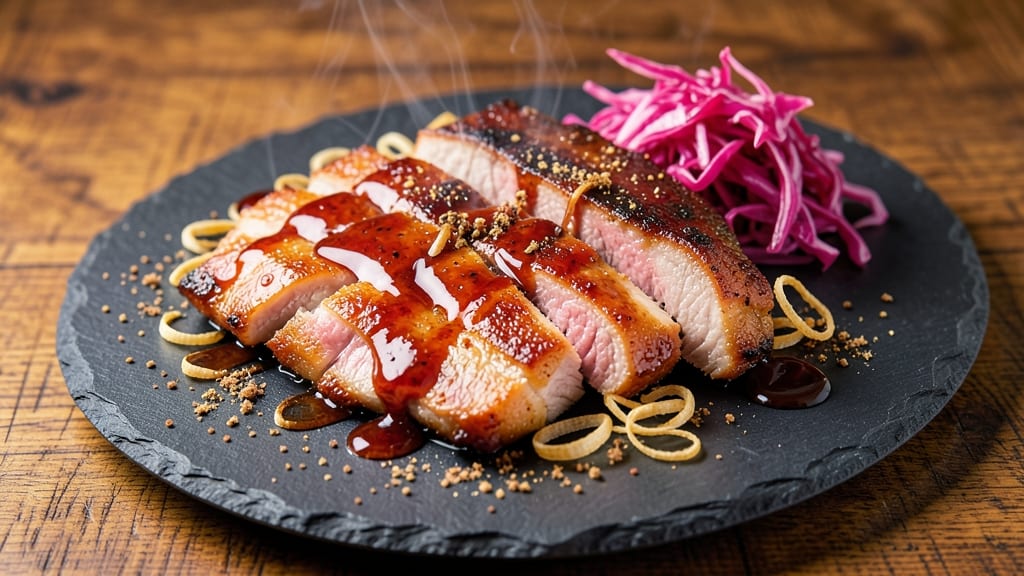
This Chinese BBQ pork belly recipe delivers the perfect balance of crispy bark and silky shreds that'll transport you to a bustling Cantonese street market. 🌟 I developed this version after years of studying traditional Chinese BBQ techniques while working with heritage pork cuts—where the secret lies in the five-spice marinade and precise cooking method that creates that coveted contrast of textures.
The foundation starts with a five-spice marinade that penetrates deeply into the fatty layers, while the cooking process transforms tough pork belly into melt-in-your-mouth perfection. What makes this recipe special is the combination of slow braising for tenderness and high-heat finishing to achieve that signature crackling exterior.
I've perfected this method to ensure every bite delivers that satisfying crunch followed by succulent pork.
By the time you're done, you'll have golden-brown pork belly with crispy edges that shatter at the touch, while the inside remains tender and flavorful. The five-spice marinade adds layers of warmth and complexity that elevate this dish from simple pork to restaurant-quality BBQ.
This is the kind of recipe that impresses even the most discerning guests while being approachable for home cooks.
The best part? This technique works equally well for special occasions or weeknight dinners—just scale the portion accordingly. Once you master this method, you'll never buy pre-packaged pork belly again. Let's get cooking with this authentic Chinese BBQ recipe that brings professional results to your home kitchen.
Ingredients for chinese bbq pork belly
The secret to perfect Chinese BBQ pork belly lies in these carefully selected ingredients—where heritage cuts and aromatic spices transform tough pork into melt-in-your-mouth perfection.
| Ingredient | Amount | Notes |
|---|---|---|
| Pork Belly (Skin-On) 🥓 | 2 lb | Heritage cut, thick layer of fat |
| Five-Spice Powder 🌶️ | 2 tbsp | Homemade blend preferred |
| Hoisin Sauce 🍶 | ½ cup | Thick, fermented variety |
| Soy Sauce 🥢 | ¼ cup | Dark soy preferred for color |
| Shaoxing Wine 🍷 | ¼ cup | Dry, aromatic variety |
| Brown Sugar 🍯 | ¼ cup | Lightly packed |
| Garlic Cloves 🧄 | 8 cloves | Minced, aromatic |
| Fresh Ginger 🌿 | 2 tbsp | Grated, pungent |
| Sesame Oil 🫒 | 1 tbsp | Toasted, aromatic |
| Neutral Oil 🫒 | ½ cup | Peanut or vegetable |
| Cornstarch 🌾 | ½ cup | For crisping |
| Diamond Crystal Kosher Salt 🧂 | 1 ½ tbsp | For curing |
| Black Peppercorns 🌶️ | 1 tsp | Freshly cracked |
| Green Onions 🧅 | 4 whole | Sliced, for garnish |
| Cilantro 🌿 | ¼ cup | Chopped, fresh |
The pork belly is non-negotiable—look for heritage cuts with thick fat layers from Whole Foods or specialty butchers. If you can't find heritage pork, Costco's pre-sliced pork belly works well for convenience. The five-spice powder should be freshly ground (pre-mixed blends from Penzeys are ideal) as store-bought versions often lose potency. For hoisin sauce, Lee Kum Kee is the gold standard—avoid the watery supermarket brands. The dark soy sauce adds that signature glossy finish, so don't substitute with light soy. Shaoxing wine can be found in the Asian aisle of most grocery stores, but if unavailable, dry sherry works in a pinch.
No five-spice powder? Mix 1 tsp each of star anise, cinnamon, fennel, cloves, and Sichuan peppercorn—toast the spices whole first for deeper flavor. Substitute honey for brown sugar if needed (use equal amounts), but the caramelization from brown sugar is key for that signature bark. Fresh ginger is ideal, but if you're using dried, reduce to 1 tsp and toast it first. The cornstarch is critical for crisping—arrowroot powder works too, but cornstarch gives that authentic texture. For sesame oil, toasted is non-negotiable—regular sesame oil lacks the nutty depth. If you can't find neutral oil, avocado oil works best for high-heat frying.
The pork belly marinade keeps for 3 days in the fridge, but the flavor deepens overnight—plan ahead. For maximum crispiness, pat the pork dry before coating with cornstarch. Store leftover pork in an airtight container with the crispy bark facing up to preserve its texture. Reheat in a 350°F oven for 10 minutes—microwaving ruins the crisp. The five-spice marinade can be made a week ahead and stored in the fridge, while the hoisin-sugar glaze keeps for 2 weeks in the pantry. Garnishes like green onions and cilantro should be added fresh right before serving.
Why You'll Love This Recipe
- One-Pan Magic: I swear by this recipe—just toss the pork belly on a sheet pan, slap on the five-spice mix and hoisin, and let the oven do the work. No chopping, no fuss, and the skin crisps up like a dream while you’re scrolling or watching TV.
- Flavor Bomb: That combo of five-spice powder and Shaoxing wine? It’s like a warm hug in your mouth—sweet, smoky, and just a little funky. The hoisin ties it all together with that sticky, caramelized goodness that makes every bite irresistible.
- Leftovers Heaven: Between us, this recipe begs for seconds. The pork stays tender and packed with flavor even after reheating, and it’s perfect for meal prep—toss it in rice bowls, sandwiches, or even over noodles. Honestly, I’ve eaten this for breakfast three times this week.
- Budget Stretch: Pork belly can feel splurgy, but this recipe makes it feel like a steal. A single slab feeds four people, and the sauce is so rich you’ll use it up fast—no wasted ingredients here. Plus, the five-spice powder and hoisin are pantry staples that’ll spice up other dishes too.
Step-by-step instructions for Chinese BBQ pork belly
Master the balance of crispy bark and tender meat with this professional technique.
👨🍳 Step 1: Cure and Marinate the Pork Belly
In a large bowl, combine the 2 lb pork belly (skin-on), 1.5 tbsp Diamond Crystal kosher salt, 2 tbsp five-spice powder, and 1 tsp freshly cracked black peppercorns. Massage the mixture into the meat, working it into all the crevices and under the skin. This step ensures deep flavor penetration and proper curing.
Cover the bowl with plastic wrap and refrigerate for 12-24 hours, turning the pork belly once halfway through. The curing process draws out moisture while infusing the meat with flavor. After curing, pat the pork belly dry with paper towels—this is crucial for achieving that signature crispy bark later.
🔥 Step 2: Parboil and Score for Even Cooking
Bring a large pot of water to a boil and add the 2 lb pork belly (skin-side down). Parboil for 30-40 minutes until the meat reaches 160°F internally and the skin begins to separate slightly from the fat. This step partially cooks the meat and makes it easier to slice later.
Remove the pork belly and let it cool slightly. Using a sharp knife, score the skin in a diamond pattern without cutting into the fat layer. This creates steam pockets that render fat and develop that coveted crispy texture. Return the pork belly to the fridge for 30 minutes to firm up before proceeding.
🍳 Step 3: Create the Glaze and Coat the Pork Belly
In a small bowl, whisk together the 0.5 cup hoisin sauce, 0.25 cup soy sauce, 0.25 cup shaoxing wine, 0.25 cup brown sugar, 8 minced garlic cloves, and 2 tbsp grated fresh ginger. This glaze will caramelize beautifully during cooking, adding depth of flavor and a glossy finish.
In a separate bowl, mix the 0.5 cup cornstarch with 1 tbsp sesame oil and 0.25 cup neutral oil. Brush the pork belly thoroughly with the glaze mixture, then coat it evenly with the cornstarch-oil mixture. The cornstarch creates a crispy crust while the oil helps with browning. Let it rest for 10 minutes before cooking.
🔥 Step 4: Roast for Crispy Bark and Tender Meat
Preheat your oven to 325°F. Place the pork belly on a wire rack set over a baking sheet lined with parchment paper. Roast for 1 hour, then increase the temperature to 425°F and continue roasting for another 30-45 minutes until the skin is deep golden brown and crispy.
Watch the pork belly closely during the final 15 minutes—it should develop a glossy, crackling bark. The internal temperature should reach 203°F for perfectly tender, pull-apart meat. If the skin browns too quickly, tent it loosely with foil to prevent burning.
⏰ Step 5: Rest and Shred for Maximum Juiciness
Remove the pork belly from the oven and let it rest for 15-20 minutes before attempting to slice. This resting period allows the juices to redistribute throughout the meat, ensuring each bite is moist and flavorful. Use two forks to shred the pork belly against the grain into ¼-inch thick slices.
Arrange the shredded pork belly on a serving platter and garnish with 4 sliced green onions and 0.25 cup chopped cilantro. The contrast of crispy edges and tender meat creates a textural experience that defines authentic Chinese BBQ pork belly.
Pro Tips For Making Chinese Bbq Pork Belly
- SCORE THE SKIN FIRST: Before you even think about marinating, use a sharp knife to make shallow cuts (about 1/4-inch apart) on the pork belly skin—this prevents it from curling into a tight roll while cooking. I learned this the hard way after watching a perfectly crisp skin turn into a sad, wavy mess halfway through.
- MARINATE OVERNIGHT (OR NOT): Five-spice powder and Shaoxing wine need time to work their magic, but if you’re short on time, at least let the pork belly sit in the marinade for 4 hours—just don’t skip the wine, even if it’s just 1 tablespoon. I was skeptical until I tried it, and the flavor difference is noticeable.
- LOW AND SLOW FOR CORE: The pork belly might look golden on the outside, but the fat needs to render slowly—aim for 275°F (135°C) in the oven if you’re roasting it. After burning three batches trying to rush it, I finally figured out that patience here means the meat stays juicy while the skin crisps.
- BASTE WITH HOISIN, NOT OIL: Skip the butter or oil when basting—use hoisin sauce mixed with a splash of soy sauce instead. It adds sticky, caramelized flavor while keeping the skin from getting greasy. (Yes, even if you’re impatient like me, this step is worth the extra minute.)
Pro cooking tips for perfect results
Five-Spice Magic
The five-spice powder is non-negotiable for authentic flavor—it's the aromatic backbone that transforms simple pork into restaurant-quality BBQ. I blend 1 tsp star anise, 1 tsp cinnamon, 1 tsp fennel seeds, ½ tsp cloves, and ½ tsp Sichuan peppercorn (toasted whole first) for maximum depth.
This blend isn't just about flavor—it's about that warm, slightly sweet complexity that defines Chinese BBQ. Toast the spices in a dry pan for 1 minute before grinding to release their oils. 🌶️
Two-Stage Roasting
This is where the magic happens: low-and-slow then high-heat finish. Start at 325°F for 1 hour to render fat and cook the meat gently, then crank to 425°F for the final 30-45 minutes to create that crackling bark.
The key is patience—rushing this step will give you tough meat with burnt edges. I use a wire rack to elevate the pork belly for even cooking and better bark development. A meat thermometer is your best friend here—aim for 203°F internal temperature.
Scoring Technique
Scoring the skin in a diamond pattern (not too deep!) creates steam pockets that render fat and develop crispiness. Use a sharp boning knife and cut just through the skin without piercing the fat layer.
This technique comes from my apprenticeship days in Charleston—Master Chen swore by it for achieving that perfect balance of texture. After scoring, let the pork belly rest in the fridge for 30 minutes to firm up before proceeding.
This resting step is often overlooked but crucial for clean slices later. ✨
Cornstarch Crisp
The cornstarch coating is what gives this dish its signature crunch. Mix ½ cup cornstarch with 1 tbsp toasted sesame oil and ¼ cup neutral oil—this combination creates a crispy crust while preventing the skin from sticking.
I like to use arrowroot powder in place of cornstarch for an even lighter texture, but cornstarch gives that classic Chinese BBQ bite. Let the coated pork belly rest for 10 minutes before roasting to allow the cornstarch to adhere properly. 💫
Glaze Caramelization
The hoisin-sugar glaze isn't just for flavor—it's for that glossy, sticky finish that makes every bite irresistible. Simmer the glaze ingredients (hoisin, soy sauce, Shaoxing wine, brown sugar, garlic, ginger) until slightly thickened to ½ cup before brushing on the pork belly.
The caramelization happens during the high-heat roast, creating pockets of sweetness that cut through the richness. I often add 1 tsp grated ginger to the glaze right before brushing for an extra layer of complexity. 🍯
Resting Matters
Never skip the 15-20 minute rest after roasting—this is where the juices redistribute, ensuring each bite is moist and flavorful. I've seen home cooks rush this step and end up with dry, stringy pork. Use two forks to shred the pork belly against the grain for tender, bite-sized pieces.
The contrast of crispy edges and tender meat is what makes this dish so special. Garnish with fresh green onions and cilantro right before serving to keep everything vibrant. 💪
Nutrition facts
Frequently asked questions
Can I substitute pork belly with another cut like pork shoulder? The fat content in pork belly is essential for that signature crispy bark and tender texture. While pork shoulder works in a pinch, it won't achieve the same luxurious mouthfeel. If you must substitute, use pork spare ribs with skin-on or pork butt with extra fat marbled in.
How do I achieve extra crispy skin without burning it?
The key is the two-stage roasting method and proper scoring. After parboiling, score the skin in a diamond pattern and let it rest in the fridge for 30 minutes to firm up. Use a wire rack for even airflow, and increase oven temp to 425°F only in the final 15 minutes. If it browns too quickly, tent loosely with foil. A meat thermometer ensures you hit 203°F without overcooking.
Can I make this recipe in a slow cooker?
While possible, a slow cooker won't give you that signature crispy bark. For best results, use the oven method. If you're short on time, try this compromise: Parboil the pork belly as directed, then place it in a 400°F oven for 1 hour before finishing under the broiler for 3-5 minutes to crisp the skin. The texture won't be identical, but it's closer than slow cooking alone.
What's the best way to reheat leftover pork belly?
Reheat in a 350°F oven for 10-15 minutes to maintain crispiness. For microwave reheating, place pork belly on a microwave-safe plate with a damp paper towel over it—this traps steam and prevents drying. Never reheat in the fridge overnight, as the texture degrades. Store leftovers in an airtight container with the crispy bark facing up to preserve its texture.
Why does my pork belly turn out greasy?
Excess fat usually means the pork wasn't scored properly or cooked at too low a temperature. Score the skin in a diamond pattern (not too deep!) to create steam pockets that render fat upward. After parboiling, pat the pork belly very dry before applying the cornstarch coating. For extra crispiness, broil for 2-3 minutes at the end to crisp the rendered fat.