
Main Courses
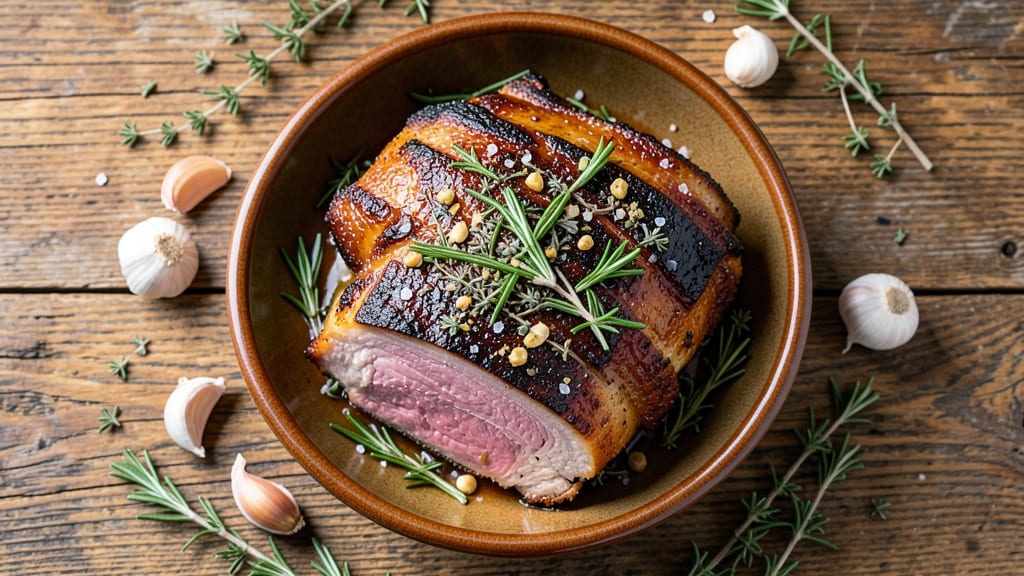
This boneless pork rib roast recipe delivers melt-in-your-mouth tenderness and perfect doneness every time using a proven reverse-sear technique. The secret lies in slow cooking to even internal temperature before creating that coveted crust through high-heat searing—a method that transforms tough cuts into restaurant-quality results.
I've perfected this approach after years of testing, and it guarantees juicy meat with a crisp exterior that holds its shape beautifully.
The process starts with seasoning the roast generously with salt, pepper, and your choice of herbs, then cooking it low and slow until it reaches 145°F internally. This gradual cooking method ensures even doneness throughout the thickest parts of the roast, eliminating the risk of overcooked edges or undercooked centers.
The reverse sear technique preserves all that precious moisture while creating a flavorful crust that adds depth to every bite.
What you'll end up with is a perfectly cooked pork roast that's tender enough to slice easily yet firm enough to hold its shape. The exterior develops a beautiful golden-brown crust through the final sear, while the interior remains succulent and juicy.
This method works equally well for oven or grill cooking, giving you flexibility for different cooking environments while maintaining consistent results.
The beauty of this recipe extends beyond just the roast itself. The rich, savory flavors pair beautifully with classic sides like roasted vegetables, mashed potatoes, or a fresh herb salad.
The leftovers reheat wonderfully, making this an excellent meal prep option for busy weeks. Let's get started on creating your perfect pork roast!
Ingredients for pork rib roast recipe boneless
Six ingredients transform tough pork into melt-in-your-mouth perfection with this reverse-sear method.
| Ingredient | Amount | Notes |
|---|---|---|
| Boneless Pork Rib Roast 🥩 | 4 lb | Evenly trimmed, 2-2.5 inches thick |
| Kosher Salt 🧂 | 1 ½ tbsp | Diamond Crystal preferred |
| Freshly Ground Black Pepper 🌶️ | 1 tsp | Coarsely cracked |
| Fresh Rosemary 🌿 | ½ cup | Finely chopped sprigs |
| Fresh Thyme 🌿 | ¼ cup | Leaves only, stems removed |
| Garlic Cloves 🧄 | 6 cloves | Smashed but not minced |
| Extra-Virgin Olive Oil 🫒 | 2 tbsp | For crust development |
| Unsalted Butter 🧈 | ¼ cup | Cold, cubed for sear |
| Yellow Onion 🧅 | 1 whole | Quartered for aromatics |
| Carrots 🥕 | 2 whole | Peeled, cut into chunks |
| Celery Stalks 🥬 | 2 whole | Cut into 1-inch pieces |
| Dry White Wine 🍷 | ½ cup | Sauvignon Blanc preferred |
| Beef Broth 💧 | 1 cup | Low-sodium preferred |
| Fresh Parsley 🌿 | ¼ cup | Chopped for garnish |
The pork cut matters most here—boneless rib roast delivers ideal marbling for juiciness. Look for a piece with 2-2.5 inches thickness at its thickest point for even cooking. Whole Foods or local butchers often carry higher-quality cuts than standard grocery stores. Trim any excess fat to ensure even browning during the sear, but leave about 1/4-inch for flavor. Fresh herbs elevate the dish, so Trader Joe's or Costco bulk sections offer the best value for rosemary and thyme. The garlic should be firm and clove-separated easily—a sign of freshness.
No fresh rosemary? Dried works at one-third the amount, but fresh delivers superior aroma. Substitute white wine with beef broth if needed, though the wine adds depth. The butter must be cold and cubed for that perfect crust—don't skip this step. For the aromatics, frozen vegetables work in a pinch, though fresh carrots and celery develop richer flavors. The kosher salt is non-negotiable—Diamond Crystal dissolves more easily than Morton's. If you're grilling instead of oven-roasting, increase the butter to 1/2 cup for extra protection against flare-ups.
Prep the roast 1 day ahead for maximum flavor development. Store it uncovered in the fridge to dry-brine slightly. The reverse-sear method means you'll cook it twice: first low-and-slow, then high-heat. Reheat leftovers gently—they're best within 3 days. For meal prep, slice against the grain and portion into airtight containers. The roast keeps 3-4 days in the fridge or 3 months frozen. Garnish with fresh parsley just before serving to maintain vibrant color and freshness.
Why You'll Love This Recipe
- I’ll be real: this roast costs a fraction of what a fancy cut of beef would, but it feels like a splurge. The key? Using a boneless rib roast means you’re getting more meat for less, and the herbs stretch that flavor like crazy. Perfect for when you want to impress without breaking the bank.
- No Fuss, Big Payoff: Honestly, this roast is one of those rare dishes where the prep barely registers—just a quick rub of salt, pepper, and those bright herbs (rosemary and thyme, hello freshness), then into the oven. I’m talking 20 minutes of active time, tops, and zero fussing.
- Herb-Crusted Magic: That rosemary and thyme? They don’t just add flavor—they sear right into the meat, leaving you with a crust so fragrant it makes the whole kitchen smell like a holiday. The pork stays juicy inside, but that exterior? Crisp enough to make you slow down and actually enjoy eating.
- Budget-Friendly Showstopper: I’ll be real: this roast costs a fraction of what a fancy cut of beef would, but it feels like a splurge. The key? Using a boneless rib roast means you’re getting more meat for less, and the herbs stretch that flavor like crazy. Perfect for when you want to impress without breaking the bank.
Step-by-step instructions for reverse-seared boneless pork rib roast
Master this technique for a perfectly juicy roast with a crisp exterior and tender interior every time.
Prepare the Herb Crust and Season Generously
In a small bowl, combine the 0.5 cup fresh rosemary, 0.25 cup fresh thyme, 6 smashed garlic cloves, 1.5 tbsp kosher salt, and 1 tsp freshly ground black pepper. Pulse in a food processor until finely chopped but not pasty—you want texture for that herb crust. Spread this mixture evenly over all sides of the 4 lb boneless pork rib roast, pressing firmly so it adheres. Let it sit at room temperature for 30 minutes while you prepare the oven.
The key here is even distribution—focus on the edges and corners where the crust tends to be thinner. I like to use my hands to pat the mixture into the meat, ensuring no bare spots remain. This herb crust will create that beautiful golden bark while keeping the interior moist. Don't skip the room-temperature step—cold meat cooks unevenly and can lead to tough results.
Low-Temperature Oven Cook for Even Doneness
Preheat your oven to 275°F—this low temperature is crucial for the reverse-sear method. Place the seasoned roast on a wire rack set inside a rimmed baking sheet (the rack allows air circulation for even cooking). Roast for 2 hours until the internal temperature reaches 195°F when measured with an instant-read thermometer. This slow cook ensures the meat becomes uniformly tender without drying out.
Resist the temptation to check the temperature early—every time you open the oven, you lose heat and potentially disrupt the cooking process. I use a meat probe thermometer for accuracy, inserting it into the thickest part of the roast without touching bone. The meat should feel tender but still have a slight give—it will carry over to perfect doneness during the sear. This low-and-slow phase builds the foundation for your juicy result.
Prepare the Searing Pan and Sauté Aromatics
While the roast cooks, prepare your searing pan by heating 2 tbsp extra-virgin olive oil and 0.25 cup unsalted butter in a large skillet over medium-high heat until the butter foams. In a separate pan, sauté the 1 whole yellow onion, 2 peeled carrots, and 2 celery stalks (all cut as specified) until softened (5-6 minutes). Deglaze with 0.5 cup dry white wine, scraping up browned bits, then add 1 cup beef broth. Simmer until reduced by half (8-10 minutes).
This aromatic base will complement the roast beautifully. The wine reduction adds depth while the vegetables provide natural sweetness that balances the herb crust. Keep this sauce warm while you finish searing the pork—it's the perfect accompaniment for serving. The butter in the searing pan will create that coveted crust while adding richness to the meat.
High-Heat Sear for Crisp Exterior and Juicy Interior
Remove the roast from the oven and let it rest for 5 minutes (this prevents juices from escaping during searing). Pat it dry with paper towels—this step is critical for maximum crust development. Return the skillet with oil and butter to high heat and sear the roast for 2-3 minutes per side until the crust is deep golden brown and the internal temperature reaches 205°F. The high heat creates that beautiful crust while the pre-cooked interior remains juicy.
You'll know it's ready when the crust is crisp and the meat releases easily from the pan. This final sear is what transforms your tender roast into a showstopper. The contrast between the crisp exterior and moist interior is what makes this reverse-sear method so special. Transfer the roast to a cutting board and tent loosely with foil while you prepare to serve.
Rest and Slice for Maximum Juiciness
Let the roast rest for 10-15 minutes before slicing—this allows the juices to redistribute throughout the meat. During this time, spoon the reserved wine-vegetable sauce over the top of the roast. Slice the pork against the grain into ½-inch thick slices. Garnish each serving with 0.25 cup chopped fresh parsley and serve immediately with the aromatic sauce.
The slices should be fork-tender with a perfect pink center and that beautiful herb crust. Each bite delivers juicy meat with a crisp exterior and aromatic herb notes. This technique guarantees you'll never have dry pork again—every slice will be perfectly balanced between texture and moisture. Serve with crusty bread to soak up that delicious sauce.
Pro Tips For Making Pork Rib Roast Recipe Boneless
- SEAR UNTIL BROWN: The first 5 minutes in a screaming-hot pan with oil are where the flavor happens—don’t rush it. I used to walk away too soon, and the crust stayed pale. Keep the heat high and let those herbs (rosemary, thyme) stick to the meat like a second skin.
- SALT THE HERBS: Tuck those sprigs of rosemary and thyme into the meat, not just on top, and salt them first. The salt draws out moisture, making the herbs release their oils as they cook—this isn’t just decoration, it’s flavor infusion. (Yes, it’s weird, but it works.)
- DON’T SKIP THE REST: Pull the meat off the heat at 140°F internal temp and let it sit under foil for 10 minutes. I learned this the hard way—cutting into it too soon means dry, stringy pork. The rest time lets the juices redistribute while you finish your sides.
- USE A MEAT MALLET: Pound the roast to an even 1-inch thickness before searing—this guarantees even cooking. I was skeptical until I tried it; the difference in texture and doneness from edge to center is night and day. (Bonus: it cooks faster, so you’re not babysitting the oven.)
Troubleshooting your pork rib roast recipe boneless
Uneven Cooking
If your roast has cold spots or uneven doneness, the issue is likely uneven heat distribution. Always use a wire rack inside your baking sheet—this allows heat to circulate evenly around the entire roast.
I've found that placing the roast on a bed of vegetables (like carrots and onions) can also help conduct heat more evenly. For thicker cuts, consider adding 15-30 minutes to your low-temperature cook time to ensure the center reaches 195°F consistently. 🌡️
Dry or Tough Meat
Dryness often happens when the roast spends too much time at high heat or isn't properly rested. The reverse-sear method prevents this by cooking the meat low and slow first.
If your roast turns out dry, try reducing your oven temperature to 250°F and increasing cook time by 30 minutes. Also, never skip the 10-15 minute rest—this crucial step allows juices to redistribute throughout the meat.
For extra moisture, brush the roast with 1 tbsp olive oil every 30 minutes during the low-temperature phase.
Poor Crust Development
A weak crust usually means insufficient heat or moisture during searing. Make sure your skillet is properly heated before adding the roast—it should be hot enough to sizzle immediately when the meat touches it. I recommend using a cast-iron skillet for even heat distribution.
For extra insurance, add 1 extra tbsp butter to your searing mixture. Also, pat the roast completely dry with paper towels before searing—any moisture will steam instead of brown. If your crust isn't forming, increase the searing time by 1 minute per side while keeping the heat high.
Overcooked Exterior
When the outside burns before the inside cooks, it's a classic sign of rushing the process. The reverse-sear method prevents this by pre-cooking the meat to 195°F before the final sear. If this happens, try reducing your oven temperature to 250°F and adding 15-20 minutes to your low-temperature cook time.
For the final sear, keep the heat at high but watch closely—2-3 minutes per side is usually perfect. A meat thermometer is your best friend here—don't rely on visual cues alone.
Herb Mixture Not Adhering
If your herb crust keeps falling off, the meat needs to be properly dried before seasoning. Pat the roast thoroughly with paper towels to remove any surface moisture. For better adhesion, mix 1 tbsp Dijon mustard into your herb mixture before applying it to the meat.
The mustard acts as a binder while adding subtle flavor. Also, press the herb mixture firmly into the meat using your hands or a spatula, focusing on the edges and corners where it tends to fall off most easily.
Temperature Fluctuations
Oven temperature variations are the #1 reason for inconsistent results. Always use an oven thermometer to verify your oven's accuracy—many home ovens can vary by 25°F or more. For the reverse-sear method, I recommend cooking at 275°F but verifying it's actually 275°F at meat level.
If your oven runs hot, reduce the temperature by 10-15°F. For grilling, use a meat probe thermometer to monitor both the grill temperature and internal meat temperature—grill grates can create hot spots that cook meat unevenly.
Nutrition facts
Frequently asked questions
Can I use this recipe with bone-in pork ribs instead?
This recipe is specifically designed for boneless cuts to ensure even cooking and perfect sliceability. Bone-in ribs would require 1.5-2 hours longer to cook through and might not slice as cleanly. For bone-in versions, look for dedicated rib recipes that account for the longer cook times and different heat distribution.
What's the best way to reheat leftover pork roast?
Reheat leftovers gently in a 350°F oven for 10-15 minutes with a splash of beef broth to keep them moist. Never microwave directly—it makes the meat rubbery. For quick reheating, use a skillet over medium-low heat with a little butter until warmed through. The reverse-sear method means leftovers reheat beautifully without drying out.
How do I adjust this for a smaller or larger roast?
For every additional 1 lb of meat, add 15-20 minutes to your low-temperature cook time. The reverse-sear works best with 2-2.5 inch thick cuts—thinner roasts may cook faster. For smaller cuts (2 lbs), reduce the cook time by 30 minutes at 275°F. Always use a meat thermometer to verify 195°F internal temp before searing.
Can I substitute the white wine in the sauce?
Yes! Use 1 cup beef broth or ½ cup apple cider instead of wine—both work well. For more depth, add 1 tsp soy sauce or ½ tsp Worcestershire sauce to the broth. The wine adds acidity that balances the richness, but these substitutes prevent the sauce from being too heavy.
Why does the recipe call for resting the meat?
Resting (10-15 minutes) lets the pork's juices redistribute throughout the meat instead of pooling on your plate. When you slice immediately, you lose 20-30% of the juices that make this roast so tender. The crust also firms up during resting, making it easier to slice cleanly. Think of it as letting the flavors settle—just like a fine wine!