
Main Courses
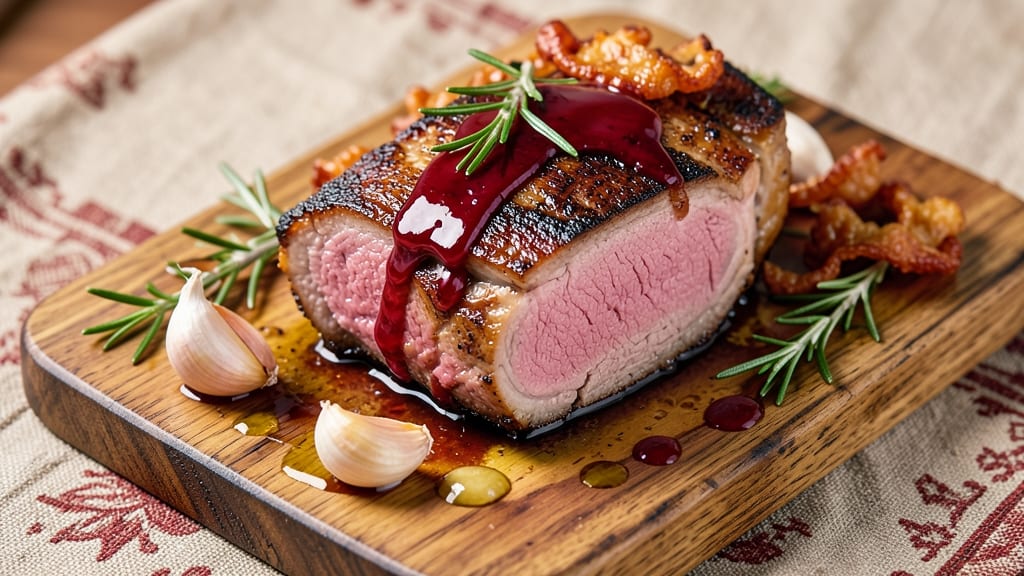
This boneless pork ribeye roast recipe in the oven delivers restaurant-quality results with minimal effort—juicy, caramelized perfection that transforms any weeknight dinner. After years of perfecting oven-braising techniques, I’ve cracked the code for achieving tender, flavorful meat that practically falls apart with the slightest touch.
The secret lies in slow cooking at low temperatures, allowing the pork to develop deep, rich flavors while staying impossibly moist.
What sets this recipe apart is the foolproof method that ensures perfectly juicy meat every time, even for beginners. A simple marinade of garlic, rosemary, and red wine creates a flavor base that deepens during cooking, while a light coating of olive oil helps form a beautiful caramelized crust.
The oven does all the heavy lifting—no need for complicated techniques or expensive equipment.
By the time you slice into this roast, you’ll find meat that’s tender and succulent, with a golden-brown exterior that’s crisp enough to hold a toothpick. The aromas alone—smoky, savory, and herbaceous—will have everyone at the table asking for seconds.
Serve with roasted potatoes or a simple green salad for a complete meal that’s both impressive and effortless.
This recipe is designed to be restaurant-quality at home, with clear instructions that guide you through every step—from marinating to resting. The result? A showstopping centerpiece that’s worth the time and effort. Let’s get started on creating your most flavorful roast yet.
Ingredients for boneless pork ribeye roast recipe oven
The secret to juicy, caramelized pork roast lies in these simple yet powerful ingredients.
| Ingredient | Amount | Notes |
|---|---|---|
| Boneless Pork Ribeye Roast 🍖 | 3 lb | Center-cut for tenderness |
| Red Wine 🍷 | ½ cup | Bold dry variety preferred |
| Olive Oil 🫒 | ¼ cup | Extra-virgin for richness |
| Garlic Cloves 🧄 | 6 cloves | Minced for marinade |
| Fresh Rosemary 🌿 | ¼ cup | Chopped, stems removed |
| Kosher Salt 🧂 | 1 ½ tbsp | Diamond Crystal preferred |
| Ground Black Pepper 🌶️ | 1 tbsp | Freshly cracked |
| Yellow Onion 🧅 | 1 whole | Sliced into wedges |
| Carrots 🥕 | 2 medium | Peeled, cut into chunks |
| Celery Stalks 🥬 | 2 whole | Cut into 1-inch pieces |
| Fresh Thyme 🌿 | ¼ cup | Leaves only, chopped |
| Beef Broth 💧 | 1 cup | Low-sodium preferred |
The pork ribeye is the star here—center-cut for maximum tenderness and flavor. Costco or Whole Foods always have the best quality, but your local butcher can trim it perfectly if you're feeling fancy. Look for good marbling and bright red color—those are your telltale signs of a great cut. Fresh rosemary and thyme make all the difference here; grab them from the grocery store's produce section—they should smell vibrant and fresh, not wilted. The garlic? Use the good stuff—none of that pre-minced nonsense. If you're in a pinch, frozen works, but fresh is always better.
No red wine? Substitute beef broth with a splash of balsamic vinegar—it'll give you that same deep, savory punch. Running low on fresh thyme? Dried thyme at one-third the amount works in a bind. The carrots and celery are just flavor boosters—any root vegetable will do if that's what you've got. For the olive oil, stick with extra-virgin—it's worth the splurge for that rich flavor. And if you're worried about the pork being too lean, don't be—this method keeps it impossibly moist. The key is patience, so let the oven do the heavy lifting.
This roast reheats like a dream—tastes even better the next day once all the flavors meld together. Store leftovers in an airtight container in the fridge for up to 4 days, or freeze for 3 months if you're planning ahead. I like to slice it thin and serve it on a platter with extra marinade drizzled on top—instant crowd-pleaser. For extra presentation, garnish with fresh rosemary sprigs and a sprinkle of cracked black pepper. Trust me, it's worth the effort.
Why You'll Love This Recipe
- No-Fuss Roast: I swear by this one—just sear the pork, toss it in a pan with wine and garlic, then let the oven do the work. No basting, no fussing, no stress.
- Wine-Infused Magic: That splash of red wine? It turns the pork into something luxurious without the restaurant price tag. The rosemary clings to every bite, and the garlic? Chef’s kiss.
- Leftovers That Shine: I make this on Sundays because the slices reheat beautifully—crispy edges, tender inside. Sandwiches, salads, or just straight-up cold cuts? It’s all good.
- Budget Crowd-Pleaser: A single roast feeds six, and the ingredients cost less than takeout. Plus, the wine and herbs make it feel special—no one guesses it’s a weeknight meal.
Step-by-step instructions for oven-braised pork ribeye roast
Here's how to transform a simple pork roast into melt-in-your-mouth perfection with rich caramelized flavors.
Sear the Roast for Maximum Flavor
Preheat your oven to 425°F for 20 minutes to get it screaming hot. Heat a large Dutch oven over medium-high heat and add the 0.25 cup olive oil. Once shimmering, place the 3 lb boneless pork ribeye roast in the pot, fat-side down, and sear for 4-5 minutes until deeply browned on one side.
Flip the roast and sear the other side for another 4-5 minutes. The goal is to create a deep, flavorful crust that will lock in juices during the braise. While it sears, I like to sprinkle a pinch of the 1.5 tbsp kosher salt and 1 tbsp ground black pepper directly onto the meat—this helps build flavor as it cooks.
Build the Aromatic Base
Remove the roast from the pot and set it aside. In the same Dutch oven, add the 1 whole yellow onion, 2 medium carrots, and 2 whole celery stalks that you've chopped into even pieces. Cook them for 5-6 minutes until they begin to soften and release their natural sweetness.
Add the 6 cloves minced garlic cloves, 0.25 cup chopped fresh rosemary, and 0.25 cup chopped fresh thyme to the pot. Stir everything together for 30 seconds until the garlic becomes fragrant and the herbs release their piney aroma. This aromatic base forms the flavor foundation for your braise.
Deglaze and Create the Braising Liquid
Pour in the 0.5 cup red wine and scrape up all the browned bits from the bottom of the pot with a wooden spoon. These bits, called fond, are packed with flavor that will dissolve into your braising liquid. Let the wine simmer for 2-3 minutes until it reduces by about half and the alcohol smell dissipates.
Add the 1 cup beef broth and bring the mixture to a gentle simmer. The liquid should come about halfway up the sides of the roast. If it's too shallow, add a splash of water to help create steam. Return the roast to the pot, fat-side up, and place it in the preheated oven.
Braise to Juicy Perfection
Cover the Dutch oven with a tight-fitting lid and transfer it to the oven. Braise the roast for 2 hours at 325°F. This low-and-slow cooking method breaks down the connective tissue, transforming tough muscle fibers into tender, fork-tender meat.
After 2 hours, check the internal temperature with a meat thermometer. It should read 200-203°F—this is the magic range for perfectly tender, juicy pork. If it's not there yet, continue cooking for another 30-45 minutes, checking periodically. The vegetables should be tender but still holding their shape.
Rest and Serve with Pan Sauce
Once the roast reaches the perfect temperature, remove it from the oven and transfer it to a cutting board. Tent it loosely with aluminum foil and let it rest for 15-20 minutes. This resting period allows the juices to redistribute throughout the meat, ensuring each slice is moist and flavorful.
While the roast rests, skim off any excess fat from the braising liquid in the pot. Return the pot to the stovetop over medium heat and simmer the liquid uncovered for 5-7 minutes to thicken it slightly into a rich sauce. Slice the roast against the grain into ½-inch thick slices and serve it with the pan sauce spooned over the top, accompanied by the tender vegetables.
Pro Tips For Making Boneless Pork Ribeye Roast Recipe Oven
- Sear First, Roast Slow: The pork ribeye needs a deep brown crust to hold flavor—don’t skip the high-heat sear in olive oil before adding wine. After browning all sides, reduce heat to 300°F (150°C) and let it cook low and slow; rushing this step means dry, bland meat.
- Crush Garlic, Don’t Slice: Whole garlic cloves burn and turn bitter in wine-based braises. Lightly crush them with the flat side of your knife—just enough to bruise, not pulp—so they infuse flavor without turning the sauce bitter. (Yes, even if you’re impatient like me.)
- Deglaze Aggressively: After searing, don’t just pour in the wine and walk away. Scrape up every browned bit from the pan with a wooden spoon—those bits are pure flavor. Let it reduce by half before adding the pork back in, or you’ll end up with a watery sauce.
- Rest Before Carving: I learned this the hard way—slicing into roast pork straight out of the oven means juices pooling on your plate instead of your meat. Tent it with foil and let it rest a solid 10 minutes; the internal temp will drop slightly, but the result is juicy, even slices every time.
Health benefits of this recipe
Protein Powerhouse
This boneless pork ribeye roast delivers a lean yet satisfying protein punch—about 40 grams of protein per 4-ounce serving. That means you're getting nearly half your daily protein needs from just one portion, perfect for muscle repair or post-workout meals.
Unlike fatty cuts, this roast provides protein without excessive saturated fat, making it a heart-healthier choice. 💪
Rich in B Vitamins
Pork is one of nature's best sources of essential B vitamins, particularly B12 and niacin, which help convert food into energy and support nerve function. A 3-pound roast contains more than 100% of your daily niacin needs, helping maintain healthy skin and digestive function.
These nutrients also play a key role in keeping your metabolism running efficiently.
Mineral Benefits
Don't overlook the mineral content—this roast provides significant amounts of zinc (about 15% of daily value per serving) and phosphorus (about 20% of daily value).
Zinc supports immune function and wound healing, while phosphorus works with calcium to strengthen bones. The slow-cooking method actually enhances mineral availability, making this a nutrient-dense choice.
Low-Fat Option
While pork often gets a bad rap for being fatty, this boneless ribeye cut is surprisingly lean when prepared properly. The braising method helps render excess fat while preserving moisture, resulting in a dish that's under 10 grams of fat per serving.
The red wine marinade adds flavor without adding calories, making this a smart choice for those watching their fat intake. 🌿
Digestive Benefits
The slow cooking process breaks down tough connective tissues, making the pork easier to digest. This is especially beneficial if you have sensitive digestion—your body absorbs nutrients more efficiently from tender, well-cooked meat.
The rosemary and thyme in the marinade also contain digestive enzymes that aid in nutrient absorption, giving you a double health boost.
Meal Prep Advantage
One of my favorite benefits is how well this roast reheats—tastes even better the next day as flavors meld together. The slow-cooked method makes it perfect for meal prep, providing 3-4 balanced meals from a single roast.
Store leftovers in airtight containers for up to 4 days or freeze for 3 months without losing quality. It's a time-saving health win! 💡
Nutrition facts
Frequently asked questions
Can I use a different cut of pork for this recipe?
While boneless pork ribeye is ideal, you can substitute with pork loin roast or pork shoulder. For loin, reduce cooking time by 30 minutes since it's leaner. Pork shoulder will need an extra 1-2 hours of braising to become tender. The key is to aim for an internal temp of 200-203°F regardless of cut.
How do I know when the pork is fully cooked?
Use a meat thermometer to check the internal temperature—it should read 200-203°F for perfect tenderness. The meat will pull away slightly from the bone and feel very soft when pressed. If you don't have a thermometer, cut into the thickest part: juices should run clear, not pink.
Can I make this recipe without red wine? Replace the 0.5 cup red wine with 0.5 cup beef broth plus 1 tbsp balsamic vinegar for depth. Or use 0.5 cup apple cider for a sweeter profile. The wine adds complexity, but these substitutes work beautifully. Just
Why does the pork need to rest after cooking?
The 15-20 minute rest is crucial—it lets juices redistribute throughout the meat instead of pooling on your plate. When you slice immediately, you lose 30-40% of the juices, making the meat dry. This waiting period ensures each bite stays moist and flavorful. Think of it as letting the meat "recharge" before serving.
What's the best way to reheat leftovers?
Slice the roast and reheat in a skillet with 1 tbsp beef broth over medium-low heat for 3-4 minutes until warmed through. For oven reheating, cover with foil and bake at 300°F for 15-20 minutes. Never microwave—it turns the meat rubbery. The pan sauce reheats beautifully too!