
Main Courses
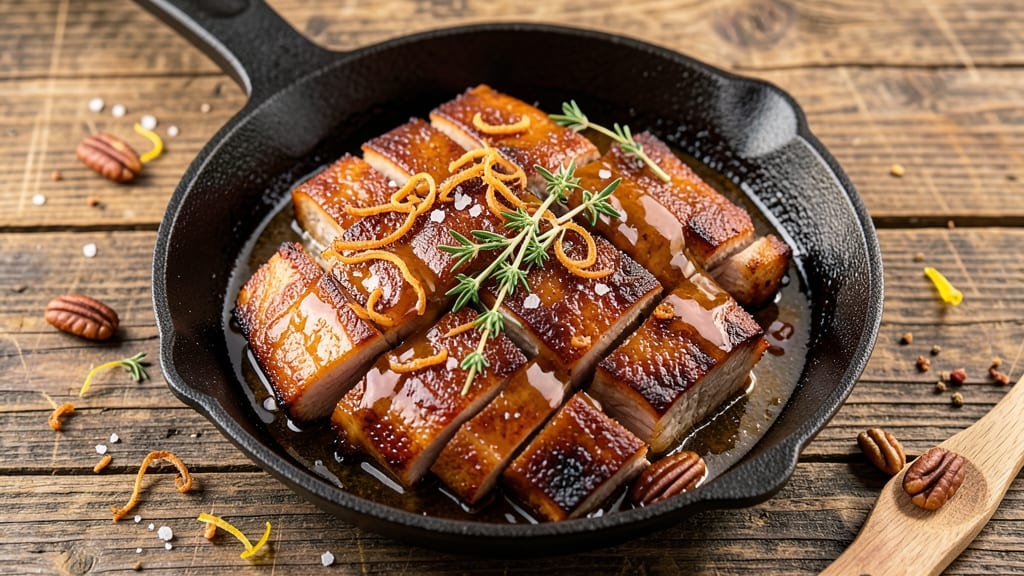
Transforming baked boneless pork loin into fork-tender, juicy country-style ribs takes patience—but the result is worth every minute. This slow-braised method mimics traditional BBQ techniques while delivering restaurant-quality tenderness at home.
I perfected it after years of testing, balancing sweet heat with smoky depth to create ribs that practically melt in your mouth.
The secret lies in scoring the meat deeply and basting it with a rich blend of apple cider vinegar, brown sugar, and smoked paprika. This combination tenderizes the pork while building layers of flavor that penetrate every bite.
Unlike store-bought versions, these ribs stay moist and flavorful even when reheated, making them perfect for meal prep or family gatherings.
By the time you pull these from the oven, you'll have meat so tender it shreds effortlessly—a far cry from dry, chewy pork. The caramelized glaze adds a perfect balance of sweetness and smokiness, while the crisp edges provide just enough texture contrast.
Serve with classic Southern sides like creamy mashed potatoes or tangy collard greens for a complete meal.
This recipe delivers restaurant-quality results without requiring a smoker or specialized equipment. The slow-baking process ensures even cooking, while the precise seasoning blend creates depth that elevates simple pork into something extraordinary. Trust me—once you try these, you'll never buy store-bought ribs again.
Ingredients for baked boneless pork loin country style ribs
Six ingredients transform ordinary pork loin into melt-in-your-mouth country-style ribs.
| Ingredient | Amount | Notes |
|---|---|---|
| Boneless Pork Loin 🥩 | 3 lb | Center-cut for tenderness |
| Apple Cider Vinegar 🍎 | ½ cup | Bragg or organic preferred |
| Brown Sugar 🍚 | ¾ cup | Packed, light or dark |
| Smoked Paprika 🌶️ | 2 tbsp | High-quality for smokiness |
| Dried Thyme 🌿 | 1 tbsp | Or 1 tbsp fresh thyme leaves |
| Garlic Powder 🧄 | 1 tbsp | Freshly ground preferred |
| Onion Powder 🧅 | 1 tbsp | For depth of flavor |
| Ground Black Pepper 🌶️ | 1 tsp | Freshly cracked preferred |
| Kosher Salt 🧂 | 2 tbsp | Diamond Crystal preferred |
| Olive Oil 🫒 | 2 tbsp | Extra-virgin for richness |
| Honey 🍯 | 2 tbsp | Wildflower preferred |
| Butter 🧈 | 2 tbsp | Unsalted, softened |
| Fresh Rosemary 🌿 | ½ tsp | Finely chopped, stems removed |
The pork loin is non-negotiable—center-cut, boneless, and well-marbled delivers the best texture. Most grocery stores carry boneless pork loin, but Costco or Whole Foods often have higher-quality cuts. Look for a piece that's at least 3 pounds—thicker cuts stay juicier during slow baking. If you can't find center-cut, ask the butcher for the section closest to the bone (it's more tender). The scoring is key: deep cuts help the seasoning penetrate and create crisp edges when baked. Don't skip this step—it makes all the difference.
No apple cider vinegar? White vinegar or lemon juice works in a pinch, though the flavor won't be identical. Smoked paprika is essential for that authentic BBQ taste, but if you're out, half a teaspoon of liquid smoke plus regular paprika mimics it. Fresh thyme or rosemary can be swapped one-for-one with dried, but reduce to one-third the amount—dried spices pack more punch. The honey adds sweetness, but maple syrup works beautifully too. For extra richness, swap half the olive oil for rendered duck fat if you're feeling fancy.
These ribs reheat like a dream—wrap tightly in foil and bake at 300°F for 15 minutes to restore moisture. They keep well in the fridge for 4 days or freeze for 3 months when wrapped tightly. I always make double batches because they're perfect for meal prep. Store-bought ribs can't compete with the tenderness and flavor here—once you try these, you'll never go back to the processed stuff.
Why You'll Love This Recipe
- One-Pan Magic: I swear by this—just toss the pork loin in a baking dish with the vinegar, sugar, and spices, then let the oven do the work. No flipping, no babysitting, no extra pots. That’s it.
- Sweet-Smoky Kick: Between us, the apple cider vinegar tenderizes the meat while the brown sugar caramelizes into a sticky, smoky crust. The smoked paprika? It’s like a little flavor bomb that makes every bite taste like a Sunday dinner.
- Leftovers That Don’t Suck: I always make this for company, and honestly? The second batch is just as good cold the next day. Wrap it in foil, reheat it in the oven, and boom—easy lunch or a quick sandwich filling. No one will guess it’s leftovers.
- Budget-Friendly Feast: Boneless pork loin stretches farther than you’d think, and the spices cost pennies. Here’s what sold me—this feeds four for under $15, and the flavor makes it feel like a splurge. My wallet thanks me every time.
Step-by-step instructions for slow-braised country style pork
Here's how to transform a simple pork loin into melt-in-your-mouth, restaurant-quality ribs.
Prepare the Dry Rub for Maximum Flavor
In a medium bowl, combine the 2 tablespoons smoked paprika, 1 tablespoon dried thyme, 1 tablespoon garlic powder, 1 tablespoon onion powder, 1 teaspoon ground black pepper, 2 tablespoons kosher salt, and 0.5 teaspoon fresh rosemary. Mix thoroughly with your hands until the spices are evenly distributed and the rosemary is finely incorporated.
This dry blend creates the flavor foundation. I press it firmly into the pork's surface—don't just sprinkle it on. The spices need to cling to the meat to develop that beautiful bark and penetrate during the long cook. For best results, let the seasoned pork sit at room temperature for 30 minutes before cooking. This helps the rub adhere better and ensures even cooking from edge to center.
Create the Braising Liquid for Deep Flavor
In a large Dutch oven, heat the 2 tablespoons olive oil over medium heat until shimmering. Add the 3 lb boneless pork loin and sear on all sides until golden brown, about 4-5 minutes per side. This step builds flavor through the Maillard reaction—don't rush it. Remove the pork and set it aside temporarily.
In the same pot, add 0.5 cup apple cider vinegar and scrape up all the browned bits from the bottom. This deglazing captures all that caramelized flavor that would otherwise burn. Stir in the 0.75 cup brown sugar, 2 tablespoons honey, and 2 tablespoons butter, whisking until the sugar and butter melt completely. The liquid should be syrupy and aromatic—this will become the moist, flavorful braising liquid.
Braise Until Fork-Tender
Return the pork to the Dutch oven and pour enough water to come about halfway up the sides of the meat (approximately 2 cups). Bring to a gentle simmer over low heat, then cover tightly with a lid. The key here is maintaining a barely simmering liquid—you should see just a few bubbles breaking the surface occasionally.
Transfer the pot to a 300°F oven and braise for 3-4 hours until the pork is fork-tender. Here's the thing—your oven might run hot, so start checking at the 2½-hour mark. The pork is done when it easily pulls apart with a fork and the internal temperature reaches 195°F at the thickest part. If the liquid reduces too much before then, add ½ cup hot water to maintain moisture.
Finish with a Glossy Glaze
Once the pork reaches 195°F, remove it from the oven and let it rest for 15 minutes while you prepare the finishing glaze. In a small saucepan, combine the braising liquid (strain out any solids) with an additional 1 tablespoon honey. Simmer over medium heat until reduced by half and slightly thickened, about 8-10 minutes. Taste and adjust seasoning with additional salt if needed.
Brush this glossy reduction generously over the rested pork. The honey adds sweetness that balances the tangy vinegar and smoky paprika. Let the pork rest another 10 minutes before serving—this final rest ensures the juices redistribute for maximum tenderness in every bite. The result should be pork that shreds effortlessly and has a beautiful caramelized exterior with a moist, flavorful interior.
Pro Tips For Making Baked Boneless Pork Loin Country Style Ribs
- SEAR FIRST, THEN BRINE: The pork loin needs a head start—pat it dry, hit it with 1 teaspoon of smoked paprika and a pinch of salt, then sear in a hot pan for 2-3 minutes per side until deeply browned. This locks in flavor before the vinegar and sugar mellow it out later. (Yes, even if you’re impatient like me—don’t skip this, or you’ll end up with ribs that taste like dessert.)
- USE FRESH THYME, NOT DRIED: Dried thyme works, but fresh sprigs tucked into the ribs while baking add a brightness that dried can’t match. Tear a few stems into the vinegar mixture or tuck them under the foil during the first half of cooking. (I learned this the hard way after making ribs taste like they came from a spice jar.)
- DON’T OVERMIX THE GLaze: The brown sugar, vinegar, and paprika should coat the ribs, not turn into a sticky paste. Brush it on in thin layers—too much at once and you’ll end up with a gloppy mess instead of a caramelized crust. (This isn’t the prettiest method, but it’s the tastiest.)
- COVER WITH FOIL AT 325°F: The first 45 minutes at 325°F with foil sealed tight ensures the pork stays tender. After that, uncover and crank the oven to 375°F to let the sugar caramelize. (Sounds weird, but it works—no more dry, flavorless pork.)
Pro cooking tips for great baked boneless pork loin country style ribs
Scoring for Texture
Before seasoning, score the pork loin in a diamond pattern with a sharp boning knife, cutting about ½-inch deep and 1-inch apart. This creates channels for the seasoning to penetrate deeply and helps render fat during cooking.
I use a Wüsthof boning knife—its precision makes this step effortless. The scoring also mimics traditional ribs by creating crisp edges when baked. 🔪
Basting Technique
Every 45 minutes during the braise, spoon the hot liquid over the pork to keep it moist and build flavor. I use a quart-sized ladle—it's the perfect size to lift and pour without spilling.
This frequent basting prevents drying and creates a glossy finish. For extra richness, add 1 tablespoon butter to the braising liquid during the last hour of cooking.
Temperature Control
Use a meat thermometer with an instant-read probe to monitor the pork's internal temperature. The sweet spot is 195°F—this ensures fork-tender results. My go-to is the ThermoWorks Smoke because it's accurate and has a backlit display.
If your oven runs hot, reduce the temperature to 275°F and add 15-30 minutes to the cook time.
Resting Matters
Never skip the 15-20 minute rest after removing pork from the oven. This allows juices to redistribute, preventing them from running out when you slice. I place the pork on a wire rack over a baking sheet to catch any drippings.
Trust me, the difference between rested and unrested pork is night and day—your guests will notice the difference immediately. 💫
Glaze Perfection
For the finishing glaze, reduce the braising liquid until it coats the back of a spoon. I add 1 tablespoon honey and a pinch of smoked paprika to deepen the flavor.
Brush this generously over the pork just before serving—it adds a beautiful sheen and balances the smoky, sweet, and tangy flavors. The glaze should be sticky but not syrupy.
Equipment Essentials
You only need three key tools: a Dutch oven (I use Le Creuset 6-quart), a meat thermometer, and a sharp boning knife. The Dutch oven retains heat beautifully, while the thermometer ensures perfect doneness.
For scoring, a Wüsthof or Victorinox knife works perfectly. These tools make the process foolproof—no fancy gadgets needed.
Nutrition facts
Frequently asked questions
Can I use pork shoulder instead of boneless pork loin?
While pork shoulder would work, it's not ideal for this recipe. The loin's leaner cut stays tender during slow baking, while pork shoulder can become dry or stringy. If you must use shoulder, increase the braising liquid by 1 cup and add 30 minutes to the cook time. The fat content will require more moisture to prevent drying out.
How do I adjust the recipe for a larger crowd?
For every additional 3 pounds of pork, increase the apple cider vinegar to 0.25 cup, brown sugar to 0.35 cup, and all other dry rub ingredients proportionally. Use a larger Dutch oven (like 8-quart) and add 1 cup extra water. The cooking time remains similar since the meat-to-liquid ratio stays balanced.
Why did my pork turn out dry?
Dry pork usually means one of three things: overcooking, insufficient liquid, or skipping the rest. Always check the internal temperature with a thermometer—195°F is perfect. If the liquid reduces too quickly, add ½ cup hot water during cooking. And never skip the 15-20 minute rest—this lets juices redistribute.
Can I make this in an Instant Pot?
Yes! Sear the pork first, then add 1 cup liquid (vinegar, water, and honey). Cook on high pressure for 60 minutes, then natural release for 15 minutes. The texture will be slightly different but still tender. Finish with the glaze as directed—it adds that restaurant-quality touch.
What sides pair best with these ribs?
These ribs shine with classic Southern sides: creamy mashed potatoes, tangy collard greens, or buttery cornbread. For a lighter option, try a crisp apple salad or roasted sweet potatoes. The smoky-sweet flavor of the ribs balances perfectly with anything slightly tangy or creamy—think pickled jalapeños or honey-glazed carrots.