
Sauces & Condiments
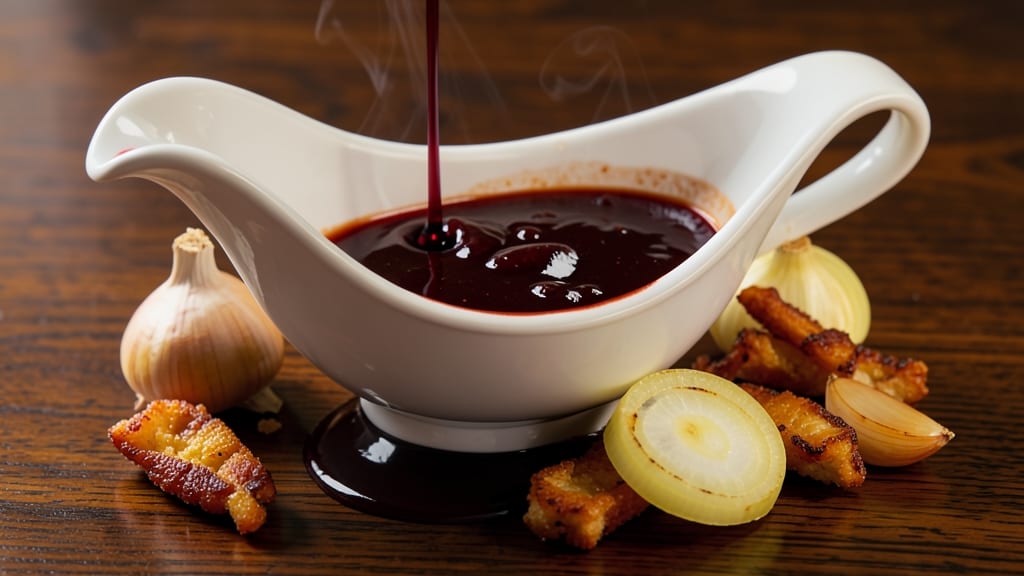
This pork jus recipe transforms simple pan drippings into a luxurious sauce that elevates any roast. 🌟 After years of perfecting the technique, I've developed a method that delivers restaurant-quality depth using just a few key ingredients and precise timing.
The secret lies in building layers of flavor through careful reduction and proper thickening.
What sets this sauce apart is its ability to capture all the rich, caramelized flavors from the pork while creating a silky texture perfect for drizzling. We'll use a combination of pork stock, aromatic vegetables, and a touch of gelatin to achieve that signature glossy finish.
The process is straightforward but requires patience—allowing the sauce to reduce slowly ensures maximum flavor concentration.
By the end, you'll have a deep, velvety jus that clings beautifully to roasted pork or can be served as an elegant accompaniment to steak. The sauce's versatility makes it ideal for both weeknight dinners and special occasions, transforming ordinary meals into something extraordinary with minimal effort.
This recipe works equally well with store-bought pork stock or homemade versions, and the technique applies to other proteins too. Let's create a sauce that will impress even the most discerning guests while keeping your kitchen process simple and efficient.
Ingredients for pork jus
Precision ingredients transform humble pan drippings into velvety pork jus worthy of fine dining.
| Ingredient | Amount | Notes |
|---|---|---|
| Pan Drippings from Pork Roast 🍖 | 2 cups | Reserved from roasting pork |
| Pork Stock 🥫 | 1 cup | Homemade or high-quality store-bought |
| Shallots 🧅 | 3 whole | Minced, for aromatic base |
| Garlic Cloves 🧄 | 4 cloves | Peeled, finely minced |
| Yellow Onion 🧅 | 1 whole | Diced, for depth of flavor |
| Dry Red Wine 🍷 | ½ cup | Bold variety like Cabernet Sauvignon |
| Unsalted Butter 🧈 | 2 tbsp | Cold, for finishing |
| Granulated Gelatin 🍬 | 1 tsp | Bloomed in cold water |
| Cold Water 💧 | 2 tbsp | For blooming gelatin |
| Diamond Crystal Kosher Salt 🧂 | ½ tsp | Adjust to taste |
The pan drippings are your foundation—save every drop from roasting pork, even the browned bits at the bottom. For pork stock, homemade yields superior depth, but Kirkland Signature from Costco works admirably if short on time. Shallots and garlic should be finely minced (a knife works better than a press here) for even distribution. The red wine matters—bold, dry varieties like Cabernet Sauvignon or Merlot add complexity without overpowering. If using a cheaper wine, deglaze with extra stock to balance.
No red wine? Substitute with additional pork stock (reduce by half first) or a splash of balsamic vinegar for acidity. Gelatin is non-negotiable for that signature gloss—bloom it properly in cold water for 10 minutes before adding. Butter should be cold and cubed when whisked in at the end for maximum sheen. For a vegetarian adaptation, replace pork stock with mushroom and vegetable stock and omit gelatin (use agar-agar instead). The onion can be swapped for leeks for a milder profile, but traditionalists will insist on yellow onion for classic flavor.
Jus reheats beautifully—gentle warming on low heat prevents skin formation. For storage, cool completely before refrigerating in airtight containers. Keeps 5-7 days in the fridge or 3 months frozen. Portion into ice cube trays for perfect single-use servings. When reheating, add a splash of water or stock to loosen the sauce before reducing again. This sauce is at its peak 2-3 days after making, as flavors meld and deepen during refrigeration.
Why You'll Love This Recipe
- Uses What You Already Have: I swear by this recipe because it turns last night’s roast drippings into liquid gold—no extra shopping, no wasted ingredients. Just a quick simmer with shallots and garlic, and suddenly you’ve got something fancy without the fuss.
- Rich Without the Stress: That deep, savory pork stock and caramelized shallots? It’s the kind of flavor that makes you pause mid-bite. Honestly, it’s the secret weapon for when you want restaurant-quality taste but don’t have time to fuss.
- Leftovers That Don’t Let You Down: This jus keeps like a champ in the fridge—perfect for glaze on roasted veggies, a drizzle over mashed potatoes, or even a quick pan sauce. I’ve used it three days later, and it’s still as good as day one.
- Budget Meal Upgrade: A few minutes of work turns basic pork stock into something that feels special—no need for expensive sauces or pre-made jus. Between us, this is how I make a $10 roast feel like a $30 dinner.
Step-by-step instructions for pork jus
Transform humble pan drippings into velvety, restaurant-quality pork jus with this method.
🍳 Step 1: Bloom the Gelatin and Sauté Aromatics
In a small bowl, combine the 1 tsp granulated gelatin with the 2 tbsp cold water. Let it sit for 5 minutes until fully bloomed—it should look like translucent, jelly-like sheets. Set aside.
In a medium saucepan, melt the 2 tbsp unsalted butter over medium heat. Add the 3 whole shallots and 1 whole yellow onion, diced into small, even pieces. Cook for 8-10 minutes until softened and just beginning to color. Add the 4 cloves garlic cloves, finely minced, and cook for another 30 seconds until fragrant. This aromatic base builds the jus's depth of flavor.
🍳 Step 2: Deglaze with Wine and Stock
Pour in the 0.5 cup dry red wine and scrape up any browned bits from the bottom of the pan with a wooden spoon. This deglazing step captures all the concentrated flavor from the roasted pork. Let it simmer for 3-4 minutes until reduced by half.
Add the 2 cups pan drippings from pork roast and 1 cup pork stock. Bring to a gentle simmer over medium-low heat. Skim off any foam or fat that rises to the surface with a spoon—this ensures a smooth, velvety texture. Simmer uncovered for 10-12 minutes until the liquid reduces by about one-third, intensifying the flavor.
🥘 Step 3: Incorporate Gelatin and Finish
Remove the saucepan from heat and whisk in the bloomed gelatin mixture until fully dissolved. Return to low heat and stir continuously for 2-3 minutes until the jus begins to thicken slightly. Add the 0.5 tsp diamond crystal kosher salt and adjust to taste.
For a glossy finish, transfer the jus to a blender and pulse for 10-15 seconds until smooth. Strain through a fine-mesh sieve into a clean saucepan if you prefer an ultra-smooth texture. Keep the jus warm at 160°F until ready to serve—it will thicken further as it cools.
⏰ Step 4: Serve Immediately for Peak Flavor
Ladle the jus over sliced pork roast or use it as a sauce for accompanying vegetables. The jus should coat the back of a spoon and cling beautifully to the meat. If it thickens too much while serving, gently reheat and whisk in 1-2 tablespoons of warm water to restore its silky consistency.
This method ensures a rich, deeply flavorful pork jus that captures all the essence of your roast. The gelatin provides the perfect body, while the wine and stock add complexity—every spoonful should be velvety and packed with umami.
Pro Tips For Making Pork Jus
- DEGLAZE HOT, NOT LAZY: Scrape up those browned bits from the pork roast pan while it’s still smoking—don’t wait for it to cool. Cold pan = stuck-on gunk that’ll turn your jus into a sad, thin broth instead of a rich, glossy sauce. Grab a wooden spoon and work fast, then pour in just enough liquid to loosen everything before adding stock.
- MINCE SHALLOTS SMALL: I used to chop shallots in rough chunks, thinking they’d soften enough. Wrong. For pork jus, you want them to dissolve into the sauce, not sit as chewy bits. Pulse them in a food processor for 3-4 seconds—just until they’re a paste, not a puree—and you’ll get that sweet, silky depth without texture surprises.
- STRAIN IT TWICE: After simmering, line a fine-mesh strainer with cheesecloth or a coffee filter for that second pass. The first strain catches the big bits, but the second one removes the fine sediment that’ll cloud your jus. Trust me, your guests won’t notice the extra 30 seconds, but they’ll taste the clarity.
- SIMMER LOW AND LONG: Reduce heat to a bare simmer—just small, occasional bubbles—and walk away. I learned this after rushing a batch and ending up with a skin forming on top, ruining the texture. A 20-30 minute simmer concentrates the flavors without burning, and the sauce will thicken naturally as it cools. Patience here makes all the difference.
Troubleshooting this recipe
Over-Reduction Fix
If your jus reduces too quickly and becomes too thick, immediately remove it from heat and whisk in 1-2 tablespoons of warm pork stock or water. For a smoother texture, strain through a fine-mesh sieve to remove any excess fat or sediment.
The key is to work on low heat—never rush the reduction process. I've had this happen when I forgot to skim the foam, so always keep a spoon handy! 💡
Gelatin Issues
If your gelatin doesn't bloom properly (appears grainy or clumpy), it means it wasn't hydrated long enough. Let it sit for 10-15 minutes in cold water before adding to the sauce.
For a vegetarian option, replace gelatin with 1 tsp agar-agar powder mixed with 2 tbsp water and heated until dissolved. Remember, gelatin is non-negotiable for that signature glossy finish—don't skip it unless you're adapting the recipe. 🌱
Flat or Weak Flavor
Weak flavor usually means insufficient reduction time or insufficient aromatics.
Cloudy or Oily Sauce
Cloudiness often comes from fat not properly skimmed during reduction. Use a spoon or fat separator to remove excess fat before straining. For an ultra-clear sauce, chill the jus completely, then skim off the hardened fat layer before reheating. If your sauce is too oily, reduce it further over low heat—the water content will evaporate, leaving behind a richer, more concentrated sauce. 🥄
Lumpy Texture
Lumps usually mean the gelatin wasn't fully dissolved or the sauce wasn't strained properly. Whisk the bloomed gelatin vigorously into the warm sauce to ensure complete integration. For stubborn lumps, blend the sauce briefly with an immersion blender or transfer to a countertop blender.
If using a strainer, press the sauce through with a spoon to catch any remaining particles. 🔄
Sauce Separates When Reheating
Separation happens when the sauce cools too quickly or isn't reheated gently. Always reheat on low heat and stir continuously until smooth. To prevent separation, add a splash of cold water or stock while reheating to help emulsify the sauce.
For storage, let the sauce cool completely before refrigerating to maintain its integrity. This is especially important if you're making the sauce ahead of time. ❄️
Nutrition facts
Frequently asked questions
Can I use beef stock instead of pork stock for this jus?
While beef stock will work, it won't have the same rich pork flavor profile. For an authentic pork jus, stick with pork stock. If you're short on time, a 50/50 blend of pork and beef stock can work, but expect slightly less depth of pork flavor. The gelatin and wine will still provide that signature richness, but the umami will be more balanced than purely beef-based.
How do I make this jus ahead of time?
This sauce actually tastes better the next day! Let it cool completely, then refrigerate in an airtight container. When ready to serve, reheat gently on low heat, stirring continuously. If it thickens too much, whisk in 1-2 tablespoons of warm water or stock to restore its silky consistency. For long-term storage, freeze in ice cube trays for perfect single-use portions.
What's the best way to use up leftover jus?
Leftover jus is incredibly versatile! Use it as a base for gravy by thinning with additional stock, or reduce it further for a concentrated sauce to drizzle over eggs or toast. It also makes a fantastic filling for dumplings or ravioli. For a quick meal, pour it over roasted potatoes or polenta. The flavor only gets better as it sits!
Why did my jus turn out too thin?
Thin jus usually means the sauce wasn't reduced enough or the gelatin wasn't properly incorporated. For quick fixes, simmer the sauce uncovered on low heat for 5-10 more minutes to evaporate excess liquid. If using gelatin, ensure it was fully bloomed and whisked thoroughly into warm (not boiling) sauce. For a smoother finish, strain through a fine-mesh sieve before serving.
Can I make this jus without wine?
Replace the wine with ½ cup additional pork stock or 2 tablespoons balsamic vinegar for acidity. The wine adds depth, but the sauce will still be delicious. If using vinegar, reduce it by half first to concentrate the flavor. For a non-alcoholic version, try ½ cup apple cider as a substitute—it adds natural sweetness that complements the pork beautifully.