
Main Courses
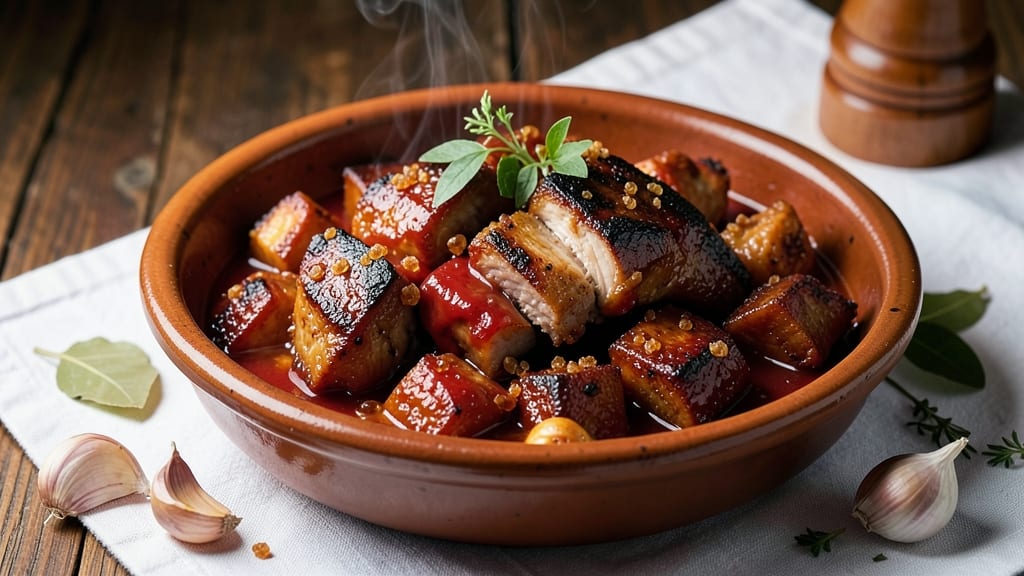
This basic pork adobo recipe delivers the perfect balance of tangy, savory, and tender—just like my grandmother used to make in Georgia. The magic lies in the marinade, where soy sauce and vinegar work together to break down the meat while infusing it with deep, caramelized flavor. I've perfected this technique over years of cooking for crowds, ensuring every bite is restaurant-quality without the fuss.
The secret to success is patience. The pork marinates overnight, allowing the flavors to penetrate deeply, while the slow braising process transforms tough cuts into melt-in-your-mouth tenderness. This method is foolproof, even for beginners, and requires just a few simple ingredients you likely already have in your pantry.
By the time you're done, you'll have perfectly tender pork that falls apart with a fork, coated in a glossy, tangy sauce that's both sweet and savory. The aroma alone will have everyone gathering around the table, and the results are worth every minute of the process.
Serve it over steamed rice with a side of sautéed vegetables for a complete meal that feels like a celebration. This recipe is my go-to for family dinners, and it never fails to impress. Let's get started on making this classic dish your new favorite.
Ingredients for basic pork adobo
Pantry staples plus a few fresh touches—this marinade transforms tough pork into melt-in-your-mouth perfection.
| Ingredient | Amount | Notes |
|---|---|---|
| Pork Shoulder 🥩 | 3 lb | Cut into 1.5-inch chunks (bone-in preferred) |
| White Vinegar 💧 | 1 cup | Distilled white vinegar preferred |
| Soy Sauce 🍶 | 1 cup | High-quality, preferably Japanese |
| Brown Sugar 🍚 | ½ cup | Packed firmly for sweetness |
| Garlic Cloves 🧄 | 8 cloves | Minced or finely chopped |
| Bay Leaves 🍃 | 2 whole | Fresh or dried (dried preferred) |
| Black Peppercorns 🌶️ | 1 tsp | Whole, lightly crushed |
| Ground Black Pepper 🌶️ | ½ tsp | Freshly ground for best flavor |
| Olive Oil 🫒 | 2 tbsp | For searing pork (extra-virgin preferred) |
| Water 💧 | 1 cup | For deglazing pan |
| Salt 🧂 | 1 ½ tsp | Kosher salt (adjust to taste) |
| Green Onions 🧅 | 4 whole | Sliced for garnish (optional) |
The pork shoulder is the star here. Look for well-marbled cuts at the meat counter—Costco or local butchers usually have the best quality. Bone-in pieces stay juicier, but boneless works too. If you're buying a whole shoulder, ask them to cut it into 1.5-inch chunks for even cooking. The vinegar and soy sauce combo is non-negotiable for that classic tangy-savory balance. Kikkoman soy sauce is my go-to, but any good Japanese brand works. For the brown sugar, light or dark doesn't matter—just pack it firmly into the measuring cup.
No white vinegar? Apple cider vinegar or rice vinegar will work in a pinch, but the flavor will be slightly different. Short on garlic? Garlic powder at half the amount gets you close, though fresh is always better. Want to make this spicier? Add a dash of red pepper flakes or cayenne. The bay leaves add depth—dried is fine, but fresh has a brighter flavor. If you're prepping ahead, marinate the pork for at least 12 hours (overnight is ideal), but don't go beyond 24 hours or the meat can get mushy. The brown sugar will caramelize beautifully during cooking, so don't skip it—it's what gives adobo its signature glossy sauce.
This reheats like a dream—just add a splash of water or broth and simmer for 10 minutes. Keeps for 4-5 days in the fridge, and freezes beautifully for up to 3 months. I always make a double batch because the leftovers are even better the next day. Store the sauce separately from the pork if you want to use it for other dishes—it's fantastic on rice, noodles, or even grilled fish. The pork will stay tender and flavorful, but the sauce gets richer with each reheat.
Why You'll Love This Recipe
- One-Pot Magic: I swear by this recipe because it’s literally one pan—no chopping boards, no extra dishes. Toss the pork, garlic, and vinegar in a deep skillet, let it simmer, and boom. The soy and sugar caramelize right there while you’re still deciding what to watch on TV.
- Sweet-Sour Crunch: That balance of tangy vinegar and rich brown sugar? It’s ridiculously good. The pork gets this crispy, sticky exterior that shatters when you bite in, while the sauce clings like a perfect hug. Honestly, I’ve made adobo a dozen ways, but this combo never lets me down.
- Meal Prep MVP: Between us, this is my go-to for busy weeks. Cook a big batch on Sunday, and you’ve got lunch for days—pack it in buns for sliders, toss it over rice, or just eat it straight from the pot. (Yes, even on a Tuesday night when you’re too tired to think.)
- Budget-Friendly Feast: Pork shoulder is cheap, and these ingredients stretch far. A single cut feeds four, and leftovers taste just as good reheated the next day. I’ll be real: my grocery bill thanks me every time I make this instead of ordering takeout.
Step-by-step instructions for tangy pork adobo
Here's how to make this classic Filipino dish with juicy, fall-off-the-bone pork every time.
Sear the Pork Shoulder for Deep Flavor
Heat a large Dutch oven or heavy pot over medium-high heat. Add the 2 tablespoons olive oil and let it get shimmering hot. Working in batches if needed, add the 3 lb pork shoulder cut into 1.5-inch chunks and sear for 3-4 minutes per side until deep golden brown forms on all surfaces.
Don't crowd the pan—this is where all the flavor starts. You want that beautiful crust to develop before we add any liquid. Once all the pork is seared, remove it from the pot and set it aside on a plate. The browned bits we leave behind will form the rich base of our sauce.
Build the Adobo Marinade
In the same pot with all those flavorful browned bits, add the 8 cloves minced garlic cloves and cook for 30 seconds until fragrant. Immediately pour in the 1 cup white vinegar and scrape up every last bit from the bottom with a wooden spoon—this is where the magic happens.
Add the 1 cup soy sauce, 0.5 cup packed brown sugar, 1 teaspoon black peppercorns, 0.5 teaspoon ground black pepper, 2 whole bay leaves, and 1.5 teaspoons salt. Stir everything together and bring to a gentle simmer over medium heat. Let it bubble away for 5 minutes so the flavors meld together.
Braise Until Fork-Tender
Return the seared pork to the pot along with any accumulated juices. Pour in the 1 cup water and bring everything to a boil. Once boiling, reduce heat to low, cover tightly with a lid, and let it cook for 2 to 2.5 hours. You're looking for the pork to become so tender that it practically falls apart when you test it with a fork.
About halfway through cooking, give the pot a gentle stir to distribute the sauce evenly. If the liquid reduces too much and the pork starts to look dry, add 2-3 tablespoons water to keep everything moist. The sauce should thicken slightly but still coat the pork nicely.
Finish and Serve
Once the pork is fork-tender, remove the 2 whole bay leaves and discard them. Taste the sauce and adjust seasoning if needed—you might want to add a bit more salt or soy sauce to balance the tanginess. The sauce should be rich, slightly sweet, and packed with umami flavor.
Slice the pork against the grain into 1-inch strips and serve it with the sauce spooned over the top. Garnish with sliced green onions if you like, though they're optional. This dish tastes even better the next day as the flavors continue to develop, so it makes great leftovers too!
Pro Tips For Making Basic Pork Adobo
- SEAR THE PORK FIRST: After slicing the pork shoulder into chunks, hit the pan with medium-high heat and let those pieces develop a deep brown crust before adding any liquid. I used to skip this, and the sauce always tasted flat—now it’s rich and complex, like a proper braise should be.
- USE TWO GARLIC BATCHES: Smash half the garlic cloves into the pork while searing, then reserve the rest to bloom in the vinegar and soy sauce at the start. The first batch adds flavor directly to the meat, while the second infuses the sauce—double the garlic punch without burning it.
- SIMMER LOW AND LONG: Once the sauce comes to a boil, drop the heat to the lowest setting you can tolerate and let it bubble gently for at least 1.5 hours. Rushing this step leaves the pork tough and the sauce thin—patience here turns chewy meat into melt-in-your-mouth perfection.
- STRAIN THE SAUCE: After cooking, pour the sauce through a fine-mesh strainer to remove any stray bits of garlic or pork fat. It’s an extra 30 seconds of work, but the result is silky smooth sauce that coats every bite instead of feeling gritty. (Yes, even if you’re lazy like me, do this.)
Flavor customization for this recipe
Sweet & Tangy Balance
Want to emphasize the sweetness? Add 1 extra tablespoon of brown sugar to the marinade—this caramelizes beautifully during braising and creates a glossier sauce. For extra tang, swap ½ cup of the white vinegar for apple cider vinegar—it adds subtle fruitiness that pairs perfectly with the pork.
I often do both for a deeper flavor profile. 🍯
Spicy Kick Options
Craving heat? Toss in 1 teaspoon of chili flakes or ½ teaspoon of cayenne pepper with the marinade. For smoky depth, add 1 teaspoon of smoked paprika—it mimics the charred flavors of traditional Filipino grilling methods. My go-to is Penzeys brand chili flakes for consistent heat. 🌶️
Herb Variations
Swap the bay leaves for 2 sprigs of fresh thyme or 1 cinnamon stick for warmth. For brightness, add 1 tablespoon of chopped cilantro at the end—it freshens up the dish beautifully. I love using freshly ground peppercorns instead of pre-ground for extra aroma. 🌿
Creamy Twist
For a richer sauce, stir in ¼ cup of coconut milk during the last 15 minutes of cooking. The creaminess balances the tangy vinegar perfectly. You can also add 2 tablespoons of heavy cream at the end for a restaurant-style finish.
This works especially well if you're serving with rice. 🥥
Smoky Charcoal Infusion
For a smoky depth without a grill, add ½ teaspoon of liquid smoke to the marinade. I prefer Columbus brand for its clean, authentic smoke flavor. Alternatively, char 2 cloves of garlic in a dry pan until blackened, then blend into the sauce for a smoky char. 🔥
Umami Boosters
Enhance the savory depth with 1 tablespoon of fish sauce (like Red Boat brand) or 1 teaspoon of oyster sauce. For meaty richness, add 2 tablespoons of Worcestershire sauce. These additions elevate the dish without overpowering the classic adobo flavors. 🍜
Nutrition facts
Frequently asked questions
Can I use chicken or beef instead of pork for this recipe?
This marinade works beautifully with chicken thighs (cook for 30-40 minutes instead of 2 hours) or beef chuck roast (increase to 3-4 hours of braising). The vinegar and soy sauce tenderize both meats perfectly, though pork remains my top recommendation for that classic adobo texture.
What if I don't have white vinegar? Can I substitute?
Yes! Use apple cider vinegar or rice vinegar in equal amounts—they'll give a slightly different but still delicious flavor profile. For a milder taste, reduce the vinegar by ¼ cup and add ¼ cup extra water to balance the marinade. The key is maintaining that tangy-sweet balance.
How do I know when the pork is fully cooked?
The pork is done when it reaches an internal temperature of 203°F and falls apart easily with a fork. Test by inserting a meat thermometer into the thickest piece—this ensures it's fork-tender without being dry. If you prefer slightly firmer meat, aim for 195°F instead.
Can I make this in a slow cooker instead of a Dutch oven?
Perfect for hands-off cooking! Brown the pork first in a skillet, then transfer everything (including browned bits) to your slow cooker. Cook on low for 8 hours or high for 4-5 hours until tender. The sauce may be thinner, so reduce it on the stovetop afterward if desired. Slow cookers work great for this recipe!
Why does my sauce look watery? How can I fix it?
A watery sauce usually means the liquid didn't reduce enough during cooking. Simmer the sauce uncovered for 10-15 minutes to thicken it naturally, or mix 1 tablespoon cornstarch with 2 tablespoons water, stir into the sauce, and cook until it reaches your desired consistency. The sauce should coat the back of a spoon.