
Main Courses
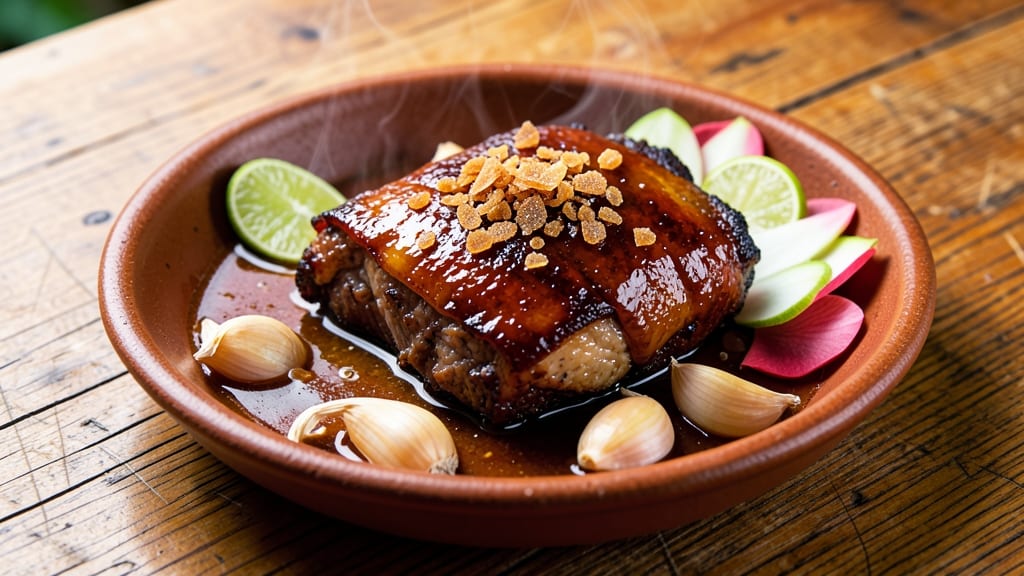
This Chamorro pork adobo recipe brings the bold, tangy flavors of Guam’s cuisine to your kitchen with a technique that transforms tough pork into melt-in-your-mouth perfection. 🌟 As someone who’s spent years perfecting pork dishes—from smoky BBQ to braised cuts—I know the secret lies in the marriage of vinegar and citrus, which tenderize while building layers of depth that linger long after the last bite.
The beauty of this dish is its adaptability: whether you’re using a traditional clay pot (guahán) or a modern Dutch oven, the slow braising method ensures the pork stays juicy while absorbing the aromatic marinade of garlic, ginger, and citrus.
The Chamorro version leans into a vinegar-forward profile, but I’ve included a subtle soy variation for those who prefer a deeper umami note—both methods deliver that signature tangy-sweet balance.
By the time you’re done, you’ll have fork-tender pork that falls apart at the touch, bathed in a glossy, caramelized sauce with just the right acidity to cut through the richness. The aroma alone will transport you to Guam’s coastal villages, where this dish has been a centerpiece for generations.
It’s the kind of meal that commands the table—bold enough for gatherings but simple enough for a weeknight dinner.
Serve it with steamed rice to soak up every drop of that vibrant sauce, or pair it with roasted root vegetables for a complete feast. The leftovers? Even better the next day as the flavors meld further. Let’s get cooking—this is pork done right.
Ingredients for chamorro pork adobo
Six ingredients make the marinade, plus pork that falls apart with every bite.
| Ingredient | Amount | Notes |
|---|---|---|
| Pork Shoulder 🥩 | 3 lb | Bone-in for flavor, cut into 2-inch chunks |
| White Vinegar 🍶 | 1 cup | Distilled preferred, not apple cider |
| Fresh Lime Juice 🍋 | ½ cup | About 4-5 limes, freshly squeezed |
| Garlic Cloves 🧄 | 8 cloves | Minced, not pre-minced jarred |
| Fresh Ginger 🌿 | ½ cup | Grated, about 2-inch piece |
| Brown Sugar 🍚 | ½ cup | Packed, light or dark works |
| Soy Sauce 🍶 | ¼ cup | For umami depth, optional for soy variation |
| Olive Oil 🫒 | 2 tbsp | For searing, extra-virgin preferred |
| Bay Leaves 🌿 | 2 whole | Dried, for aromatic depth |
| Black Peppercorns 🌶️ | 1 tsp | Crushed, not powdered |
| Salt 🧂 | 1 ½ tsp | Kosher salt, adjust to taste |
| Onion 🧅 | 1 whole | Yellow or red, sliced into wedges |
| Cinnamon Stick 🌿 | 1 whole | Optional, for subtle warmth |
| White Rice 🍚 | 2 cups | Uncooked, for serving |
The pork shoulder is non-negotiable here—bone-in cuts add flavor and moisture. Look for well-marbled pieces at Costco or Whole Foods, or ask your butcher for a 'pork butt' cut. If you can't find bone-in, skin-on works too, but trim the fat cap to about 1/4-inch thick. The vinegar should be distilled white vinegar—apple cider vinegar has a milder tang that won't cut through the richness. For the citrus, Mexican limes have more juice than Persian, but regular limes work fine. If you're short on time, the soy variation lets you skip the citrus entirely and still get that signature umami punch.
No white vinegar? Rice vinegar or apple cider vinegar can work in a pinch, but the flavor will be subtly different. Fresh ginger can be swapped for 1 tbsp ground ginger, but it won't have the same aromatic punch. The brown sugar is key—don't use white sugar, as it won't caramelize the same way. For the soy variation, I like to add 1 tbsp fish sauce if I'm feeling adventurous, but it's optional. The bay leaves and cinnamon stick are easy to find at Trader Joe's or Latin markets, and both add layers of warmth without overpowering. If you're missing one, skip it—the dish will still shine.
This sauce gets better with time, so make extra. Store the pork and sauce separately in airtight containers for up to 5 days in the fridge. For longer storage, freeze the pork with some of the sauce in a single layer, then transfer to a bag for 3 months. The rice? Cook it fresh the day you serve the adobo—it soaks up the sauce like a dream. If you're prepping ahead, cook the rice the night before and reheat it with a splash of water to keep it fluffy.
Why You'll Love This Recipe
- Pantry-Friendly Magic: I swear by this recipe because it uses what’s already in my fridge. No fancy ingredients—just vinegar, lime, and garlic. That’s it. The pork shoulder becomes melt-in-your-mouth tender with almost no effort, and the tangy-sweet sauce? Pure flavor without the fuss.
- Tangy-Tender Perfection: The vinegar and lime cut through the richness of the pork, giving it this bright, almost citrusy bite. Meanwhile, the garlic and ginger caramelize into a sticky, aromatic crust—crispy on the outside, fall-apart inside. Honestly, it’s the kind of dish that makes you close your eyes and sigh.
- Leftover Hero: This recipe actually improves the next day. The flavors meld even better, and the sauce thickens into a glossy, savory glaze. I freeze portions for quick lunches or toss it into rice bowls—no one ever guesses it’s yesterday’s dinner.
- Budget Meal for Crowds: A single pork shoulder feeds my whole family (and sometimes the neighbors). The vinegar and lime stretch the flavor, so you’re not drowning in meat. Plus, the leftovers turn into tacos, sandwiches, or even fried rice—zero waste, maximum satisfaction.
Step-by-step instructions for Chamorro pork adobo
Here's how to create this tangy, aromatic dish with deep flavors and tender meat.
🔥 Step 1: Sear the Pork Shoulder for Maximum Flavor
Heat a large Dutch oven or heavy pot over medium-high heat. Add the 2 tablespoons olive oil and let it get hot enough to shimmer. Working in batches if needed, add the 3 lb pork shoulder cut into 2-inch chunks and sear until golden brown on all sides, about 4-5 minutes per batch.
Don't rush this step—I press down gently on the pork with a spatula during the first minute to prevent curling and ensure even contact with the pan. The goal is to create a deep, caramelized crust that will carry all the wonderful flavors from the braising liquid.
👨🍳 Step 2: Build the Aromatic Base
Once all pork is browned, remove it from the pot and set it aside. In the same pot, add the 1 whole onion sliced into wedges, 8 cloves garlic minced, and 0.5 cup fresh ginger grated. Cook for 3-4 minutes until the onion softens and the garlic becomes fragrant.
Here's where it gets good—add the 2 whole bay leaves, 1 whole cinnamon stick, and 1 teaspoon crushed black peppercorns. Stir everything together and cook for another 30 seconds to let those spices bloom. This aromatic base is the flavor foundation of your adobo.
🥘 Step 3: Create the Tangy Braising Liquid
Pour in the 1 cup white vinegar and 0.5 cup fresh lime juice, scraping up any browned bits from the bottom of the pot. This is crucial—those bits are packed with flavor. Add the 0.5 cup brown sugar and 0.25 cup soy sauce, stirring to combine everything.
Return the pork to the pot, making sure it's submerged in the liquid. Sprinkle with 1.5 teaspoons salt and give it one final stir. The liquid should look like a rich, tangy sauce—this is your braising bath that will transform tough pork into tender, flavorful slices.
⏰ Step 4: Braise Until Fork-Tender
Bring the liquid to a gentle simmer over medium heat, then reduce the heat to low. Cover the pot and let it cook for 2 hours, turning the pork occasionally. After 2 hours, check the pork—it should be tender enough to pull apart easily with two forks.
If the pork isn't quite tender yet, continue cooking for another 30-60 minutes. The key is patience—this slow cooking process is what makes the meat melt-in-your-mouth tender. The sauce should reduce to a thick, glossy consistency that coats the pork beautifully.
🍽️ Step 5: Serve Over Steamed Rice
Once the pork is perfectly tender, remove it from the pot and transfer it to a serving platter. Strain the braising liquid through a fine-mesh sieve to remove any spices or herbs, then return the sauce to the pot. Simmer it for 5-10 minutes to thicken further if needed.
Serve the pork adobo over 2 cups cooked white rice, spooning the tangy sauce generously over the top. The contrast of tender pork with the bright, citrusy sauce is what makes this dish so special. Garnish with extra lime wedges if you like, and enjoy immediately while everything is hot and flavorful!
Pro Tips For Making Chamorro Pork Adobo
- Marinate First, Then Sear: Don’t skip the overnight soak—toss the pork shoulder in half the vinegar and lime juice (plus minced garlic and ginger) for at least 8 hours. The acid breaks down the meat, but a quick 3-minute sear in a screaming-hot pan afterward locks in flavor and gives you that coveted crust. (Yes, even if you’re impatient like me.)
- Use Two Vinegars: White vinegar does the heavy lifting, but swap out ¼ cup for apple cider vinegar in the braise. The subtle sweetness balances the sharpness, and it caramelizes better—no weird vinegar aftertaste. (I learned this the hard way after burning my taste buds on a batch that tasted like a science experiment.)
- Don’t Boil the Vinegar: Keep the liquid simmering, not bubbling—low and slow is the name of the game. Boiling evaporates the acid too fast, and you’ll end up with tough, dry pork instead of tender, fall-apart goodness. Stir occasionally, and if it reduces too much, add a splash of water. (Your future self will thank you.)
- Grate the Ginger Fine: Skip the chunky slices—finely grate the ginger so it dissolves into the sauce. This isn’t just for looks; it ensures every bite gets that bright, zesty kick without you having to chew through fibrous bits. (Sounds weird, but it works: the sauce becomes silky, not speckled.)
Creative variations of chamorro pork adobo
Vinegar vs. Soy Variations
Traditional Chamorro adobo relies on white vinegar for its signature tang, but I’ve adapted this recipe to include a soy-based variation that’s popular in Filipino-style adobo.
For the soy version, simply replace the 1 cup white vinegar and 0.5 cup lime juice with 1.5 cups soy sauce and 0.25 cup water. This swap deepens the umami profile while keeping that signature glossy sauce. 🍶
If you’re curious about the Filipino-inspired twist, add 1 tbsp fish sauce and 1 tsp black pepper to the soy marinade. The result? A richer, slightly funkier sauce that still delivers that melt-in-your-mouth texture.
I’ve tested both versions side by side, and honestly, they’re like two different dishes—each with its own charm.
Slow-Cooker Adaptation
No Dutch oven? No problem. Transfer the seared pork and all marinade ingredients to a 6-quart slow cooker, set it to low for 8 hours or high for 5 hours. The slow cooker’s gentle heat mimics the braising process perfectly, ensuring tender pork without monitoring the stove.
Just stir occasionally to prevent sticking, and finish by simmering the sauce on the stovetop for 5-10 minutes to thicken it up. ⏰
For extra flavor, I like to add 1 cup water to the slow cooker to help create a more generous sauce. The slow cooker method is my go-to for busy days—it’s hands-off and still delivers restaurant-quality results.
Plus, it’s a great way to use that 3 lb pork shoulder without babysitting the stove all day.
Spicy Chamorro Twist
Want to kick things up a notch? Add 1 tbsp gochujang (Korean chili paste) or 2 tbsp sambal oelek to the braising liquid for a spicy-sweet heat. The gochujang adds a fermented depth, while sambal oelek brings a bright, fruity chili kick.
I’ve found that 1 tsp of chili flakes also works beautifully if you’re keeping it simple. 🌶️
For balance, I always add a splash of honey or more brown sugar to counteract the heat. The key is to adjust the spice level to your taste—start with 1 tsp and work your way up.
This spicy version pairs perfectly with coconut rice or a cool mango-lime salsa to cut through the richness.
Regional Twist: Guam-Inspired Sides
In Guam, adobo is often served with fresh coconut milk rice or sticky taro root. For a quick coconut rice, cook 2 cups jasmine rice in 2 cups coconut milk with a pinch of salt.
The creamy texture contrasts beautifully with the tangy pork. I also love serving adobo with grilled banana hearts—they’re slightly sweet and add a fun texture to the plate. 🍌
If you’re feeling adventurous, try chamorro-style pickled vegetables like carrots, daikon radish, and cabbage in a vinegar brine with sugar and salt. These pickles add a refreshing crunch and balance the richness of the pork. It’s a dish that’s all about harmony—each bite should sing with complementary flavors.
Nutrition facts
Frequently asked questions
Can I use chicken or beef instead of pork for this recipe?
While pork is traditional, you can adapt this recipe for chicken or beef! For chicken, use 3 lb bone-in thighs and reduce cooking time to 1.5 hours—they cook faster than pork. For beef, opt for 3 lb chuck roast and braise for 3 hours to achieve tender results. The sauce ratios remain the same, but adjust salt levels as needed since different meats absorb flavors differently.
How do I know when the pork is fully tender?
Use the fork test: After 2 hours of braising, gently pull apart the pork with two forks. If it separates easily with minimal resistance, it's done! Alternatively, check the internal temperature—pork should reach 195°F for fall-apart tenderness. If it's still tough, add 20-30 minutes more cooking time.
What's the best way to reheat leftover pork adobo?
Reheat gently in a skillet with a splash of water or broth to prevent drying. Cover and warm on low heat for 10-15 minutes, stirring occasionally. For oven reheating, cover with foil and bake at 300°F for 20 minutes. Never microwave—it makes the pork rubbery. The sauce will thicken further, so add a little water if needed.
Can I make this recipe without vinegar?
Yes! For a vinegar-free version, replace the 1 cup white vinegar with 1.5 cups soy sauce and 0.25 cup water. This creates a Filipino-style adobo with deep umami instead of tangy acidity. The texture will be slightly richer, but still glossy and flavorful. Add 1 tbsp fish sauce for extra depth if available.
Why does my sauce look thin after cooking?
This happens when the sauce isn't reduced enough. After removing the pork, simmer the sauce uncovered on medium heat for 10-15 minutes to thicken it. If it's still too thin, mix 1 tbsp cornstarch with 2 tbsp water, stir into the sauce, and cook until it reaches your desired consistency. The sauce should coat the back of a spoon when finished.