
Main Courses
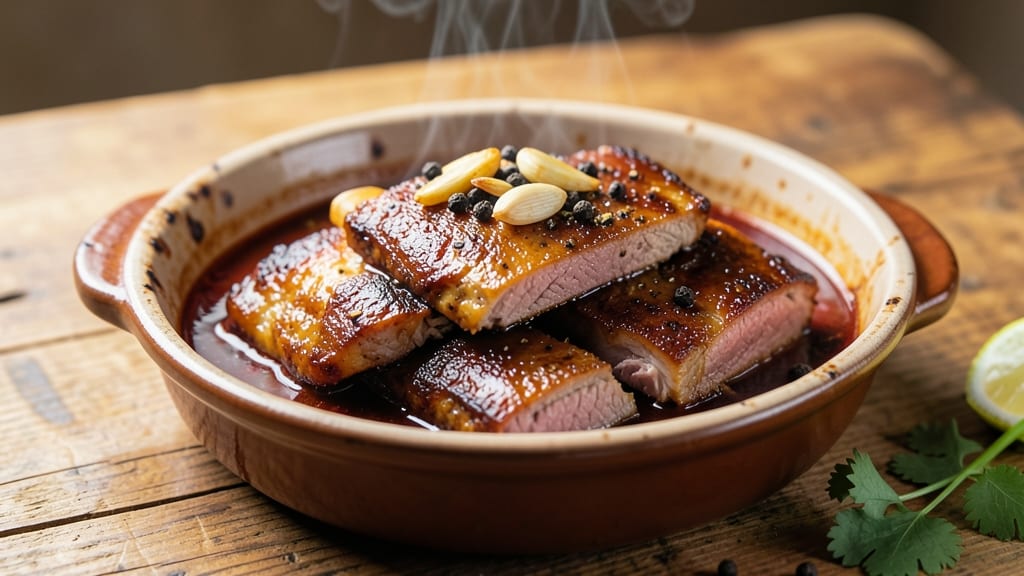
This Batangas pork adobo recipe delivers the bold, caramelized depth that sets it apart from classic versions. 🔥 The secret lies in the perfect balance of vinegar and soy sauce, braised until the pork falls apart and the sauce thickens into a glossy glaze.
After years of perfecting adobo techniques, I've developed this method that captures the rich, tangy essence of Batangas—where the vinegar is stronger and the cooking time longer. What makes this recipe special is the attention to detail that transforms simple ingredients into something extraordinary.
We start with a proper marinade that tenderizes the meat while building layers of flavor, then slow-braise it until the sauce reduces to a perfect consistency. The result is pork that's impossibly tender with a caramelized crust, all bathed in a sauce that's both tangy and sweet.
By the time you're done, you'll have a dish that's restaurant-quality at home—juicy pork pieces that practically melt in your mouth and a sauce that clings perfectly to each bite.
The aroma alone will have everyone gathering at your table, and the flavors are complex enough to stand up to any side dish. Serve with steamed jasmine rice to soak up every last bit of that glorious sauce. Here's how to make it!
Ingredients for batangas pork adobo
Simple ingredients that pack a punch—where bold flavors meet tender pork perfection.
| Ingredient | Amount | Notes |
|---|---|---|
| Pork Shoulder 🍖 | 2 ½ lb | Bone-in, cut into 2-inch chunks |
| Cane Vinegar 🍶 | 1 cup | Strong, aged vinegar preferred |
| Soy Sauce 🥄 | ½ cup | Dark soy for deeper color |
| Brown Sugar 🍚 | ½ cup | Packed, light brown preferred |
| Garlic Cloves 🧄 | 8 cloves | Minced, aromatic variety |
| Black Peppercorns 🌶️ | 1 tbsp | Crushed, freshly ground |
| Bay Leaves 🌿 | 2 whole | Dried, standard size |
| Olive Oil 🫒 | 2 tbsp | Extra-virgin for richness |
| Salt 🧂 | 1 ½ tsp | Kosher or sea salt |
| Onion 🧅 | 1 whole | Yellow, sliced into wedges |
| Jasmine Rice 🍚 | 1 ½ cups | Uncooked, long-grain |
| Water 💧 | 3 cups | Filtered preferred |
| Ground Black Pepper 🌶️ | ½ tsp | Freshly cracked |
The pork shoulder is your star here. Look for bone-in cuts at Costco or your butcher—they stay juicier. Batangas-style adobo demands cane vinegar (the strong stuff), not white vinegar. Filipino markets carry it, but Trader Joe's often has it too. Skip the pre-minced garlic—freshly minced releases more flavor. The brown sugar should be light brown (not dark)—it caramelizes better. If you can't find dark soy sauce, regular soy works, but the color won't be as rich.
No cane vinegar? Apple cider vinegar works in a pinch, but it's milder. Running short on soy sauce? Coconut aminos gives a similar umami kick. The onion wedges? Yellow or red both work, but yellow has a slightly sweeter base. For extra depth, add a star anise pod (remove before serving). If your vinegar smells harsh, let it sit out for 10 minutes to mellow. The pork should be room temperature before marinating—cold meat won't absorb flavors well.
This sauce gets better the next day—make extra. Store in an airtight container in the fridge for up to 5 days. Freezes beautifully for 3 months. The rice? Cook it separately, but keep the water from the rice pot—it's perfect for thinning the sauce if it gets too thick. Pork reheats well, but add a splash of water to prevent drying. Leftovers taste even better cold, packed in a bento box for lunches.
Why You'll Love This Recipe
- No-Fuss One-Pot: I swear by this—just brown the pork, toss in the vinegar, soy, and sugar, then simmer. No chopping, no fuss, and the garlic cloves? They melt right into the sauce like a dream.
- Sweet-Savory Magic: That balance of cane vinegar’s tang and brown sugar’s caramelized depth? It’s the kind of flavor that makes you pause mid-bite. The pork gets tender while the sauce thickens into something dangerously good.
- Lunchbox Hero: Between us, this makes the best reheated leftovers—pack it in containers for work or school lunches. The sauce clings to the pork, and the garlic flavor only gets better the next day.
- Budget Stretch: Pork shoulder is cheap, and a single batch feeds four (or two very hungry people). I’ve made this for date nights, family dinners, and even lazy Sundays—no excuses, just flavor.
Step-by-step instructions for Batangas pork adobo
Here's how to transform tough pork into melt-in-your-mouth tenderness with that signature Batangas caramelized depth.
🔥 Step 1: Sear the Pork Shoulder for Maximum Flavor
Heat the 2 tablespoons olive oil in a large Dutch oven over medium-high heat until shimmering. Add the 2.5 lb pork shoulder in 2-inch chunks, working in batches if needed, and sear for 3-4 minutes per side until deeply browned. This step builds the foundation of your adobo's rich flavor—don't rush it.
I press down gently on the pork pieces during the first minute to prevent curling, which ensures even contact with the hot oil. As you sear, you'll smell the pork's natural juices hitting the pan—this is where all the magic begins. Transfer the browned pork to a plate and set aside, leaving all the rendered fat in the pot.
🍳 Step 2: Build the Caramelized Base with Onion and Garlic
In the same Dutch oven, add the 1 whole onion sliced into wedges and cook over medium heat for 5-6 minutes until softened and beginning to caramelize at the edges. Here's the thing—you want those onions to get just slightly golden, not fully browned, so they don't overpower the pork's flavor.
Add the 8 cloves minced garlic and cook for 30 seconds until fragrant—you'll know it's ready when you can smell that sweet, pungent aroma filling your kitchen. Stir in the 1 tablespoon crushed black peppercorns and 2 whole bay leaves, letting them toast for 10 seconds to release their essential oils. This aromatic base is what makes Batangas adobo so distinctive.
🥘 Step 3: Braise with Vinegar and Soy Sauce Mixture
Pour in the 1 cup cane vinegar and 0.5 cup soy sauce (I use dark soy for that deeper color), scraping up all those delicious browned bits from the bottom of the pot. Bring the mixture to a gentle boil, then reduce heat to low and cover partially. Let it simmer for 45 minutes, stirring occasionally, until the liquid reduces by about half.
Here's where the real transformation happens. The vinegar starts tenderizing the pork, while the soy sauce adds umami depth. You'll notice the liquid turning darker and thicker as it cooks—this is when the flavors meld together beautifully. If the mixture looks too thin at this point, you can reduce it further uncovered for 5-10 minutes.
🍳 Step 4: Add Sugar and Finish the Sauce
Stir in the 0.5 cup packed brown sugar and the 1.5 teaspoons salt, then return the pork to the pot. Increase heat to medium-high and bring to a boil again. Once boiling, reduce heat to low, cover, and let it cook for another 45-60 minutes until the pork is fork-tender and the sauce has thickened to a glossy consistency.
The sugar here is crucial—it caramelizes slightly, creating that signature Batangas depth while balancing the acidity of the vinegar. You'll know it's ready when the pork shreds easily with two forks and the sauce coats the back of a spoon. The aroma at this point should be irresistible—tangy, sweet, and deeply savory all at once.
🍚 Step 5: Cook the Jasmine Rice and Serve
While the adobo simmers, rinse the 1.5 cups jasmine rice until the water runs clear, then cook it in 3 cups water according to package instructions. I like to use a separate pot so the rice doesn't absorb any of the adobo's intense flavors.
To serve, spoon the pork and sauce over the steamed rice, sprinkle with 0.5 teaspoon freshly cracked ground black pepper, and let it rest for 2-3 minutes before serving. The rice should be fluffy and separate, providing the perfect base for the rich, caramelized adobo. Each bite should deliver tender pork with that perfect balance of sweet, tangy, and savory flavors that make Batangas adobo so special.
Pro Tips For Making Batangas Pork Adobo
- CRISP THE GARLIC FIRST: Toss whole garlic cloves into a dry, screaming-hot pan for 30 seconds until they turn golden and smell like heaven. This isn’t just for flavor—it prevents that bitter aftertaste that ruins adobo when garlic burns. (Yes, I’ve made that mistake. Twice.)
- SIMMER LOW AND SLOW: After the initial boil, drop heat to a gentle simmer—think tiny bubbles, not rolling waves. Batangas adobo needs 45-60 minutes to melt the pork shoulder into tender perfection, not turn it into shoe leather. I used to rush this, and the meat was always tough.
- USE LESS VINEGAR: Start with half the vinegar called for, then add more only if the sauce tastes flat. Cane vinegar’s sharpness lingers, and you’ll regret drowning the pork’s rich flavor. (Your future self will thank you when the sauce isn’t aggressively sour.)
- SAVE THE BROWN SUGAR: Reserve 2 tablespoons of brown sugar to toss with the pork at the very end. This caramelizes into a glossy crust while the rest dissolves into the sauce, balancing sweetness without making the dish cloying. I learned this from a market vendor who scoffed at my first attempt.
Make-ahead tips for this dish
Marinade Prep
Start your marinade the night before for maximum flavor infusion. Combine ½ cup cane vinegar, ¼ cup soy sauce, 2 tbsp olive oil, 4 minced garlic cloves, ½ tsp crushed black peppercorns, and 1 bay leaf in a bowl.
Place pork chunks in a resealable plastic bag, pour marinade over, and refrigerate for 12-24 hours. I always double-bag it to prevent leaks—trust me, you don't want vinegar-soaked counters. 🌶️
Slow Cooker Option
For hands-off prep, sear the pork as directed, then transfer everything to a 6-quart slow cooker. Cook on low for 6-8 hours or high for 4-5 hours until pork is tender. The slow cooker's gentle heat enhances the vinegar's tenderizing power without requiring constant attention.
I use my Hamilton Beach slow cooker for this—it's reliable and affordable. The sauce will thicken naturally during cooking.
Freezer-Friendly Prep
Make a full batch and freeze half for future meals. After cooking, let the adobo cool completely, then portion into airtight glass containers or freezer bags. Label with the date—it keeps for 3 months without losing quality.
When reheating, thaw overnight in the fridge, then warm in a pot with 2 tbsp water over medium-low heat for 10-15 minutes. The flavors actually improve after freezing, becoming more concentrated and complex.
Rice Prep Ahead
Cook the 1.5 cups jasmine rice a day in advance and store in an airtight container at room temperature. Reheat with a splash of water in the microwave for 1-2 minutes or steam fresh when ready to serve.
I find pre-cooked rice absorbs the adobo sauce better, creating a more cohesive dish. If reheating, cover with a damp paper towel to prevent drying.
Sauce Thickening Hack
If your sauce seems too thin after reheating, mix 1 tbsp cornstarch with 2 tbsp water to make a slurry. Stir it into the simmering sauce and cook for 2-3 minutes until thickened.
This works wonders for leftovers. For extra richness, add 1 tbsp butter at the end—it creates a silky texture that balances the vinegar's acidity. 💡
Portioning for Meals
Divide the cooked adobo into meal-sized portions with rice in bento boxes for easy grab-and-go lunches. Pack sauce separately to prevent sogginess. The pork stays tender for 3-4 days in the fridge when stored properly.
I like to add a small container of atchara (pickled papaya) on the side—its sweet-tangy contrast makes the adobo even more dynamic. Label containers with dates to track freshness.
Nutrition facts
Frequently asked questions
What makes Batangas pork adobo different from regular adobo?
Batangas-style adobo uses more vinegar and longer cooking times than classic versions, creating a deeper, caramelized flavor. The sauce is richer with added brown sugar for balance, and the pork becomes fork-tender with a crispy crust. Traditional adobo is tangier, while Batangas has that signature sweet-tangy depth.
Can I substitute cane vinegar with white vinegar?
Not ideal—cane vinegar's stronger flavor and acidity are key to Batangas adobo. If you must substitute, use apple cider vinegar (1:1 ratio) for a milder but still effective result. White vinegar will make the dish taste sharper and less complex.
How do I know when the pork is fully cooked?
The pork is done when it shreds easily with two forks and the internal temperature reaches 203°F. The sauce should coat the back of a spoon and have a glossy consistency. If the pork feels slightly firm, it needs 10-15 more minutes of cooking.
Why is my adobo sauce too thin?
This usually happens if the cooking time was too short or the pot wasn't covered properly. To fix it, simmer uncovered for 5-10 minutes to reduce the liquid. For leftovers, mix 1 tbsp cornstarch with 2 tbsp water, stir into the sauce, and cook until thickened.
What's the best way to reheat Batangas pork adobo?
Reheat gently in a pot with 2 tbsp water over medium-low heat for 10-15 minutes. Avoid microwaving—it can make the sauce watery. For extra richness, add 1 tbsp butter at the end. The flavors actually improve when reheated properly!