
Main Courses
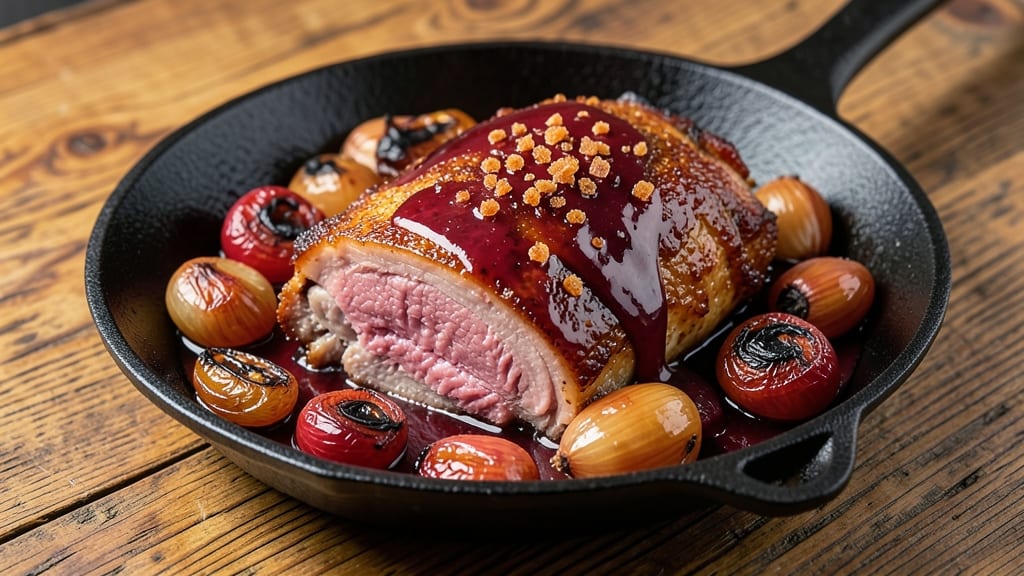
This Carolina pork recipe delivers the bold, tangy heat that defines Southern soul food—where vinegar-braised pork shoulder becomes the star of any table. 🔥 Growing up in Georgia, I learned that the secret isn’t just the meat, but the sauce: a perfect balance of vinegar, pepper, and brown sugar that tenderizes while building layers of flavor.
The slow braising method transforms tough pork into melt-in-your-mouth perfection, and the sauce? That’s where the magic happens—sharp, sweet, and just spicy enough to linger.
What sets this recipe apart is the authentic Carolina touch—no shortcuts, just time-honored techniques. We start with a well-trimmed pork shoulder, seasoned simply with salt and pepper, then braised until it falls apart.
The sauce comes together in a pot, where vinegar cuts through the richness while brown sugar caramelizes for depth. This isn’t your typical BBQ; it’s a dish that carries the weight of Southern tradition, with a modern twist that keeps it relevant for today’s kitchens.
The result? Juicy, tender pork that practically dissolves on the tongue, coated in a glossy, vinegar-kissed sauce that’s tangy, slightly sweet, and packed with heat.
Serve it piled high on a plate with classic sides like creamy coleslaw or buttery cornbread, and you’ve got a meal that feels like a hug from a family cook—just without the guilt. Every bite tells a story, and this recipe is your invitation to be part of it.
Whether you’re feeding a crowd or treating yourself to a Sunday supper, this Carolina pork recipe delivers restaurant-quality results with minimal fuss. The slow cooker adaptation makes it even easier, so you can focus on the sauce and the company.
Let’s get cooking—your taste buds (and your guests) will thank you.
Ingredients for carolina pork
Six core ingredients transform tough pork into melt-in-your-mouth Carolina perfection with tangy, sweet heat.
| Ingredient | Amount | Notes |
|---|---|---|
| Pork Shoulder (Bone-In) 🥓 | 4 lb | Well-trimmed, 1.5-inch thick slices |
| White Vinegar 🍶 | 1 cup | Distilled white vinegar preferred |
| Brown Sugar 🍚 | ½ cup | Packed light brown sugar |
| Yellow Onion 🧅 | 1 whole | Medium, sliced into half-moons |
| Garlic Cloves 🧄 | 6 cloves | Fresh, minced (about 1 tbsp) |
| Cayenne Pepper 🌶️ | 1 tsp | Adjust for heat preference |
| Ground Black Pepper 🌶️ | 1 ½ tsp | Freshly cracked |
| Kosher Salt 🧂 | 1 ½ tsp | Diamond Crystal preferred |
| Water 💧 | 1 ½ cups | Room temperature |
| Hot Sauce 🌶️ | 2 tbsp | Crystal or similar Carolina hot sauce |
| Butter 🧈 | 2 tbsp | Unsalted, for finishing |
| Fresh Parsley 🌿 | ¼ cup | Chopped, for garnish |
The pork shoulder is non-negotiable here—bone-in and well-trimmed is key for that authentic Southern texture. Butcher shops often have pre-cut pieces, but if you're buying a whole shoulder, ask for it to be cut into 1.5-inch slices. The vinegar matters too—distilled white vinegar gives the cleanest tang, but apple cider vinegar works in a pinch. For the brown sugar, light brown sugar dissolves better than dark, but don't stress if you only have white—just add a pinch of molasses to mimic the depth. I always grab extra hot sauce from Crystal Hot Sauce if I'm making this for a crowd—their Carolina Gold is a game-changer.
No cayenne? Red pepper flakes at half the amount will get you close, but the heat profile won't be quite the same. Fresh parsley is ideal for garnish, but dried parsley at one-third the amount works if you're in a bind. The butter at the end? Unsalted is a must—it lets the sauce's flavors shine. If you're short on time, swap the braising liquid for store-bought chicken broth, but homemade is always better. The onions and garlic can be prepped ahead (they keep for 5 days in the fridge), so you're not scrambling when it's time to cook. And trust me on the 1.5-inch thick pork slices—thinner pieces will dry out during braising.
This dish tastes even better the next day, so double the recipe if you can—it keeps for 4-5 days in the fridge. For leftovers, reheat gently in the sauce until warmed through. The sauce thickens as it cools, so add a splash of water or vinegar to loosen it up before serving. Freezes beautifully for up to 3 months—just thaw in the fridge overnight. I always portion mine into glass jars so the sauce stays with the pork. Pro tip: Save the braising liquid for gravy or rice—it's packed with flavor!
Why You'll Love This Recipe
- Fewer Ingredients, Bigger Payoff: I swear by this recipe because it’s that good with just five core ingredients. No fancy marinades or obscure spices—just pork, vinegar, brown sugar, and aromatics. Honestly, the balance of tangy and sweet happens almost magically when you let the vinegar and sugar work their magic in the oven.
- Crispy-Sweet Magic: That bone-in pork shoulder? It becomes irresistible—crispy on the edges, tender enough to pull apart, all while the vinegar caramelizes into a sticky, glossy glaze. The garlic and onion melt into the meat, so every bite is packed with flavor without needing extra effort.
- Tailgate to Tuesday: Between us, this is my go-to for game days, potlucks, or lazy nights when I don’t want to fuss. The leftovers? Even better the next day—perfect for sandwiches, tacos, or just reheating with a side of pickles. (Yes, even on a Tuesday night.)
- Budget-Friendly Feast: A bone-in pork shoulder stretches across meals, and the ingredients won’t break the bank. I’ve fed six people for under $20, and the flavor makes it feel like a splurge. Plus, the vinegar and sugar are pantry staples, so you’re not scrambling for obscure items.
Step-by-step instructions for Carolina pork recipe
Let's create this tangy, sweet, and spicy Carolina pork masterpiece with just a few simple steps.
🔥 Step 1: Sear the Pork Shoulder for Maximum Flavor
Heat a large Dutch oven over medium-high heat until it's smoking hot. Add the 4 lb pork shoulder (bone-in), fat side down, and let it sear undisturbed for 5-6 minutes until the fat renders and the meat develops a deep golden crust. You'll hear it sizzling loudly—that's the sound of flavor locking in.
Flip the pork shoulder and sear the other side for another 4-5 minutes until browned. Remove it from the pot and set it aside on a plate. Don't wipe out the browned bits—they're packed with flavor that will form the base of our sauce. Here's the thing—this searing step creates the Maillard reaction that gives our pork its rich, caramelized depth.
🍳 Step 2: Build the Tangy-Sweet Braising Liquid
In the same Dutch oven, reduce heat to medium and add 2 tablespoons butter. Once melted, add the sliced 1 whole yellow onion and cook for 3-4 minutes until softened and starting to caramelize. Add the 6 cloves minced garlic and cook for 30 seconds until fragrant—don't let it burn.
Pour in the 1 cup white vinegar and scrape up all those delicious browned bits from the bottom. Add the 0.5 cup packed brown sugar, 1.5 cups water, 2 tablespoons hot sauce, 1.5 teaspoons kosher salt, 1.5 teaspoons ground black pepper, and 1 teaspoon cayenne pepper. Stir everything together until the sugar dissolves completely and the mixture is well combined.
🥘 Step 3: Braise Until Fork-Tender
Return the pork shoulder to the Dutch oven, fat side up, and bring the liquid to a gentle simmer. Cover tightly with a lid and reduce heat to low. Here's where it gets important—braise for 2.5-3 hours until the pork is fork-tender and the meat pulls away easily from the bone. You'll know it's ready when you can pierce it with a fork and the meat slides off with minimal resistance.
During the last 30 minutes, check the liquid occasionally and add water if it reduces too much—we want enough liquid to keep the pork moist but not drowning in it. The pork should be submerged about halfway. This low-and-slow cooking method ensures tender, fall-apart meat with a sauce that's perfectly balanced between sweet, tangy, and spicy.
⏰ Step 4: Rest and Finish with Butter
Once the pork reaches the perfect tenderness, remove it from the pot and transfer to a cutting board. Let it rest for 15-20 minutes before slicing—this resting period allows the juices to redistribute throughout the meat, ensuring each bite is moist and flavorful. While it rests, place the Dutch oven back on the stovetop over medium heat and skim off any excess fat.
Add the 2 tablespoons butter to the braising liquid and whisk until melted and incorporated. Taste and adjust seasoning if needed—you might want to add a splash more hot sauce or a pinch of salt to intensify the flavors. Once the pork is rested, slice it against the grain into ½-inch thick slices. Spoon the tangy-sweet sauce over the top and garnish with 0.25 cup chopped fresh parsley for a pop of color and freshness.
Pro Tips For Making Carolina Pork
- CRANK UP THE HEAT: Start your pork shoulder in a screaming-hot pan—450°F if your stove allows it. I used to low-and-slow this part, but searing the fat cap first renders it faster and locks in flavor. Let it brown 8-10 minutes, flipping only once, or you’ll end up with steamed pork instead of crispy edges.
- CHOP ONIONS SMALLER THAN YOU THINK: Dice those yellow onions into ¼-inch pieces, not the usual ½-inch. They’ll caramelize into the sauce faster and dissolve into the vinegar-sugar mix without leaving big, chewy chunks. (Yes, it’s extra work, but your sauce will be smoother—trust me.)
- DON’T DROWN THE PORK: After the initial sear, add just enough liquid to come halfway up the meat—about 1 cup of vinegar and ½ cup water, max. Too much liquid = pale, watery pork. Let the onions and garlic release their juices first, then top off if needed. (Your future self will thank you when the sauce isn’t swimming.)
- SWEAT THE GARLIC LOW AND SLOW: Cook the minced garlic in the onions over medium-low heat until it’s just golden—not browned, not burnt, just perfumed. I’ve ruined batches by rushing this step, and it makes the whole dish taste bitter. If the onions start sticking, add a splash of vinegar to loosen them. Patience here makes a real difference.
Wine and beer pairings for carolina pork
Vinegar-Based Reds
Carolina pork’s bright acidity demands wines that can stand up to the tang without getting overwhelmed. A crisp Carolina Pinot Noir from local vineyards like Chateau Charleville is my go-to—its juicy blackberry notes and subtle earthiness cut through the vinegar beautifully.
If you can’t find a local bottle, Pinot Noir from Oregon’s Willamette Valley delivers similar balance. For a bolder option, try a Southern Italian Sangiovese—its bright acidity and tart cherry flavors mirror the dish’s tangy profile. 🍷
Malty Beers for Balance
Beer lovers, don’t fear—this dish pairs wonderfully with malty brews that complement the sauce’s sweetness. A Southern-style amber ale like New Belgium Fat Tire (with its caramel and biscuit notes) is a crowd-pleaser.
For something stronger, Brown Ale from Goose Island adds a toasty depth that rounds out the vinegar’s sharpness. If you’re feeling adventurous, a Belgian Dubbel like Westvleteren 8 brings fruity complexity that echoes the pork’s caramelized edges.
Light Bodies Work Too
Don’t assume you need heavy wines or beers—lighter options shine when you want to highlight the pork’s tenderness. A dry Riesling from Germany or Alsace (like Dr. Loosen Blue Slate) offers citrusy acidity that refreshes the palate between bites.
For beer, a wheat beer (such as Blue Moon) with its banana and clove notes provides a crisp contrast to the rich, spicy sauce. These lighter choices are perfect for warm weather or when you’re serving the pork as a lighter lunch.
Sweet-Spicy Pairings
The cayenne and brown sugar in the sauce call for drinks that can match its sweet-spicy profile. A Port-style Ruby Port (like Graham’s) adds a dessert-like richness that enhances the dish’s caramelized depth.
For beer, a Barley Wine with its molasses and toffee notes (try Allagash Barleycini) bridges the gap between the pork’s heat and sweetness. These pairings work especially well when serving the dish as a centerpiece for holiday meals or family gatherings.
Local Carolina Favorites
If you’re cooking in the Southeast, seek out regional wines and beers that honor the dish’s roots. Charleston’s Chateau Charleville makes a Carolina Grenache that’s approachable and fruit-forward, perfect for summer barbecues.
For beer, Charleston Brewing Company’s Hazy IPA (with its tropical fruit notes) surprisingly complements the pork’s smoky, tangy profile. Supporting local producers not only enhances the meal but also keeps the Carolina spirit alive at your table. 🍺
Nutrition facts
Frequently asked questions about Carolina pork
Can I use a different cut of pork instead of pork shoulder?
Pork shoulder is ideal for this recipe because of its fat content and connective tissue, which create tender, juicy meat when braised. However, you can use pork butt (another name for shoulder) or pork loin in a pinch—just reduce the cooking time to 1.5-2 hours since loin is leaner. Never use tenderloin or chops, as they'll dry out. For best results, stick with bone-in cuts—they stay moist longer during braising.
How do I adjust the heat level in the sauce?
The cayenne pepper controls the spice, but you can tweak it further. For milder heat, reduce cayenne to ½ teaspoon or swap it for ½ teaspoon smoked paprika. For extra kick, add 1 teaspoon hot sauce or ¼ teaspoon crushed red pepper flakes to the braising liquid. Always taste as you go—Carolina pork should have a balanced tang, not overwhelming heat.
Can I make this in a slow cooker instead of a Dutch oven?
Sear the pork first (same method), then transfer it to a 6-quart slow cooker with all sauce ingredients. Cook on low for 8 hours or high for 5-6 hours until tender. The slow cooker version actually benefits from the longer cook time, making the meat even more tender. Just add ½ cup water if the liquid reduces too much during cooking.
What's the best way to reheat leftovers?
Reheat gently in the same braising liquid over low heat for 10-15 minutes until warmed through. Never microwave—it makes the pork dry. For extra flavor, add a splash of vinegar or hot sauce to revive the sauce. Leftovers keep for 4-5 days in the fridge or 3 months frozen. The sauce thickens when cold, so stir in a little water or vinegar to loosen it before serving.
Why does my pork turn out dry?
Dry pork usually means one of three things: overcooking, thin slices, or skipping the rest. Braise until the internal temp reaches 195-203°F (not 212°F+). Use 1.5-inch thick slices—thinner pieces dry out faster. Always let the pork rest for 15-20 minutes before slicing. If you're in a hurry, try the slow cooker method (above), which keeps pork juicier.