
Main Courses
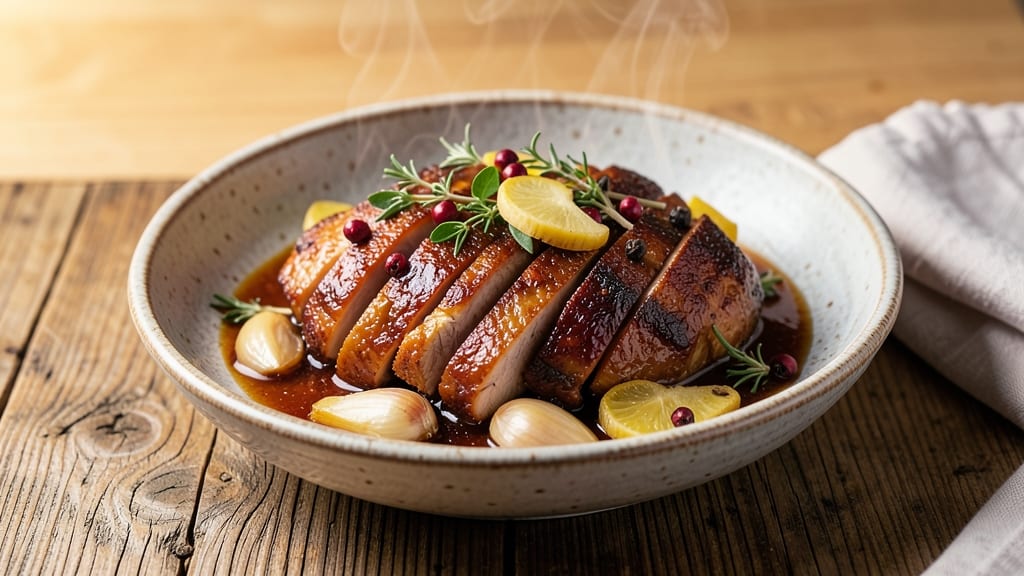
This Caribbean pork souse recipe brings the bold flavors of the islands to your table with its signature tangy, spiced vinegar braise. 🌟 I first tasted it in Jamaica, where it's traditionally served at celebrations—tender pork infused with allspice, thyme, and vinegar, crowned with crisp celery.
The slow-cooked method transforms tough cuts into melt-in-your-mouth perfection, while the vinegar marinade creates that signature tangy depth.
What sets this dish apart is the balance of textures: fork-tender pork that practically falls apart, contrasted with the crispy celery crown that adds a satisfying crunch. The recipe uses simple pantry staples—vinegar, garlic, ginger, and warm Caribbean spices—but the result is restaurant-quality comfort food.
I've perfected this version over years of cooking for family gatherings, where it disappears faster than you can say "seconds, please."
The secret to authentic flavor lies in the marinade, where vinegar tenderizes the meat while building complexity through slow cooking. The spices—allspice, thyme, and Scotch bonnet (optional for heat)—create layers of warmth that pair beautifully with the tang.
This isn't just a side dish; it's a centerpiece that commands attention at any table.
Perfect for holiday feasts, potlucks, or when you want to impress guests with Caribbean-inspired flavors. The recipe scales easily, making it ideal for feeding crowds while keeping prep manageable. Let's get started on creating this island classic that tastes like home.
Ingredients for caribbean pork souse
Pantry staples meet island spices for this showstopping Caribbean pork souse that's all about tender meat and crispy celery crowns.
| Ingredient | Amount | Notes |
|---|---|---|
| Pork Shoulder 🐖 | 3 lb | Bone-in for best flavor, cut into 2-inch cubes |
| White Vinegar 💧 | 1 cup | Distilled white vinegar preferred |
| Garlic Cloves 🧄 | 8 cloves | Peeled and smashed for maximum flavor |
| Fresh Ginger 🌿 | ½ cup | Finely grated, about 3-inch piece |
| Allspice Berries 🌶️ | 2 tsp | Ground if whole berries unavailable |
| Fresh Thyme Leaves 🌿 | ¼ cup | Stems removed, loosely packed |
| Scotch Bonnet Peppers 🌶️ | 1 whole | Seeds removed for milder heat |
| Celery Stalks 🧅 | 4 whole | Cut into 2-inch pieces for crown |
| Onion 🧅 | 1 whole | Yellow or red, sliced into wedges |
| Brown Sugar 🍚 | ¼ cup | Light or dark, packed |
| Salt 🧂 | 1 ½ tsp | Diamond Crystal kosher salt |
| Black Peppercorns 🌶️ | 1 tsp | Freshly cracked preferred |
| Olive Oil 🫒 | ¼ cup | Extra-virgin for searing |
| Bay Leaves 🍃 | 2 whole | Dried, for depth of flavor |
| Thyme Sprigs 🌿 | 4 whole | For garnish and flavor infusion |
The pork shoulder is non-negotiable here—bone-in gives the best flavor, and the fat renders beautifully during slow cooking. Costco or local butchers usually have it pre-cut, but if you're buying a whole shoulder, ask for the picnic cut for maximum tenderness. Look for good marbling, which means juicier meat. For the vinegar, distilled white is ideal—apple cider vinegar works too, but it adds a fruity note that might not suit traditional souse. The allspice berries are the secret weapon—Penzeys or Caribbean markets carry them whole, but ground allspice in the spice aisle will work in a pinch, though it loses some complexity.
No Scotch bonnet? Habanero or jalapeño will give you heat, but reduce the amount by half since they're hotter. Fresh thyme is ideal, but dried at one-third the amount works if you're in a bind. The ginger should be fresh—substitute 1 tbsp ground ginger if needed, but it won't have the same zing. For the celery crown, avoid pre-cut celery—it loses crispness fast. Buy whole stalks and cut them just before serving. The brown sugar caramelizes beautifully during cooking, but coconut sugar works too if you're avoiding refined sugar. If you can't find Diamond Crystal salt, any kosher salt will do—just measure carefully since brands vary in density.
This dish tastes even better the next day, so make it ahead if you can. Store in the fridge for up to 5 days, covered with its juices. For the celery crown, blanch the pieces for 2 minutes before assembling to keep them crisp. Freeze portions for up to 3 months—just thaw in the fridge overnight. The pork practically falls apart when reheated, so add a splash of vinegar or water if it seems dry. Garnish with fresh thyme sprigs right before serving to keep everything vibrant.
Why You'll Love This Recipe
- One-Pot Magic: I swear by this—just dump the pork shoulder into a pot with vinegar, garlic, and ginger, then let it slow down. No chopping, no fussing, and the allspice berries do all the work while you’re sipping tea.
- Tangy-Sweet Crunch: That vinegar and ginger combo? It’s like a flavor explosion—bright, punchy, and just enough sweetness from the caramelized pork. The allspice gives it this deep, warm kick that makes every bite feel special.
- Party or Pantry: Between us, this is my go-to for gatherings (it feeds a crowd) or lazy Sundays (because leftovers taste even better the next day). Slice it thin for tacos, pile it on toast, or just eat it with your hands—no rules.
- Budget Stretch: Pork shoulder is cheap, and this recipe turns it into something luxurious. I make a big batch, portion it out, and freeze it—no waste, no stress, just flavor whenever I need it. (Yes, even on a Tuesday night.)
Step-by-step instructions for Caribbean pork souse
Here's how to transform tough pork into tender, vinegar-braised perfection with that signature celery crown crunch.
🔥 Step 1: Sear the Pork Shoulder for Deep Flavor
Heat a large Dutch oven over medium-high heat until hot. Add the 0.25 cup olive oil and swirl to coat the bottom. Working in batches to avoid crowding, add the 3 lb pork shoulder cut into 2-inch cubes, searing each piece until deep golden brown on all sides—about 3-4 minutes per batch. This step creates the Maillard reaction that builds rich, caramelized flavors.
As you sear, I like to press down gently on each piece with a wooden spoon—this prevents them from curling and ensures even contact with the hot oil. Remove the pork and set aside on a plate, leaving all the browned bits in the pot. These flavor-packed fondings will form the base of your braising liquid.
🍳 Step 2: Build the Spiced Vinegar Braising Liquid
In the same Dutch oven, reduce heat to medium and add the 8 cloves smashed garlic, 0.5 cup finely grated fresh ginger, 1 whole Scotch bonnet pepper (seeds removed), 1 whole onion sliced into wedges, and 4 whole celery stalks cut into 2-inch pieces. Cook for 5 minutes, stirring occasionally, until the vegetables soften slightly and release their aromatics.
Add the 1 cup white vinegar, 2 whole bay leaves, 4 whole thyme sprigs, 2 tsp allspice berries, 0.25 cup brown sugar, 1.5 tsp salt, and 1 tsp cracked black peppercorns. Stir well to combine, then scrape up those browned pork bits from the bottom of the pot—this is where the magic happens. Let the mixture simmer for 3 minutes to allow the spices to bloom and the vinegar to mellow slightly.
🥘 Step 3: Braise Until Fork-Tender
Return the seared pork to the Dutch oven, spooning some of the braising liquid over the top to ensure everything stays moist. Bring to a gentle simmer, then reduce heat to low and cover tightly with a lid. Here's the thing—this isn't a quick cook. Braise for 2.5 to 3 hours, turning the pork occasionally, until a fork slides in easily and the meat pulls apart with minimal resistance.
Don't be tempted to rush this step. The vinegar works its magic slowly, breaking down the connective tissue while infusing the pork with complex flavors. About 45 minutes before the pork is done, remove the lid and increase heat to medium to reduce the braising liquid slightly—this helps create a more concentrated, flavorful sauce.
🔪 Step 4: Prepare the Celery Crown Crunch
While the pork braises, prepare the celery crown for that signature crunch. In a small bowl, combine the 0.25 cup fresh thyme leaves (stems removed) with 1 tablespoon olive oil (reserved from the searing step) and ½ teaspoon salt. Toss to coat, then arrange the 4 whole celery stalks in a single layer on a parchment-lined baking sheet.
Drizzle the thyme oil mixture over the celery and bake at 400°F for 15-20 minutes, turning once, until the celery is crispy and golden brown. Watch closely—they burn quickly! Remove from oven and let cool slightly before using to garnish the finished souse.
🍽️ Step 5: Serve with Confidence
Once the pork is fork-tender, carefully transfer it to a serving platter along with the braising liquid and vegetables. Let it rest for 10 minutes before serving—this allows the juices to redistribute and makes each bite more flavorful. Discard the bay leaves and thyme sprigs (unless you're using them for garnish), then adjust the seasoning if needed.
To serve, spoon the pork and vegetables onto plates, ladling some of the rich braising liquid over the top. Garnish with the crispy celery crowns and any remaining fresh thyme leaves. The contrast of tender pork with the vinegar's tangy bite and the celery's crisp crunch makes this dish unforgettable. Serve with warm bread or rice to soak up all that delicious sauce.
Pro Tips For Making Caribbean Pork Souse
- Boil Slow First: Start with a rolling boil for 10 minutes—this drives the vinegar into the meat fast. Then drop to a gentle simmer (tiny bubbles, barely there) or the allspice will turn bitter. I learned this after one batch tasted like a science experiment gone wrong.
- Toast the Spices: Dry-toast the whole allspice berries in a pan for 30 seconds until fragrant—this unlocks their flavor. Skip this, and you’re just adding flavorless bits. (Yes, even if you’re impatient like me.)
- Don’t Crowd the Pot: Cut the pork shoulder into 2-inch chunks and leave space between them. Pack it in, and the center stays tough and the vinegar pools instead of infusing. Trust me, your fork will thank you later.
- Save the Vinegar Water: Strain the cooking liquid through a fine-mesh sieve and reduce it by half—this makes a tangy, spiced broth perfect for rice or beans. (Your future self will use it before realizing it’s gone.)
Wine and beer pairings for this caribbean pork souse
Tropical White Wine
For this vibrant Caribbean dish, I always reach for a dry Riesling from Germany or Austria—its crisp acidity and subtle honeyed notes cut through the vinegar's tang while complementing the allspice and thyme.
Try a Dr. Loosen Blue Slate Riesling from the Mosel region; its mineral finish enhances the dish's complexity. If you prefer something fruitier, a Sauvignon Blanc from New Zealand with its citrus and herbal notes works beautifully too. 🍷
Spiced Rum Cocktails
Nothing says Caribbean like a rum cocktail, and this dish pairs perfectly with a dark 'n' stormy—equal parts Gosling's Black Seal rum and ginger beer, topped with lime. The ginger echoes the fresh ginger in the recipe while the molasses notes in the rum mirror the brown sugar caramelization.
For a non-alcoholic option, serve a ginger-lime spritzer with sparkling water and a splash of lime juice. The effervescence cleanses your palate between bites.
Malty Caribbean Beers
Local beers from the islands are my go-to for this dish. Try a Red Stripe from Jamaica—its balanced maltiness and subtle caramel notes stand up to the vinegar while its light body doesn't overpower the delicate pork flavors.
For something more robust, a Bali Hai from Belize offers tropical fruit notes that complement the Scotch bonnet's heat. If you're in the States, Corona Premier (the lighter version) with its crisp finish works surprisingly well too.
Spiced Red Wine
For a red wine option, I recommend a Pinot Noir with earthy undertones—look for one from Oregon's Willamette Valley. The wine's bright acidity and red fruit flavors bridge the gap between the pork's richness and the vinegar's tang.
Avoid heavy, tannic wines like Cabernet Sauvignon, as they'll clash with the dish's bright, spiced profile. A Gamay from Beaujolais would also be an excellent choice with its juicy raspberry notes.
Non-Alcoholic Pairings
Don't overlook non-alcoholic options! A hibiscus iced tea (made with dried hibiscus flowers and a touch of sugar) adds a floral, tart contrast that mirrors the vinegar's brightness.
For something more substantial, try a ginger-beer float—mix equal parts ginger beer and lime juice over ice, then top with a splash of coconut water. The effervescence and ginger complement the dish's spiced profile beautifully. 💛
Nutrition facts
Frequently asked questions
Can I use regular pork chops instead of pork shoulder?
I wouldn't recommend it—pork shoulder is the traditional cut for this dish because its fat and connective tissue break down beautifully during the long braise, creating that signature tender texture. Pork chops are much leaner and would turn out dry. If you're set on using them, try bone-in pork loin chops and reduce the cooking time to 1 hour, but the flavor won't be as rich.
How do I adjust the heat level if Scotch bonnet peppers aren't available?
For milder heat, use ½ a habanero pepper (seeds removed) or 1 jalapeño instead. If you want no heat at all, simply omit the pepper entirely—the dish will still be flavorful. For extra depth without heat, add ½ teaspoon ground cinnamon or ¼ teaspoon ground nutmeg to complement the allspice.
Can I make this recipe in a slow cooker?
Transfer the seared pork and braising liquid to a 6-quart slow cooker and cook on low for 6-8 hours or high for 4-5 hours. The slow cooker's gentle heat will work wonders for tenderizing the meat. Just skip the celery crown baking step—it won't crisp properly in the slow cooker. Serve the celery crown separately or prepare it ahead of time.
What's the best way to reheat leftovers?
Leftovers taste even better the next day! Warm them gently in a pot over low heat with a splash of vinegar or water to keep them moist. For crispy celery crowns, reheat them separately in a 350°F oven for 5-10 minutes. If the pork seems dry, add a little more braising liquid or a splash of vinegar to restore moisture.
Why does my pork souse taste too vinegary?
The vinegar's tang should be balanced by the sweetness from the brown sugar and the richness of the pork. If it tastes too sharp, you likely need more sweetness. Add 1-2 tablespoons of brown sugar or 1 tablespoon of honey to the braising liquid and let it simmer for 5 minutes to meld the flavors. Alternatively, reduce the vinegar by ¼ cup next time.