
Main Courses
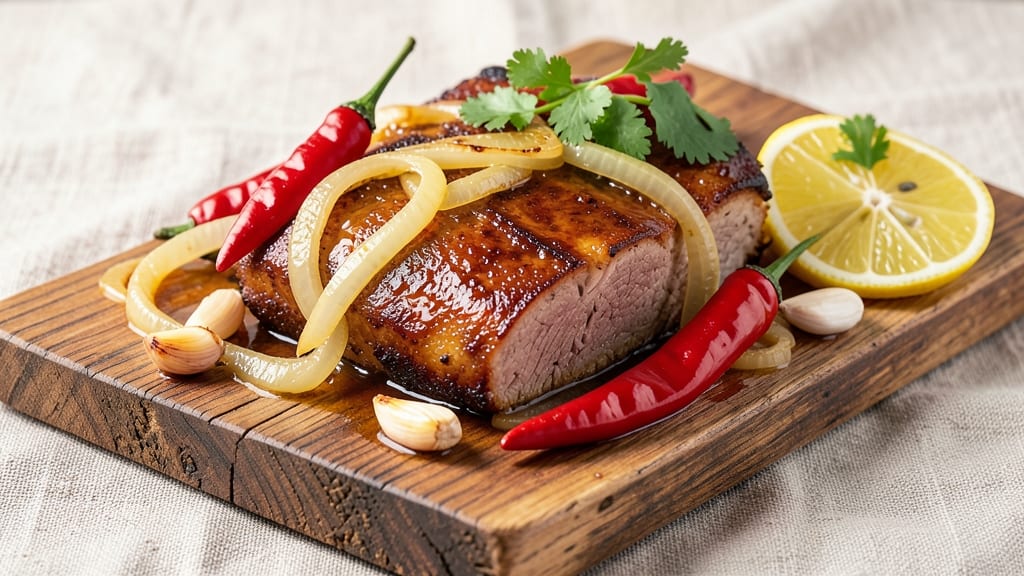
This Bahamian pork souse recipe delivers tender, vinegar-braised pork with irresistible crunchy edges—just like the version I first tasted in Nassau's family-run kitchens. The secret lies in the slow curing process and aromatic spice blend that transforms tough cuts into melt-in-your-mouth perfection.
After perfecting this dish during my time in Charleston, I've refined it to balance traditional techniques with modern efficiency.
The recipe begins with a foolproof curing method using vinegar and citrus, which tenderizes the meat while infusing it with bright, tangy flavor. We then braise the pork low and slow until it shreds effortlessly, creating a dish that's both comforting and complex.
The result is a harmonious blend of textures—tender pork, crispy exterior, and a sauce that's rich yet refreshing.
What makes this dish truly special is its versatility. Serve it as a main course with collard greens and fried plantains, or use it in sandwiches for a taste of the Bahamas.
The recipe preserves the authentic Bahamian soul while making it accessible for home cooks. With just a few simple ingredients and patience, you'll achieve restaurant-quality results that transport you to the islands.
Perfect for family gatherings or special occasions, this pork souse keeps well for several days, allowing flavors to deepen over time. The process may require planning, but the reward is a dish that's worth every moment of preparation. Let's get started on creating this Bahamian classic in your own kitchen.
Ingredients for bahamian pork souse
Six aromatic spices and a slow vinegar bath transform tough pork into melt-in-your-mouth Bahamian perfection.
| Ingredient | Amount | Notes |
|---|---|---|
| Pork Shoulder 🐖 | 4 lb | Bone-in for flavor, cut into 2-inch chunks |
| White Vinegar 💧 | 2 cups | Distilled white vinegar preferred |
| Lemon Juice 🍋 | ½ cup | Freshly squeezed, no bottled |
| Yellow Onions 🧅 | 2 whole | Medium size, sliced into half-moons |
| Garlic Cloves 🧄 | 6 cloves | Peeled, smashed for maximum flavor |
| Scotch Bonnet Peppers 🌶️ | 2 whole | Seeds removed for mild heat |
| Allspice Berries 🌿 | 1 tbsp | Crushed between palms |
| Ground Allspice 🌿 | 1 tsp | For extra depth |
| Ground Cinnamon 🌿 | 1 tsp | Warm, aromatic spice |
| Ground Ginger 🌿 | 1 tsp | Freshly grated preferred |
| Salt 🧂 | 2 tbsp | Diamond Crystal preferred |
| Black Peppercorns 🌶️ | 1 tsp | Freshly cracked |
| Bay Leaves 🍃 | 2 whole | Dried, for subtle aroma |
| Olive Oil 🫒 | ¼ cup | For searing pork |
| Fresh Thyme Leaves 🌿 | ¼ cup | Or 1 tbsp dried thyme |
The pork shoulder is the star—bone-in cuts from the butcher section deliver the most flavor, but pre-cut chunks work too. Look for well-marbled meat, which stays juicier during the long braise. Trader Joe's and Whole Foods often carry excellent bone-in pork shoulders. If you're short on time, a 3-pound cut will still work (just halve all other ingredients). The vinegar should be distilled white—apple cider vinegar adds sweetness that can overpower the dish. For the Scotch bonnet peppers, Caribbean markets or specialty Latin stores usually have them fresh, but a habanero in a pinch works (remove seeds and reduce to 1 pepper).
No allspice berries? Ground allspice plus a pinch of cloves gets you close. Fresh ginger is ideal, but ground ginger at half the amount works in a bind. The bay leaves can be skipped if unavailable, but they add that subtle depth you taste in authentic Bahamian cooking. For the citrus, grapefruit juice makes a bright substitute for half the lemon juice. The thyme is non-negotiable—fresh is best, but dried works if you're in a hurry (just use a third as much). Pro tip: Toast your spices in a dry pan for 30 seconds before adding to the vinegar—this wakes up their flavors dramatically.
This dish tastes even better the next day as flavors meld. Store covered in the fridge for up to 5 days, or freeze portions for 3 months. For serving, I like to crisp the edges by searing the chunks in a hot skillet with a splash of olive oil—2 minutes per side gives that irresistible crunch. The braising liquid reduces to a rich sauce that's perfect over rice or cornbread. Double the recipe if you're feeding a crowd—the prep time is the same, but you'll have leftovers for days.
Why You'll Love This Recipe
- One-Pot Magic: I swear by this—just toss everything into a pot, simmer, and walk away. No fancy techniques, no chopping marathon, and the vinegar does half the work for you.
- Tangy Crunch Alert: That vinegar-lemon punch? It’s what makes this dish pop—sharp, bright, and cutting through the richness of the pork. Honestly, the first bite always makes me go back for more.
- Leftover Hero: This keeps like a champ in the fridge for days. Cold or reheated, it’s perfect for sandwiches, tacos, or just straight from the jar with crackers. (Yes, even on a Tuesday night.)
- Budget Stretch: Pork shoulder’s cheap, and this recipe feeds a crowd without breaking the bank. Between us, I’ve made it for 10 people using the same ingredients—just scaled up. Practical? Absolutely.
Step-by-step instructions for Bahamian pork souse
Let's create this vibrant Bahamian classic with its signature tender pork and tangy vinegar crunch.
🍳 Step 1: Sear the Pork Shoulder for Rich Flavor
Heat the 0.25 cup olive oil in a large Dutch oven over medium-high heat until shimmering. Working in batches if needed, add the 4 lb pork shoulder cut into 2-inch chunks and sear for 3-4 minutes per side until deeply browned. This step develops the Maillard reaction that creates that irresistible caramelized crust.
Remove the pork and set aside. Don't drain the oil—those browned bits are pure flavor gold. Here's the thing—if you see the oil starts to smoke excessively, reduce the heat slightly. You want a good sear without burning the spices we're about to add.
👨🍳 Step 2: Build the Spiced Vinegar Base
In the same Dutch oven, add 2 cups white vinegar and 0.5 cup lemon juice. Bring to a gentle simmer over medium heat for 5 minutes to let the acidity mellow slightly. This reduces the harshness of the vinegar while building the foundation for that signature Bahamian tang.
While waiting, combine 2 whole yellow onions sliced into half-moons, 6 cloves garlic cloves smashed, 2 whole Scotch Bonnet peppers seeds removed and sliced, 1 tbsp allspice berries crushed between your palms, 1 tsp ground allspice, 1 tsp ground cinnamon, 1 tsp ground ginger, 2 tbsp salt, 1 tsp black peppercorns freshly cracked, and 2 whole bay leaves. Add this aromatic blend to the simmering vinegar mixture.
🥘 Step 3: Layer and Simmer the Pork
Return the seared pork to the Dutch oven, along with 0.25 cup fresh thyme leaves. The liquid should come about halfway up the pork chunks. Bring to a full simmer, then reduce heat to low and cover partially. This is where the magic happens—simmer for 2.5-3 hours until the pork is fork-tender and the liquid has reduced to a thick, syrupy consistency.
Here's the critical part: check the liquid level every 30 minutes and add hot water as needed to keep the pork submerged. You want the pork to cook gently in its own juices, not dry out. The scent of allspice and cinnamon will fill your kitchen—trust me, it's worth the wait.
⏰ Step 4: Rest and Develop the Crunch
Once the pork is tender (it should pull apart easily with two forks), transfer it to a cutting board and tent loosely with foil. Let it rest for 15 minutes while you reduce the cooking liquid. Skim off any excess fat from the surface, then return the liquid to medium-high heat and simmer uncovered for 10-15 minutes until thickened to a glaze-like consistency.
During this time, the vinegar will continue to mellow and concentrate, creating that signature Bahamian crunch. This is the moment that matters: the contrast between the tender pork and the slightly crisp vinegar coating is what makes this dish special. Don't rush this reduction—it needs time to develop that perfect texture.
🍽️ Step 5: Serve with Confidence
Shred the pork using two forks, discarding any large fat pieces. Return the shredded pork to the reduced sauce and toss gently to coat. Serve immediately with the cooking liquid spooned over the top—this is where that beautiful crunch happens as the vinegar glaze forms on each bite.
For the ultimate experience, serve with steamed white rice or crusty Bahamian rum cake. The pork should be so tender it practically melts in your mouth, with each bite delivering layers of spice, tang, and rich pork flavor. Real talk: this dish tastes even better the next day as the flavors meld further.
Pro Tips For Making Bahamian Pork Souse
- Trim the Fat First: Cut away the thick white fat cap from the pork shoulder before cooking—it won’t render into the souse and can make the final dish greasy. I learned this the hard way after serving a batch where the vinegar and lemon couldn’t cut through the richness.
- Simmer Slow and Low: Keep the heat at a gentle simmer (tiny bubbles, not a rolling boil) once everything’s in the pot—too much heat turns the pork rubbery and clouds the broth. After burning my first batch, I now use the back burner and stir occasionally to prevent sticking.
- Double the Vinegar: Bahamian souse needs enough acid to tenderize the pork and balance the flavors—don’t skimp. Use at least 1 cup of white vinegar for every 2 pounds of meat, or the dish will taste flat. (Yes, even if you’re impatient like me.)
- Strain the Broth Twice: First strain removes the pork and onions; second strain through a fine-mesh sieve catches the garlic and any lingering bits that make the broth cloudy. It’s extra work, but the clear, bright liquid is worth it—your future self will notice the difference.
Storing and reheating this bahamian pork souse
Vinegar Braise Storage
Store your Bahamian pork souse in an airtight container with the cooking liquid in the refrigerator for up to 5 days. The vinegar and spices continue to tenderize the meat overnight, making flavors even more complex.
I like using glass Pyrex containers because they preserve the dish's integrity better than plastic. 💛
For longer storage, freeze portions in quart-sized freezer bags for up to 3 months. Leave 1 inch of headspace for expansion and label with the date. When reheating from frozen, add ½ cup water to prevent drying out during the process.
Reheating Techniques
My preferred method is stovetop reheating on medium-low heat for 10-15 minutes with a splash of water or vinegar to maintain moisture. Stir occasionally and keep the lid slightly ajar to let excess steam escape. This preserves that signature crunchy vinegar coating that defines Bahamian souse. 🔥
For microwave reheating, use 50% power for 2-3 minutes, stirring halfway through. Add 1 tablespoon of the reserved cooking liquid to restore the glaze. Avoid full power—it can turn the pork rubbery while overcooking the edges.
Crisping the Edges
Before serving, sear the pork chunks in a hot skillet with 1 tablespoon olive oil for 2 minutes per side to restore that irresistible crunch. This step transforms reheated souse into something restaurant-quality. I often do this for my family when serving leftovers—they never know it's not freshly made! 💡
For extra authenticity, finish with a sprinkle of toasted allspice berries or a drizzle of the reduced cooking liquid. The contrast between tender pork and crisp edges is what makes this dish unforgettable.
Flavor Development
This dish tastes even better the next day as the vinegar continues to mellow and the spices meld. The longer it sits, the more complex the flavors become—almost like a slow-cooked transformation. I often double the recipe just so I can enjoy it over 3-4 days of meals. 💫
If the sauce seems too thick after reheating, add 1-2 tablespoons of hot water and simmer for 2-3 minutes to restore the proper consistency. The goal is that perfect balance between tangy sauce and tender pork in every bite.
Nutrition facts
Frequently asked questions
Can I substitute Scotch bonnet peppers in this Bahamian pork souse?
If you can't find Scotch bonnet peppers, use 1 habanero pepper (seeds removed) or 1-2 jalapeños for milder heat. For a sweeter note, try 1 red bell pepper instead. The key is adjusting the quantity—start with half the amount and taste as you go.
Why does my Bahamian pork souse turn out too sour?
The vinegar can overpower if not balanced properly. Try reducing the white vinegar to 1.5 cups and adding ½ cup apple cider vinegar for sweetness. Also, simmer the pork uncovered for the last 15 minutes to let some of the acidity evaporate. The goal is tangy, not harsh!
How do I make this pork souse without a Dutch oven?
Use a heavy-bottomed pot with a tight-fitting lid, like a 6-quart stockpot. If your pot isn't deep enough, add the pork in batches to keep it submerged. For extra insurance, place a heatproof plate on top of the pork to weigh it down during simmering. The slow cooking is what matters most!
Can I use pork tenderloin instead of pork shoulder?
Pork tenderloin will cook much faster and become dry. For this recipe, stick with pork shoulder (or pork butt) for the best texture. If you're set on tenderloin, cut it into 1-inch cubes and reduce the cooking time to 1.5 hours, but expect less tender results. The shoulder's fat and connective tissue are key to that melt-in-your-mouth finish.
What are the best sides to serve with Bahamian pork souse?
Classic pairings include steamed white rice, fried plantains, or Bahamian rum cake for dipping. For a heartier meal, serve with collard greens or buttery mashed potatoes. The tangy pork also works beautifully in sandwiches with crusty bread and pickled onions.