
Sauces & Condiments
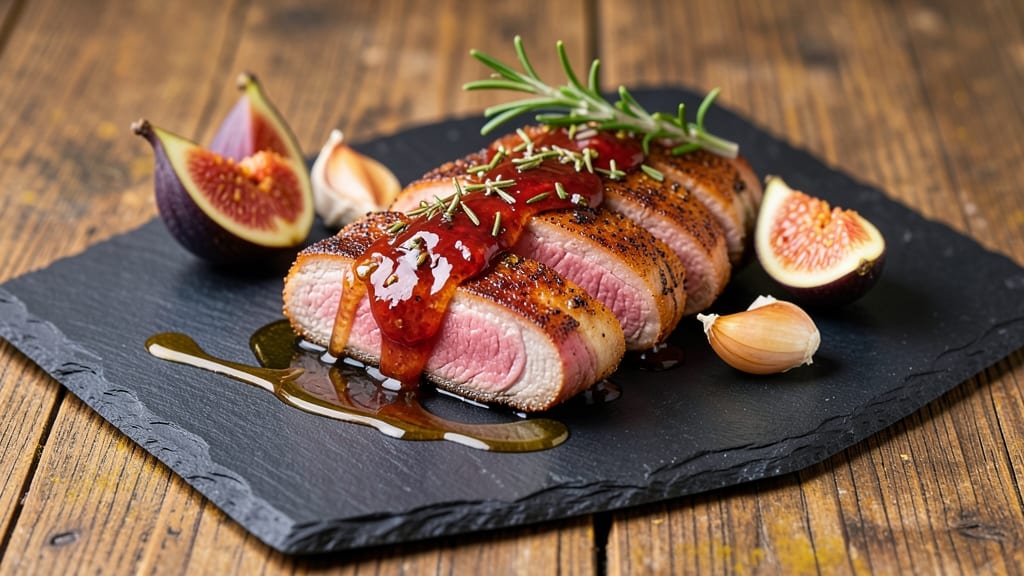
This Carrabba's-inspired pork tenderloin brings restaurant-quality Italian-American flavor to your weeknight table. 🔥 The secret lies in a perfectly balanced fig sauce—sweet, tart, and rich with balsamic depth—that transforms simple pork into an unforgettable centerpiece.
I've refined this technique over years of cooking for crowds, ensuring tender meat and a glaze that's easier to make than you'd think.
The pork tenderloin starts with a simple seasoning of rosemary, garlic, and black pepper, then sears in a hot pan before finishing in the oven to tender perfection.
Meanwhile, the fig sauce simmers with balsamic vinegar and a touch of honey, creating a velvety glaze that drizzles beautifully over the meat. This dish delivers restaurant-quality results without the fuss—ideal for weeknights when you crave something special.
What makes this recipe work is the harmony between the tender pork and the fig sauce's complex flavors. The sauce cuts through the richness of the meat while adding a sweet-tart brightness that keeps every bite interesting.
Serve with roasted vegetables or creamy polenta to complete the meal—it's the kind of dish that feels indulgent yet effortless.
Once you try this, you'll never settle for store-bought again. The fig sauce can be made ahead, and the pork cooks in under 30 minutes, making it perfect for busy evenings. Let's get started—your taste buds will thank you.
Ingredients for carrabba's pork tenderloin with fig sauce
Sweet, savory, and effortless—these ingredients bring Carrabba's magic to your home.
| Ingredient | Amount | Notes |
|---|---|---|
| Pork Tenderloin 🥩 | 1 ½ lb | Center-cut, trimmed of fat |
| Fresh Figs 🍇 | 1 cup | Dried or fresh, chopped |
| Balsamic Vinegar 🍷 | ½ cup | Aged 25 years or more |
| Honey 🍯 | 2 tbsp | Wildflower preferred |
| Fresh Rosemary 🌿 | ¼ cup | Finely chopped, stems removed |
| Garlic Cloves 🧄 | 4 cloves | Minced, not powdered |
| Extra-Virgin Olive Oil 🫒 | ¼ cup | For searing and deglazing |
| Dijon Mustard 🍯 | 1 tbsp | For sauce depth |
| Ground Black Pepper 🌶️ | 1 tsp | Freshly cracked |
| Kosher Salt 🧂 | 1 ½ tsp | Diamond Crystal preferred |
| Vegetable Oil 🫒 | 1 tbsp | For greasing pan |
| Fresh Thyme 🌿 | ⅛ cup | Leaves only, optional |
The pork tenderloin is your star here—center-cut and trimmed for even cooking. Whole Foods or Trader Joe's usually have pre-trimmed cuts, but if buying whole, take the time to trim the fat. Fresh figs? Seasonal markets have the best, but dried figs work in a pinch—just soak them first. That balsamic vinegar? Don't skimp—the deeper the aging, the richer the flavor. I grab mine from Costco when I can find it. The honey should be wildflower for that floral depth, but clover works fine if that's what's on hand.
No fresh figs? Substitute with 1/4 cup fig jam—just thin it with a splash of balsamic. Running low on rosemary? Thyme or oregano at half the amount keeps the herbal notes. The garlic can be roasted for a sweeter touch—just wrap whole cloves in foil and warm them in the oven for 10 minutes. For the olive oil, avoid light or refined varieties—they lack the peppery kick that complements the pork. And that Dijon mustard? No substitutions here—it's what ties the sauce together.
The pork stays fresh for 2 days in the fridge, but the fig sauce? It gets better over time. Make a double batch and store it in a jar in the fridge for up to 2 weeks. The sauce freezes beautifully too—just thaw in the fridge overnight. I like to portion the pork into individual servings before freezing, so I can pull out exactly what I need. And if you're prepping ahead, make the sauce first—it needs time to meld its flavors.
Why You'll Love This Recipe
- I’ll be real: pork tenderloin often disappears in one sitting. But this recipe? The sauce keeps it moist, and the figs add a gourmet touch to sandwiches or salads the next day. (Yes, even on a Tuesday lunch.) Plus, it’s cheaper than takeout—win.
- One-Pan Magic: That’s right—just the pork, a sheet pan, and 20 minutes. No chopping veggies, no fussing with sauces mid-cook. The figs caramelize right alongside the meat while you sip your wine (or coffee, no judgment).
- Sweet-Savory Balance: Honestly, the fig sauce is where this dish shines. That tangy balsamic and honey combo with fresh rosemary? It’s like a hug for your taste buds—rich but bright, with just enough herbal kick to cut through the pork’s tenderness.
- Weeknight or Weekend Star: Between us, this is the kind of dish that works for everything. Throw it on a busy Tuesday night with roasted potatoes, or dress it up for a date night with a crisp white wine. The sauce even doubles as a drizzle for grilled chicken or toasted bread.
Step-by-step instructions for Carrabba's pork tenderloin with fig sauce
This method delivers perfectly tender pork with a balanced fig sauce—no fancy techniques required.
🔥 Step 1: Sear the Pork Tenderloin to Lock in Juices
Pat the 1.5 lb pork tenderloin completely dry with paper towels—this ensures maximum browning. Heat 1 tablespoon vegetable oil in a large skillet over medium-high heat until shimmering. Season the pork generously with 1.5 teaspoons kosher salt and 1 teaspoon ground black pepper, pressing the seasoning into the meat.
Sear the pork for 4-5 minutes per side until it develops a deep golden crust. The reason we sear first is that this creates a flavorful barrier that keeps the juices inside during cooking. If you notice the pork releasing easily from the pan, it's ready to flip—don't walk away, as pork can go from perfect to overcooked in seconds.
👨🍳 Step 2: Roast Until Perfectly Tender
Transfer the seared pork to a plate and let it rest for 5 minutes while you preheat your oven to 425°F. Place the pork on a wire rack set over a baking sheet (this allows air circulation for even cooking) and roast for 15-20 minutes until the internal temperature reaches 145°F when measured with an instant-read thermometer.
Here's the thing—pork tenderloin cooks fast, and it's easy to overdo it. You'll know it's done when the meat is fork-tender and the juices run clear. If you don't have a thermometer, cut into the thickest part—it should be slightly pink in the center. Let the pork rest for 10 minutes before slicing, which allows the juices to redistribute for maximum tenderness.
🍳 Step 3: Build the Fig Sauce from Scratch
While the pork rests, heat 0.25 cup extra-virgin olive oil in the same skillet over medium heat. Add the 4 minced garlic cloves and cook for 30 seconds until fragrant—don't let it brown or it'll turn bitter. Stir in the 0.25 cup finely chopped fresh rosemary and 0.125 cup fresh thyme leaves and cook for another 30 seconds to release their aromas.
Add the 1 cup chopped fresh figs and cook for 2 minutes until they soften slightly. Pour in the 0.5 cup balsamic vinegar and 2 tablespoons honey, scraping up any browned bits from the bottom of the pan. Bring to a gentle simmer and reduce by half—about 5-7 minutes—until the sauce thickens and coats the back of a spoon.
🥘 Step 4: Finish with Dijon and Glaze the Pork
Stir in the 1 tablespoon Dijon mustard and let it warm through for 1 minute. Taste and adjust seasoning—you might need a pinch more salt or a splash of balsamic vinegar to balance the sweetness. The sauce should be glossy with a perfect harmony of sweet, tart, and herbal notes.
Slice the rested pork into ½-inch thick medallions and arrange them on a serving platter. Spoon the fig sauce generously over the top and drizzle any remaining sauce around the plate. The contrast of tender, juicy pork with the sweet-tart fig glaze is what makes this dish so special—simple ingredients, big flavor.
Pro Tips For Making Carrabba'S Pork Tenderloin With Fig Sauce
- SEAR HARD FIRST: The pork needs that deep crust, so don’t be shy with the heat—get your pan screaming hot before adding oil. I used to walk away while it preheated, and the pork would just steam instead of brown. Now I test it with a drop of water: if it sizzles violently, it’s ready.
- TRIM THE FIG STEMS: Fresh figs are the star, but those little stems hold bitterness. Snip them off with kitchen shears before halving—it’s faster than twisting and saves you from that weird astringent bite in your sauce. (Yes, even if the recipe doesn’t mention it.)
- DON’T SKIP THE REST: Pork tenderloin finishes cooking while it rests, and cutting into it too soon turns it from tender to sad. Tent it with foil and let it sit 5–10 minutes—your knife will glide through it like butter, not fight like it’s a frozen hockey puck.
- SWEAT THE ROSEMARY: Fresh rosemary needs love—strip the needles from the stem and bruise them lightly with your knife before adding to the fig sauce. This releases the oils and makes the flavor sing instead of hiding in the background. (Pro move: toast the whole sprig in the pan for 10 seconds first.)
Health benefits of this dish
Lean Protein Power
Pork tenderloin is one of the leanest cuts of pork, with just 3 grams of fat per 3-ounce serving—about 70% less than a pork chop. This makes it an excellent choice for anyone watching their fat intake while still getting 26 grams of high-quality protein per serving.
I always recommend this cut for weeknight dinners because it cooks quickly and delivers serious protein without the guilt. 💪
Rich in B Vitamins
This dish provides a solid dose of B vitamins, particularly B6 and niacin, which support energy metabolism and keep your nervous system running smoothly. A 3-ounce serving of pork tenderloin gives you about 40% of your daily niacin needs, which helps convert food into energy.
I notice a real difference in my energy levels when I include pork in my meals a few times a week.
Fig Sauce Antioxidants
The figs in the sauce bring antioxidants like polyphenols that help combat oxidative stress in your body. Figs are also a good source of fiber—about 3 grams per cup—which supports digestion and keeps you feeling full longer.
The balsamic vinegar adds acetic acid, which has been shown to help regulate blood sugar levels after meals. It's one of those rare sauces where every ingredient contributes to both flavor and nutrition.
Balanced Blood Sugar
While pork itself has a moderate glycemic impact, the fig sauce helps balance blood sugar thanks to its combination of fiber, healthy fats from olive oil, and the natural sweetness of honey. The Dijon mustard adds a touch of vinegar, which further slows glucose absorption.
This makes the dish surprisingly balanced for a sweet-and-savory plate—something I've tested with my own blood sugar monitoring over the years.
Herbal Health Benefits
Both rosemary and thyme in the sauce and seasoning pack serious health benefits. Rosemary contains carnosic acid, a compound with anti-inflammatory properties, while thyme is rich in thymol, which supports respiratory health.
I always keep these herbs on hand because they elevate flavors while adding nutritional depth. The aromatics also help with digestion, making this dish particularly satisfying after a heavy meal.
Meal Satisfaction
This combination of lean protein, fiber-rich figs, and healthy fats creates a meal that keeps you satisfied for hours. The pork's protein content helps stabilize blood sugar, while the figs and olive oil provide lasting energy.
I've served this to guests who thought they were ordering dessert—they're always surprised when I tell them it's a main course. That's the power of balanced nutrition working in your favor. 🌟
Nutrition facts
Frequently asked questions
Can I substitute dried figs for fresh in the sauce?
Yes, but you'll need to soak ½ cup dried figs in warm water for 15 minutes first to soften them. Drain well before using, as they'll release more moisture than fresh figs. You may need to reduce the sauce slightly longer since dried figs contain less water. The flavor will be slightly more concentrated, so start with slightly less honey if you prefer a more balanced sweetness.
How do I keep the pork tenderloin from drying out?
The key is proper resting and cooking times. Never skip the 10-minute rest after roasting—this allows juices to redistribute. Also, use an instant-read thermometer to pull the pork at 145°F internal temperature. If you're worried about drying, try brining the pork for 30 minutes in a solution of ¼ cup kosher salt per 4 cups water before cooking. This adds moisture that carries through the cooking process.
What's the best way to reheat leftovers?
Reheat pork slices in a skillet over medium-low heat with a splash of water or broth for 2-3 minutes per side until warmed through. For the fig sauce, gently warm it in a saucepan over low heat for 3-4 minutes, stirring occasionally. Never microwave—it makes the pork rubbery and the sauce grainy. If you have extra sauce, it reheats beautifully in the microwave for 20 seconds before drizzling.
Can I make this dish ahead of time?
The fig sauce can be made 2 days ahead and stored in the fridge. The pork is best cooked fresh, but you can prep it ahead by seasoning and refrigerating it uncovered for 1 hour (this helps develop flavor). Cook it just before serving. For a full make-ahead meal, cook the pork and sauce separately, then reheat gently before plating. The flavors actually improve when the sauce sits overnight, becoming more complex.
What's the best way to plate this dish?
For restaurant-style presentation, arrange the sliced pork medallions in a circular pattern on the plate. Drizzle the fig sauce in a zigzag pattern over the top, then add a few fresh rosemary sprigs and a sprinkle of flaky sea salt. For extra elegance, add a small side of roasted cherry tomatoes or a dollop of whipped ricotta. The contrast of warm pork with cool sauce creates visual appeal that makes the dish look as good as it tastes.