
Main Courses
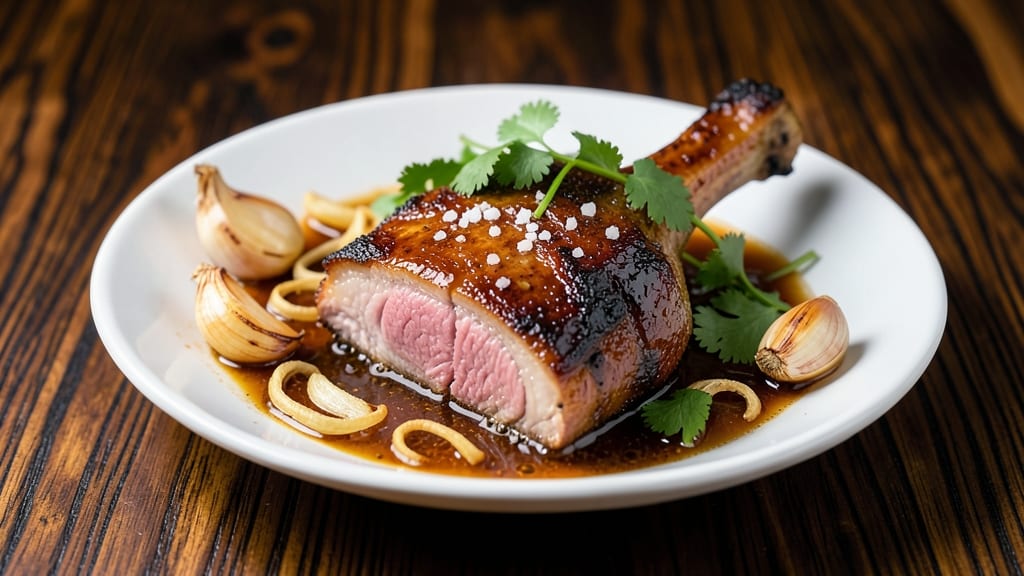
This Bistek Tagalog pork chop recipe delivers the perfect balance of crispy edges and tender meat, all wrapped in a tangy, sweet vinegar glaze that's pure comfort food. 🔥 As someone who's spent years perfecting pork dishes, I can tell you this technique transforms simple pork chops into a restaurant-worthy centerpiece with minimal effort.
The secret lies in the marinade—a bold mix of soy sauce, vinegar, and garlic that tenderizes the meat while building flavor. Pan-searing creates that signature crispy crust, while the glaze caramelizes into a sticky, slightly sweet finish that cuts through the richness.
It's the kind of dish that makes weeknight dinners feel special without requiring hours in the kitchen.
What you'll end up with is perfectly seared pork chops with a golden-brown crust that shatters at every bite, all coated in that addictive vinegar glaze. The sauce is just sweet enough to balance the tang, creating a flavor profile that's both familiar and exciting.
This is the kind of recipe that gets passed down through generations.
Serve with steamed rice and a simple side salad to let the pork chop shine. The technique is straightforward, but the results are anything but ordinary—this is home cooking at its finest. Let's get started with the full recipe.
Ingredients for bistek pork chop tagalog
The essential ingredients for restaurant-quality Bistek Tagalog pork chops at home.
| Ingredient | Amount | Notes |
|---|---|---|
| Bone-In Pork Chops 🥩 | 4 whole | Center-cut, 1-inch thick |
| Cane Vinegar 🍶 | ½ cup | White vinegar works too |
| Soy Sauce 🥫 | ½ cup | Light or dark preferred |
| Garlic Cloves 🧄 | 6 cloves | Minced finely for marinade |
| Brown Sugar 🍚 | ¼ cup | Packed for sweetness |
| Olive Oil 🫒 | 2 tbsp | For searing |
| Black Peppercorns 🌶️ | 1 tsp | Freshly cracked |
| Salt 🧂 | 1 tsp | Kosher or sea salt |
| Vegetable Oil 🫒 | ½ cup | High smoke point for frying |
| Fresh Ginger 🌿 | 1 tbsp | Grated finely |
| Kalamansi or Lemon Juice 🍋 | 2 tbsp | For brightness |
| Green Onions 🧅 | 2 whole | Sliced thin for garnish |
The pork chops are non-negotiable—bone-in, center-cut gives you the best flavor and texture. Look for chops with good marbling at your local butcher or Costco—they often have pre-cut pork chops that save time. If you can't find bone-in, bone-out works but won't be as flavorful. The cane vinegar is key for that authentic tang, but white vinegar in a pinch works just as well. For the best results, grab Kalamansi juice at an Asian market if available, but fresh lemon juice will do in a hurry.
No cane vinegar? White vinegar or apple cider vinegar both work, though cane vinegar has a slightly sweeter profile. The brown sugar can be swapped for white sugar at the same amount, but it won't caramelize as beautifully. Fresh ginger is ideal, but ground ginger at half the amount works if you're short on time. The soy sauce should be light for a cleaner flavor, but dark soy sauce adds depth if you prefer a richer taste. For the glaze, if you can't find Kalamansi, lemon or lime juice will give you that bright finish.
Marinate the pork chops for at least 30 minutes, but overnight is ideal for maximum tenderness. The glaze should be thick but pourable, so simmer it until it reduces slightly. These chops reheat beautifully—just warm them in a skillet with a splash of water for 3-4 minutes. Store leftovers in an airtight container in the fridge for up to 3 days, or freeze for 2 months if you're prepping ahead.
Why You'll Love This Recipe
- Here’s what sold me: the brown sugar and soy sauce team up for a caramelized crust that’s dangerously addictive, while the cane vinegar cuts through the richness. That crispy edge with the tender center? Chef’s kiss.
- One-Pan Magic: I swear by this recipe because it’s literally one pan, one spatula, and done. The bone-in chops caramelize right alongside the garlic and vinegar—no flipping, no fuss, just that sticky, glossy glaze pooling at the bottom.
- Sweet-Savory Crunch: Here’s what sold me: the brown sugar and soy sauce team up for a caramelized crust that’s dangerously addictive, while the cane vinegar cuts through the richness. That crispy edge with the tender center? Chef’s kiss.
- Leftover Hero: Between us, this dish begs to be made extra. The flavor actually deepens the next day—perfect for quick lunches or reheating for a lazy Sunday. (Yes, even on a Tuesday night.)
Step-by-step instructions for Bistek Tagalog pork chop
Master this classic Filipino dish with a perfect balance of crispy crust and sweet-tangy glaze.
🍳 Step 1: Marinate the Pork Chops for Maximum Flavor
In a bowl, combine the 0.5 cup cane vinegar, 0.5 cup soy sauce, 0.25 cup brown sugar, 1 tbsp grated fresh ginger, 6 cloves minced garlic, 1 tsp cracked black peppercorns, and 1 tsp salt. Whisk until the brown sugar dissolves completely—this marinade should be smooth and syrupy.
Add the 4 whole bone-in pork chops to the marinade, turning to coat evenly. Cover and refrigerate for at least 2 hours (overnight works best). The acid in the vinegar will tenderize the meat while the sugar and soy create a flavorful crust. This step ensures each bite delivers that signature sweet-savory balance.
🔥 Step 2: Sear the Pork Chops for Crispy Perfection
Remove the pork chops from the marinade (don't wipe off excess—it adds flavor) and let them sit at room temperature for 10 minutes. Heat 2 tbsp olive oil in a large skillet over medium-high heat until shimmering but not smoking.
Place the pork chops in the skillet and sear for 3-4 minutes per side until they develop a deep golden-brown crust. Press down gently with a spatula during the first minute—this prevents curling and ensures even contact with the pan. The crust should be crispy while the meat remains juicy inside. Transfer to a plate and tent with foil to keep warm.
🥘 Step 3: Deglaze and Simmer the Glazing Sauce
Pour the reserved marinade into the same skillet (don't scrape—those browned bits are flavor gold) and bring to a simmer over medium heat. Let it reduce by half—about 5-6 minutes—until it thickens into a glossy, syrupy consistency. The sauce should coat the back of a spoon but still be pourable.
Stir in the 2 tbsp kalamansi or lemon juice and simmer for another 1 minute. This brightens the sauce and cuts through the richness. Taste and adjust seasoning if needed—you might want to add a pinch more salt or a splash of soy sauce for depth.
🍽️ Step 4: Finish and Garnish for Restaurant-Quality Presentation
Return the seared pork chops to the skillet and spoon the glaze evenly over the top. Let them simmer for 2-3 minutes to absorb the sauce and develop a glossy finish. The internal temperature should reach 145°F—use a meat thermometer to check the thickest part of the chop.
Remove from heat and let rest for 5 minutes before serving. Garnish with 2 whole sliced green onions for freshness and color. The result should be pork chops with a crispy exterior, tender meat, and a sticky-sweet glaze that balances tangy, savory, and slightly sweet flavors.
Pro Tips For Making Bistek Pork Chop Tagalog
- SEAR THE BONE FIRST: Bone-in pork chops need that bone seared first—5 minutes on high heat until it’s deep brown and crisp. I learned this the hard way: skipping it means the bone won’t infuse flavor into the meat, and the sauce will taste flat. Let the pan get screaming hot before adding oil, or you’ll steam instead of brown.
- USE RAW GARLIC (YES, RAW): Crush the garlic cloves with the skin still on—this keeps them from burning and adds a milder, sweeter punch to the sauce. My grandmother swore by this, and she was right: cooked garlic turns bitter, but raw garlic here just melts into the vinegar and soy without overpowering. Smash it with the side of your knife for even texture.
- DON’T RUSH THE VINEGAR: After searing, let the vinegar simmer low and slow for at least 3 minutes—this cuts the harsh acid and lets it mingle with the soy and sugar. I used to dump it in and stir immediately, and the dish always tasted sharp. A quick taste test here tells you when it’s ready: smooth, not tangy.
- SAVE THE BONE BROTH: When the pork chops are done, don’t toss that bone—crack it open and scrape out the marrow, then simmer it in the sauce for 5 minutes. The marrow adds richness, and the bone adds depth that store-bought stock can’t match. It’s not the prettiest method, but it’s the thing that makes this dish taste like your lola’s.
Essential equipment for perfect results
Skillet Essentials
Start with a 10-inch cast iron skillet—it retains heat beautifully and creates that perfect crispy crust. I swear by my Lodge Pre-Seasoned Cast Iron skillet for searing pork chops; it develops a natural non-stick surface over time that makes flipping effortless.
For a lighter option, a stainless steel skillet like All-Clad works too, but you'll need to use a bit more oil to prevent sticking. 🔥
If you're cooking for a crowd or larger chops, a 12-inch skillet gives you more surface area to work with. Avoid non-stick pans—the high heat needed for searing can damage the coating and release harmful fumes.
Cast iron is your best friend here, but if you're short on time, a carbon steel skillet is a great alternative that heats up even faster.
Heat Control Tools
A thermometer is non-negotiable for this recipe. I use a ThermoWorks Thermapen to monitor both the skillet temperature and the internal temp of the pork chops. The skillet should reach 350-375°F for optimal searing—any hotter and you risk burning the exterior before the inside cooks through.
For a budget-friendly option, the Meater+ is a great wireless alternative that gives you precise readings without breaking the bank.
For even heat distribution, a skillet with a flat base is ideal. I avoid warped pans—they create hot spots that can burn your pork chops unevenly. If your skillet develops hot spots, rotate it occasionally or use a silicon spatula to gently press down on the meat for even contact.
Marinade Mixing
Whisking the marinade properly is key to dissolving the brown sugar completely. I use a wire whisk for this step—it creates a smooth, syrupy consistency that coats the pork chops evenly.
For a more hands-off approach, a hand mixer on low speed works too, but be careful not to create too many bubbles. The marinade should be thick enough to cling to the meat but still pourable.
Store the marinade in a glass jar with a lid in the fridge. Glass is non-reactive, so it won't alter the flavors like some plastic containers might. If you're marinating overnight, give the chops a quick stir halfway through to ensure even coating.
Pro tip: Use a mesh strainer to remove any garlic skins or peppercorns before using the marinade for deglazing—this keeps your sauce smooth.
Resting and Serving
Resting the pork chops is where many home cooks go wrong. Use a wire rack on a baking sheet to let them rest—this prevents them from steaming in their own juices. I keep a Lodge wire cooling rack in my kitchen specifically for this purpose.
If you don't have one, a clean kitchen towel works in a pinch, but the rack gives better airflow.
For serving, I love using wooden serving boards or ceramic plates—they elevate the presentation and keep the chops warm longer. Garnish with green onions using a sharp chef's knife for clean, even slices.
A microplane works great for zesting any extra lemon or lime if you're using those instead of kalamansi.
Nutrition facts
Frequently asked questions
Can I use boneless pork chops for this recipe?
While bone-in chops are traditional, boneless chops work perfectly fine! Just reduce the cooking time by 1-2 minutes per side since they'll cook faster without the bone's insulating effect. The flavor will still be fantastic, though you might miss that extra depth from the bone.
What if I don't have cane vinegar?
No problem! Use white vinegar or apple cider vinegar in equal amounts—they'll give you that same tangy kick. For extra authenticity, add 1 tsp sugar to compensate for cane vinegar's natural sweetness. The flavor difference is minimal when balanced with the soy sauce and brown sugar.
How do I prevent the pork chops from drying out?
The key is proper timing and resting! Sear at medium-high heat for exactly 3-4 minutes per side, then let them rest for 5 minutes before serving. Overcooking is the enemy—use a meat thermometer to check for 145°F internal temp. The marinade also helps keep them juicy by breaking down the meat fibers.
Can I make this recipe in a slow cooker?
Not ideal for this dish—slow cooking would make the meat too tender and lose that beautiful crispy crust. The high-heat searing is what creates that signature texture. However, you could use the marinade for other recipes like braised pork or stir-fries if you're set on slow cooking!
How do I store leftovers?
Store in an airtight container in the fridge for up to 3 days—they reheat beautifully! For longer storage, freeze for 2 months. To reheat, warm in a skillet over medium heat with a splash of water for 3-4 minutes until heated through. The glaze might thicken slightly but will restore when reheated.