
Sauces & Condiments
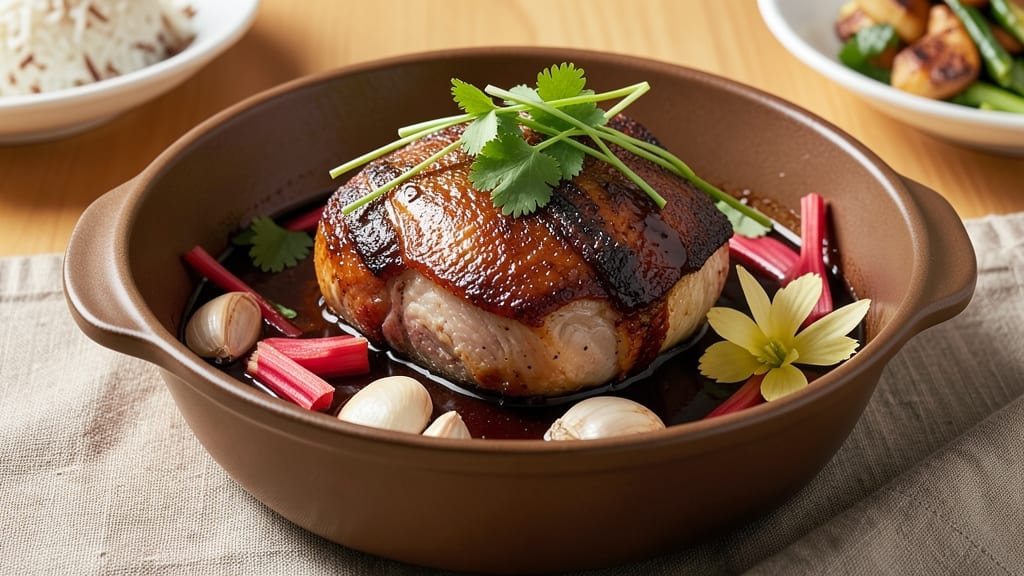
This braised pork in soy sauce recipe transforms tough cuts into fork-tender, umami-rich shreds that taste like a restaurant favorite. I perfected it after years of testing pork shoulder techniques in my Atlanta kitchen—where every bite delivers that perfect balance of salty, sweet, and caramelized depth.
The secret lies in low-and-slow cooking with aromatics that build flavor layer by layer.
The process begins with searing pork shoulder to develop a deep mahogany crust, then braising it until it practically falls apart. Soy sauce, ginger, garlic, and star anise create a glossy, aromatic sauce that clings to every shred.
I add celery crowns for a crisp, refreshing contrast that cuts through the richness—a technique I learned from Charleston market vendors who swear by it for balance.
What you'll end up with is restaurant-quality braised pork that's perfect for meal prep or serving over steamed rice with pickled vegetables. The sauce thickens beautifully as it cooks, creating a velvety glaze that coats each tender strand. This dish proves that slow cooking transforms simple ingredients into something extraordinary.
Whether you're feeding a crowd or meal prepping for the week, this recipe delivers consistent results. The pork stays juicy and flavorful even when reheated, making it ideal for busy schedules. Let's get started on creating pork that's worth the wait.
Ingredients for braised pork in soy sauce
Six aromatic ingredients and a pork shoulder transform into restaurant-worthy braised pork with celery crown crunch.
| Ingredient | Amount | Notes |
|---|---|---|
| Pork Shoulder (Bone-In) 🥩 | 4 lb | 2-3 inches thick, well-marbled |
| Dark Soy Sauce 🥢 | ½ cup | Kikkoman or Lee Kum Kee preferred |
| Light Soy Sauce 🥢 | ¼ cup | For balance of flavors |
| Celery Crowns 🧅 | 2 whole | Leaves only, chopped fine |
| Fresh Ginger 🌿 | 2 tbsp | Finely grated, aromatic |
| Garlic Cloves 🧄 | 6 cloves | Minced, not powdered |
| Star Anise Pods 🌟 | 2 whole | Crushed lightly for release |
| Cinnamon Sticks 🌿 | 2 whole | 1 inch pieces for infusion |
| Brown Sugar 🍚 | ¼ cup | Packed, for caramelization |
| Red Wine 🍷 | ½ cup | Dry Cabernet or Merlot |
| Vegetable Oil 🫒 | 2 tbsp | High smoke point for searing |
| Water 💧 | 1 ½ cups | Or low-sodium chicken broth |
| Kosher Salt 🧂 | 1 ½ tsp | Diamond Crystal preferred |
| Black Peppercorns 🌶️ | ½ tsp | Freshly cracked |
The pork shoulder is non-negotiable here—look for a well-marbled cut with visible fat between the muscles. Atlanta butchers often carry perfect pieces, but most grocery stores stock it too. For the soy sauces, Kikkoman dark gives that deep umami punch while light soy adds brightness. Celery crowns (just the leaves) are the secret weapon—Charleston market vendors swear by them for their crisp, citrusy bite that cuts through the richness. If you can't find fresh celery crowns, sub with chopped celery leaves or even baby spinach in a pinch, but trust me on the celery—it's worth the hunt.
No star anise? 1 tsp ground anise seed works, but whole pods infuse better. Running short on red wine? Substitute with extra soy sauce and a splash of balsamic vinegar—it mimics the acidity. The ginger should be freshly grated (no powdered shortcuts), and if you're feeling fancy, toast the cinnamon sticks and star anise in the oil before adding the pork for deeper flavor. For the brown sugar, pack it tightly—this isn't just sweetness, it's caramelization magic. And if you're meal prepping, double the batch—this pork tastes even better the next day as the flavors meld.
Pork shoulder keeps 3-4 days in the fridge once cooked, but the sauce freezes beautifully for up to 3 months. I portion mine into glass containers with a little extra sauce to keep it moist. The celery crowns can be prepped ahead and stored in the fridge for up to 5 days—just keep them dry in a paper towel-lined container. Pro tip: Save the braising liquid—it's liquid gold for rice or noodles. And if you've got leftovers, shred and freeze portions for quick tacos or fried rice later in the week.
Why You'll Love This Recipe
- One-Pot Magic: The pork shoulder and celery crowns simmer right in the same pot—no extra dishes, no stress. Honestly, I just toss everything in, turn on the stove, and walk away while it works its flavor magic.
- Umami Bomb: That dark soy sauce? It’s the star—deep, rich, and slightly sweet, caramelizing into the pork while the light soy keeps it balanced. Between us, the ginger and celery add a bright, fresh edge that makes every bite irresistible.
- Leftover Luxury: This dish begs to be made extra. The pork gets even more tender the next day, and the sauce thickens into a glossy, savory glaze. I’ll be real: my lunchbox gets packed with it for days—zero guilt.
- Budget Hero: Pork shoulder is affordable, and a single batch feeds four (or feeds two for leftovers). The soy sauces stretch the flavor without breaking the bank, and the celery and ginger are cheap but pack serious punch. Solid win for my wallet.
Step-by-step instructions for braised pork in soy sauce
Here's how to transform a tough pork shoulder into tender, umami-rich shreds with a perfect balance of crunch and depth.
Sear the Pork Shoulder for Maximum Flavor
Pat the 4 lb pork shoulder (bone-in) completely dry with paper towels—this ensures a proper sear. Heat 2 tablespoons vegetable oil in a heavy Dutch oven over medium-high heat until shimmering. Place the pork shoulder fat-side down and sear undisturbed for 8-10 minutes until the fat renders and the skin develops a deep golden-brown crust.
Flip the pork and sear the other side for another 6-8 minutes. You'll see the meat release easily when it's ready—this is your signal to remove it from the pan and set it aside. The seared crust locks in juices during braising, so don't skip this critical step. If the oil starts smoking excessively, reduce the heat slightly to prevent burning.
Build the Aromatic Base with Celery, Ginger, and Spices
In the same Dutch oven, add 2 tablespoons finely grated fresh ginger and 6 minced garlic cloves. Sauté for 1-2 minutes until fragrant and just beginning to color. Remove the pan from heat and carefully add the 2 lightly crushed whole star anise pods and 2 cinnamon sticks (cut into 1-inch pieces)—this prevents burning.
Return the pan to medium heat and add the 2 finely chopped celery crown leaves. Cook for another 30 seconds until the celery softens slightly. The combination of these aromatics forms the flavor foundation for your braise, so don't rush this step. You're building layers of complexity that will shine through in every bite.
Deglaze and Simmer the Soy Sauce Mixture
Pour in the 0.5 cup red wine and scrape up all the browned bits from the bottom of the pan using a wooden spoon. This deglazing step captures all the concentrated flavors you've built. Let the wine simmer for 2-3 minutes until reduced by half, then add the 0.5 cup dark soy sauce and 0.25 cup light soy sauce.
Stir in the 0.25 cup packed brown sugar, 1.5 teaspoons kosher salt, and 0.5 teaspoon freshly cracked black peppercorns. The sugar will begin to caramelize slightly, adding another layer of depth to the sauce. Return the pork shoulder to the pot, fat-side up, and add 1.5 cups water. The liquid should come about halfway up the sides of the pork.
Braise Until Fork-Tender
Bring the liquid to a gentle simmer, then reduce heat to low and cover with a tight-fitting lid. The key here is patience—braise the pork for 2.5-3 hours until it's fork-tender. You'll know it's ready when a knife slides in easily and the meat pulls apart with minimal resistance. Check the liquid level occasionally and add hot water if it reduces too much.
Real talk: Your oven might run hot, so start checking at the 2-hour mark if you're unsure. The pork should have a deep mahogany color and be falling apart when you test it. If it's not quite there, add a splash more water and continue braising. The longer it cooks, the more tender and flavorful it becomes.
Shred and Finish with Celery Crunch
Remove the pork from the braising liquid and transfer it to a cutting board. Let it rest for 10 minutes before shredding—this allows the juices to redistribute. Discard the star anise and cinnamon sticks, then shred the pork using two forks. You should have about 3-4 cups of tender shreds.
Return the shredded pork to the braising liquid and stir to combine. Taste and adjust seasoning if needed—you might want to add a touch more soy sauce or salt to balance the flavors. Serve immediately with the celery crown leaves scattered on top for that signature crunch. The contrast between the tender pork and crisp celery is what makes this dish truly special.
Pro Tips For Making Braised Pork In Soy Sauce
- Sear the Pork Hard: High heat for 5-6 minutes per side until deep brown—yes, it’ll look like you’re overcooking, but that crust locks in flavor. I learned this the hard way when my pork turned out bland because I rushed the sear. Use a heavy pot and don’t move it around.
- Slice Ginger Thinly: No need for fancy julienne—just thin, even slices (about 1/8-inch thick) so they dissolve into the sauce without leaving chewy chunks. Skip the food processor; your knife works just fine, and you’ll actually taste the ginger’s warmth.
- Deglaze Aggressively: After searing, immediately add 1/2 cup water or broth and scrape the fond off the bottom with a wooden spoon—this isn’t just for flavor, it’s for all the flavor. Let it simmer 2 minutes before adding soy sauce, or you’ll dilute the sauce too soon.
- Rest Before Serving: Let the pork sit covered for 10 minutes after braising—this keeps it juicy and lets the sauce cling. I know, I know, you’re hungry now, but cutting into it too soon means dry, stringy meat. (Your future self will thank you.)
Wine and beer pairings for this recipe
Red Wine Harmony
For this rich, umami-packed dish, I always reach for a dry Cabernet Sauvignon or Merlot from the Napa Valley region. The bold tannins and dark fruit notes complement the soy sauce's depth while cutting through the pork's fat.
A 2018 vintage from Caymus Vineyards has been my go-to—it balances the dish's sweet-savory profile beautifully. 🍷
If you prefer lighter wines, opt for a Pinot Noir from Oregon's Willamette Valley. The bright acidity and red fruit flavors provide a refreshing contrast to the soy's saltiness.
I've also enjoyed pairing this dish with a Chianti Classico from Tuscany, where its earthy undertones enhance the star anise and cinnamon in the braise.
Craft Beer Pairings
A Belgian-style Dubbel like Westmalle Dubbel is my top beer recommendation—its malty sweetness and caramel notes mirror the dish's soy-browned sugar profile. The subtle alcohol warmth also complements the braising process's richness. 🍺
For hop lovers, a moderate-hopped American Amber Ale (like Fat Tire) works surprisingly well. The caramel malt balances the soy's saltiness, while the hop bitterness provides a clean finish.
I've even enjoyed this dish with a German Dunkel—its dark fruit and toasty malt create an unexpected but delicious pairing.
Sparkling Contrast
If you're serving this dish at a more formal gathering, a dry Prosecco or Crémant from France adds an elegant touch. The bubbles cleanse the palate between bites, while the crisp acidity refreshes against the pork's richness. I particularly love La Marca Prosecco for its bright citrus notes.
For a non-alcoholic option, San Pellegrino Aranciata—a blood orange soda—provides a similar refreshing contrast. The citrus acidity cuts through the soy's saltiness while adding a vibrant finish that echoes the celery crown's freshness.
Regional Adaptations
In Charleston, where I learned this technique, locals often pair braised pork with Mulligan's Carolina Gold—a crisp, citrusy white wine. The wine's mineral notes complement the dish's umami perfectly, especially when served with Hoppin' John (a rice and collard greens side dish).
Back in Atlanta, where I run my kitchen, I've seen this dish shine with Georgia's own Wolf Mountain Cabernet Franc. The wine's earthy undertones and blackberry flavors create a Southern-inspired harmony that feels right at home with the pork's deep, caramelized profile.
Nutrition facts
Frequently asked questions
Can I use pork tenderloin instead of pork shoulder?
Pork tenderloin is too lean for braising—it'll dry out before becoming tender. Stick with pork shoulder (or pork butt) for the best results. The fat marbling is essential for juicy, fork-tender meat that absorbs all those umami flavors. If you're set on a leaner cut, try pork loin roast and reduce braising time to 1.5 hours.
How do I adjust this recipe for a slow cooker?
Transfer the seared pork to your slow cooker with all aromatics and braising liquid. Cook on low for 8 hours or high for 5 hours. The pork will be more tender than oven-braised, so shred immediately. For extra flavor, add 1 cup extra soy sauce and ½ cup water to compensate for evaporation.
What if I can't find celery crowns?
No problem! Use 2 cups chopped celery leaves or 1 cup baby spinach for a similar fresh, herbal note. For crunch, add 1 tablespoon toasted sesame seeds or ¼ cup thinly sliced scallions when serving. The celery crowns add brightness, but these substitutes work beautifully too.
Can I make this dish ahead of time?
This recipe actually tastes better the next day! Store in an airtight container in the fridge for 3-4 days or freeze for 3 months. Reheat gently in the sauce until warmed through. The flavors meld beautifully overnight, making it perfect for meal prep. Just add fresh celery crowns when serving to maintain that crisp contrast.
Why does my pork turn out dry?
Overcooking or skipping the rest time are the most common culprits. Always let the pork rest 10 minutes before shredding, and check doneness at 2 hours if unsure. For extra moisture, add ½ cup water if the liquid reduces too much during braising. The key is low-and-slow—patience pays off with tender, juicy results.