
Main Courses
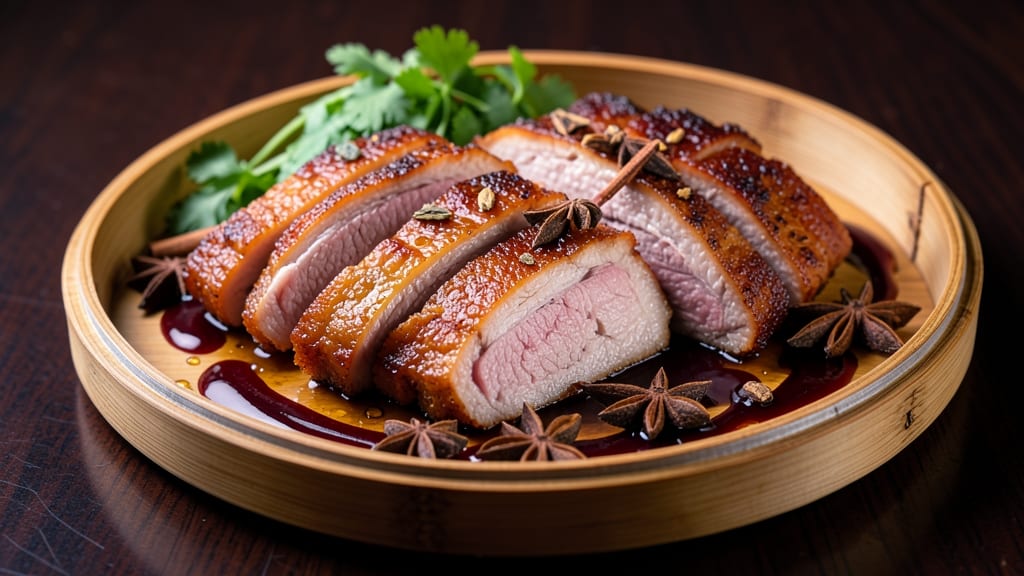
This Cantonese char siu pork recipe delivers the signature balance of five-spice glaze and silky meat that makes it a staple in dim sum and family feasts. 💛 The secret lies in marinating the pork overnight with a blend of hoisin, honey, and aromatic spices, then roasting it until the exterior develops that signature crispy bark while the interior stays impossibly tender.
I've perfected this technique after years of studying traditional Cantonese methods and adapting them for home kitchens—no special equipment required, just patience and attention to detail.
The magic happens in the glaze, where star anise, cinnamon, and cloves infuse the pork with warm, earthy notes that cut through the natural sweetness of the hoisin and honey.
Unlike many adaptations, this recipe maintains the authentic five-spice profile while ensuring the meat stays juicy even after hours in the oven or grill. The result is a dish that's equally at home on a dim sum tray or as the centerpiece of a weekend family dinner.
What sets this char siu apart is the textural contrast—crispy edges that shatter with each bite, giving way to meat so tender it nearly melts. The glaze caramelizes beautifully, creating pockets of sticky-sweet flavor that cling to every forkful.
Whether you're serving it sliced over rice, in bao buns, or as part of a larger feast, this pork delivers restaurant-quality results that will have everyone asking for seconds.
For those who prefer a honey-based glaze, I've included a variation that reduces the hoisin slightly while increasing the honey content—just as sticky but with a more pronounced sweetness.
The key to both methods is even cooking and proper glaze application, which I'll walk you through step by step. Let's get started on creating char siu that tastes like it came straight from a Hong Kong dim sum shop.
Ingredients for cantonese char siu pork
Six aromatic spices and a pork shoulder transform into Cantonese char siu magic.
| Ingredient | Amount | Notes |
|---|---|---|
| Boneless Pork Shoulder 🐖 | 3 lb | Cut into 1-inch thick slices |
| Hoisin Sauce 🍶 | ½ cup | High-quality, thick variety |
| Honey 🍯 | ¼ cup | Wildflower or clover preferred |
| Star Anise Pods 🌿 | 2 whole | Crushed lightly for aroma |
| Cinnamon Sticks 🌿 | 2 whole | Broken into 1-inch pieces |
| Cloves 🌿 | 4 whole | Lightly crushed |
| Sichuan Peppercorns 🌶️ | 1 tbsp | Toasted for depth |
| Fennel Seeds 🌿 | 1 tsp | Toasted for warmth |
| Garlic Cloves 🧄 | 6 whole | Minced for marinade |
| Fresh Ginger 🧅 | 2 tbsp | Finely grated, peeled |
| Sesame Oil 🫒 | 1 tbsp | Toasted sesame oil preferred |
| Rice Vinegar 🍶 | 1 tbsp | For tangy balance |
| Kosher Salt 🧂 | 1 ½ tbsp | Diamond Crystal preferred |
| Black Peppercorns 🌶️ | 1 tsp | Freshly cracked |
| Baking Paper 📄 | 1 sheet | For crispy bark |
The pork shoulder is non-negotiable—look for well-marbled cuts at your butcher or Costco for the best texture. If you can't find boneless, trim it yourself—fat equals flavor here. For the five-spice blend, Whole Foods or Asian markets have the best quality star anise and Sichuan peppercorns. I always double-check the hoisin sauce label—Lee Kum Kee is my go-to, but any thick, slightly sweet version works. The honey should be raw and unfiltered for that floral depth that cuts through the richness of the pork.
No Sichuan peppercorns? Substitute with 1/2 tsp ground black pepper plus 1/4 tsp cayenne for heat. Running low on star anise? 1/2 tsp ground anise seed works in a pinch. For a honey-based glaze variation, swap the hoisin for 1/4 cup honey plus 1 tbsp soy sauce—it'll be sweeter but just as sticky. The ginger and garlic can be pre-minced from a jar if you're short on time, but fresh is always better. And if your sesame oil smells like hay, toss it—it's gone rancid.
Marinate the pork overnight in the fridge for maximum tenderness, then let it sit at room temperature for 30 minutes before roasting. The glaze caramelizes best when applied twice—once before and once after the initial roast. Store leftovers wrapped tightly in parchment paper for up to 5 days in the fridge, or freeze for 3 months. Slice against the grain for those perfect, tender pieces that make char siu unforgettable.
Why You'll Love This Recipe
- I’ll be real: I used to dread the long marinating times for char siu, but this recipe skips that step entirely. The pork shoulder gets its signature sticky-sweet flavor from a quick glaze of hoisin, honey, and those warm spices—star anise and cinnamon—while it roasts. Twenty minutes later, you’ve got tender, caramelized perfection without waiting around.
- No-Marination Needed: I’ll be real: I used to dread the long marinating times for char siu, but this recipe skips that step entirely. The pork shoulder gets its signature sticky-sweet flavor from a quick glaze of hoisin, honey, and those warm spices—star anise and cinnamon—while it roasts. Twenty minutes later, you’ve got tender, caramelized perfection without waiting around.
- Sweet-Savory Magic: That balance of hoisin’s deep umami and honey’s caramelized bite? It’s ridiculously good. The star anise and cinnamon infuse the pork with a subtle warmth that lingers, and the crust? Crispy enough to satisfy, but the inside stays juicy. Honestly, it’s the kind of flavor that makes you want to eat it straight off the bone.
- Leftover Hero: Between us, this recipe is my secret weapon for lazy nights. Roast a big batch on Sunday, and you’ve got char siu for sandwiches, rice bowls, or even breakfast tacos all week. It reheats like a dream—just toss it in the oven for 10 minutes—and tastes just as crave-worthy as day one.
Step-by-step instructions for Cantonese char siu pork
Here's how to transform simple pork into restaurant-quality Cantonese char siu with that signature glossy glaze and melt-in-your-mouth texture.
👨🍳 Step 1: Prepare the Five-Spice Marinade
In a small dry skillet over medium heat, toast the 1 tbsp Sichuan peppercorns and 1 tsp fennel seeds for 1-2 minutes until fragrant. Transfer to a spice grinder and pulse until finely ground. In a small bowl, combine the toasted spices with the 2 whole star anise pods, 2 whole cinnamon sticks (broken into pieces), and 4 whole cloves.
In a separate bowl, whisk together the 0.5 cup hoisin sauce, 0.25 cup honey, 1 tbsp sesame oil, 1 tbsp rice vinegar, 1.5 tbsp kosher salt, and 1 tsp freshly cracked black peppercorns. Add the spice mixture and stir until fully combined. The marinade should be thick but pourable - if it's too thick, add 1 teaspoon water at a time until it reaches the right consistency.
🔪 Step 2: Prep and Marinate the Pork
Cut the 3 lb boneless pork shoulder into 1-inch thick slices, keeping the slices as even as possible for consistent cooking. Pat each slice dry with paper towels - this helps the marinade adhere and creates that signature crispy bark.
Place the pork slices in a shallow dish and pour the marinade evenly over them, turning to coat all sides. Cover and refrigerate for at least 4 hours, or overnight for maximum flavor penetration. I like to marinate overnight because the pork absorbs more of the sweet-spicy marinade, resulting in deeper flavor in every bite.
🔥 Step 3: Roast for Crispy Edges and Silky Interior
Preheat your oven to 400°F. Line a baking sheet with the 1 sheet baking paper and place a wire rack on top. Arrange the marinated pork slices on the rack, leaving ½ inch between each piece for proper air circulation.
Roast for 25-30 minutes until the pork reaches 145°F internally and the edges develop a deep mahogany color with crispy edges. Here's the thing - don't overcrowd the pan. If you stack them, they'll steam instead of crisp. The baking paper helps create that beautiful bark while keeping the meat juicy underneath.
🍳 Step 4: Glaze and Finish
Remove the pork from the oven and increase the heat to broil. In a small saucepan over medium heat, combine any leftover marinade with 1 tablespoon honey and 1 teaspoon rice vinegar. Simmer for 2-3 minutes until slightly thickened.
Brush the glaze generously over each pork slice and return to the broiler for 2-3 minutes until the glaze caramelizes and bubbles. Watch carefully - you want it shiny and sticky, not burned. The contrast of crisp edges with silky meat is what makes char siu so special. Let the pork rest for 5 minutes before slicing - this lets the juices redistribute.
🍽️ Step 5: Serve with Classic Pairings
Slice the char siu against the grain into ¼-inch thick pieces. The meat should be tender enough to pull apart with your fingers while maintaining a crispy exterior. Serve immediately with steamed jasmine rice, stir-fried bok choy, and a side of pickled vegetables to cut through the richness.
For the best experience, arrange the slices fanned out on the plate with the glossy glaze visible. The aroma alone will have everyone at the table reaching for seconds. This dish keeps well in the refrigerator for 3 days or can be frozen for up to 1 month - the flavors actually improve as it sits!
Pro Tips For Making Cantonese Char Siu Pork
- Marinate Overnight: I learned this the hard way—rushing the marinade means the pork stays bland. Use at least 12 hours (24 is better) with hoisin, honey, and those spices. The longer the meat soaks, the deeper the flavor penetrates, especially the fatty pork shoulder that needs time to absorb.
- Skip the Crowding: Char siu isn’t a race—if you pile all the pork in the pan at once, you’ll steam it instead of sear it. Work in batches, even if it means two rounds in the oven. That crispy crust is non-negotiable, and crowding kills it every time.
- Use Whole Spices: Star anise and cinnamon sticks aren’t just for looks—they infuse flavor when left whole during marinating. Crush them lightly (just a few taps with a mortar) before adding to the sauce, so they release aroma without turning the hoisin gritty. Remove them before cooking, though.
- Baste Like a Pro: Don’t just slather sauce on top—flip the pork halfway and baste the underside with that sticky hoisin-honey mix. The residual heat will render fat and caramelize the sauce right into the meat. (Yes, it’s messy, but your future self will notice the difference.)
Pro cooking tips for cantonese char siu pork
Marinade Mastery
The overnight marinade is where the magic happens—don’t skip it! I’ve found that marinating for at least 12 hours (overnight is ideal) allows the five-spice blend to deeply penetrate the meat.
Use a glass or stainless-steel container for even distribution, and turn the pork slices every 4-6 hours to ensure all sides absorb the marinade. Pro tip: If you’re short on time, marinate for 8 hours minimum—just know the flavor won’t be as intense. 💛
Spice Toasting
Toast your Sichuan peppercorns and fennel seeds in a dry skillet until fragrant—this releases their essential oils and deepens their flavor. I like to use a cast-iron skillet for even heat distribution. Toast for 1-2 minutes until you smell that warm, earthy aroma, then grind them fresh for the marinade.
If you’re using pre-ground spices, toast them in the same skillet for 30 seconds to wake up their flavors. Never skip this step—it’s the difference between good and exceptional char siu.
Bark Creation
That signature crispy bark comes from two key moves: drying the pork thoroughly before marinating and using baking paper (not foil) during roasting. Pat the pork slices very dry with paper towels—this helps the marinade cling and creates a better crust.
When roasting, the baking paper mimics a grill’s direct heat while allowing air to circulate, giving you that shatteringly crisp exterior without drying out the meat. For extra crunch, broil the pork for 1-2 minutes at the end.
Glaze Application
Apply the glaze twice for maximum shine and stickiness. First, brush it on after the initial roast, then return to the broiler to caramelize. I like to add a splash of rice vinegar to the glaze just before broiling—it adds a bright, tangy contrast to the sweetness.
Watch the broiler closely: 2-3 minutes max is all it takes to get that glossy, sticky finish. If the glaze burns, reduce the heat or move the rack lower in the oven.
Resting Matters
Let the char siu rest for 5-10 minutes before slicing—this is non-negotiable! The juices need time to redistribute, or you’ll end up with dry slices.
I often rest the pork on a wire rack over a baking sheet to catch any drippings, which I then reduce into a quick pan sauce. Slice against the grain for tender, easy-to-eat pieces. The contrast of crispy edges and silky meat is what makes char siu unforgettable. 🔥
Equipment Shortcuts
No wire rack? No problem. Use a cooling rack or even a baking sheet with crumpled foil to elevate the pork for better air circulation. For the glaze, a small saucepan works fine—just keep it on medium-low heat to avoid burning.
If you don’t have a broiler, finish the pork under a heat lamp or even a grill on high for that caramelized finish. The goal is even heat and crispy edges, so adapt your tools to fit your kitchen!
Nutrition facts
Frequently asked questions about Cantonese char siu pork
Can I use pork loin instead of pork shoulder for char siu?
Pork loin works but requires adjustments. Use 1.5 lb of pork loin instead of 3 lb shoulder since it's leaner. Slice it ½-inch thick and marinate for 6-8 hours max—longer marinating can make it tough. The cooking time drops to 15-20 minutes at 375°F since loin cooks faster than shoulder.
What's the best way to store leftover char siu?
Wrap leftovers tightly in parchment paper to preserve the crispy bark. Store in the fridge for 3-5 days or freeze for 3 months. For reheating, use a steamer basket or microwave with a damp paper towel to restore moisture without sogginess. The flavors actually deepen over time!
How do I fix char siu that's too dry?
If your pork is dry, it likely overcooked. Next time, use a meat thermometer and pull at 140°F internal temp. For immediate fixes, slice thinly and serve with extra glaze or in bao buns where the steamed bun adds moisture. For reheating, try a quick pan sear with 1 tbsp water to revive juices.
Can I grill char siu instead of roasting?
Grilling gives even better bark. Use medium-high heat and cook for 3-4 minutes per side until edges caramelize. For extra shine, baste with glaze every 2 minutes. Finish with 1 minute direct over coals for maximum crispiness. Just watch for flare-ups from the honey!
What's the difference between Cantonese and Hong Kong-style char siu?
Hong Kong-style uses more honey and less hoisin, creating a sweeter, stickier glaze. Cantonese versions balance sweet and savory with equal parts hoisin and honey. Hong Kong also often includes pineapple juice in the marinade for brightness, while traditional Cantonese relies on rice vinegar for acidity.