
Main Courses
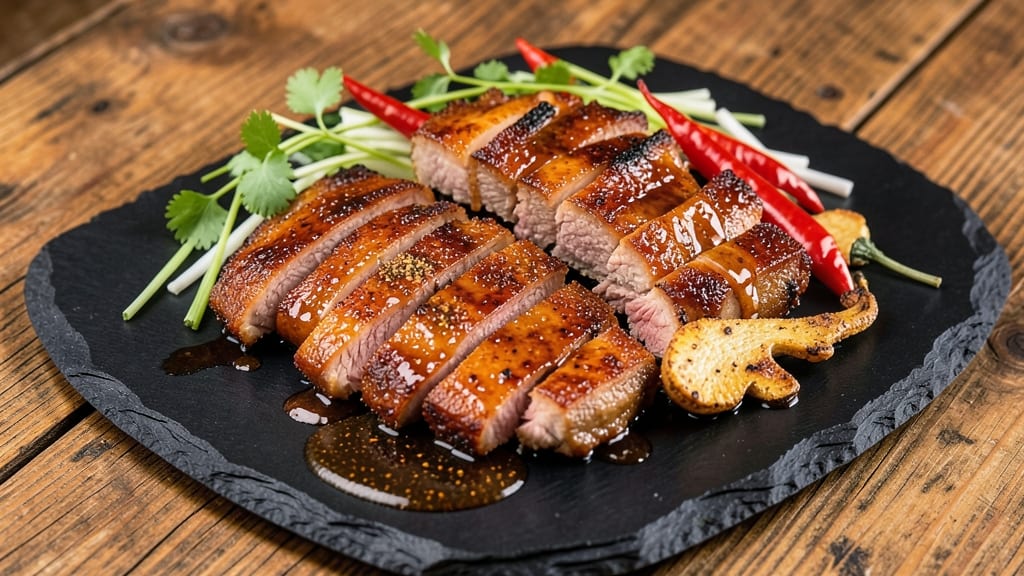
This authentic char siu pork recipe brings the bold flavors of Cantonese cuisine to your kitchen with its signature five-spice glaze and smoky aroma. 🔥 After years of perfecting the double-roasting technique, I’ve unlocked the secret to that irresistible crispy skin and tender meat—just like the kind you’d find at a Hong Kong dim sum banquet.
The magic lies in the marinade: a balanced blend of hoisin, honey, and a traditional five-spice powder that infuses the pork with warmth and depth.
Unlike shortcut versions, we’ll use a two-stage roasting process—first in the oven, then under a broiler—to achieve that signature caramelized glaze and crispy edges that define char siu.
What you’ll end up with is restaurant-quality pork that’s sticky, smoky, and packed with flavor—perfect for slicing over steamed rice, stuffing into bao buns, or serving as a centerpiece for any Asian-inspired feast. The process might take time, but the result is worth every minute.
Whether you’re preparing for a family gathering or simply craving a taste of Hong Kong, this recipe delivers authentic Cantonese flavors without compromising on simplicity. Let’s get started on making your own char siu pork that’ll have everyone asking for seconds.
Ingredients for authentic char siu pork
Fourteen ingredients blend Cantonese tradition with home kitchen simplicity for restaurant-quality char siu pork.
| Ingredient | Amount | Notes |
|---|---|---|
| Pork Shoulder (Bone-In) 🍖 | 2 lb | Cut into 1.5-inch thick slices |
| Hoisin Sauce 🍶 | ½ cup | Thick, fermented variety preferred |
| Honey 🍯 | ⅓ cup | Wildflower or clover preferred |
| Five-Spice Powder 🌶️ | 1 ½ tbsp | Authentic Cantonese blend |
| Garlic Cloves 🧄 | 8 cloves | Minced, not pre-minced jar |
| Ginger Root 🌿 | 1 ½ tbsp | Freshly grated, not powdered |
| Soy Sauce 🥫 | ¼ cup | Dark soy for color depth |
| Sesame Oil 🫒 | 1 tbsp | Toasted, for aroma |
| Brown Sugar 🍚 | ¼ cup | Packed, not granulated |
| White Wine 🍷 | ¼ cup | Dry, like Sauvignon Blanc |
| Cornstarch 🌾 | 2 tbsp | For crispy glaze coating |
| Kosher Salt 🧂 | 1 tbsp | Diamond Crystal preferred |
| Black Pepper 🌶️ | ½ tsp | Freshly cracked |
| Red Food Coloring (Optional) 🎨 | ½ tsp | For authentic pink hue |
The pork shoulder is non-negotiable—bone-in for flavor, thick slices for even cooking. Look for well-marbled cuts at Asian markets or the butcher counter, where they can trim it to size. Five-spice powder is the soul of this dish: Penzeys or Hong Kong-style blends deliver that perfect balance of cinnamon, star anise, and clove. Fresh ginger and garlic should smell vibrant—no musty jars here. For hoisin, Lee Kum Kee is the gold standard, but any thick, fermented variety works. Skip the pre-minced garlic; smash those cloves with the side of your knife for maximum aroma.
No five-spice powder? Mix 0.5 tbsp each cinnamon, star anise, cloves, fennel seeds, and Szechuan peppercorns—toast them first for depth. Short on time? Swap half the honey for maple syrup, but you’ll lose that signature caramelization. The white wine can be dry vermouth or even apple juice in a pinch, though it’ll taste less sophisticated. For the glaze, cornstarch is key—it creates that signature crispy crust. No red coloring? Add a pinch of beet powder or skip it entirely (it’s traditional but not essential). The soy sauce should be dark—Kikkoman Dark Soy if you can find it.
Marinate the pork overnight for maximum flavor, but at least 4 hours if you're short on time. Store leftovers in an airtight container for 3-4 days—they reheat beautifully. For extra crispiness, broil for 2-3 minutes per side right before serving. Freeze portions for up to 3 months by wrapping tightly in parchment. Slice against the grain for tender bites, and always serve with steamed rice to soak up that sticky glaze. The pork tastes even better the next day as the flavors meld.
Why You'll Love This Recipe
- One-Pan Magic: I swear by this—just slather the pork with hoisin and honey, sprinkle five-spice, and let the oven do the work. No chopping boards, no messy sauces, just hands-off perfection.
- Sweet-Savory Crunch: That sticky, caramelized crust? It’s the honey and hoisin working together, while the five-spice adds this warm, earthy depth that lingers. Honestly, the first bite makes me forget about anything else.
- Leftover Hero: This isn’t just dinner—it’s your fridge’s new best friend. Slice it for sandwiches, toss it in fried rice, or just reheat it straight up. My kids beg for it cold in lunchboxes, and I don’t blame them.
- Budget Stretch: Bone-in pork shoulder is cheap, and a little hoisin goes a long way. Between us, this recipe feeds four for under $15, and the leftovers? Even better. Not the prettiest, but the taste makes up for it every time.
Step-by-step instructions for Cantonese five-spice glazed pork
Here's how to transform humble pork shoulder into restaurant-quality char siu.
👨🍳 Step 1: Prepare the Pork and Marinate Overnight
Pat the 2 lb bone-in pork shoulder dry with paper towels—this is non-negotiable for crispy bark. Cut it into 1.5-inch thick slices against the grain for maximum tenderness. In a large bowl, combine the pork with 0.5 cup hoisin sauce, 0.33 cup honey, 1.5 tbsp five-spice powder, 0.25 cup soy sauce, 0.25 cup brown sugar, 0.25 cup white wine, 1 tbsp sesame oil, 1 tbsp kosher salt, and 0.5 tsp black pepper. Use your hands to massage the marinade into every crevice of the meat.
Transfer to a resealable plastic bag and refrigerate for at least 12 hours (I prefer 24 hours for maximum flavor penetration). This long marinating time is what makes the difference between good and authentic char siu. The pork should absorb the marinade completely, with no dry spots visible.
🍳 Step 2: Build the Glaze Base
In a small saucepan, combine 0.5 cup hoisin sauce (reserve some from the marinade), 0.33 cup honey, 2 tbsp cornstarch, and 0.5 tsp red food coloring (if using). Whisk continuously over medium heat until the mixture thickens to a glossy, syrup-like consistency—about 5-7 minutes. You want it to coat the back of a spoon but still be pourable.
Remove from heat and let cool slightly. This glaze will be your final coating, creating that signature sticky, caramelized crust. If the glaze thickens too much while cooling, whisk in 1-2 teaspoons of water to restore the right consistency. The glaze should be thick enough to cling to the meat but still flow when brushed on.
🔥 Step 3: Cook the Pork to Perfect Doneness
Preheat your oven to 375°F. Arrange the marinated pork slices on a wire rack placed over a baking sheet (this allows air circulation for even cooking). Brush each piece generously with the prepared glaze, coating all sides. Roast for 45-50 minutes, turning and brushing with additional glaze every 15 minutes until the internal temperature reaches 145°F and the exterior develops a deep mahogany crust with glossy sheen.
Here's the thing—don't rush this step. The pork needs time to render fat and develop that signature char siu bark. If the glaze burns before the pork is done, tent the baking sheet with foil and continue cooking. The pork should be tender enough to pull apart with a fork but still hold its shape when sliced.
🔪 Step 4: Rest and Slice for Maximum Juiciness
Transfer the cooked pork to a cutting board and let it rest for 10-15 minutes before slicing. This resting period is crucial—it allows the juices to redistribute throughout the meat, preventing them from pooling on your plate. While it rests, tent loosely with foil to keep it warm.
Slice the pork against the grain into ½-inch thick slices. Each slice should reveal a beautiful pink center with that glossy, caramelized exterior. The aroma alone should make your mouth water—smoky, sweet, with hints of cinnamon and star anise from the five-spice powder. Serve immediately with steamed jasmine rice and quick-pickled vegetables for the full Cantonese experience.
Pro Tips For Making Authentic Char Siu Pork
- Trim the Fat First: Cut the pork shoulder fat cap down to ¼-inch thickness before marinating—it renders faster and won’t turn your grill into a grease fire. I used to skip this and ended up with uneven cooking and a smoky mess.
- Marinate Overnight (No Excuses): Let the pork sit in the hoisin-honey mix for at least 12 hours, ideally 24—this isn’t a rushed dish. The five-spice and garlic need time to penetrate, and the meat stays juicier when you finally grill it.
- Double-Baste for Color: After the first grill session, flip the pork and baste it twice with leftover marinade while it rests under foil. The second coat locks in the sticky, caramelized crust that makes char siu shine.
- Use a Meat Thermometer: Pull the pork off the grill at 195°F (not 203°F)—it’ll climb another 10°F while resting. Overcooking dries it out, and no one wants tough char siu, even if it’s "authentic."
Flavor customization for authentic char siu pork
Sweet vs. Savory Balance
The authentic char siu flavor hinges on balancing sweet and savory elements. I recommend starting with the 1:1 ratio of honey to hoisin sauce in the glaze—this creates that signature sticky-sweet crust while maintaining depth.
For a less sweet version, reduce honey to 0.25 cup and add 1 tbsp rice vinegar to brighten the flavors. If you prefer extra richness, swap 0.1 cup of the honey for brown sugar—this makes the glaze more caramelized and less cloying. 💫
Spice Level Control
Adjust the five-spice powder to suit your heat tolerance. The standard 1.5 tbsp provides gentle warmth from cinnamon and star anise. For milder heat, reduce to 1 tbsp and add 0.25 tsp ground ginger for earthy depth.
If you crave more spice, increase the five-spice to 2 tbsp and add 0.5 tsp Szechuan peppercorns (toasted) for a numbing kick. Always taste your marinade before applying!
Glaze Variations
Experiment with different glaze textures while keeping the core flavors intact. For a thicker, crackling crust, add 1 tbsp maltose syrup to the glaze—this creates a glass-like sheen when broiled.
For a lighter finish, replace 2 tbsp cornstarch with 2 tbsp tapioca starch—it yields a glossier, less sticky coating. My favorite shortcut? Mix 1 tbsp soy sauce with 1 tbsp honey as a quick glaze for last-minute crisping under the broiler.
Regional Twists
Hong Kong-style char siu stays true to the original with its five-spice-forward marinade, while Taiwanese versions often add fermented black beans (0.25 cup) for umami depth. For a Cantonese banquet twist, brush the pork with 1 tbsp Shaoxing wine after the initial roast to enhance aroma.
In Southeast Asian adaptations, some chefs add 0.5 tsp shrimp paste to the marinade for a funky, briny note—trust me, it works!
Texture Experiments
Want extra crispiness? After the oven roast, finish under a high-heat broiler for 2-3 minutes per side—this creates a crackling crust. For tender, melt-in-your-mouth slices, reduce the oven temp to 350°F and cook for 60 minutes. My secret for juicy results?
Poke the pork slices with a fork 3 times before roasting—this helps the marinade penetrate deeper. For a restaurant-style presentation, slice into ¼-inch thick strips and arrange on a platter with mandarin orange segments for color contrast.
Nutrition facts
Frequently asked questions
Can I use pork tenderloin instead of pork shoulder for char siu?
Pork tenderloin works but requires adjustments—it's leaner and cooks faster. Use 1 lb tenderloin instead of 2 lb shoulder, marinate for only 6-8 hours (longer can make it dry), and reduce oven time to 30-35 minutes at 375°F. The texture will be more delicate but still delicious when sliced thin. For best results, slice into ¼-inch thick pieces before roasting.
Why does my char siu turn out dry instead of tender?
Overcooking is the #1 culprit—pork reaches 145°F safely but can dry out if left too long. Use a meat thermometer and remove immediately when done. Also, don't skip the resting time—10-15 minutes lets juices redistribute. For extra moisture, add 1 tbsp water to the marinade or brush pork with 1 tsp honey during roasting to keep it glossy.
Can I make char siu in a slow cooker or Instant Pot?
Yes, but with modifications! For an Instant Pot, cook on High Pressure for 20 minutes with 1 cup marinade, then broil for 3-4 minutes for crispiness. For slow cooker, use Low for 4-5 hours—add ½ cup water to prevent drying. The texture will be more tender than oven-roasted, but finish under a broiler to recreate that signature bark.
How do I store and reheat leftovers?
Store in an airtight container for 3-4 days in the fridge or 3 months frozen. To reheat, wrap slices in foil and bake at 350°F for 10-12 minutes—this prevents drying. For extra crispiness, broil for 1-2 minutes after reheating. Pro tip: Leftovers actually improve as flavors meld—perfect for sandwiches or fried rice!
What's the secret to getting that perfect red glaze?
The color comes from dark soy sauce + red food coloring, but the real magic is in the cooking process. For the deepest hue, brush pork with glaze 3 times during roasting—first at 375°F, then again after 20 minutes, and finally under the broiler. For a natural look without coloring, use extra dark soy sauce (0.5 cup) and add 1 tsp beet powder to the glaze for a vibrant pink.