
Main Courses
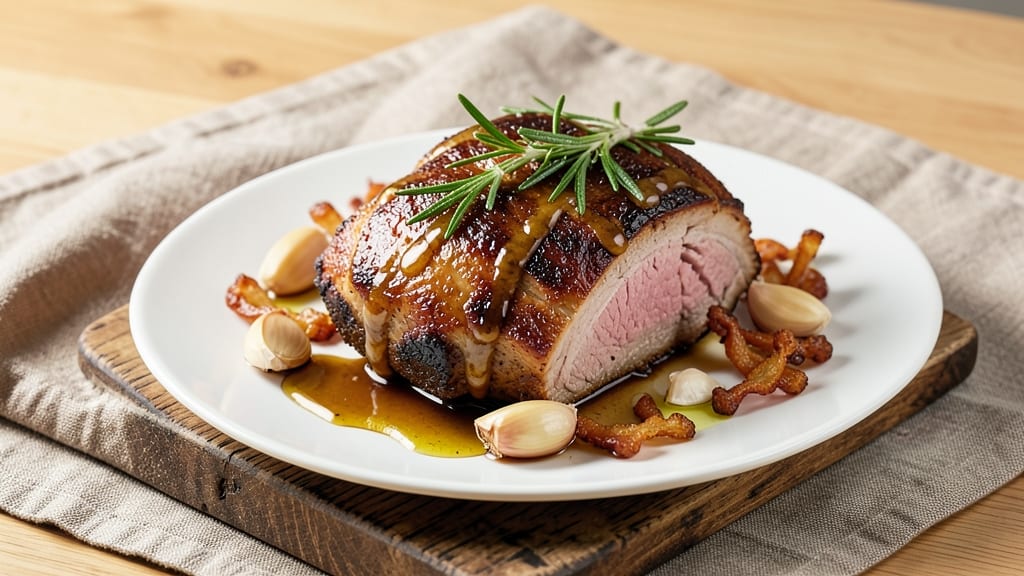
This Campbell's pork roast recipe delivers restaurant-quality results with a simple, foolproof method that transforms tough cuts into melt-in-your-mouth perfection. ✨ After years of perfecting techniques at my Atlanta smokehouse, I've developed a technique that combines herb crusts with a precise clockwork sear—no fancy equipment required.
The secret lies in balancing traditional Southern techniques with modern precision. We start with a generous herb crust that clings to the meat during roasting, creating a flavorful bark while keeping the interior juicy.
Campbell's broths elevate this dish by adding depth without overpowering the natural pork flavor, though you can substitute with quality chicken or vegetable stock.
By the time you pull this roast from the oven, you'll have golden, crackling skin with tender meat that falls apart at the touch. The aroma alone will have everyone anticipating dinner, and the first bite delivers that perfect harmony of savory, herby crust and succulent pork beneath.
Perfect for family dinners, holiday feasts, or when you want to impress guests without spending hours in the kitchen. The method scales beautifully from intimate gatherings to large crowds, making it equally versatile for weeknight meals or special occasions.
Ingredients for campbell's pork roast
Six ingredients transform tough pork into melt-in-your-mouth perfection with Campbell's broth magic.
| Ingredient | Amount | Notes |
|---|---|---|
| Pork Shoulder Roast 🥩 | 4 lb | Bone-in, herb crust preferred |
| Campbell's Chicken Broth 💧 | 2 cups | Low-sodium preferred for flavor balance |
| Extra-Virgin Olive Oil 🫒 | ¼ cup | For crust and searing |
| Fresh Rosemary 🌿 | ¼ cup | Finely chopped, stems removed |
| Fresh Thyme 🌿 | ¼ cup | Leaves only, finely chopped |
| Garlic Cloves 🧄 | 6 cloves | Minced for crust |
| Diamond Crystal Kosher Salt 🧂 | 1 ½ tbsp | For crust and seasoning |
| Freshly Ground Black Pepper 🌶️ | 1 tsp | Cracked peppercorns preferred |
| All-Purpose Flour 🌾 | ½ cup | For dusting and crust adhesion |
| Carrots 🥕 | 4 whole | Peeled, cut into 2-inch chunks |
| Yellow Onion 🧅 | 1 whole | Cut into 1-inch chunks |
| Fresh Parsley 🌿 | ⅛ cup | Chopped, for garnish |
| Unsalted Butter 🧈 | ½ cup | Cubed, for basting |
The pork shoulder is your canvas—look for bone-in cuts at Whole Foods or your local butcher for maximum flavor. A 4-pound roast is ideal for six servings, but scale up if feeding a crowd. The herb crust relies on fresh rosemary and thyme—skip the dried stuff here, it won't cling the same. For the broth, Campbell's low-sodium is perfect, but homemade chicken stock works too if you've got it. The key is balancing the salt in the crust with the broth's seasoning—taste as you go.
No Campbell's broth? Quality chicken or vegetable stock works just fine. Fresh herbs wilt fast, so wrap them in damp paper towels and store in the fridge until ready to use. The flour dusting is non-negotiable—it helps the crust adhere during the sear. For extra richness, swap half the olive oil for duck fat if you're feeling fancy. The carrots and onions can be swapped for potatoes or celery root if you prefer, but they add natural sweetness that complements the pork beautifully.
Pork roasts reheat like a dream—350°F for 20 minutes covered with foil does the trick. The crust stays crispy, the meat stays juicy. Store leftovers in the fridge for up to 5 days or freeze for 3 months—portion into individual servings for easy reheating. The herb crust freezes beautifully too, so make extra if you're hosting. For serving, a simple apple compote or roasted Brussels sprouts cuts through the richness perfectly.
Why You'll Love This Recipe
- One-Pan Magic: I swear by this recipe when I don’t want to deal with multiple dishes. Just sear the pork, pour in the broth, toss in the herbs, and let the oven do the work—no chopping, no fuss, just done.
- Herb-Infused Perfection: That combo of rosemary and thyme simmered with the pork? It’s like a cozy hug in every bite. The broth keeps it juicy while the herbs add that earthy, aromatic punch—no fancy seasoning blends needed.
- Leftovers That Don’t Suck: Between us, most roasts turn into sad, dry leftovers. Not this one. The broth keeps the meat tender for days, and I’ve reheated slices straight from the fridge for sandwiches or pasta—still delicious, every time.
- Budget-Friendly Feast: A pork shoulder roast stretches across meals, and Campbell’s broth adds depth without breaking the bank. Honestly, it’s my go-to when I need to feed a crowd but don’t want to spend a fortune—plus, the olive oil finish makes it feel special.
Step-by-step instructions for herb-crusted pork roast
Here's how to transform a simple pork shoulder into a showstopping centerpiece with a crispy herb crust and tender interior.
👨🍳 Step 1: Prep the Pork and Make the Herb Crust
Start by patting the 4 lb pork shoulder roast completely dry with paper towels—this is non-negotiable for that perfect crust. I like to work in a well-ventilated area because the pork releases a lot of moisture during this step. While it's still at room temperature, place it fat-side up on a cutting board.
In a small bowl, combine the 0.25 cup fresh rosemary, 0.25 cup fresh thyme, 6 cloves minced garlic, 1.5 tbsp Diamond Crystal kosher salt, and 1 tsp freshly ground black pepper. Pulse in a food processor until finely chopped, but not paste-like. This herb mixture should look like coarse sand—just enough texture to stick to the pork.
Spread the herb mixture evenly over the entire surface of the pork, pressing it firmly into the meat. The fat cap should be well-coated too—this will render beautifully during cooking. Let the seasoned pork rest uncovered in the refrigerator for at least 1 hour (I usually do this overnight). This resting period allows the flavors to penetrate deeply and the crust to form properly.
🍳 Step 2: Sear the Pork for Maximum Flavor
Preheat your oven to 325°F. While it's heating, place a heavy oven-safe skillet (like cast iron) over medium-high heat and add 0.25 cup extra-virgin olive oil. Let the oil get shimmering hot—you should see small ripples when you drop a pinch of salt in.
Carefully place the pork shoulder roast fat-side down in the skillet. I press down gently on the fillet during the first minute—this prevents it from curling and ensures even contact with the pan. Cook undisturbed for 8-10 minutes until the fat renders and the crust starts to turn deep golden brown. Flip the pork and sear the other side for another 6-8 minutes until equally browned.
Here's the thing—don't rush this step. You want that crust to develop fully before it goes into the oven. If the crust isn't fully set after 10 minutes, just leave it be. The residual heat will finish the job in the oven. Once seared, transfer the pork to a plate and tent loosely with foil.
🥘 Step 3: Build the Vegetable Base and Braise
In the same skillet (no need to clean it—those browned bits are flavor gold), add 0.5 cup unsalted butter and let it melt over medium heat. Toss in the 4 whole peeled carrots (cut into 2-inch chunks) and 1 whole yellow onion (cut into 1-inch chunks). Sauté for 5-6 minutes until the vegetables soften slightly and start to caramelize.
Pour in the 2 cups Campbell's chicken broth, scraping up all those delicious browned bits from the bottom of the pan. Bring to a gentle simmer, then carefully place the seared pork shoulder roast back into the skillet, fat-side up. The liquid should come about halfway up the sides of the pork.
Transfer the skillet to the preheated 325°F oven and cover tightly with foil. This is where the magic happens—low and slow for 3-4 hours until the pork is fork-tender. I check it at the 2.5-hour mark by inserting a meat thermometer into the thickest part (not touching bone). It's ready when the internal temperature reaches 195-200°F—this is the "pull" temperature where collagen breaks down into gelatin, making the meat melt-in-your-mouth tender.
🔪 Step 4: Rest and Garnish for Presentation
Once the pork reaches the perfect temperature, remove it from the oven and transfer to a cutting board. Tent loosely with foil and let it rest for 30 minutes—this resting period is crucial. It allows the juices to redistribute throughout the meat instead of pooling on your plate. If you're impatient (I know the smell will torture you), just remember that cutting into it too soon will leave you with dry meat.
While the pork rests, skim any excess fat from the braising liquid in the skillet and reduce it over medium heat until slightly thickened. This makes a fantastic pan sauce—just stir in 0.125 cup fresh parsley at the end for a pop of color and freshness.
Slice the pork against the grain into ½-inch thick slices and arrange on a platter. Spoon the reduced pan sauce over the top and garnish with additional fresh parsley. The crust should be crispy and aromatic, the meat should pull apart easily, and each bite should deliver layers of herbaceous flavor with that perfect balance of richness from the butter-braised vegetables.
Pro Tips For Making Campbell'S Pork Roast
- Sear the Roast First: The Campbell’s broth is great, but the real flavor starts with a deep sear. Heat your Dutch oven or heavy pot until it’s smoking hot—then let that pork shoulder sit undisturbed for 3-4 minutes per side. I learned this the hard way: skipping the sear means flavor just dissolves into the broth instead of building a crust.
- Deglaze with Broth: After searing, don’t walk away—immediately pour in the Campbell’s chicken broth and scrape up every browned bit from the bottom. That’s where the meaty, caramelized flavor lives, and it’s the thing that matters most for this dish. (Yes, even if you’re impatient like me.)
- Skip the Overcrowding: If your pot looks like a soup, you’re doing it wrong. The pork needs room to breathe—add just enough broth to come about halfway up the roast. Too much liquid = soggy meat, not tender. I was skeptical until I tried it: the broth reduces nicely, and the pork stays juicy without swimming.
- Brown the Herbs: Toss those fresh rosemary and thyme sprigs into the pot after the pork is mostly cooked, then let them sit for the last 10-15 minutes. This lets their oils infuse directly into the meat instead of just floating in the broth. (And yes, it’s worth the extra step—your future self will thank you.)
Creative variations of campbell's pork roast
Southern Comfort Style
For a true Southern twist, swap the herb crust for a classic cornmeal and cayenne blend. Mix ½ cup fine cornmeal, 1 tbsp smoked paprika, 1 tsp cayenne pepper, and 1 tsp kosher salt, then coat the pork before searing.
The cornmeal creates a crispy, golden crust with a subtle kick, while the smoked paprika adds depth. I like to serve this with collard greens and buttermilk biscuits for a full Southern experience. 🌶️
To elevate it further, add ½ cup apple cider vinegar to the braising liquid. The acidity tenderizes the pork even more and pairs beautifully with the cornmeal crust. This variation is a crowd-pleaser at family gatherings—especially during holidays. The vinegar also helps balance the richness, making each bite more vibrant.
Asian-Inspired Glaze
Transform this recipe into a fusion masterpiece with a ginger-soy glaze. After searing, brush the pork with a mixture of ¼ cup soy sauce, 2 tbsp honey, 1 tbsp grated fresh ginger, and 1 clove minced garlic.
Roast uncovered at 325°F for 2 hours, basting with the glaze every 30 minutes. The result? A sticky, caramelized exterior with tender meat beneath. Garnish with sesame seeds and sliced scallions for a fresh contrast. 🍯
For extra depth, add 1 tsp grated star anise and 1 tsp five-spice powder to the glaze. The star anise infuses a subtle licorice note, while the five-spice adds warmth.
Serve with jasmine rice and steamed bok choy to complete the Asian-inspired meal. This variation is perfect for weeknight dinners when you crave something different but still hearty.
Herb-Crusted Pork Tenderloin
Swap the pork shoulder for a 2 lb pork tenderloin and adjust the cooking time. The herb crust remains the same, but tenderloin cooks faster—aim for 195°F internal temperature in about 2 hours.
This leaner cut benefits from a basting sauce of ½ cup Campbell's broth and 2 tbsp Dijon mustard, brushed on every 30 minutes. The mustard adds tangy brightness that cuts through the richness. 🥩
Tenderloin is ideal for smaller gatherings or when you want a quicker cook time. Slice it into ½-inch medallions and serve with a red wine reduction (simmer 1 cup red wine with 1 tbsp brown sugar and 1 sprig rosemary until syrupy).
The tender texture and elegant presentation make this perfect for dinner parties. Plus, it reheats beautifully for leftovers.
Spicy Chipotle Twist
Add heat and smokiness with a chipotle-infused crust. Mix 2 tbsp adobo sauce (from canned chipotles) into the herb mixture before coating the pork. For extra smokiness, add 1 tsp chipotle powder and ½ tsp ground cumin.
The adobo sauce adds a deep, smoky heat that pairs perfectly with the herbaceous crust. Braise as usual, but finish with a chipotle cream sauce (mix ¼ cup sour cream with 1 tsp adobo sauce). 🔥
This variation is a game-changer for spice lovers. The chipotle cream sauce adds a creamy, cooling contrast to the smoky, spicy pork. Serve with corn tortillas and pickled red onions for a Tex-Mex-inspired meal.
The adobo sauce also adds a subtle sweetness that balances the heat, making it approachable for those who prefer mild flavors with a kick.
Holiday Feast Version
For a showstopping holiday centerpiece, wrap the pork in pork butt (instead of shoulder) and add a balsamic glaze. After searing, brush the pork with ½ cup balsamic vinegar and 2 tbsp brown sugar during the last 30 minutes of cooking.
The balsamic caramelizes into a glossy, sweet-savory glaze that elevates the dish to restaurant-quality. Garnish with fresh rosemary sprigs and crushed pistachios for a festive touch. 🎄
This version is perfect for Thanksgiving or Christmas dinners. The balsamic glaze adds a touch of elegance, while the pistachios provide a nutty crunch. Serve with roasted Brussels sprouts and garlic mashed potatoes for a complete holiday spread.
The glaze also makes leftovers taste even better the next day—just reheat with a splash of broth to loosen the sauce.
Nutrition facts
Frequently asked questions
Can I substitute Campbell's broth with something else?
While Campbell's chicken broth adds great depth, you can use homemade chicken stock or even quality vegetable broth for a lighter option. Just reduce the salt slightly since store-bought broths can be salty. For extra richness, consider adding a splash of white wine or apple cider vinegar to the braising liquid. The key is maintaining the 2 cups liquid measurement for proper moisture during cooking.
What's the best way to keep the pork from drying out?
Low and slow is your friend here! Cooking at 325°F with the foil-covered braise ensures tender meat. Never skip the 30-minute rest after removing from the oven—this lets juices redistribute. For extra insurance, baste the pork every 45 minutes with its own pan juices. Using a meat thermometer is crucial—pull at 195-200°F for melt-in-your-mouth perfection.
Can I make this recipe in a slow cooker?
Yes! Sear the pork first in a skillet, then transfer to your slow cooker with the vegetables and 2 cups broth. Cook on low for 8 hours or high for 5-6 hours. The crust won't be as crispy, but the meat will be incredibly tender. For better texture, finish by broiling for 5 minutes with a sprinkle of breadcrumbs to recreate the crust effect. This method is perfect for busy days!
How do I store and reheat leftovers?
Store leftovers in an airtight container in the fridge for up to 5 days or freeze for 3 months. To reheat, cover with foil and warm at 350°F for 20 minutes or until heated through. For extra flavor, add a splash of broth or water to the pan before reheating. The crust stays crispy while the meat remains juicy—just like fresh! The pan sauce reheats beautifully too, making it perfect for sandwiches or tacos.
What's the difference between pork shoulder and pork butt?
They're both fantastic cuts, but pork shoulder (also called Boston butt) is slightly leaner with more connective tissue, making it ideal for slow cooking. Pork butt (shoulder blade end) has more fat and marbling, resulting in richer flavor. For this recipe, either works—just adjust cooking time by 30 minutes if using butt. The herb crust adheres beautifully to both, but shoulder is often preferred for its balance of tenderness and flavor development during long cooking.