
Sauces & Condiments
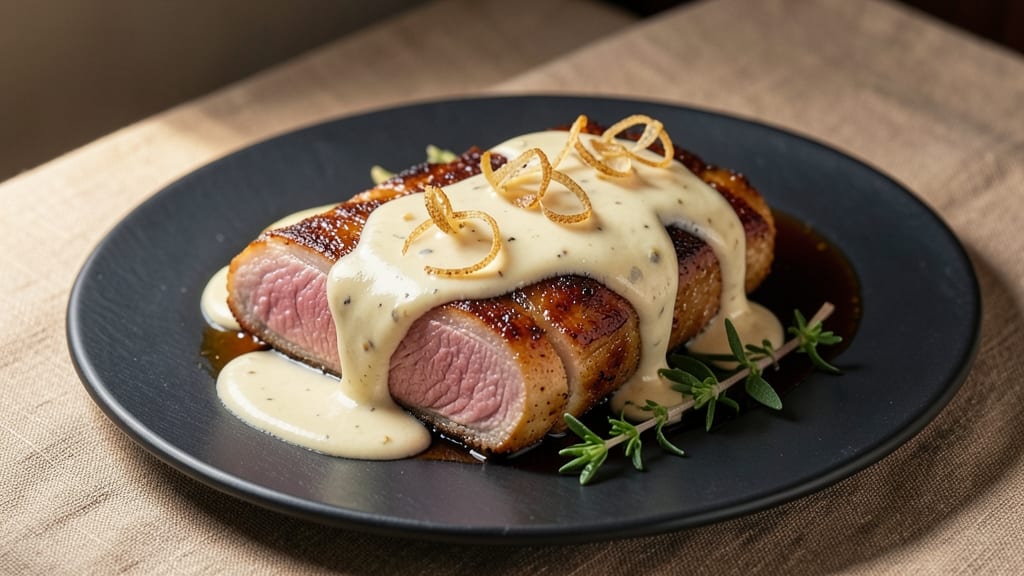
A pork tenderloin recipe with cream sauce transforms weeknight dinners into restaurant-quality meals with minimal effort. The secret lies in searing the pork to lock in juices, then finishing it in the same pan with a velvety garlic-herb sauce made from the pan drippings—no separate saucepan needed.
I've perfected this technique after years of testing, ensuring tender meat and a sauce so rich it'll have everyone asking for seconds.
What makes this recipe work is the one-pan method, where the pork's natural juices form the base of the sauce.
You'll start with a simple sear, then deglaze the pan with wine (or broth) to lift those flavorful browned bits, creating a foundation that's far more complex than store-bought sauces. The cream adds luxurious body, while fresh herbs and garlic bring brightness—balancing the richness perfectly.
By the time you're done, you'll have tender, golden pork with a sauce that's silky and packed with flavor, clinging to every bite. The dish pairs beautifully with roasted vegetables or buttery mashed potatoes, making it a complete meal.
This isn't just another pork recipe—it's a technique that elevates simple ingredients into something special.
The best part? This method delivers restaurant-quality results in under an hour, with only a few simple ingredients. No fancy equipment or complicated steps—just smart cooking that maximizes flavor while minimizing effort. Let's get started with a dish that's sure to impress.
Ingredients for pork tenderloin recipe cream sauce
Restaurant-quality pork tenderloin with velvety garlic-herb cream sauce—just seven essential ingredients transform simple weeknight cooking.
| Ingredient | Amount | Notes |
|---|---|---|
| Pork Tenderloin 🥩 | 1 ½ lb | Center-cut, trimmed of silver skin |
| Unsalted Butter 🧈 | 3 tbsp | For searing, high-fat content preferred |
| Garlic Cloves 🧄 | 4 cloves | Fresh, thinly sliced for sauce |
| Shallots 🧅 | 2 whole | Minced, or substitute 1/4 cup finely chopped onion |
| Dry White Wine 🍷 | ½ cup | Sauvignon Blanc or Chardonnay preferred |
| Heavy Cream 🥛 | 1 cup | Full-fat for velvety texture |
| Chicken Broth 💧 | ½ cup | Low-sodium preferred, or sub wine |
| Fresh Thyme Leaves 🌿 | ¼ cup | Or 1 tbsp dried thyme |
| Fresh Parsley Leaves 🌿 | ¼ cup | Chopped, for finishing |
| Diamond Crystal Kosher Salt 🧂 | 1 ½ tsp | Adjust to taste, sea salt works too |
| Freshly Ground Black Pepper 🌶️ | ½ tsp | Cracked peppercorns preferred |
| All-Purpose Flour 🌾 | 1 tbsp | For sauce thickening |
| Lemon Juice 🍋 | 1 tbsp | Freshly squeezed, for brightness |
The pork tenderloin is your star, so center-cut and trimmed is non-negotiable—this ensures even cooking and maximum tenderness. Whole Foods or local butchers carry the best quality, but any well-stocked grocery store will have it. Look for pieces with good marbling and vibrant color—pale or dry cuts will yield tough results. Trim any silver skin before cooking to ensure a clean presentation. For the wine, Sauvignon Blanc or Chardonnay adds brightness, but a good dry white will work—just avoid anything too sweet. The heavy cream is where the magic happens, so full-fat is essential—low-fat versions will separate and ruin the sauce's silky texture.
No white wine? Chicken broth with a splash of lemon juice works beautifully—just add an extra tablespoon of lemon to mimic acidity. Fresh thyme is ideal, but dried works at one-third the amount. If you're missing shallots, minced onion or leek are perfect substitutes. The flour is strictly for thickening—don't skip it, but if you're gluten-free, cornstarch or arrowroot powder will do the job. For extra richness, a splash of brandy or cognac in the deglazing step elevates the sauce to next-level sophistication. And if you're worried about the pork being too lean, brine it for 30 minutes before cooking to ensure juiciness.
This dish reheats beautifully—simply warm the sauce gently over low heat with a splash of broth or water to restore its velvety consistency. Store leftovers in an airtight container in the fridge for up to 3 days, or freeze portions for 3 months. The sauce thickens as it cools, so reheat gently to avoid clumping. For make-ahead convenience, prep all ingredients the night before—trim the pork, measure spices, and chop aromatics. The dish comes together in under an hour, making it perfect for busy weeknights while delivering restaurant-quality results.
Why You'll Love This Recipe
- One-Pan Magic: I swear by this—just sear the pork, deglaze with wine, and let the butter and shallots do all the work. No extra pots, no fuss, and the sauce practically makes itself while the pork rests.
- Wine-Infused Richness: That splash of dry white wine cuts through the richness of the butter, balancing the garlic and shallots into something ridiculously smooth. Honestly, it’s the kind of flavor that makes you pause mid-bite.
- Lunchbox Hero: Between us, this reheats like a dream. Pack the leftovers with crusty bread, and it’s a satisfying lunch the next day—no sad, dry pork here. My kids even ask for it (and I’ll take that win).
- Budget-Friendly Luxury: Pork tenderloin is affordable, and this sauce feels fancy without breaking the bank. A little butter, a little wine, and suddenly you’ve got a restaurant-worthy dish that won’t drain your wallet.
Step-by-step instructions for pork tenderloin cream sauce
This method delivers perfectly tender pork with a luscious, velvety garlic-herb cream sauce in one efficient pan.
Sear the Pork Tenderloin to Develop Flavor
Pat the 1.5 lb pork tenderloin dry with paper towels—this ensures maximum browning. Season generously with 1.5 tsp diamond crystal kosher salt and 0.5 tsp freshly ground black pepper, pressing the seasoning into the meat so it adheres.
Heat a large oven-safe skillet over medium-high heat until very hot. Add 2 tbsp of the unsalted butter and let it melt completely. Place the pork tenderloin in the skillet and sear for 4-5 minutes per side until deeply golden brown. This creates a flavorful crust while keeping the interior tender. Remove the pork and set aside on a plate.
Build the Garlic-Herb Sauce Base
In the same skillet (don't wipe out the browned bits—they're full of flavor), add the remaining 1 tbsp unsalted butter. Toss in the 2 minced shallots and cook for 2-3 minutes until softened. Add the 4 thinly sliced garlic cloves and cook for 30 seconds until fragrant—don't let them brown or they'll turn bitter.
Deglaze the pan by pouring in the 0.5 cup dry white wine, scraping up any browned bits with a wooden spoon. Let the wine simmer for 2-3 minutes until reduced by half. This step develops depth in the sauce and removes any alcohol sharpness.
Thicken and Enrich the Cream Sauce
Sprinkle the 1 tbsp all-purpose flour over the wine mixture and stir vigorously for 1 minute to cook out the raw flour taste. Gradually whisk in the 1 cup heavy cream and 0.5 cup chicken broth, then add the 0.25 cup fresh thyme leaves. Simmer for 5-6 minutes until the sauce thickens enough to coat the back of a spoon—it should be velvety, not gluey.
Return the pork tenderloin to the skillet and spoon the sauce over it. Cover and let it cook on medium-low heat for 8-10 minutes until the pork reaches an internal temperature of 145°F (use a meat thermometer). This gentle cooking ensures the meat stays moist while absorbing the rich sauce.
Finish with Herbs and Brightness
Remove the pork from the skillet and let it rest on a cutting board for 5 minutes (this keeps it juicy). Stir the 1 tbsp lemon juice and 0.25 cup chopped fresh parsley leaves into the sauce, then return the pork to the skillet to coat in the sauce.
Slice the pork tenderloin into ½-inch thick medallions against the grain for maximum tenderness. Spoon the creamy garlic-herb sauce over the top and serve immediately. The sauce should cling beautifully to the meat, offering a perfect balance of richness and herbaceous brightness.
Pro Tips For Making Pork Tenderloin Recipe Cream Sauce
- Sear the Pork First: After seasoning the tenderloin, hit it with high heat in your pan until it develops a deep golden crust—about 2-3 minutes per side. I learned this the hard way: skipping the sear means a sauce that clings like glue instead of a rich, velvety finish. Let the meat rest while you build the sauce, or you’ll lose precious juices when you slice.
- Deglaze with Wine Immediately: As soon as you remove the pork, pour in that white wine hot—scrape every last bit of browned bits from the pan with a wooden spoon. Those bits are flavor bombs, and cold wine just sits there instead of dissolving them. Let it reduce by half before adding butter, or your sauce will taste thin and sad.
- Mince Shallots Like You Mean It: Tiny, even pieces of shallot cook faster and sweeten properly, so chop them into a paste with a knife or pulse briefly in a food processor. I used to leave them in chunks, and they’d turn to mush or stay raw—neither is good. If you’re lazy, a microplane works, but don’t skip this; it’s the thing that matters most for depth.
- Finish with Cold Butter: Whisk in 2 tablespoons of cold, cubed butter at the very end—no melting it first. This emulsifies the sauce instantly, giving it that silky, restaurant-quality finish. I was skeptical until I tried it: the sauce thickens beautifully and coats the pork like a dream. (Yes, even if you’re impatient like me.)
Wine and beer pairings for these flavors
White Wine Harmony
For this rich pork tenderloin dish, a crisp Sauvignon Blanc or Chardonnay from France's Loire Valley or Burgundy region is my go-to choice. The bright acidity and citrus notes of Sauvignon Blanc cut through the cream sauce's richness beautifully, while Chardonnay's buttery profile complements the dish's velvety texture.
Look for wines with 12-14% alcohol—this range balances flavor without overpowering the meal. 🍷
If you prefer something lighter, a dry Riesling from Germany offers a lovely contrast with its subtle mineral notes. Avoid sweet wines—they'll clash with the dish's savory-sweet balance. Pro tip: Chill your white wine to 45-50°F before serving to enhance its refreshing qualities against the warm pork.
Red Wine Alternatives
While white wine is traditional, a Pinot Noir from Oregon or Burgundy can work beautifully with this dish. Its light body and red fruit flavors won't overpower the cream sauce.
I recommend wines with 12-13% alcohol and moderate tannins. The key is choosing a Pinot Noir with enough acidity to complement the sauce's richness.
For a bolder option, try a Grenache from Spain or France. Its bright red fruit notes and spice undertones pair wonderfully with the garlic-herb sauce. Just be sure to decant it for 30-60 minutes before serving to soften any harsh tannins.
Beer Pairings
A Belgian Witbier like Hoegaarden or Stella Artois is my top beer pairing choice. The coriander and citrus notes in these beers create a refreshing contrast to the creamy sauce. For a darker option, try a German Helles Lager—its malty sweetness balances the dish's savory elements without competing.
If you prefer craft beers, a pale ale with 4-5% ABV and notes of caramel and citrus works well. The hoppy bitterness cuts through the richness of the cream sauce. Just avoid heavy stouts or IPAs—they'll overpower the delicate flavors of this dish.
Non-Alcoholic Options
For a refreshing non-alcoholic pairing, try sparkling apple cider with a squeeze of lemon. The effervescence cleanses your palate between bites, while the acidity complements the cream sauce. I like Martinelli's brand for its crisp, dry profile.
For something more substantial, a ginger beer like Feather offers a spicy kick that pairs wonderfully with the dish's garlic and herb notes. The ginger's warmth contrasts beautifully with the cool cream sauce, creating a balanced flavor experience.
Nutrition facts
Frequently asked questions
Can I substitute chicken broth for the white wine in the sauce?
Yes, absolutely! Use ½ cup chicken broth instead of wine, but add 1 tablespoon lemon juice to mimic the acidity. This keeps the sauce bright and prevents it from tasting flat. The flavor will be slightly different but still delicious—just more savory than fruity.
How do I prevent the cream sauce from curdling?
Never let the sauce boil after adding cream. Keep heat at medium-low and stir constantly. Also, whisk the flour into the wine first to create a smooth paste—this prevents lumps that can cause separation. If it starts to curdle, remove from heat immediately and whisk in 1 teaspoon cold butter to restore smoothness.
What's the best way to reheat leftovers?
Reheat gently in a saucepan over low heat with a splash of broth or water to loosen the sauce. Never microwave—it causes the sauce to split. For extra richness, stir in 1 teaspoon butter while warming. The pork reheats best in a 350°F oven for 10-15 minutes covered with foil.
Can I make this dish ahead of time?
Yes! Cook the pork and sauce completely, then refrigerate in an airtight container for up to 3 days. Reheat gently and finish with fresh herbs and lemon juice. For make-ahead convenience, prep all ingredients the night before—trim the pork, measure spices, and chop aromatics. The dish assembles in under 30 minutes when ready to cook.
What's the secret to perfectly tender pork tenderloin?
The key is not overcooking. Use a meat thermometer—pork is done at 145°F (it carries over to 150°F while resting). Also, pat it very dry before seasoning and sear it until deeply golden. Resting for 5 minutes after cooking locks in juices. For extra tenderness, brine the pork for 30 minutes before cooking.