
Main Courses
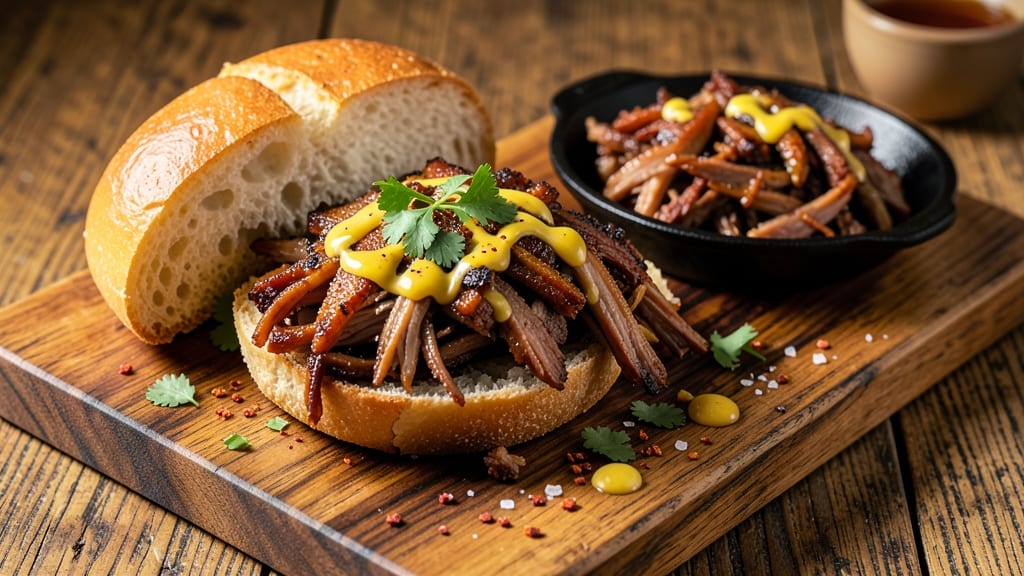
This Camp Chef smoked pulled pork recipe delivers the perfect balance of smoky bark and juicy pink centers that make every bite unforgettable. 🔥 After years of perfecting my technique on the Smoky Pig line, I've developed a method that works whether you're starting with a raw pork shoulder or pre-cooked meat—no guesswork, just consistent results. The secret lies in precise temperature control and the right wood blend, which transforms tough cuts into melt-in-your-mouth perfection.
What sets this recipe apart is the combination of a simple dry rub and a foolproof smoking process that ensures tender meat every time. We'll focus on maintaining that ideal internal temperature range (195°F-203°F) where collagen breaks down just enough to create that signature pull-apart texture without drying out.
The Camp Chef's consistent heat distribution makes this achievable even for beginners—no need for constant temperature adjustments or stress over the cook.
By the time you're done, you'll have pulled pork that's rich with smoky flavor and tender enough to fall apart at the touch of a fork. The bark will be dark and crispy, while the interior remains juicy and pink—just like I've been serving at Smoky Pig for years.
This method works beautifully for large gatherings or meal prep, giving you restaurant-quality results with minimal effort.
The best part? This recipe scales perfectly whether you're feeding a crowd or saving leftovers for sandwiches all week. Serve it on toasted buns with tangy coleslaw, or pile it high on a platter with pickles and cornbread for a true Southern spread.
Let's get smoking—your taste buds will thank you.
Ingredients for camp chef smoked pulled pork
Twelve ingredients for restaurant-quality pulled pork that falls apart with every pull.
| Ingredient | Amount | Notes |
|---|---|---|
| Pork Shoulder (Bone-In) 🥓 | 8 lb | Fresh cut, trimmed of excess fat |
| Yellow Mustard 🍯 | ½ cup | For base layer before rub |
| Brown Sugar 🍚 | ¼ cup | Light or dark variety |
| Smoked Paprika 🌶️ | 2 tbsp | For deep smoky flavor |
| Ground Black Pepper 🌶️ | 1 tbsp | Freshly ground preferred |
| Garlic Powder 🧄 | 1 tbsp | Not garlic salt |
| Onion Powder 🧅 | 1 tbsp | For subtle sweetness |
| Kosher Salt 🧂 | 1 tbsp | Diamond Crystal preferred |
| Apple Wood Chips 🌳 | 1 lb | For authentic smoke flavor |
| Hickory Wood Chips 🌳 | ½ lb | Balances apple's sweetness |
| Butter 🧈 | ¼ lb | Unsalted, for wrapping |
| Yellow Onion 🧅 | 1 whole | For wrapping with butter |
| Fresh Rosemary 🌿 | ¼ cup | Chopped, for aroma |
| Fresh Thyme 🌿 | ¼ cup | Chopped, for depth |
| Beef Broth 💧 | 1 cup | For spritzing during cook |
The pork shoulder is non-negotiable here—bone-in cuts stay juicier longer. Grab a 8-pound bone-in shoulder from Costco or your local butcher (they'll trim it for you). Look for good marbling—fat equals flavor and moisture. I always buy mine a day ahead and let it sit uncovered in the fridge; it develops a better bark. The wood chips? Apple and hickory is the classic combo, but cherry works too if you want something fruitier. Buy them pre-soaked from Traeger or Camp Chef if you're short on time—they're worth the convenience.
No mustard? Olive oil works in a pinch, though it won't stick as well. Swapping sugars? Turbinado or coconut sugar add different textures. The rub is flexible—skip the onion powder if you're not a fan, but don't skip the paprika. It's the secret to that authentic smoky bark. For pre-cooked pork, start at 225°F and cook 2 hours before adding the fresh rub. The beef broth for spritzing? Low-sodium if you're watching salt, or homemade if you've got it. And that butter-onion-herb wrap? Don't skip it—it's what keeps the meat moist during the final stages.
This pork reheats like a dream—better the next day once all the flavors meld. Store leftovers in the fridge for 5 days, or freeze for 3 months in airtight containers. I portion mine into 12 single-serving bags for easy sandwiches all week. The bark gets crispier overnight, so if you're serving soon, keep it wrapped. For serving, toast the buns and pile high with coleslaw—trust me, it makes all the difference. And save those juices! They're perfect for gravy or a quick pan sauce.
Why You'll Love This Recipe
- Set-It-Forgot-It Magic: The Camp Chef smoker does all the work while you sip coffee or grill burgers. That bone-in pork shoulder? It falls apart at the touch of a fork—no babysitting required.
- Sweet-Smoky Obsession: Brown sugar and smoked paprika team up for a caramelized crust that’s ridiculously addictive. The yellow mustard cuts through the richness, leaving you reaching for seconds.
- Budget-Friendly Crowd-Pleaser: A pork shoulder costs less than half the price of pre-sliced pulled pork, and it feeds a dozen. Between us, this is the recipe I pull out for game days, potlucks, and lazy Sundays.
Step-by-step instructions for Camp Chef smoked pulled pork
Let's create pulled pork so tender it falls apart at a touch, with that perfect smoky bark.
🔥 Step 1: Prep and Season the Pork Shoulder
Start by trimming any excess fat from the 8 lb pork shoulder, leaving about ¼-inch fat cap. This helps the bark develop without making the meat greasy. Pat the meat completely dry with paper towels—this is crucial for that crispy exterior we're after.
In a small bowl, mix together the 0.5 cup yellow mustard, 0.25 cup brown sugar, 2 tbsp smoked paprika, 1 tbsp each of garlic powder, onion powder, ground black pepper, and 1 tbsp kosher salt. Rub this mixture all over the pork shoulder, pressing it into every nook. The mustard creates a sticky base that helps the rub adhere and develops that signature tang.
Place the seasoned pork shoulder on a wire rack set over a baking sheet, fat side up. Refrigerate uncovered for at least 2 hours (overnight is even better). This step is non-negotiable—it dries the surface and helps the bark form beautifully when we smoke it.
🔥 Step 2: Set Up Your Camp Chef Smoker
While the pork rests, prepare your Camp Chef smoker. Soak the 1 lb apple wood chips and 0.5 lb hickory wood chips separately in water for 30 minutes. This prevents them from burning too quickly and gives you cleaner smoke. Fill the smoker tube with the soaked wood chips and light them according to your Camp Chef's instructions.
Set the smoker temperature to 225°F and let it preheat for 15-20 minutes until you see steady, blue smoke (not thick white smoke). Place the pork shoulder directly on the smoker grates, fat side up. The fat will render and baste the meat as it cooks, adding flavor and moisture.
Close the lid and resist the urge to check on it immediately. Every time you open the lid, you lose heat and moisture—this is the low-and-slow cooking principle in action. Trust the process and let the smoker do its magic.
⏰ Step 3: Smoke Until Probe-Tender
Smoke the pork shoulder for 12-14 hours (yes, it takes that long for perfect pulled pork). You'll know it's ready when the internal temperature reaches 195-203°F and a meat probe slides in like butter. The bark should be deep mahogany color with a crisp texture.
Here's the thing—I like to spritz the pork every 2-3 hours with the 1 cup beef broth using a spray bottle. This keeps the meat moist and prevents it from drying out during the long cook. The broth also adds depth of flavor that you won't get from just the smoke.
If you notice the temperature stalling (this happens around 165-170°F), don't panic. This is normal and called "the stall." Just keep smoking—it'll break through eventually. The key is patience, not rushing the process.
🥘 Step 4: Wrap and Finish Cooking
When the pork reaches 195°F, it's time to wrap it. In a large piece of aluminum foil, mix together the 0.25 lb butter, chopped 1 whole yellow onion, 0.25 cup chopped fresh rosemary, and 0.25 cup chopped fresh thyme. Spread this butter mixture all over the pork shoulder, then wrap it tightly in the foil.
Return the wrapped pork to the smoker and continue cooking until it reaches 203°F. This wrapping technique, called the "Texas crutch," helps break down the collagen in the meat while maintaining that beautiful bark. The butter and herbs infuse the pork with incredible flavor during this final stage.
Let the wrapped pork rest on the smoker for another 30 minutes after reaching 203°F. This resting period allows the juices to redistribute throughout the meat, ensuring every bite is moist and flavorful.
🔪 Step 5: Shred and Serve
Unwrap the pork and transfer it to a cutting board. Let it rest for 10 minutes before shredding. This final rest is crucial—it makes the meat even more tender and easier to shred.
Use two forks to shred the pork against the grain. You should get long, tender strands that fall apart easily. Taste the pork and adjust seasoning if needed—sometimes the bark can be salty, so you might want to add a pinch more salt to the shredded meat.
Serve immediately on buns with your favorite toppings, or store in the refrigerator for up to 5 days. The flavors only get better as it sits! This pulled pork is so juicy and flavorful, you'll want to make it every weekend.
Pro Tips For Making Camp Chef Smoked Pulled Pork
- Trim the Fat First: Use kitchen shears to snip off the thick fat cap on the pork shoulder—about ¼-inch thick. I learned this the hard way: leaving it on makes the bark uneven and can turn greasy during smoking, especially on a Camp Chef where airflow isn’t as controlled as a dedicated smoker.
- Rub It Down Hard: Press that mustard-brown sugar-smoked paprika mix into the meat, not just on top—use your palms like you’re sanding wood. The Camp Chef’s direct heat means the outer layer dries fast, so extra adhesion = better bark. (Yes, even if you’re impatient like me.)
- Wrap at 165°F: Don’t wait for the probe to hit 195°F—wrap the pork in butcher paper or foil at 165°F to lock in moisture. I used to push it too long, and the meat turned out dry, even with the Camp Chef’s built-in thermometer. The paper lets it breathe while keeping the juices in.
- Use a Water Pan: Place a shallow pan of water near the pork—even if your Camp Chef has a water bowl, add extra. The steam keeps the air moist, which is non-negotiable for pulled pork on a grill/smoker hybrid. I skipped this once, and the bark cracked like brittle bark. (Your future self will thank you.)
Make-ahead tips for this dish
Prep Ahead Secrets
I always prep the pork shoulder the night before—trim the fat, apply the mustard base, and let it rest uncovered in the fridge. This 24-hour dry brine creates the perfect crust while keeping the meat juicy.
Store it in a ziplock bag on the bottom shelf where temps stay steady. 🥓
The wood chips can soak overnight too—I keep them in a glass jar with water in the fridge. Just drain and use them cold in the smoker. Pro tip: Label your wood chip bags with dates since they lose potency after 6 months. I use Traeger brand for consistency.
Smoker Prep Shortcuts
Set up your Camp Chef smoker the night before if you're cooking the next day. Preheat it to 225°F for 30 minutes to burn off any leftover flavors.
I always run a vinegar-soaked rag through the chamber first—just wipe it down with white vinegar and paper towels. This removes any residual smoke tastes from previous cooks.
For busy days, use pre-soaked wood chips from Camp Chef's smoke tubes. They're ready in minutes and give you that clean, consistent smoke without the hassle. I keep a stash of apple and hickory tubes in my pantry for quick smoking sessions. 🌳
Leftovers Strategy
After shredding, portion the pulled pork into 12 single-serving bags with ½ cup of the cooking juices. Freeze these portions flat on a tray first, then transfer to a ziplock freezer bag for 3 months of storage.
When reheating, microwave on 70% power for 3-4 minutes with a splash of water.
For fridge storage, keep the pork in its juices in a glass container with a tight lid. The flavors meld beautifully overnight, making it perfect for sandwiches. I always save 1 cup of the juices to make a quick gravy—just reduce with a cornstarch slurry on the stovetop. 💫
Weekend Meal Prep
Double the recipe and smoke two shoulders at once if you're feeding a crowd. The Camp Chef's large cooking chamber handles 16 lbs of pork easily.
Divide the finished meat into 4 quart-sized containers—one for tacos, one for sandwiches, and two for leftovers. Label each with the date and reheating instructions.
Make a batch of homemade BBQ sauce to go with your pulled pork while it smokes. I use ketchup, apple cider vinegar, brown sugar, and smoked paprika—simmer it for 20 minutes while the pork finishes.
Store it in the fridge for up to 2 weeks. This turns your pulled pork into a complete meal prep solution. ✨
Nutrition facts
Frequently asked questions
How do I know when my Camp Chef smoked pork shoulder is done?
Use a meat thermometer to check the internal temperature—it's ready when it reaches 195-203°F. The pork should pull apart easily with tongs or forks, and the bark will be deep mahogany with a crisp texture. Never rely on time alone; the 203°F mark ensures maximum tenderness.
Can I use pre-cooked pork shoulder to save time?
Start with a fully cooked pork shoulder (internal temp 165°F) and smoke it for just 2 hours at 225°F with the fresh rub. This creates that perfect smoky bark while keeping the meat juicy. The key is maintaining the 225°F temperature—no higher, or it'll dry out.
What's the best wood blend for pulled pork?
I recommend 70% apple and 30% hickory for that classic sweet-smoky flavor. Apple gives a mild, fruity note while hickory adds depth. For something fruitier, try 50% apple and 50% cherry. Avoid all hickory—it can overpower the pork's natural flavor. Always soak wood chips for 30 minutes before using.
Why did my pulled pork turn out dry?
Most likely you cooked it past 203°F or opened the smoker too often. The Texas crutch (butter-onion wrap) helps, but the real fix is patience—pull it at 195°F if needed. For extra moisture, spritz with beef broth every 2-3 hours during the cook. And always let it rest 10 minutes before shredding.
How should I store and reheat leftovers?
Store in an airtight container with juices for up to 5 days in the fridge. For reheating, microwave on 70% power for 3-4 minutes with a splash of water, or warm in a skillet with a little BBQ sauce. The flavors actually improve overnight! For freezing, portion into 12 single-serving bags with juices for 3 months of storage.