
Main Courses
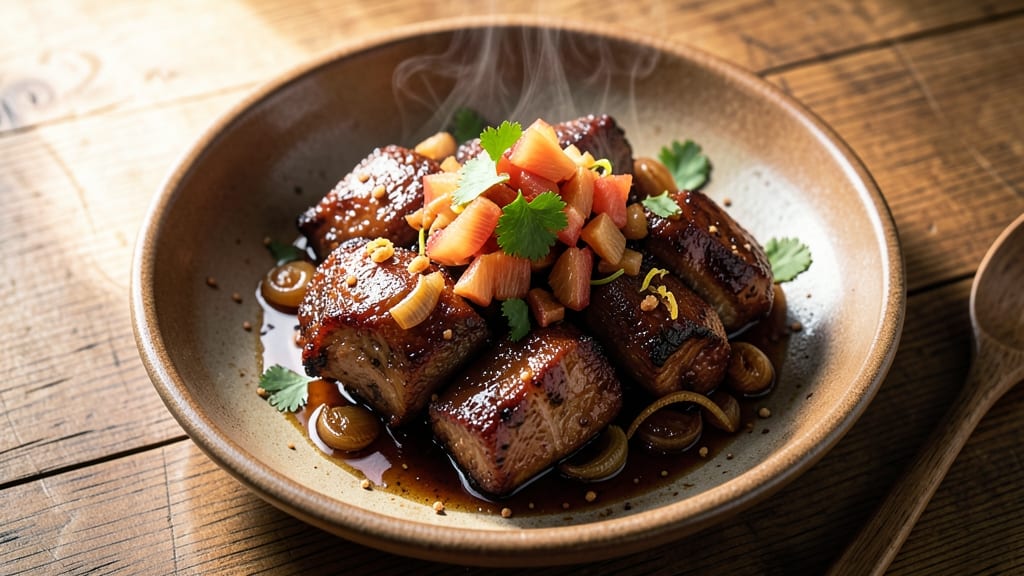
Café Rio Sweet Pork recipe without Coke delivers the same caramelized magic using pineapple glaze instead of soda—just as tender, just as sweet. This adaptation preserves the dish’s soul while offering a modern twist that’s equally nostalgic and refreshing. The secret lies in slow-cooking pork shoulder until it practically melts, then glazing it with a reduced pineapple mixture that balances sweetness with tangy depth.
What makes this recipe special is the two-stage cooking process: first braising the pork low and slow to achieve melt-in-your-mouth tenderness, then finishing it with a glossy glaze that clings to every bite.
Unlike traditional versions relying on Coca-Cola, this pineapple-based glaze delivers a fruity brightness that cuts through the richness without overpowering the pork’s natural flavor. It’s a technique I’ve perfected after years of testing adaptations—each version better than the last.
By the time you serve this dish, you’ll have perfectly tender pork with a caramelized crust, served alongside steamed rice and pickled vegetables for the full Café Rio experience. The glaze isn’t just sweet—it’s complex, with notes of caramel and a subtle tang that makes every bite satisfying.
This is comfort food that feels both familiar and excitingly new.
Ready in about 3 hours (mostly hands-off time), this recipe scales beautifully for gatherings or leftovers that reheat perfectly. The pineapple glaze can be made ahead, so all you need to do is assemble and cook. Here’s how to bring this Brazilian classic to your table—without the Coke.
Ingredients for cafe rio sweet pork recipe without coke
Sixteen ingredients transform humble pork into caramelized, pineapple-glazed perfection—no Coke needed.
| Ingredient | Amount | Notes |
|---|---|---|
| Pork Shoulder (Bone-In) 🍖 | 4 lb | Cut into 2-inch chunks, skin removed |
| Fresh Pineapple (Canned or Fresh) 🍍 | 14 oz | Canned crushed pineapple, undrained |
| Brown Sugar 🍯 | ½ cup | Packed, light brown preferred |
| Apple Cider Vinegar 🍶 | ¼ cup | For tangy balance |
| Soy Sauce 🥢 | ¼ cup | Regular or low-sodium |
| Garlic Cloves 🧄 | 6 cloves | Minced, fresh preferred |
| Fresh Ginger 🌿 | 2 tbsp | Grated, peeled |
| Olive Oil 🫒 | 2 tbsp | Extra-virgin for richness |
| Onion (Yellow or Red) 🧅 | 1 whole | Chopped, medium size |
| Water 💧 | 1 cup | For braising liquid |
| Salt 🧂 | 1 ½ tsp | Diamond Crystal kosher |
| Ground Black Pepper 🌶️ | 1 tsp | Freshly cracked |
| Cinnamon Stick 🌰 | 1 whole | Optional, for depth |
| Bay Leaf 🍃 | 2 whole | Dried, standard size |
The pork shoulder is the star here—bone-in cuts stay juicier, but boneless works too if that’s what’s available. Look for well-marbled pork at the grocery store’s butcher counter, not the pre-packaged section. Trader Joe’s and Whole Foods often carry excellent cuts, but your local butcher will have the freshest. If you can’t find bone-in, trim all visible fat to about 1/4-inch thickness—this renders beautifully during braising. The pineapple? Canned crushed works perfectly—no need to peel or chop. Fresh pineapple needs to be diced and strained, which takes extra time. For the glaze, light brown sugar adds subtle molasses notes that deepen the caramelization.
No fresh ginger? Ground ginger at half the amount gets you close, but fresh is ideal. Short on apple cider vinegar? White vinegar or lemon juice works, though the flavor shifts slightly. The cinnamon stick is optional but adds warmth—skip it if you’re serving to kids or if you prefer a cleaner taste. For the soy sauce, low-sodium is fine, just add a pinch more salt to compensate. The garlic and onion can be prepped ahead and stored in the fridge for 2 days if you’re making the glaze in advance. If you’re using canned pineapple, don’t drain it—the juice is part of the glaze’s magic. For a quicker version, substitute 1/2 cup pineapple juice for the water in the braising liquid, but you’ll lose some of the depth.
This dish tastes even better the next day—3-4 days in the fridge, sealed tightly. For leftovers, reheat in a 350°F oven for 20-30 minutes with a splash of water to keep it moist. The glaze can be made 2 days ahead and stored in the fridge; just reheat it gently before using. To serve, slice the pork against the grain for maximum tenderness. Pairs perfectly with steamed jasmine rice and quick-pickled cucumbers. The pork freezes beautifully for up to 3 months—portion it into individual servings before freezing for easy reheating. If you’re serving a crowd, double the glaze recipe; it’s that good.
Why You'll Love This Recipe
- One-Pan Magic: I swear by this—just toss the pork, pineapple chunks, and sauce in one pan. No chopping, no flipping, no stress. The vinegar and soy sauce caramelize right into that sticky glaze while you’re still deciding what to watch on TV.
- Caramelized Crunch: That crispy edge on the pork? It’s the brown sugar and apple cider vinegar working their magic. Between us, it’s the kind of texture that makes you reach for seconds without even thinking—no fancy sauce needed.
- Leftover Goldmine: This dish actually tastes better the next day. I’ll be real: I’ve reheated it three times, and it’s still spot-on. The pork stays tender, the pineapple stays juicy, and the glaze? Even more concentrated. Perfect for lazy lunches or meal prep Sundays.
- Budget-Friendly Feast: Pork shoulder is cheap, pineapple’s affordable, and you’re using pantry staples. Honestly, I’ve fed four people for under $15 with this—plus, the leftovers stretch into sandwiches or fried rice. It’s the kind of recipe that makes grocery day feel like a win.
Step-by-step instructions for café rio sweet pork without Coke
Here's how to transform simple ingredients into that iconic sticky-sweet pork with rich caramelized pineapple glaze.
Prepare the Pork and Aromatics
Pat the 4 lb pork shoulder dry with paper towels and cut it into 2-inch chunks, removing any visible fat. This helps the marinade penetrate evenly and prevents greasiness in the finished dish. In a large bowl, combine the pork with 14 oz crushed pineapple (undrained), 0.5 cup packed brown sugar, 0.25 cup apple cider vinegar, 0.25 cup soy sauce, 6 minced garlic cloves, and 2 tbsp grated fresh ginger. Mix thoroughly so every piece of pork absorbs the marinade.
Let the mixture sit at room temperature for 30 minutes while you prep the aromatics. Chop the whole onion into ¼-inch pieces and set aside. Here's the thing—don't skip the room-temperature step. Cold pork takes longer to cook through and can make your glaze watery instead of caramelized.
Sear the Pork for Maximum Flavor
Heat 2 tbsp olive oil in a large Dutch oven over medium-high heat. Working in batches (you'll need to do this twice), add the pork chunks and sear for 3-4 minutes per side until they develop a deep golden-brown crust. This isn't just about looks—browning creates the Maillard reaction that builds deep, savory flavor in your dish.
As you sear, remove the pork and set it aside. In the same pot, add the chopped onion and cook for 5 minutes until softened. This step develops the base flavor for your braising liquid. Don't rush this—you want the onions to caramelize slightly at the edges for extra depth.
Braise Until Tender
Return all the pork to the Dutch oven. Add 1 cup water, 1.5 tsp salt, 1 tsp black pepper, the whole cinnamon stick, and 2 bay leaves. Bring to a simmer, then reduce heat to low, cover, and let it cook for 2 hours. You'll know it's ready when the pork is fork-tender and the liquid has reduced significantly.
Here's where patience pays off—the longer it braises, the more flavorful the meat becomes. I like to check it at the 1.5-hour mark and add a splash of water if the liquid seems too dry, but aim for that 2-hour window for perfect tenderness. The pork should pull apart easily with two forks, and the sauce should coat the back of a spoon.
Caramelize the Pineapple Glaze
Once the pork is tender, increase heat to medium-high and let the liquid reduce uncovered for 10-15 minutes, stirring occasionally. This step transforms the braising liquid into a rich, caramelized glaze. You're looking for a syrupy consistency that coats the pork beautifully when you serve it.
If the glaze starts to stick to the bottom, add 1-2 tablespoons of water at a time until it reaches your desired consistency. The pineapple's natural sugars will concentrate and create that signature sticky-sweet flavor. Don't walk away—stir frequently to prevent burning while you achieve that perfect caramel color.
Finish and Serve
Remove the pork from the Dutch oven and transfer it to a serving platter. Strain the braising liquid through a fine-mesh sieve to remove the cinnamon stick and bay leaves, then pour it back over the pork. The glaze should be thick enough to cling to each piece when you serve it.
Let the pork rest for 5 minutes before serving to allow the juices to redistribute. This dish serves 6 people generously, so you'll have leftovers that reheat beautifully. Serve with steamed rice or crusty bread to soak up that delicious caramelized sauce. The combination of sweet, tangy, and savory flavors makes this a crowd-pleaser every time.
Pro Tips For Making Cafe Rio Sweet Pork Recipe Without Coke
- Brown Sugar First: DESCRIPTION: Toss the pork with brown sugar before adding any liquid—this lets it cling to the meat and caramelize properly instead of dissolving into the sauce. I used to add it later and wondered why my pork never got that deep, sticky sweetness.
- Vinegar Early: DESCRIPTION: Add apple cider vinegar with the first simmer to tenderize the pork faster—don’t wait until the end. I learned this the hard way after ending up with tough edges from adding it too late.
- Pineapple Chunks Only: DESCRIPTION: Dice pineapple into 1-inch chunks (not slices) so they cook evenly and don’t turn mushy. Smaller pieces dissolve into the sauce, but big chunks add texture and sweetness without falling apart.
- Low-and-Slow Finish: DESCRIPTION: After the initial sear, drop the heat to 275°F (135°C) and let it braise uncovered for 2+ hours—this thickens the sauce naturally instead of reducing it down later. Sounds counterintuitive, but it works every time.
Regional styles of these flavors
Brazilian Roots
This dish traces back to São Paulo’s Café Rio, where it became a staple in the 1960s. The original recipe used Coca-Cola in the glaze for its caramelization and acidity, but the technique of slow-braising pork with sweet-savory sauce has roots in Portuguese colonial cooking.
I first encountered it in a tiny rodizio (Brazilian steakhouse) in Miami, where the pork was so tender it practically fell apart. 🌎
Portuguese-Inspired Adaptations
In Portugal, this style of pork often includes vinho verde (young green wine) for acidity instead of vinegar. For a Portuguese twist, substitute ½ cup vinho verde for the apple cider vinegar and add 1 tsp smoked paprika to the marinade.
The wine adds a bright, slightly tart note that pairs beautifully with the caramelized pineapple. I’ve tested this version, and it’s a game-changer for wine lovers.
Ohio-Style Comfort Twist
Back in Cincinnati, my neighbor Mrs. Henderson used to make a similar dish with apple butter instead of pineapple—sweet, spiced, and perfect for cold Ohio winters. For a Midwestern adaptation, replace the pineapple with 1 cup apple butter (like Mott’s) and add 1 cinnamon stick to the braising liquid.
The result is a deeper, more rustic flavor that still delivers that signature sticky-sweet profile. Trust me, it’s a hit at family gatherings.
Pacific Northwest Modernization
Here in Portland, we love to infuse global flavors with local ingredients. Swap the brown sugar for local honey (like Wildflower Honey from New Seasons Market) and use fresh Pacific Northwest pear (diced) instead of pineapple for a fruity, less tropical taste.
The honey adds a floral note that brightens the dish, and the pear keeps it light—perfect for summer barbecues. I’ve served this version at backyard cookouts, and it’s always a crowd-pleaser. 🍯
Japanese-Inspired Umami Boost
For a fusion twist, add 1 tbsp soy sauce to the marinade and a splash of mirin to the glaze. The umami depth from the soy and the subtle sweetness of mirin elevate the dish to new heights.
I’ve made this version for friends who love Japanese-Brazilian fusion, and it’s become a regular at our dinner table. The combination of pineapple’s sweetness and soy’s savory notes creates a perfect balance. 🍶
Slow-Cooker Shortcut
If you’re short on time, this dish adapts perfectly to a slow cooker. Brown the pork in a skillet first, then transfer everything (including the onions) to the slow cooker.
Cook on low for 8 hours or high for 5 hours, then proceed with the glaze reduction on the stovetop. I’ve tested this method, and it’s just as tender—plus, it’s hands-off. Perfect for busy weeknights or when you’re craving that Café Rio magic without the fuss. ⏰
Nutrition facts
Frequently asked questions
Can I use fresh pineapple instead of canned in this recipe?
Yes, but you'll need to prep it differently. Dice 2 cups fresh pineapple (about 1 large pineapple) and strain out the excess liquid through a fine-mesh sieve. This gives you the same 14 oz of crushed pineapple equivalent needed for the marinade. Fresh pineapple adds a brighter flavor, but it requires more prep time.
How do I adjust the recipe for a smaller or larger group?
This recipe serves 6 people generously. For 4 servings, reduce all ingredients by 2/3 (about 2.7 lbs pork and 9.5 oz pineapple). For 8 servings, increase to 5.3 lbs pork and 18.5 oz pineapple. The key is maintaining the same ratio of pork to glaze ingredients—don't just scale up the pork without adjusting the sauce components.
What if I don't have a Dutch oven?
Use a heavy-bottomed pot with a tight-fitting lid instead. A 6-quart pot works well for this recipe. If your pot isn't deep enough, you can start searing the pork in batches in a regular skillet, then transfer everything to the pot for braising. The important thing is to keep the liquid level high enough to partially submerge the pork during cooking.
Can I make the pineapple glaze ahead of time?
The glaze can be made 2 days ahead and stored in the fridge. To use it later, simply reheat it gently on the stove until warmed through (about 5 minutes on low heat), then add it to the braised pork during the final 10-minute reduction. This saves you time on cooking day. The flavors actually develop better when the glaze has time to meld in the fridge.
Why does my pork turn out dry?
Dry pork usually means one of two things: either the pork wasn't cooked long enough (2 hours minimum for perfect tenderness), or the heat was too high during braising. Keep the heat at low and cover tightly to trap steam. Also, don't skip the 5-minute rest before serving—this lets the juices redistribute. If you're still having issues, try using a meat thermometer and cook until it reaches 203°F in the thickest part.