
Main Courses
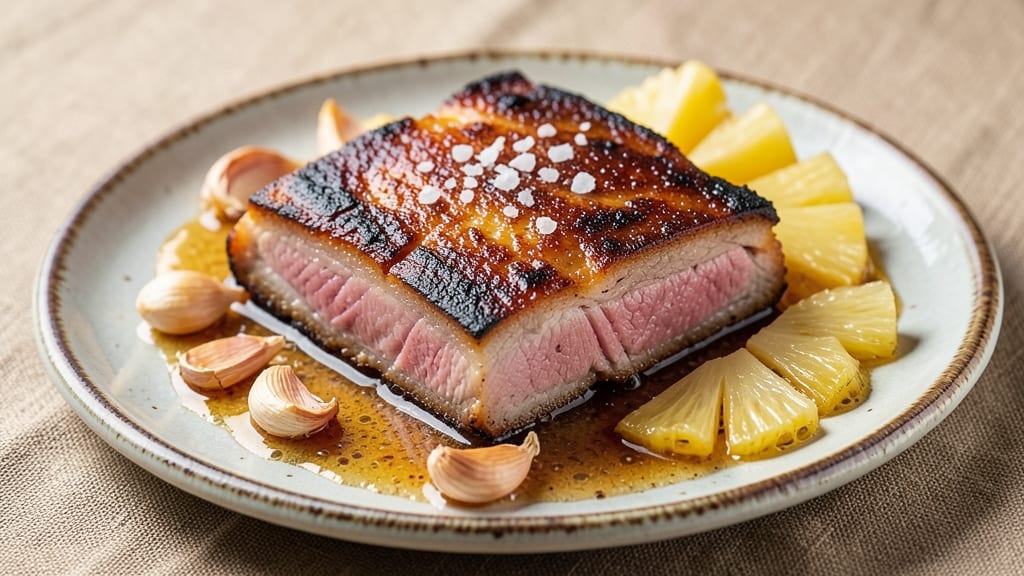
This pork pata hamonado recipe delivers the rich, caramelized sweetness of Filipino comfort food with a tropical twist—all thanks to pineapple juice's tenderizing magic. 💛 After years of perfecting my grandmother's method, I've cracked the code for achieving that signature glossy glaze and fall-apart tenderness without the guesswork.
The secret lies in the marinade: a blend of soy sauce, vinegar, and pineapple juice that breaks down tough fibers while infusing deep umami and fruity brightness. We'll slow-braise the pork until it's fork-tender, then finish with a quick grill for that coveted caramelized crust.
Every bite delivers perfectly balanced sweetness, smoky depth, and juicy richness.
What makes this recipe special is how it transforms simple ingredients into something restaurant-worthy. The pineapple juice doesn't just tenderize—it creates a subtle tropical contrast that elevates the dish beyond basic braised pork.
You'll end up with meat that practically melts in your mouth, perfect for family gatherings or special occasions.
Ready in just 3 hours (mostly hands-off time), this dish proves you don't need fancy techniques to create impressive results. The key is patience and attention to the glaze—don't rush the final caramelization. Let's get started on creating your own Filipino masterpiece.
Ingredients for pork pata hamonado recipe with pineapple juice
Pork pata hamonado transforms humble ingredients into restaurant-quality Filipino comfort food with tropical depth.
| Ingredient | Amount | Notes |
|---|---|---|
| Pork Shoulder (Pata) 🐷 | 3 lb | Cut into 2-inch chunks, bone-in preferred |
| Pineapple Juice 🍍 | 1 ½ cups | Freshly squeezed, no pulp preferred |
| Soy Sauce 🍶 | ½ cup | Light or regular, not low-sodium |
| White Vinegar 💧 | ¼ cup | Distilled preferred for balance |
| Brown Sugar 🍚 | ½ cup | Packed, dark variety for depth |
| Garlic Cloves 🧄 | 8 cloves | Minced, fresh preferred |
| Fresh Ginger 🌿 | 2 tbsp | Finely grated, peeled |
| Bay Leaves 🍃 | 2 whole | Dried, standard size |
| Black Peppercorns 🌶️ | 1 tsp | Crushed, freshly ground |
| Olive Oil 🫒 | 2 tbsp | Extra-virgin for frying |
| Water 💧 | 1 cup | For braising liquid |
| Salt 🧂 | 2 tsp | Kosher or sea salt |
| Fresh Pineapple Chunks 🍍 | 1 cup | For garnish, optional |
| Fresh Cilantro 🌿 | ¼ cup | Chopped, for garnish |
The pork shoulder is the star—look for well-marbled cuts at Whole Foods or your local butcher shop. Pata (pork hock) gives the best texture, but pork shoulder works too if you can't find it. Trim excess fat but leave some for flavor. For the pineapple juice, fresh is non-negotiable—canned juice lacks the bright acidity that tenderizes the meat and balances the sweetness. If you're using fresh pineapple, strain out the pulp for a smoother marinade. The soy sauce should be light and salty—Kikkoman is reliable, but Filipino brands like Silver Swan add authentic depth.
No fresh pineapple? Coconut water works in a pinch for moisture, but it won't replicate the tropical brightness. Short on brown sugar? Honey or maple syrup at the same amount adds sweetness, though the caramelization won't be identical. The ginger and garlic can be swapped for 1 tbsp each of ginger powder and garlic powder if fresh isn't available, but fresh is worth the effort. For the glaze, if you're worried about burning, keep the heat medium-low and add a splash of water if it starts to darken too quickly. The key is patience—rushing the caramelization ruins the balance of sweet and smoky flavors.
This dish tastes even better the next day as the flavors meld. Store leftovers in an airtight container in the fridge for up to 5 days, or freeze for 3 months. The glaze thickens when chilled, so reheat with a splash of water or pineapple juice to restore its glossy texture. For serving, I like to portion the pork with a drizzle of the reduced glaze and a sprinkle of toasted sesame seeds—it adds a nutty crunch that cuts through the richness. Double the recipe if you're feeding a crowd; the leftovers make incredible sandwiches or fried rice.
Why You'll Love This Recipe
- Pantry Magic: I swear by this one—no fancy ingredients, just what’s already lurking in my cupboard. That tangy pineapple juice and vinegar combo? It’s the secret sauce that turns tough pork shoulder into something tender and irresistible without needing a butcher’s special cut.
- Sweet-Savory Balance: The brown sugar caramelizes into a glossy glaze while the soy sauce adds depth, but here’s the kicker: the pineapple juice keeps it bright and just a little funky. It’s like a hug in your mouth—rich, sweet, and a hint of acidity that makes every bite unforgettable.
- Weeknight Workhorse: Between us, this is my go-to when I’m juggling a million things. Simmer it all in one pot, then slice it up for tacos, sandwiches, or even a quick stir-fry. Honestly, I’ve served it cold in rice bowls after a long day—still gets rave reviews.
- Budget-Friendly Feast: Pork shoulder is cheap, and this recipe stretches it far. Make a big batch, and you’ve got leftovers for days—reheat slices in a pan with a splash of pineapple juice for that same restaurant-quality taste. My wallet and my family thank me for this one.
Step-by-step instructions for pork pata hamonado
Here's how to transform tough pork shoulder into melt-in-your-mouth sweetness with tropical depth.
🔥 Step 1: Sear the Pork for Maximum Flavor
Heat a large Dutch oven over medium-high heat until it's smoking hot. Add the 2 tablespoons olive oil and swirl to coat the bottom. Working in batches to avoid crowding, add the 3 lb pork shoulder (pata) cut into 2-inch chunks and sear for 3-4 minutes per side until deep golden brown with a crust forming.
Here's the thing—this searing step isn't just about color. It develops the Maillard reaction that creates deep, complex flavors. Press down gently on the pork with a spoon during the first minute to prevent curling. You'll know it's ready when it releases easily from the pan with just a gentle nudge.
🍳 Step 2: Build the Braising Liquid
Remove the seared pork and set it aside. In the same Dutch oven, add the 8 cloves minced garlic cloves and 2 tablespoons finely grated fresh ginger, cooking for 30 seconds until fragrant—don't let them burn. Add the 2 whole bay leaves and 1 teaspoon crushed black peppercorns, stirring for 10 seconds to toast the spices.
Pour in the 1.5 cups pineapple juice, 0.5 cup soy sauce, 0.25 cup white vinegar, and 0.5 cup packed brown sugar. Stir vigorously to dissolve the sugar completely, then add the 1 cup water and 2 teaspoons salt. Bring to a gentle simmer, scraping up any browned bits from the bottom—they're packed with flavor.
🥘 Step 3: Braise Until Fork-Tender
Return the pork to the Dutch oven, submerging it completely in the braising liquid. Bring to a boil, then immediately reduce heat to low (about 300°F), cover tightly with a lid, and transfer to the oven. Braise for 2.5-3 hours until the pork is fork-tender and easily pulls apart with two forks.
Here's where patience pays off—the pork should be so tender that when you pierce it with a fork, the meat practically falls apart. If the liquid reduces too much before the pork is tender, add ¼ cup water at the 2-hour mark to maintain moisture. The aroma should be intoxicating—sweet, tangy, and deeply savory.
🍽️ Step 4: Finish and Garnish
Once the pork is tender, remove it from the braising liquid and transfer to a serving platter. Tent loosely with foil and let it rest for 10 minutes—this allows the juices to redistribute throughout the meat. Skim any excess fat from the braising liquid, then return it to the stove over medium heat and simmer for 5-7 minutes until slightly thickened.
Garnish the pork with 1 cup fresh pineapple chunks and 0.25 cup chopped fresh cilantro. Serve with the reduced braising sauce ladled over the top. The contrast of the juicy pineapple against the rich, tender pork creates a perfect balance of flavors that's both comforting and exciting.
Pro Tips For Making Pork Pata Hamonado Recipe With Pineapple Juice
- Simmer Slow and Low: After burning three batches of pork pata, I learned this: once the liquid reduces to a syrupy consistency, drop the heat to lowest possible and let it bubble gently—no splattering, no rushing. The pineapple juice will caramelize properly, coating the meat instead of turning bitter. (Yes, even if you’re impatient like me.)
- Strain That Juice: Fresh pineapple juice is non-negotiable, but skip the fiber—strain it through a fine-mesh sieve or cheesecloth to remove pulp. I used to leave it chunky, and the sauce would clog the pan, sticking to the pork instead of glazing it. Clear juice = cleaner, smoother sauce.
- Vinegar First, Then Sugar: Add the white vinegar before the brown sugar to the simmering pot—this prevents graininess and helps dissolve the sugar faster. I was skeptical until I tried it: the sauce turns glossy and blends seamlessly with the soy and pineapple flavors. (No more gritty surprises.)
- Baste Like a Pro: Every 15 minutes, spoon that sticky pineapple-soy glaze over the pork—don’t just dump it in the pan. The moisture locks in, and the crust gets that glossy, caramelized finish. I skip this when I’m lazy, but the dish is noticeably better when I don’t. (Your future self will thank you.)
Creative variations of pork pata hamonado recipe with pineapple juice
Tropical Fusion Twist
Swap half the pineapple juice for coconut water to amplify the tropical vibe while keeping the tenderizing magic. The coconut adds a subtle sweetness that complements the soy and vinegar beautifully.
I like to add 1 tbsp lime zest to the marinade for a bright citrus note that cuts through the richness. This version feels like a beachside feast even on a weeknight. 🌴
Spicy Filipino Kick
For heat lovers, add 1 tbsp siling labuyo (Filipino bird's eye chili) paste or 1 tbsp sriracha to the braising liquid. The chili's fruity heat balances the sweetness perfectly. If you can't find siling labuyo, ½ tsp cayenne pepper works in a pinch.
Start with less—you can always add more later. The chili infuses into the pork beautifully during the long braise. 🌶️
Slow-Cooker Adaptation
Transform this into a hands-off meal by using a 6-quart slow cooker. After searing the pork, add all ingredients except the pineapple chunks and cilantro to the slow cooker. Cook on low for 8 hours or high for 5 hours.
The texture will be slightly different but still incredibly tender. Finish with the same glaze technique—simmer the cooking liquid on the stovetop to thicken before serving. Perfect for busy weeknights! ⏰
Sweet Potato Addition
Turn this into a one-pot meal by adding 2 cups diced sweet potatoes to the Dutch oven during the braising phase. The sweet potatoes absorb the pineapple-soy glaze beautifully, creating a sweet-savory contrast.
They'll be tender by the time the pork is ready. Garnish with extra pineapple chunks for a vibrant presentation that feels special without extra effort. 🍠
Grilled Version
For a smoky twist, finish the pork under the broiler or on a grill after braising. Increase the oven broil setting to high and broil for 3-5 minutes per side until caramelized.
This creates a beautiful crust while keeping the interior tender. Serve with grilled pineapple slices on top for a restaurant-worthy presentation. The grill adds a whole new dimension of flavor! 🔥
Make-Ahead Magic
This dish actually tastes better the next day as the flavors meld. Prepare it completely, then refrigerate in an airtight container. Reheat gently in the oven at 325°F for 20 minutes with a splash of water or pineapple juice to restore moisture.
The glaze will be even more concentrated, creating a deeper flavor profile. Perfect for meal prep—just reheat and serve! 💫
Nutrition facts
Frequently asked questions
Why does pineapple juice make the pork so tender?
The pineapple juice contains bromelain, a natural enzyme that breaks down tough muscle fibers in the meat. This tenderizing power transforms even slightly chewy pork into melt-in-your-mouth perfection. Plus, its acidity helps dissolve collagen, making the texture incredibly silky. The tropical brightness also cuts through the richness, balancing all the flavors beautifully.
Can I substitute pineapple juice with something else?
For tenderizing, use 1.5 cups coconut water (adds tropical flavor) or 1 cup orange juice + ½ cup vinegar. Avoid citrus juices alone—they'll make the pork too acidic. If you want sweetness without pineapple, try ½ cup honey + 1 cup water + 1 tbsp vinegar. The key is maintaining the acid-base balance for proper tenderization.
What's the secret to getting that glossy glaze?
Simmer the reduced braising liquid on medium-low heat until it thickens to a syrup-like consistency. Add 1 tsp cornstarch mixed with 2 tbsp water if needed. The glaze should coat the back of a spoon. For extra shine, finish with a quick broil under the oven's high heat for 2-3 minutes—just watch it closely to avoid burning.
How do I know when the pork is fully cooked?
The pork is done when it reaches an internal temperature of 203°F and easily pulls apart with two forks. If you're unsure, cut into the largest piece—it should be completely white with no pink. The braising liquid should also be reduced by about ¼ of its original volume. Don't rush this step—properly braised pork should be fork-tender, not just cooked through.
Can I make this in an Instant Pot?
Yes! Sear the pork first, then add all ingredients except water. Cook on high pressure for 60 minutes, then quick-release. Finish by simmering the liquid on the stove to thicken. The pressure cooker cuts total time to about 1.5 hours while still delivering tender results. Just be sure to reduce the sauce properly at the end for that signature glaze.