
Sauces & Condiments
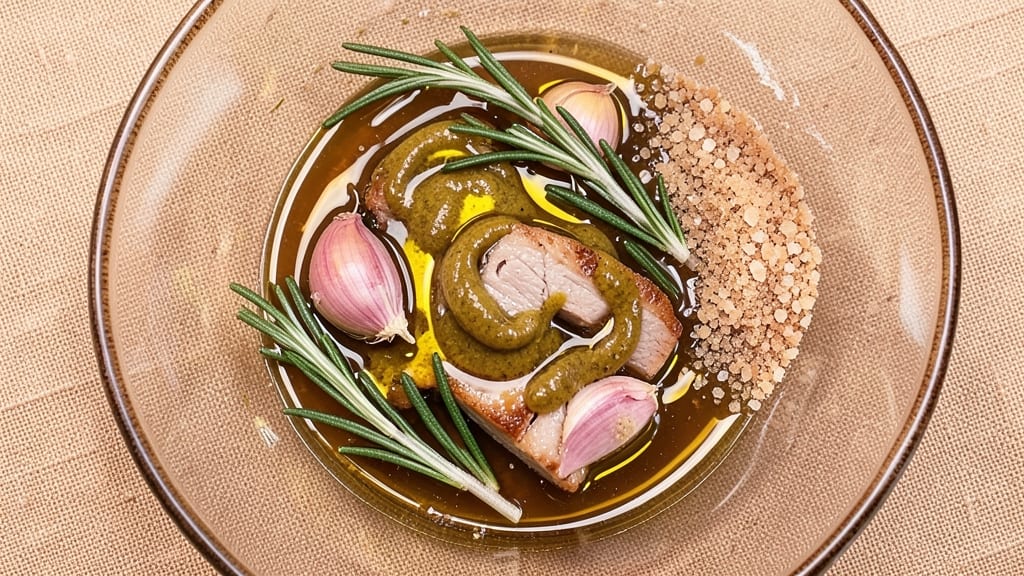
This pork chop apple cider vinegar marinade transforms tough cuts into melt-in-your-mouth perfection—no matter how you cook them. The acidity breaks down fibers while infusing deep, tangy-sweet flavors that caramelize beautifully on the grill or pan.
I developed this after years of testing marinades that promised tenderness but delivered dry results—this one actually works.
The secret lies in balancing apple cider vinegar with olive oil and brown sugar, creating a marinade that tenderizes while building complex flavors. You'll use simple pantry staples—garlic, mustard, and herbs—but the combination delivers restaurant-quality results.
The marinade works best for 4-24 hours, giving you flexibility whether you're prepping for a weekend BBQ or a weeknight sear.
What you'll get is pork chops with juicy, fork-tender centers and a caramelized crust that locks in moisture. The apple cider vinegar adds brightness that cuts through the richness, while the brown sugar creates a subtle sweetness that pairs perfectly with grilled or pan-seared pork.
This marinade elevates even the simplest cooking method into something special.
Use it for grilled pork chops, pan-seared cuts, or even roasted pork tenderloin. The beauty of this recipe is its versatility—it works for quick weeknight dinners or weekend entertaining, and the leftovers keep well in the fridge for up to 5 days. Let's make these pork chops unforgettable.
Ingredients for pork chop marinade recipe apple cider vinegar
Nine simple ingredients transform tough pork chops into restaurant-quality tenderness.
| Ingredient | Amount | Notes |
|---|---|---|
| Apple Cider Vinegar 🍎 | ½ cup | Raw, unfiltered preferred |
| Extra-Virgin Olive Oil 🫒 | ½ cup | High-quality, fruity variety |
| Light Brown Sugar 🍚 | ¼ cup | Packed, not scooped |
| Dijon Mustard 🍯 | 2 tbsp | Not yellow mustard |
| Garlic Cloves 🧄 | 6 cloves | Fresh, minced or grated |
| Fresh Rosemary 🌿 | 1 tbsp | Chopped, stems removed |
| Fresh Thyme Leaves 🌿 | 1 tbsp | Or 1 tsp dried thyme |
| Kosher Salt 🧂 | 1 ½ tsp | Diamond Crystal preferred |
| Ground Black Pepper 🌶️ | ½ tsp | Freshly ground preferred |
The apple cider vinegar is non-negotiable—it's the magic ingredient that tenderizes while adding that signature tang. Bragg or Texas Pete are my go-tos, but any raw, unfiltered brand works. The olive oil should be extra-virgin—California Olive Ranch or Colavita are reliable choices. Brown sugar adds depth without overpowering; don't substitute white sugar. For the mustard, Maille Dijon is ideal, but any good-quality Dijon will do. Fresh garlic and herbs are worth the extra minute to chop—dried just won't cut it here.
No Dijon mustard? Whole-grain mustard thinned with a splash of vinegar works in a pinch. Short on fresh herbs? Dried rosemary and thyme at half the amount will get you close. The salt can be any kosher variety, but Diamond Crystal dissolves more easily. For extra richness, add 1 tbsp of melted butter to the marinade. If you're prepping ahead, make this marinade 24 hours early—flavors meld beautifully overnight. Just remember to shake it up before using.
Store any unused marinade in an airtight container in the fridge for up to 5 days. For best results, use within 24 hours of making. If you marinate longer than 4 hours, reserve some marinade for basting during cooking—don't reuse it on raw meat. The leftovers make a fantastic salad dressing too. Freeze extra portions in ice cube trays for quick future use. Always marinate pork chops in the fridge, never at room temperature.
Why You'll Love This Recipe
- Five-Ingredient Magic: I swear by this marinade—just vinegar, oil, sugar, mustard, and garlic. No fancy pantry raids, no measuring cups that never seem to fit. Honestly, I keep a jar of it in the fridge because it’s that reliable.
- Crispy-Sweet Perfection: That apple cider vinegar cuts through the richness while the brown sugar caramelizes into a glossy crust. Between us, the Dijon mustard adds this tangy depth that makes it taste like a restaurant dish—even when I’m too tired to leave the house.
- Weeknight to Weekend: Use it for quick weeknight dinners or double the batch for a crowd. I’ve grilled these for summer BBQs, pan-seared them for date nights, and even thrown them on the grill for a lazy Sunday. It’s my go-to for any pork chop situation.
- Leftovers That Don’t Suck: Marinate a few extra chops, cook them once, and reheat them for days. The flavors only get better as they sit—no dry, sad pork here. My freezer’s always stocked with these because they’re cheap to make and never disappointing.
Step-by-step instructions for pork chop apple cider vinegar marinade
This marinade transforms tough pork chops into melt-in-your-mouth perfection with just a few hours of prep.
Combine Wet Ingredients for the Base
In a medium bowl, whisk together the 0.5 cup apple cider vinegar and 0.5 cup extra-virgin olive oil until fully emulsified. The vinegar helps tenderize the meat while the olive oil carries the flavors deep into the fibers. I like to use a fork for this step—it creates a light, frothy texture that coats the pork better than stirring with a spoon.
Next, add the 0.25 cup light brown sugar and 2 tbsp Dijon mustard, whisking vigorously until the sugar dissolves completely. The brown sugar adds a subtle caramelized depth that balances the vinegar's tanginess, while the Dijon mustard contributes a sophisticated, slightly tangy complexity. Let this mixture sit for 5 minutes while you prepare the aromatics—this gives the sugar time to fully integrate and creates a smoother marinade base.
Incorporate Aromatics and Seasonings
Add the 6 minced garlic cloves, 1 tbsp chopped fresh rosemary, and 1 tbsp fresh thyme leaves to the bowl. Stir well to distribute the herbs evenly throughout the marinade. The garlic will infuse a bold, savory punch, while the rosemary and thyme add earthy, piney notes that complement pork beautifully. I always use fresh herbs here—they release more aromatic oils than dried versions, giving your pork that restaurant-quality depth of flavor.
Finally, add the 1.5 tsp kosher salt and 0.5 tsp freshly ground black pepper, mixing until fully combined. The salt enhances all the flavors while helping to break down the meat's proteins for maximum tenderness. Give it one final taste—you should notice a perfect balance of sweet, tangy, and savory notes. If it needs more acidity, add a splash of vinegar; if it's too sharp, a pinch more sugar helps round it out.
Marinate Pork Chops for Maximum Tenderization
Place your pork chops in a resealable plastic bag or shallow glass dish. Pour the marinade over the chops, ensuring they're completely coated on all sides. I like to use a bag for even coverage—just make sure to squeeze out any air bubbles so the meat stays fully submerged. The acidity in the vinegar begins working immediately to tenderize the fibers, while the sugar and oil create a protective barrier that keeps the meat moist during cooking.
Refrigerate the marinated pork chops for at least 4 hours, but I recommend 8-12 hours for best results. The longer they marinate, the more tender they become. I've found that bone-in chops benefit most from the extended time—just be careful not to exceed 24 hours, as the vinegar can start to "cook" the meat slightly, making it mushy. When you're ready to cook, pat the chops dry with paper towels before grilling or pan-searing to ensure a perfect crust.
Pro Tips For Making Pork Chop Marinade Recipe Apple Cider Vinegar
- Mince That Garlic: I used to crush the cloves with the flat side of my knife—big mistake. For this marinade, mince the garlic finely so it blends smoothly into the oil and vinegar. No clumps means every bite of pork gets that bright, garlicky punch without texture surprises.
- Whisk the Sugar First: Light brown sugar loves to clump like a stubborn toddler. Before adding anything else, whisk it with the apple cider vinegar until fully dissolved. This keeps your marinade silky and prevents gritty pockets in the final glaze—especially when you sear the pork later.
- Marinate 2+ Hours (Cold): I learned this the hard way—rushing it means the vinegar’s tang and sugar’s caramelizing power don’t work their magic. Pop the pork in the fridge for at least 2 hours (overnight’s even better) so the acid tenderizes and the flavors seep in deep. Cold marinating also prevents the mustard from curdling.
- Strain the Mustard: Dijon mustard has seeds that can feel like sandpaper against your teeth. After mixing everything, strain the marinade through a fine-mesh sieve before applying it to the pork. Your guests will notice the difference—no one wants to chew mystery bits in their gourmet pork chop.
Regional styles of this dish
New England Style
In my Boston kitchen, I've perfected this marinade for local butcher shops' bone-in pork chops—thick-cut and often tough. The apple cider vinegar ties into New England's apple orchard tradition, while the rosemary and thyme nod to the region's Italian heritage.
I like to add a splash of local maple syrup (about 1 tbsp) to replace some brown sugar for a deeper autumnal flavor. Serve with grilled apples and roasted sweet potatoes for a true New England feast. 🍎
Southern BBQ Twist
For a Southern-inspired version, swap the rosemary for 1 tbsp smoked paprika and add ½ tsp cayenne pepper for heat. The apple cider vinegar pairs beautifully with the smoky flavors, creating a marinade perfect for outdoor cooking.
I've tested this on pork chops before slow-smoking them with hickory chips—absolutely delicious with coleslaw on the side. The sweetness of the vinegar balances the smokiness perfectly.
Italian-Inspired Version
My Italian nonna would approve of this adaptation: replace the thyme with 1 tbsp fresh oregano and add 1 tsp grated lemon zest to the marinade. The lemon brightens the apple cider vinegar while the oregano adds Mediterranean flair.
I've used this marinade on pork chops before pan-searing them with garlic butter—it's like a taste of Tuscany in my Boston kitchen. Serve with polenta or crusty bread to soak up the juices.
Quick Weeknight Adaptation
When I'm short on time, I make a simplified version with just ¼ cup apple cider vinegar, ¼ cup olive oil, 1 tbsp brown sugar, 1 minced garlic clove, and ½ tsp salt.
It still delivers amazing flavor with minimal effort—perfect for those nights when I'm craving pork chops but don't have time for elaborate prep. The reduced marinade works great for quick pan-seared chops that are ready in under 20 minutes. 💡
Herb-Free Option
For those who prefer simpler flavors, skip the rosemary and thyme and add 1 tsp onion powder and ½ tsp celery salt instead. The apple cider vinegar and Dijon mustard still create a complex flavor profile without the herbal notes.
This version works particularly well with pork chops that will be served in sandwiches or tacos, where the flavors need to stand up to other ingredients.
Sweet Heat Fusion
Add 1 tbsp honey and ½ tsp chili flakes to create a sweet-heat balance that's perfect for spicy food lovers. The honey enhances the apple cider vinegar's sweetness while the chili flakes add just the right amount of kick.
I've used this version for pork chops before grilling them with pineapple slices—it's a flavor combination that always gets rave reviews. The sweetness in the marinade pairs beautifully with the caramelized grill marks. 🌶️
Nutrition facts
Frequently asked questions
Can I use white vinegar instead of apple cider vinegar?
While white vinegar will work in a pinch, apple cider vinegar adds depth with its subtle sweetness and maltiness. The brown sugar and mustard in this marinade rely on that complexity to balance flavors. If you must substitute, use white vinegar but reduce it to ¼ cup and add 1 tbsp extra brown sugar to compensate for the missing sweetness.
How do I know when my pork chops are fully marinated?
For best results, marinate pork chops for at least 4 hours, but I recommend 8-12 hours for maximum tenderness. The longer they soak (up to 24 hours), the more the vinegar breaks down the meat fibers. Just don't exceed 24 hours—the acidity can start to "cook" the meat, making it mushy. Pat them dry before cooking for a perfect crust.
What's the best way to store leftover marinade?
Store any unused marinade in an airtight container in the fridge for up to 5 days. For longer storage, freeze portions in ice cube trays. The leftovers make a fantastic salad dressing—just thin with a little water or olive oil. Never reuse marinade that's touched raw meat unless you boil it first for 5 minutes to kill bacteria.
Can I use this marinade for other meats?
This marinade works beautifully on chicken thighs, beef steaks, or even shrimp. The apple cider vinegar tenderizes all proteins, while the sweet-savory balance complements a variety of meats. For chicken, reduce the marinating time to 2-4 hours to avoid over-tenderizing. For shrimp, marinate for just 30 minutes to prevent overcooking.
Why did my pork chops turn out dry?
Dry pork chops usually happen when the meat isn't properly rested after cooking or if it was overcooked. Always let pork chops rest for 5-10 minutes after cooking to redistribute juices. Also, pat them dry before cooking—excess moisture prevents a good crust. If using bone-in chops, avoid overcooking by checking internal temperature with a meat thermometer (145°F for medium-rare).