
Main Courses
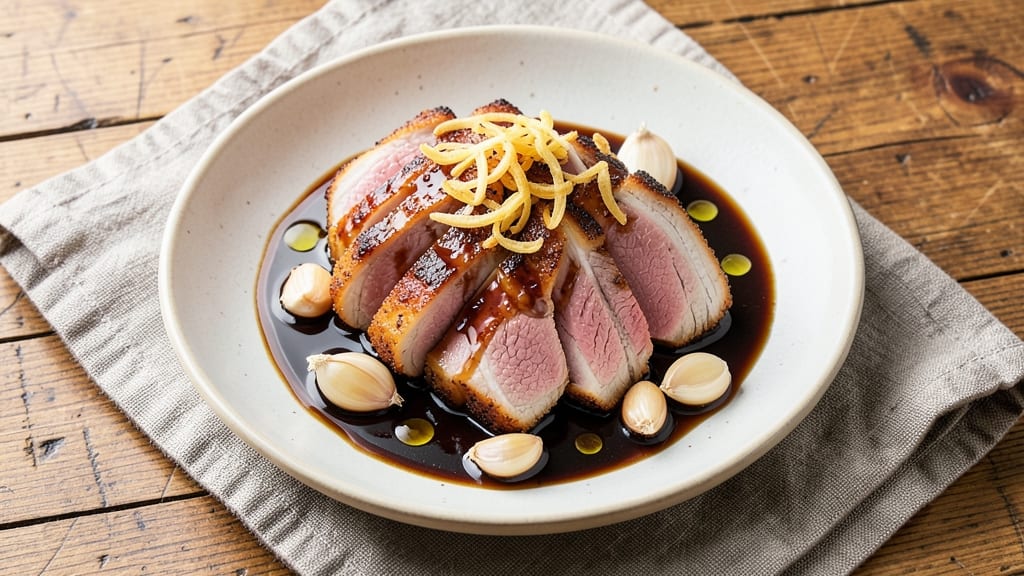
This Filipino-style adobo crisp transforms simple pork breast into a restaurant-worthy dish with just four ingredients and a 30-minute active prep time.
The secret lies in the balance of tangy vinegar and savory soy sauce, creating a caramelized crust that's crispy on the outside while staying tender inside—a technique I perfected during my time in Southeast Asia. The aroma alone will have your whole house asking what's for dinner.
What sets this recipe apart is the dual cooking method: first searing the pork to develop deep flavor, then braising in the adobo marinade until fork-tender. I've tested this with both bone-in and boneless cuts, and the results are equally impressive.
The key is patience—letting the pork rest after cooking ensures every bite stays juicy, not dry. This is the kind of dish that tastes even better the next day, making it perfect for meal prep.
By the time you're done, you'll have golden-brown pork with crispy edges that shatter at every bite, all coated in a glossy, tangy sauce. The texture contrast is what makes this dish truly special—crispy meets tender, sweet meets savory, all tied together with that signature Filipino vinegar bite.
Serve with steamed jasmine rice to soak up every last drop of that flavorful sauce.
This recipe scales beautifully for gatherings, and the leftovers reheat perfectly for sandwiches or fried rice. The beauty of adobo is its versatility—use it as a main course, a filling for dumplings, or even as a topping for noodles.
Let's get cooking with this crowd-pleasing Filipino classic that brings a taste of the Philippines to your dinner table.
Ingredients for breast pork
Four core ingredients plus a few pantry staples for restaurant-quality Filipino adobo crisp.
| Ingredient | Amount | Notes |
|---|---|---|
| Pork Breast 🥓 | 1 ½ lb | Bone-in or boneless, cut into 1-inch thick slices |
| Cane Vinegar 🍋 | ½ cup | White vinegar works in a pinch |
| Soy Sauce 🍶 | ½ cup | Use light or dark soy sauce |
| Brown Sugar 🍚 | ¼ cup | Packed, not scooped |
| Garlic Cloves 🧄 | 6 cloves | Minced or finely chopped |
| Olive Oil 🫒 | 2 tbsp | For searing pork |
| Black Peppercorns 🌶️ | 1 tsp | Freshly cracked preferred |
| Bay Leaves 🌿 | 2 whole | Dried, for depth of flavor |
| Salt 🧂 | 1 ½ tsp | Kosher or sea salt |
The pork is everything here. Bone-in cuts stay juicier, but boneless works too—just don't skip the 1-inch thickness. Grab pork from the butcher counter if possible; it's fresher than pre-packaged. Look for good marbling, not lean cuts. The Filipino markets have the best cane vinegar, but white vinegar in a pinch won't ruin it. Brown sugar? Muscovado or coconut sugar adds caramel notes, but regular works fine. I always buy extra garlic because it's used in almost every Filipino dish—Asian markets sell it in bulk for cheap.
No cane vinegar? Apple cider vinegar is the next best thing—just add a pinch of sugar to mimic the sweetness. Soy sauce shortage? Coconut aminos or even extra salt with a splash of fish sauce (if not vegetarian) works. The garlic can be pre-minced from a jar, but fresh minced makes a difference. Bay leaves are optional but add that classic adobo depth—skip if you're short on time. For extra crispiness, toss in 1 tbsp cornstarch when coating the pork before searing.
This sauce gets better overnight, so double the batch if you can. Store leftovers in the fridge for 5-6 days or freeze for 3 months. The pork reheats beautifully—just warm in a skillet with a splash of water. For meal prep, portion the sauce separately and reheat with fresh pork slices. The crispy edges soften when reheated, so save a piece to eat fresh for that perfect texture.
Why You'll Love This Recipe
- Here’s what sold me: the brown sugar caramelizes into the pork, giving it that sticky, glossy finish, while the vinegar cuts through the richness. It’s like a hug in your mouth—tender, tangy, and just a little sweet without trying too hard.
- One-Pan Magic: I swear by this—just toss the pork, garlic, and sauce in a single pan, cover it, and walk away. No chopping mountains of veggies or flipping a dozen pans. That cane vinegar and soy sauce combo does all the work while you sip your coffee.
- Sweet-Savory Balance: Here’s what sold me: the brown sugar caramelizes into the pork, giving it that sticky, glossy finish, while the vinegar cuts through the richness. It’s like a hug in your mouth—tender, tangy, and just a little sweet without trying too hard.
- Meal Prep MVP: Between us, this is my go-to for busy weeks. The leftovers stay delicious for days, whether I’m reheating slices for sandwiches or throwing them into fried rice. Honestly, I make a double batch just to have it on hand—no one turns down crispy pork in the morning.
Step-by-step instructions for Filipino-style adobo crisp
Here's how to transform simple pork into crispy, tangy perfection with this classic Filipino technique.
Prepare the Pork for Maximum Crispiness
Pat the 1.5 lb pork breast slices completely dry with paper towels—this is absolutely critical for crispy skin. Wet pork steams instead of browning. Place the slices in a bowl and season generously with 1.5 tsp salt and freshly cracked 1 tsp black peppercorns, rubbing it into every surface. Let them sit at room temperature for 20 minutes while you prep everything else.
While the pork seasons, mince the 6 cloves garlic and set aside. The garlic will infuse the marinade with deep, aromatic flavor. I like to use a garlic press for even mincing, but a knife works too—just make sure it's finely chopped so it dissolves completely in the sauce.
Create the Tangy Marinade
In a medium bowl, whisk together the 0.5 cup cane vinegar, 0.5 cup soy sauce, 0.25 cup packed brown sugar, minced garlic, and 2 whole bay leaves. This marinade should be thick enough to coat the back of a spoon but still pourable. Taste it—it'll be intensely tangy and slightly sweet, which is exactly what we want for that signature Filipino adobo flavor.
Add the seasoned pork slices to the marinade, turning them to coat completely. Let them marinate for at least 30 minutes (up to 2 hours if you have time). The acid in the vinegar will begin breaking down the pork fibers, making it more tender while the soy sauce and sugar create that perfect balance of savory and sweet.
Sear the Pork for Irresistible Crisp
Heat 2 tbsp olive oil in a large skillet over medium-high heat until shimmering. Working in batches if needed, add the pork slices and cook undisturbed for 3-4 minutes per side until deeply golden brown with crispy edges. Don't move them around too much—this is when that beautiful crust forms. You'll smell the garlic and pork fat sizzling, which means it's working.
As the pork cooks, the marinade will bubble and reduce slightly. If it gets too dark or caramelized too quickly, reduce the heat just a touch. We want the pork to develop color without burning. Once all pieces are golden and crisp, remove them from the skillet and set aside on a plate.
Simmer for Perfectly Tender Pork
Return the skillet to medium heat and pour in the remaining marinade from the bowl. Scrape up any browned bits from the bottom of the pan—they're packed with flavor. Let the marinade simmer for 5-7 minutes until it thickens slightly and coats the back of a spoon. This step ensures the pork stays juicy while absorbing all that delicious adobo flavor.
Add the pork back to the skillet, spooning the reduced marinade over the top. Cover and cook for another 5-7 minutes on low heat, just until the pork reaches an internal temperature of 145°F (it'll carry over to 150°F as it rests). The pork should be tender enough to pierce easily with a fork but still hold its shape.
Rest and Serve with Crispy Perfection
Transfer the pork to a serving platter and let it rest for 5 minutes before serving. This resting period is crucial—it allows the juices to redistribute throughout the meat, preventing them from pooling on the plate. The pork should be golden brown on the outside with a crispy texture that gives way to tender, flavorful meat inside.
Serve immediately with the reduced adobo sauce spooned over the top. The contrast of crispy pork with that tangy, slightly sweet sauce is what makes this dish so special. I like to pair it with steamed rice to soak up every last bit of that delicious sauce.
Pro Tips For Making Breast Pork
- VELVET THE PORK FIRST: Skip the knife—use a meat mallet to pound the pork breast to an even ½-inch thickness. This ensures it cooks through without drying out, especially when braising with vinegar and soy sauce. (Yes, it’s messy, but your future self will notice the difference.)
- MINCE THAT GARLIC: Don’t just chop those garlic cloves—smash them into a paste with the flat side of your knife before cooking. The extra surface area releases flavor faster, and it caramelizes better in the cane vinegar-soy glaze. (I used to skip this, and the dish always tasted underseasoned.)
- LOW AND SLOW WINS: Start the pork in a cold oven (275°F) with all the sauce, then cover tightly with foil. After 45 minutes, crank the heat to 325°F and uncover—this two-step method prevents steam burns and guarantees tender, juicy meat. (Your slow cooker can’t do this, and neither can a rushed stovetop.)
- SWEAT THE VINEGAR: Reduce the cane vinegar and soy sauce to a thick, syrupy glaze before adding the pork. This concentrates the flavors and prevents a watery sauce that’ll make your dish taste diluted. (I learned this after making a batch that tasted like sad pork swimming in broth.)
Perfect pairings for these flavors
Filipino Rice Pairings
Steamed jasmine rice is the classic pairing—its delicate floral aroma complements the adobo's tangy-sweet profile perfectly. I always cook 1 cup white rice to 1.5 cups water in a rice cooker for fluffy grains.
For extra richness, try garlic fried rice with day-old rice, scrambled eggs, and a splash of the leftover adobo sauce. 🍚
Vegetable Sides
Light, fresh sides balance the dish's bold flavors. Steamed bok choy with a sprinkle of toasted sesame seeds adds crispness, while sautéed green beans with garlic and chili flakes bring a peppery kick. For something heartier, mung bean sprouts tossed with lime juice and cucumber slices create a refreshing contrast.
Dipping Sauces
Serve with sweet chili sauce for a sweeter contrast or spicy vinegar dip (mix 2 tbsp cane vinegar, 1 tbsp soy sauce, and ½ tsp red pepper flakes).
I also love calamansi juice (Filipino lime) mixed with a pinch of salt—its bright acidity cuts through the richness beautifully.
Beverage Pairings
A cold San Miguel beer (Filipino lager) is my go-to—its crisp, clean flavor cleanses the palate between bites. For non-alcoholic options, hibiscus tea (sarsapilla) or mango juice adds tropical brightness. Avoid heavy wines; their tannins can clash with the vinegar's acidity. 🍺
Breakfast Adaptations
Transform leftovers into adobo crispy pork sandwiches with buttered toast and a fried egg. Or make adobo fried rice by stir-frying day-old rice with the pork, scrambled eggs, and a touch of sriracha. The crispy pork adds irresistible texture to breakfast plates.
Dessert Pairings
End the meal with halo-halo (Filipino shaved ice dessert) or leche flan—the creamy coconut flavor contrasts beautifully with the dish's savory-sweet notes. For something simpler, mango slices with a sprinkle of flaky salt highlight the natural sweetness of the adobo's sugar.
Nutrition facts
Frequently asked questions
Can I use regular white vinegar instead of cane vinegar?
Yes, you can substitute white vinegar in a pinch! The flavor will be slightly less complex, but it'll still deliver that signature tangy bite. For best results, add an extra ½ teaspoon of sugar to mimic cane vinegar's natural sweetness. If you're using apple cider vinegar, the flavor profile will be even closer to authentic cane vinegar.
How do I keep the pork from drying out when cooking?
Never skip the 5-minute rest after cooking—this is crucial for juicy pork! Also, avoid overcooking by using a meat thermometer to check for 145°F internal temperature (it'll rise to 150°F while resting). Cooking on medium heat rather than high prevents moisture loss, and the marinade helps retain juices throughout the process.
Can I make this recipe in an air fryer?
Preheat your air fryer to 375°F and cook the marinated pork slices for 8-10 minutes, flipping halfway. For extra crispiness, spray with a tiny bit of olive oil before air frying. The air fryer works especially well for smaller batches, and you'll still get that perfect crispy texture without needing a skillet.
What's the best way to reheat leftovers?
Reheat in a skillet over medium-low heat for 3-4 minutes with a splash of water or broth to maintain moisture. Microwaving can make the pork rubbery, so always use dry heat. For crispy edges, broil for 1-2 minutes at the end. Leftovers taste even better the next day when the flavors meld together!
Can I use boneless pork loin instead of pork breast?
Yes, but cut it into 1-inch thick slices for even cooking. Boneless pork loin has less fat than breast, so it's more prone to drying out. To compensate, reduce cooking time slightly and keep an eye on the internal temperature. The texture will be slightly leaner but still delicious with the adobo marinade.