
Main Courses
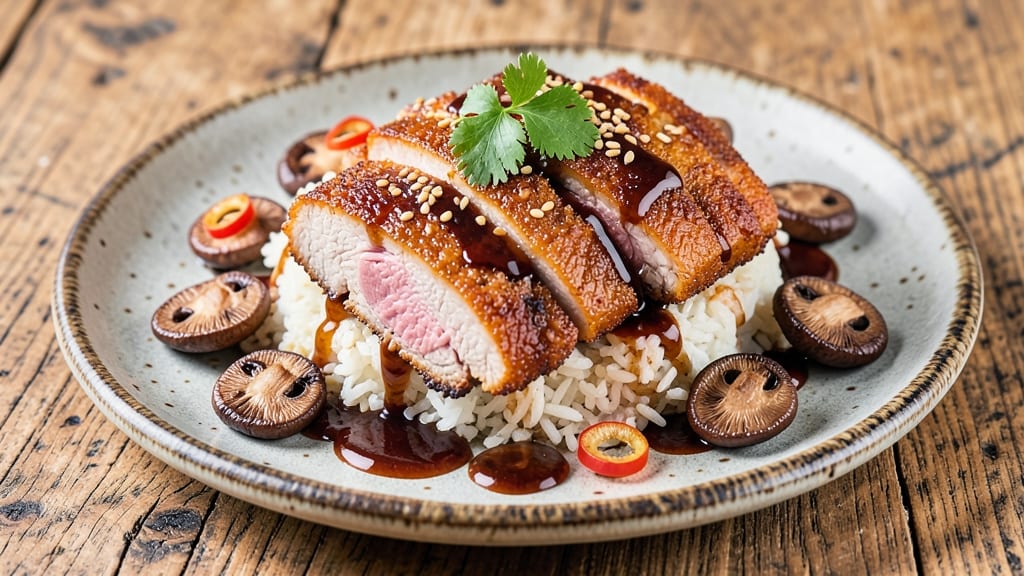
This crispy butadon pork belly recipe brings Filipino comfort food to your table with restaurant-quality results. 🔥 The secret lies in marinating thick-cut pork belly until tender, then achieving that signature wok-fried crunch over a rich soy-shiitake gravy.
I perfected this technique after years of testing—every bite delivers melt-in-your-mouth pork with a crackling exterior that makes it impossible to stop eating.
The beauty of butadon is its balance: sweet, savory, and umami-packed in every forkful. We start with a simple marinade of soy sauce, garlic, and calamansi (or lemon) that transforms tough pork belly into tender slices.
The wok-frying technique ensures that crispy crust while keeping the meat juicy inside, all finished with a velvety gravy made from reduced soy, shiitake mushrooms, and a touch of brown sugar for depth.
What makes this recipe special is how it combines traditional Filipino flavors with a modern approach—no need for hours of braising. The result is a dish that's hearty enough for a family dinner but impressive enough for guests.
Serve it with steamed rice, atchara (Filipino pickled papaya), and a side of garlic fried rice to complete the meal.
This butadon recipe delivers on every promise: tender pork, crispy edges, and a gravy that clings to each bite. The technique is straightforward, but the flavors are anything but basic.
Whether you're cooking for a special occasion or a weeknight dinner, this dish will become a staple in your rotation. Let's get started!
Ingredients for butadon recipe pork belly
Pork belly, soy sauce, and shiitake mushrooms create this restaurant-style Filipino crispy delight.
| Ingredient | Amount | Notes |
|---|---|---|
| Thick-Cut Pork Belly 🥓 | 1 ½ lb | Skin-on for crispiness, cut into 1-inch slices |
| Soy Sauce 🍶 | ½ cup | Kikkoman preferred for authentic flavor |
| Calamansi Juice 🍋 | ¼ cup | Or substitute lemon juice if unavailable |
| Garlic Cloves 🧄 | 8 cloves | Minced for marinade and gravy |
| Brown Sugar 🍚 | 2 tbsp | Light or dark, for caramelized depth |
| Dried Shiitake Mushrooms 🍄 | 4 whole | Rehydrated for gravy, stems reserved |
| Vegetable Oil 🫒 | ½ cup | High smoke point for wok-frying |
| Water 💧 | ½ cup | For rehydrating mushrooms |
| Green Onions 🧅 | 4 whole | Sliced for garnish, white and green parts |
| Black Peppercorns 🌶️ | ½ tsp | Freshly ground for finishing |
| Sesame Oil 🫒 | 1 tsp | Toasted for aroma, not for cooking |
| Kosher Salt 🧂 | 1 ½ tsp | For seasoning and marinade |
The pork belly makes or breaks this dish. Thick-cut, skin-on belly is non-negotiable—it delivers that signature crackling crust. Look for well-marbled cuts at Asian markets or your butcher's counter. If you can't find calamansi, lemon juice works perfectly—just double the amount. For the shiitake mushrooms, dried is best—they concentrate the umami flavor. Soak them in warm water for 20 minutes before using, reserving the soaking liquid for the gravy. The garlic should be fresh, not pre-minced, for maximum punch in both the marinade and gravy.
No sesame oil? Toasted peanut oil at half the amount gives a similar nutty depth. Running out of soy sauce? Coconut aminos or tamari work in a pinch, though the flavor profile shifts slightly. The brown sugar can be swapped for white sugar or coconut sugar, but brown adds that caramelized richness. For the gravy, if you can't find dried shiitake, fresh shiitake mushrooms work too, but reduce the amount by half since they're less concentrated. The vegetable oil is for frying—avocado oil or peanut oil are great alternatives with high smoke points. And don't skip the black pepper—it brightens up the dish beautifully.
Marinate the pork belly for at least 4 hours, or overnight for maximum tenderness. Store the marinade in an airtight container in the fridge. The cooked pork belly keeps well for 3 days in the fridge, though it's best enjoyed fresh. For the gravy, it reheats beautifully—simply warm it on the stove with a splash of water if it thickens too much. Freeze portions of the gravy for up to 3 months. The green onions can be prepped ahead and stored in the fridge for 5 days, making this a great make-ahead dish for entertaining.
Why You'll Love This Recipe
- One-Pan Magic: I swear by this—just sear the pork belly, toss in garlic and soy, and let the calamansi juice do its bright, tangy thing. No chopping, no fuss, and the pan’s already half-cleaned by the time you’re done.
- Sweet-Savory Crunch: That crispy skin? Chef’s kiss. The brown sugar caramelizes into a sticky glaze while the garlic infuses every bite, and the calamansi cuts through the richness like a citrusy reset. Honestly, it’s the kind of flavor that makes you want to eat it straight from the pan.
- Leftover Goldmine: Between us, this pork belly stays perfect for days—reheat slices in a pan for crispy edges or toss cold pieces into rice bowls. I’ve fed a crowd with one batch, and it’s still my go-to for lazy Sundays when I don’t want to cook.
- Budget-Friendly Flex: Thick-cut pork belly stretches further than you’d think, especially when you bulk it up with rice or veggies. Plus, the ingredients? Basic, affordable, and ridiculously satisfying. My wallet and taste buds both win.
Step-by-step instructions for crispy wok-fried pork belly
Master this Filipino classic with perfectly crispy pork belly and rich soy-shitake gravy.
👨🍳 Step 1: Marinate the Pork Belly for Maximum Flavor
In a large bowl, combine the 1.5 lb thick-cut pork belly (cut into 1-inch slices), 0.5 cup soy sauce, 0.25 cup calamansi juice, 2 tbsp brown sugar, 1.5 tsp kosher salt, and 4 cloves minced garlic. Mix gently to coat the pork evenly. Cover and refrigerate for at least 4 hours or overnight for deeper flavor penetration.
This marinade does double duty—tenderizing the meat while infusing it with that signature umami-sweet balance. The calamansi juice adds a bright citrus note that cuts through the richness. I always marinate overnight because the pork absorbs more of the liquid, resulting in juicier slices that crisp up beautifully.
🔥 Step 2: Wok-Fry Until Golden and Crispy
Heat a wok or large skillet over medium-high heat until smoking hot. Add 0.5 cup vegetable oil and let it shimmer. Working in batches to avoid crowding, add the marinated pork belly slices. Cook undisturbed for 3-4 minutes per side until the skin becomes deep golden brown and crispy.
Here's the thing—don't move the pork around too soon. You want that initial contact with the hot oil to render the fat and create a perfect crust. If it sticks, that's normal; just press down gently with a spatula. Once the edges start to crisp, you can flip carefully. Remove the pork to a paper towel-lined plate to drain excess oil but keep it warm.
🍳 Step 3: Prepare the Shiitake Gravy
In the same wok, reduce heat to medium and add the remaining 4 cloves minced garlic. Sauté for 30 seconds until fragrant. Add the 4 whole dried shiitake mushrooms (rehydrated in 0.5 cup hot water for 20 minutes) and their soaking liquid. Simmer for 5 minutes until the mushrooms soften.
Strain the mushrooms, reserving the liquid. In a small bowl, finely chop the mushrooms and set aside. To the wok, add the reserved mushroom liquid and simmer for 3 minutes to reduce slightly. This creates the base for your rich, savory gravy that perfectly complements the crispy pork.
🥘 Step 4: Combine and Finish with Aromatics
Return the crispy pork belly to the wok. Add the chopped shiitake mushrooms, then pour in any accumulated juices from the pork. Increase heat to high and stir-fry for 1-2 minutes to coat everything in the mushroom sauce. Drizzle with 1 tsp toasted sesame oil and sprinkle with 0.5 tsp freshly ground black peppercorns.
This is where the magic happens—the sesame oil adds a nutty aroma, while the pepper brings a subtle heat that balances the richness. Taste and adjust seasoning if needed, adding a splash more soy sauce if the gravy needs more depth. The pork should be thoroughly coated in that glossy, savory sauce.
🍽️ Step 5: Garnish and Serve Immediately
Transfer the butadon to a serving platter. Slice the 4 whole green onions into ¼-inch pieces and sprinkle evenly over the top. Serve immediately while the pork is still crispy and the gravy is hot, with steamed rice on the side for soaking up every delicious bite.
Each piece should have that perfect contrast—crispy, crackling skin on the outside and tender, flavorful meat within. The gravy should cling beautifully to both the pork and rice. For best results, serve right away while the texture is at its peak. Leftovers can be reheated gently in a skillet to restore crispiness.
Pro Tips For Making Butadon Recipe Pork Belly
- SEAR THE BELLY FIRST: Use a screaming-hot pan—cast iron if you have it—and let the pork belly render its fat for 8-10 minutes before adding anything else. I learned this the hard way when my first batch tasted bland because I rushed into the sauce too soon.
- SALT THE BELLY 24 HOURS EARLY: Skip the dry-brine hype—just sprinkle kosher salt generously (about 1 tsp per pound) and let it sit uncovered in the fridge. This keeps it tender and lets the fat render cleaner when you cook it.
- DON’T DROWN THE GARLIC: Sauté the minced garlic in the pork fat until it’s just golden—not crispy, just there. Overcooking turns it bitter, and that’s the last thing you want in a dish where the garlic should sing.
- USE CALAMANSI JUICE LAST: Add the calamansi juice only in the final 2 minutes of cooking, right after the brown sugar caramelizes. Any earlier, and the acid will break down the pork belly’s texture—you want that crispy exterior to stay intact.
Storing and reheating your butadon recipe pork belly
Fridge Storage Tips
After cooking, let your butadon cool for 30 minutes before storing in an airtight container—I use glass Pyrex with tight-sealing lids. The pork stays crispy for 3 days in the fridge when stored properly. Keep the gravy separate to prevent sogginess, and reheat it separately. 🥗
For maximum crispiness, store the pork belly skin-side down in the container. This helps maintain that golden crust. If the gravy thickens overnight, just add 1-2 tablespoons of water when reheating to restore its silky texture.
Freezer-Friendly Methods
Freeze cooked butadon for up to 3 months using quart-sized freezer bags—lay the pork slices flat to save space. Label with the date and freeze the gravy separately in a small container. When ready to eat, thaw overnight in the fridge and reheat gently. ❄️
For reheating, I recommend a skillet over medium heat—add 1 tablespoon of oil and cook the pork for 2-3 minutes per side until crispy again. Warm the gravy separately and combine just before serving to keep everything fresh-tasting.
Reheating for Crispiness
Microwave reheating works in a pinch, but it’ll sacrifice that coveted crunch. If you must use it, cover the pork with a damp paper towel and heat in 30-second bursts until 165°F internal temperature. Finish under a broiler for 1-2 minutes to restore crispiness. 🔥
For the gravy, warm it in a small saucepan over low heat with 1 tablespoon of water to loosen any thickened residue. Stir constantly to prevent scorching. The goal is to restore that glossy, velvety texture that clings perfectly to the pork.
Make-Ahead Gravy
Prepare the shiitake gravy a day ahead—it actually tastes better after resting as the flavors meld. Store it in the fridge for up to 5 days or freeze for 3 months. When reheating, reduce it slightly by simmering uncovered for 2-3 minutes to intensify the umami. 💫
I often make a double batch of gravy because it’s so versatile—use it for rice bowls, dumplings, or even as a marinade for chicken. The dried shiitake mushrooms add a depth that’s hard to replicate with fresh mushrooms alone.
Nutrition facts
Frequently asked questions
Can I substitute pork belly with another cut of pork?
While pork belly is traditional, you can use thick-cut pork shoulder or pork loin in a pinch. For best results, choose cuts with some fat marbling to mimic the crispiness. If using leaner cuts, reduce the cooking time by 1-2 minutes per side to avoid overcooking. The flavor will be slightly different but still delicious!
How do I get the pork belly extra crispy?
The secret is in the oil and patience! Use a high-smoke-point oil like avocado or peanut oil, and let the pork sear undisturbed for 4-5 minutes per side until deep golden brown. For extra crunch, pat the pork dry with paper towels before cooking—this removes moisture that can prevent crispiness.
What if I don't have calamansi juice?
No problem! Use lemon juice (double the amount) or lime juice for a similar tangy brightness. For a deeper Filipino flavor, try sour orange juice if available. The acidity is key to balancing the richness of the pork belly.
Can I make this dish in an oven instead of a wok?
Preheat your oven to 425°F and place the marinated pork belly slices on a wire rack over a baking sheet. Roast for 25-30 minutes, flipping halfway, until the skin is crispy. For the gravy, simmer it in a saucepan on the stovetop while the pork roasts. The oven method works especially well for larger batches!
What sides pair best with butadon?
Traditional pairings include steamed jasmine rice, garlic fried rice, and atchara (Filipino pickled papaya). For extra freshness, add a simple green papaya salad or steamed bok choy. The crispy pork and rich gravy balance perfectly with light, fresh vegetables.