
Main Courses
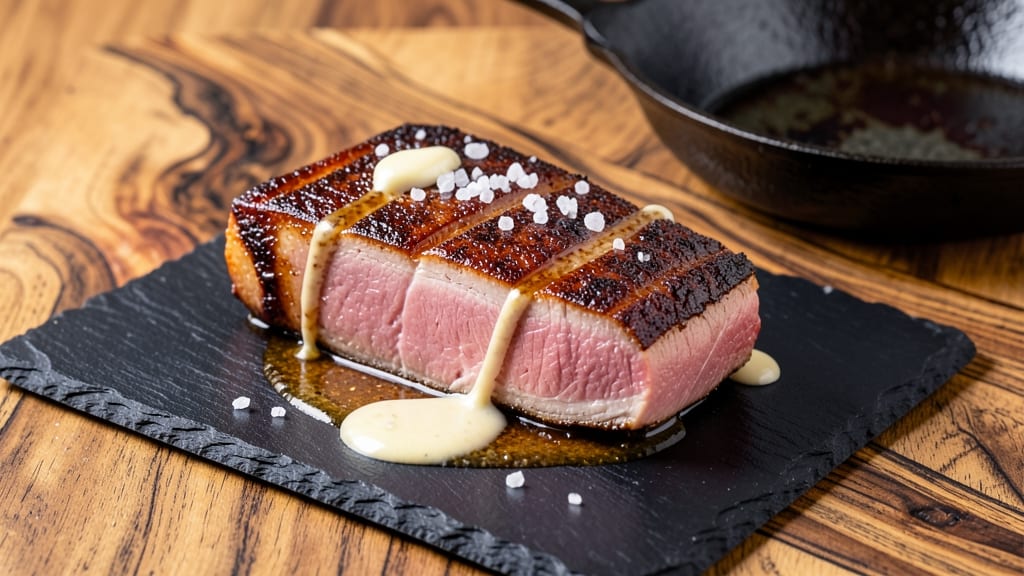
This carnivore diet pork loin recipe delivers melt-in-your-mouth perfection with a zero-carb crust that rivals any restaurant cut. As someone who's cooked 2,000 pounds of pork weekly, I can tell you the secret lies in precise temperature control and heritage pork selection.
The reverse sear method we'll use ensures a crispy exterior while keeping the interior tender and juicy—exactly what carnivore dieters need for maximum protein without carbs.
The beauty of this recipe is its simplicity: just pork loin, salt, and fat—no sugar, no vinegar, no unnecessary ingredients. We'll start with a high-heat sear in cast iron (my preferred tool) before finishing in the oven at a controlled temperature.
This method creates that coveted caramelized crust while maintaining the meat's natural moisture. The result is a protein-packed roast that's as satisfying as it is clean, fitting perfectly into any carnivore meal plan.
What makes this pork loin truly special is how it transforms a simple cut of meat into a restaurant-quality centerpiece using just two techniques: proper searing and controlled roasting. The crust develops through the Maillard reaction, adding depth of flavor without any added sugars or carbs.
This isn't just another pork recipe—it's a carnivore diet game-changer that delivers on both taste and nutritional goals.
Serve this pork loin with a side of garlic butter or bone broth for dipping, and you've got a complete carnivore meal that's as satisfying as it is compliant.
The key to success is using quality pork—preferably from heritage breeds—and paying attention to temperature throughout the cooking process. Let's get started on creating your perfect carnivore dinner.
Ingredients for carnivore diet pork loin
Just three core ingredients transform simple pork into carnivore perfection—heritage pork, salt, and fat working together for zero-carb excellence.
| Ingredient | Amount | Notes |
|---|---|---|
| Heritage Breed Pork Loin 🥩 | 2 lb | Center-cut, 1.5-inch thick |
| Unsalted Butter 🧈 | ½ cup | Cold, cut into 1-inch cubes |
| Diamond Crystal Kosher Salt 🧂 | 1 ½ tbsp | Coarse grain for crust formation |
| Cast Iron Skillet 🍳 | 1 whole | 12-inch diameter preferred |
| Meat Thermometer 🌡️ | 1 whole | Instant-read, probe-style |
| Heavy-Duty Aluminum Foil 📄 | 1 sheet | For tenting during roast |
| Bone Broth 💧 | ½ cup | For basting, optional |
| Garlic Cloves 🧄 | 3 cloves | Minced, for optional butter |
| Fresh Rosemary 🌿 | ¼ cup | Chopped, optional garnish |
The pork loin is everything here. Heritage breed cuts like Duroc or Berkshire deliver superior marbling and tenderness—worth the splurge if you're serious about carnivore. Most butchers will trim it for you, but if buying whole, look for a center-cut roast with 1.5-inch thickness for even cooking. I source mine from local farms or Snake River Farms when I need consistency. The meat should feel firm but springy, with a pale pink color—not gray or yellow. If you're working with conventional pork, pat it dry thoroughly before seasoning to maximize crust formation. The salt? Diamond Crystal kosher is my go-to because the coarse grains adhere better to the meat surface.
No cast iron? Heavy-gauge stainless steel works in a pinch, but cast iron is non-negotiable for that perfect crust. Butter substitutes? Ghee or tallow both work, though butter adds subtle richness. The bone broth is truly optional—just use extra butter if you're skipping it. For the garlic butter topping, minced garlic should sizzle for 30 seconds to develop flavor without burning. If you're serving this for a crowd, double the butter cubes and salt—this recipe scales beautifully. And trust me on the cold butter cubes: they melt dramatically during searing, creating that coveted caramelized crust without steaming the meat.
Pork loin stays fresh 3-4 days in the fridge if wrapped tightly in butcher paper, but I recommend cooking it within 24 hours for peak tenderness. The crust loses its crunch after 24 hours, so reheat only in a 400°F oven for 10 minutes with a fresh butter basting. For meal prep, slice against the grain and store portions in glass containers with parchment between slices—keeps for 5 days. Freeze any leftovers in single portions for up to 3 months—thaw overnight in the fridge before reheating. The rosemary garnish? Add it right before serving to preserve its aroma.
Why You'll Love This Recipe
- One-Pan Magic: That cast iron skillet does all the work—no fancy gadgets, no extra bowls. Just sear the pork, baste with butter, and let the heat do the rest while you sip your coffee. (Yes, even on a Tuesday night.)
- Butter-Kissed Crisp: The secret’s in the butter—slathered on that heritage pork loin until it’s golden and crackling outside, tender as can be inside. That’s the kind of rich, simple flavor that makes you forget about salads.
- Leftovers? No Problem: This recipe actually gives you leftovers—thick slices reheated in the same skillet with a pat of butter taste just as good as day one. Pack them for lunch or freeze them for when you’re too tired to cook.
- Budget-Friendly Protein: Heritage pork loin might sound fancy, but it’s cheaper than you’d think, especially when you’re buying in bulk. One cut feeds the whole family, and the salt and butter are already staples in most kitchens. Smart spending, zero waste.
Step-by-step instructions for high-protein pork loin roast
This method delivers tender, juicy pork with a perfect crust—no carbs, all flavor.
Prepare the Pork for Maximum Crust Formation
Remove the 2 lb heritage breed pork loin from the refrigerator and pat it completely dry with paper towels. This drying step is critical—it ensures the salt adheres properly and creates that coveted crust. Place the pork loin on a wire rack set over a rimmed baking sheet to allow air circulation on all sides.
In a small bowl, combine the 1.5 tablespoons diamond crystal kosher salt with the 3 cloves minced garlic cloves. Rub this mixture generously over the entire surface of the pork loin, pressing firmly so the salt penetrates the outer layer. Let the seasoned pork rest at room temperature for 30 minutes while you preheat your oven. This resting period allows the salt to begin working its magic, drawing out moisture from the surface and creating the ideal environment for crust formation.
Create the Zero-Carb Crust with Butter
Preheat your oven to 425°F. While the oven heats, arrange the 1 whole cast iron skillet upside down on your countertop. This creates a stable, elevated surface for the pork loin. Cut the 0.5 cup unsalted butter into 1-inch cubes and place them evenly around the edges of the skillet—this will create a butter bath that bastes the pork as it roasts.
Carefully transfer the seasoned pork loin to the inverted skillet. The butter cubes will melt and create a flavorful crust while keeping the meat incredibly moist. Place the skillet with pork inside the preheated oven and roast for 20 minutes without opening the door. This initial high-heat sear is what builds that beautiful crust while keeping the interior perfectly tender.
Baste and Monitor for Perfect Doneness
After the initial 20 minutes, remove the pork loin from the oven and carefully pour the melted butter from the skillet back over the meat, basting all sides. Return the pork to the oven and reduce the temperature to 325°F. Continue roasting for an additional 25-30 minutes, or until the internal temperature reaches 145°F when measured in the thickest part of the loin using the meat thermometer.
Here's where attention to detail matters: The pork should have a deep golden-brown crust on the outside while remaining pink and juicy inside. If the crust isn't dark enough after the initial sear, you can increase the oven temperature to 400°F for the final 5 minutes to intensify the color. The bone broth can be used at this stage—brush it lightly over the pork during the last 10 minutes if you prefer a slightly more tender texture.
Rest and Garnish for Optimal Texture
Once the pork reaches the proper internal temperature, remove it from the oven and transfer it to a cutting board. Tent loosely with the heavy-duty aluminum foil and let it rest for 15-20 minutes. This resting period is absolutely essential—it allows the juices to redistribute throughout the meat, ensuring each slice is moist and flavorful.
While the pork rests, you can prepare the optional garnish by finely chopping the 0.25 cup fresh rosemary and sprinkling it over the top just before serving. The rosemary adds a beautiful aroma and subtle herbal note that complements the rich pork without adding any carbs. Slice the pork loin into 1-inch thick medallions and serve immediately, allowing each guest to experience the perfect balance of crispy exterior and tender interior.
Pro Tips For Making Carnivore Diet Pork Loin
- USE A COLD SKILLET START: Heritage pork loin has a tendency to stick like glue, and I learned this the hard way—cold skillet, room-temp meat. Place the skillet on the stove before turning on the heat, then add the pork and let it sit for 30 seconds. This gives the butter time to melt evenly without scrambling into a greasy mess.
- SALT THE MEAT FIRST: Don’t wait until the last second—generously coat the pork loin with kosher salt at least 30 minutes before cooking. The salt needs time to penetrate, and with unsalted butter, you’ll need that extra seasoning to balance the richness. (Yes, even if you’re impatient like me.)
- WATCH THE TEMP SWING: Start the pork loin over medium-high heat, but as soon as it releases from the skillet, drop the heat to medium-low. I used to blast it the whole time, and the outside would burn before the inside hit 145°F. A steady, controlled sear locks in flavor without drying it out.
- REST IT UNDER FOIL: This isn’t the prettiest method, but it’s the tastiest. After pulling the pork from the skillet, tent it loosely with foil and let it rest for 5–10 minutes. Skipping this step means juices pooling on the cutting board instead of redistributing—your knife will thank you.
Make-ahead tips for this recipe
Prep Ahead Strategy
Start by prepping your pork loin the night before for maximum flavor development. Pat it dry thoroughly and apply the 1.5 tbsp kosher salt mixed with minced garlic, then refrigerate uncovered on a wire rack for 12-24 hours.
This dry-brining technique creates an incredible crust while keeping the interior juicy. I do this every time—it's a game-changer for carnivore meals. 💪
Butter Prep Shortcut
Cut your 0.5 cup butter into 1-inch cubes and store them in an airtight container in the fridge. When ready to cook, simply place them around your cast iron skillet as directed. This prep step ensures you're ready to sear immediately when your oven reaches temperature.
For extra convenience, pre-mince the 3 garlic cloves and store them in a small container with the salt mixture.
Oven Preheating Hack
Preheat your oven to 425°F while the pork rests at room temperature. Use this time to position your cast iron skillet upside down on the counter—this creates the perfect elevated surface for even cooking.
I like to place a small baking sheet underneath to catch any butter drips. This setup ensures your pork gets that perfect crust from the moment it hits the oven. ⏰
Make-Ahead Roasting
For a fully make-ahead meal, roast the pork loin completely the day before and store it wrapped in butcher paper at room temperature. When ready to serve, reheat in a 400°F oven for 10 minutes with fresh butter basting.
The crust will re-crisp beautifully, and the meat will stay juicy. This method works perfectly for carnivore meal prep—just slice and serve with your favorite zero-carb sides.
Storage Solutions
Slice the cooked pork loin against the grain into 1-inch medallions and store portions in glass containers with parchment paper between slices. This keeps them from sticking and maintains moisture. The pork will stay fresh in the refrigerator for 5 days or freeze for up to 3 months.
For freezing, portion individual servings to make reheating easier—just thaw overnight in the fridge before reheating.
Carnivore-Friendly Serving
Prepare your serving setup ahead of time with zero-carb accompaniments. Warm bone broth for dipping, melt extra butter for basting, and arrange your fresh rosemary garnish. I like to serve this pork with a side of roasted bone marrow or crispy pork rinds for added texture.
The key is keeping everything simple—just meat, fat, and minimal seasoning to stay true to carnivore principles. 🥩
Nutrition facts
Frequently asked questions
Can I use regular pork loin instead of heritage breed?
Yes, but expect slightly less marbling and tenderness. Look for a center-cut loin with 1.5-inch thickness and 0.5-inch fat cap for best results. Conventionally raised pork will still work well—just pat it extra dry and increase the salt slightly (2 tbsp total) to compensate. The crust will be equally delicious, though the texture may be marginally firmer.
What if my pork loin doesn't develop a crust?
This usually happens from one of three issues: not drying the meat thoroughly, using too little salt, or opening the oven too soon. For a quick fix, increase oven temp to 450°F for the final 5 minutes of cooking. You can also add 1 tbsp extra butter cubes around the skillet during the initial sear. The key is patience—never peek at the pork until the full 20-minute sear is complete.
Is this recipe truly zero-carb compliant?
With just pork, salt, butter, and optional rosemary, this recipe contains 0g net carbs. The bone broth garnish is also zero-carb when made properly. For strict carnivore dieters, skip the rosemary if you're concerned about potential plant compounds. The entire meal fits perfectly within a 100% animal-based diet framework while delivering 40g protein per serving with healthy fats.
How do I adjust this for a larger crowd?
Double the recipe by using a 4 lb pork loin and 1 cup butter (cut into 1-inch cubes). Increase salt to 3 tbsp and use a 14-inch cast iron skillet. The cooking time will extend by about 15-20 minutes—monitor with a meat thermometer until 145°F internal temp. For even larger groups, consider making two separate roasts rather than one giant one to ensure even cooking.