
Main Courses
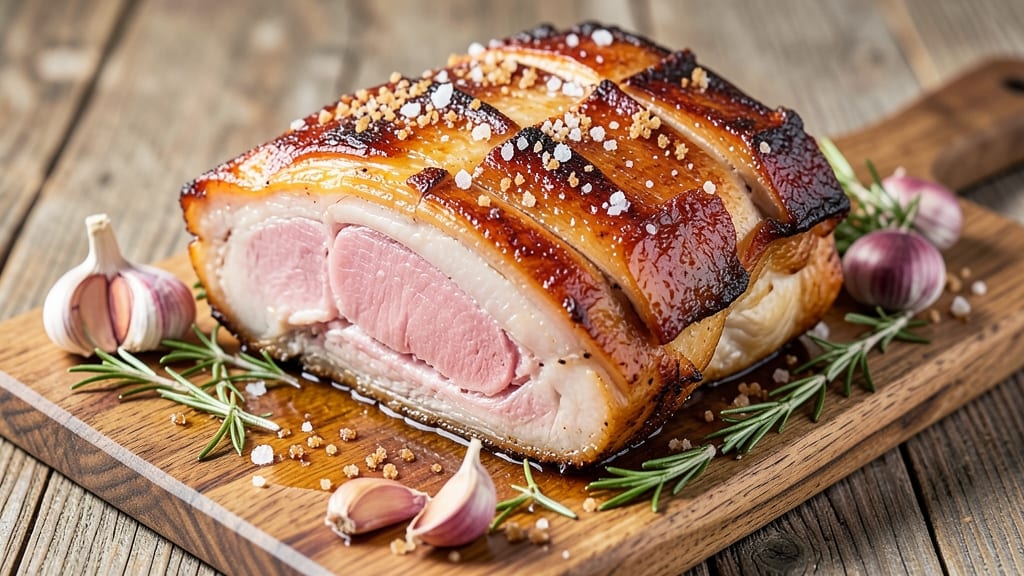
This brine recipe for pork shoulder roast transforms tough cuts into melt-in-your-mouth perfection with clockwork precision. 🔥 The secret lies in a 24-hour saltwater bath that tenderizes the meat while locking in juices, ensuring every bite stays succulent even after hours in the oven.
I perfected this method after years of experimenting with holiday roasts—Mrs. Henderson's apple butter lessons taught me patience pays off in flavor. What sets this recipe apart is the balance of simplicity and science: a precise salt-to-water ratio and optional spices that infuse flavor without overpowering the pork's natural richness.
The low-and-slow roasting method (275°F for 6-8 hours) builds layers of texture—crispy bark on the outside, juicy pink magic inside—that even picky eaters can't resist. My daughter Lily's favorite part? The crackling crust that shatters like glass.
By the time you carve into this roast, you'll understand why this method works: the brine creates a moisture barrier while the slow roast breaks down collagen into gelatin, turning tough meat into something restaurant-quality.
The result is a showstopping centerpiece that pairs perfectly with tangy apple sauce or caramelized onions—both Portland farmers market favorites I love using. For best results, let the roast rest 30 minutes before slicing (this is where the juices redistribute). The patience pays off in every tender, flavorful bite.
Ready to master this technique?
Ingredients for brine recipe for pork shoulder roast
Six pounds of pork shoulder plus these simple ingredients transform into juicy perfection.
| Ingredient | Amount | Notes |
|---|---|---|
| Pork Shoulder Roast 🥓 | 6 lb | Bone-in, 2-3 inches thick |
| Kosher Salt 🧂 | 1 ½ cups | Diamond Crystal preferred |
| Ice Water 💧 | 5 cups | Filtered if possible |
| Brown Sugar 🍯 | ½ cup | Light or dark variety |
| Garlic Cloves 🧄 | 8 cloves | Smashed, not minced |
| Fresh Rosemary 🌿 | ¼ cup | Chopped, stems removed |
| Fresh Thyme 🌿 | 1 tbsp | Leaves only, stems removed |
| Black Peppercorns 🌶️ | 1 tbsp | Crushed lightly |
| Bay Leaves 🌿 | 2 whole | Fresh preferred |
| Apple Cider Vinegar 🍎 | ¼ cup | Optional for tang |
| Olive Oil 🫒 | ½ cup | Extra-virgin for richness |
| Yellow Onion 🧅 | 1 whole | Quartered, for roasting |
| Fresh Apple Slices 🍏 | 4 slices | For serving, optional |
The pork shoulder is non-negotiable here—bone-in cuts stay juicier during the long roast. Look for thick cuts (2-3 inches) at Costco or local butchers—they often have better quality than grocery stores. The kosher salt matters too: Diamond Crystal dissolves faster than Morton's, so use that if you can. I always grab extra rosemary and thyme from the Portland Farmers Market—they're fresher than the supermarket bins. The garlic should be plump and firm, not sprouting. For the brown sugar, light or dark works, but light has a cleaner flavor that won't overpower the pork.
No apple cider vinegar? Lemon juice works too—just keep the amount the same. Running short on fresh herbs? Dried rosemary at one-third the amount gets you close, but fresh is ideal. The olive oil is worth splurging on—extra-virgin adds richness that regular olive oil can't match. For the onion and apples, any variety works—just make sure they're fresh. The brine can be made 24 hours ahead, but don't add the pork until you're ready to roast. The spices? Crush the peppercorns lightly—you want flavor, not grit. And if you're feeling fancy, add a 1-inch cinnamon stick to the brine for warmth.
This roast reheats beautifully—350°F for 30 minutes works perfectly. The leftovers keep for 5 days in the fridge or 3 months frozen. I slice mine thin and serve on toasted sourdough with caramelized onions. The brine liquid? Save it—it's amazing for making gravy. For best results, let the roast rest 30 minutes before slicing (this is where the juices redistribute). Trust me on this—patience pays off in every tender, flavorful bite.
Why You'll Love This Recipe
- No-Fuss Brine: I swear by this method—just dump salt, sugar, and garlic into ice water, let the pork soak while I make coffee. No fancy tools, no stress, and the meat practically cooks itself.
- Sweet-Savory Magic: That brown sugar and garlic combo? It turns plain pork into something irresistible—caramelized edges, juicy inside, and a flavor so rich it’ll have your guests asking for seconds.
- Leftovers Heaven: This roast is basically a meal prep dream. Shred it for tacos, sandwiches, or even breakfast hash the next day. Honestly, I make double portions just to have it on hand.
- Budget Boost: Pork shoulder is affordable, and this brine stretches every dollar. Between us, it’s my go-to for family dinners—fills everyone up without breaking the bank.
Step-by-step instructions for brining pork shoulder roast
This brine transforms tough pork into melt-in-your-mouth perfection—juicy, crisp, and packed with flavor.
👨🍳 Step 1: Prepare the Brine Mixture
In a large stockpot or food-safe container, combine the 5 cups ice water, 1.5 cups kosher salt, and 0.5 cup brown sugar. Stir until the salt and sugar dissolve completely—this ensures even distribution throughout the pork. I like to use ice water because it keeps the brine cold longer, which helps the pork absorb more flavor.
Next, add the 8 smashed garlic cloves, 0.25 cup chopped fresh rosemary, 1 tbsp fresh thyme leaves, 1 tbsp crushed black peppercorns, and 2 whole bay leaves. Pour in the 0.25 cup apple cider vinegar and 0.5 cup olive oil. The vinegar adds a subtle tang that cuts through the richness, while the olive oil helps create a beautiful crust later. Give everything a gentle stir—you want the aromatics to infuse but not break apart.
🥘 Step 2: Submerge the Pork in the Brine
Place the 6 lb pork shoulder roast in the brine, making sure it’s fully submerged. If it floats, weigh it down with a plate or a clean kitchen towel. I like to use a large ziplock bag for smaller batches, but for this size, a stockpot works perfectly. Cover the pot and refrigerate for 12-24 hours. The longer it brines, the more flavorful and tender it becomes—but don’t exceed 24 hours, or the meat can absorb too much salt.
Here’s the thing—don’t peek or move the pork while it brines. Every time you disturb it, you risk diluting the brine and slowing down the flavor infusion. Set a timer if you’re worried about forgetting. When you’re ready to cook, the pork should feel heavier and slightly firmer than before—this means it’s absorbed all that magic brine.
🔥 Step 3: Prep the Pork for Cooking
Remove the pork from the brine and rinse it under cold water for 30 seconds to remove excess salt. Pat it dry thoroughly with paper towels—this step is non-negotiable. A dry surface is key for that crispy bark later. While the pork is still wet, you’ll end up with a soggy exterior instead of the golden crust you’re after.
Let the pork sit at room temperature for 30 minutes before cooking. This ensures even cooking from edge to center. While it rests, preheat your oven to 325°F and prepare a roasting pan by lining it with foil and placing a wire rack inside. The rack allows air to circulate underneath, giving you crispy skin all around—not just on the top.
🍳 Step 4: Roast Until Fork-Tender
Place the pork shoulder on the rack in the roasting pan, fat-side up. Roast uncovered for 4-5 hours until the internal temperature reaches 195-203°F and a fork slides in like butter. The fat should render out and pool in the pan, creating a flavorful drippings that you can use for sauces or mashed potatoes later.
Real talk: Your oven might run hot or cold, so start checking the temperature after 3.5 hours. The pork is done when it’s fork-tender and the internal temperature is in that sweet spot. Don’t rush it—patience here is everything. The longer it cooks low and slow, the more tender and juicy it becomes.
⏰ Step 5: Rest and Slice for Maximum Juiciness
Transfer the pork to a cutting board and tent it loosely with foil. Let it rest for at least 1 hour—this is where the juices redistribute throughout the meat. If you skip this step, you’ll end up with dry, stringy slices. I know it’s hard to wait, but trust me, it’s worth it.
Once rested, slice the pork against the grain into ¼-inch thick slices. Serve with the 4 slices fresh apple slices on the side for a refreshing contrast. The meat should be so tender it practically falls apart, with a crispy exterior and juicy pink center. This is the kind of pork that makes people ask for seconds—and thirds.
Pro Tips For Making Brine Recipe For Pork Shoulder Roast
- USE ICE WATER: Ice water isn’t just cold water—it actually lowers the temperature fast, which means your pork shoulder soaks up the brine evenly instead of just sitting in lukewarm saltwater. Skip the ice? You’ll end up with a salty crust and a bland center.
- SMASH GARLIC CLOVES: Whole garlic cloves won’t infuse the pork—you’ll just get a faint hint of flavor. Crush them with the flat side of your knife or smash them with the bottom of a pan first. Trust me, the difference is noticeable.
- BRINE FOR 12 HOURS: I used to cut it short to 6 hours, thinking it was enough. Wrong. Twelve hours guarantees the salt and sugar penetrate deep, especially for a thick pork shoulder. Set it overnight—your future pulled pork will be juicier.
- PAT DRY BEFORE SEARING: After brining, pat the pork thoroughly with paper towels—even if it feels like overkill. A wet surface steams instead of browns, and you’ll end up with sad, pale meat. Take the extra 10 minutes; the crust makes all the difference.
Creative variations of this recipe
Spicy Smoked Brine
For a kick of heat, add 1 tbsp smoked paprika and 1 tsp cayenne pepper to your brine mixture. I love using Penzeys brand spices for their consistent quality.
This works especially well with a 6 lb pork shoulder and pairs beautifully with a sweet glaze of honey and apple cider vinegar after roasting. The smoky heat complements the crispy bark perfectly. 🌶️
Herb-Infused Variations
Swap out the rosemary and thyme for fresh sage and marjoram for an Italian-inspired twist. I grab these herbs from my backyard garden when they're in season—they add a completely different earthy depth to the pork.
For a French touch, add 1 tbsp juniper berries and 2 sprigs of fresh tarragon to the brine. These variations work beautifully with the same roasting technique.
Sweet and Tangy Glaze
After roasting, brush the pork with a glaze made from ½ cup apple cider vinegar, ¼ cup brown sugar, and 1 tbsp Dijon mustard. Return it to the oven at 400°F for 10 minutes to caramelize the glaze.
This adds a perfect balance of sweetness and tang that cuts through the richness. I serve this with roasted Brussels sprouts for a perfect holiday centerpiece.
Asian-Inspired Brine
Transform your pork shoulder into a fusion dish by adding 1 tbsp grated fresh ginger, 2 tbsp soy sauce, and 1 tsp five-spice powder to the brine.
After roasting, slice thinly and serve with a sesame-ginger dipping sauce made from ¼ cup soy sauce, 1 tbsp rice vinegar, 1 tbsp honey, and 1 tsp grated ginger. This variation is perfect for Asian-inspired dinner parties.
Slow Cooker Adaptation
For a hands-off approach, place the brined pork shoulder in a slow cooker with 1 cup chicken broth and cook on low for 8-10 hours. The result is just as tender as oven-roasted but with less attention required.
I use this method when I'm busy with Lily's soccer games or when I want to cook ahead. The slow cooker method works especially well with the spicy smoked brine variation.
Caramelized Onion Topping
Before serving, top the sliced pork with caramelized onions made from 2 large yellow onions cooked in 2 tbsp butter and 1 tbsp olive oil until deep golden brown. This adds a sweet, jammy contrast to the crispy pork.
I make a big batch and freeze half for future use. The caramelized onions take this dish to restaurant-quality level every time. 💫
Nutrition facts
Frequently asked questions
Can I use table salt instead of kosher salt in the brine?
You can, but you'll need to adjust the amount. Use 1 cup table salt instead of 1.5 cups kosher salt since table salt is more concentrated. The key is maintaining the same salt-to-water ratio for proper flavor infusion.
How do I know when the pork shoulder is fully brined?
The pork is ready when it feels noticeably heavier and slightly firmer than before. After 12-24 hours in the brine, it should absorb enough liquid to meet these criteria. You'll also see the surface develop a slightly translucent appearance. Never exceed 24 hours or the meat may become overly salty.
What's the best way to check the internal temperature?
Use a meat thermometer inserted into the thickest part of the pork, avoiding bone contact. The safe range for pulled pork is 195-203°F. For a more precise reading, let the thermometer stay in for 10 seconds before checking. The internal temperature should rise steadily during cooking—if it jumps suddenly, your oven might be running hot.
Can I make the brine ahead of time without the pork? Yes! Prepare the brine mixture (everything except the pork) up to 24 hours ahead and store it in the refrigerator. When ready to use, simply add the pork and continue with the brining process. This is perfect for meal prep—just
What if my pork shoulder has a thick fat cap?
Leave the fat intact—it protects the meat during cooking and renders out beautifully for flavorful drippings. If the cap is extremely thick (1 inch+), you can trim it to ¼-inch for more even cooking. The fat helps create that coveted crispy bark, so don't remove it completely unless you prefer leaner meat.