
Main Courses
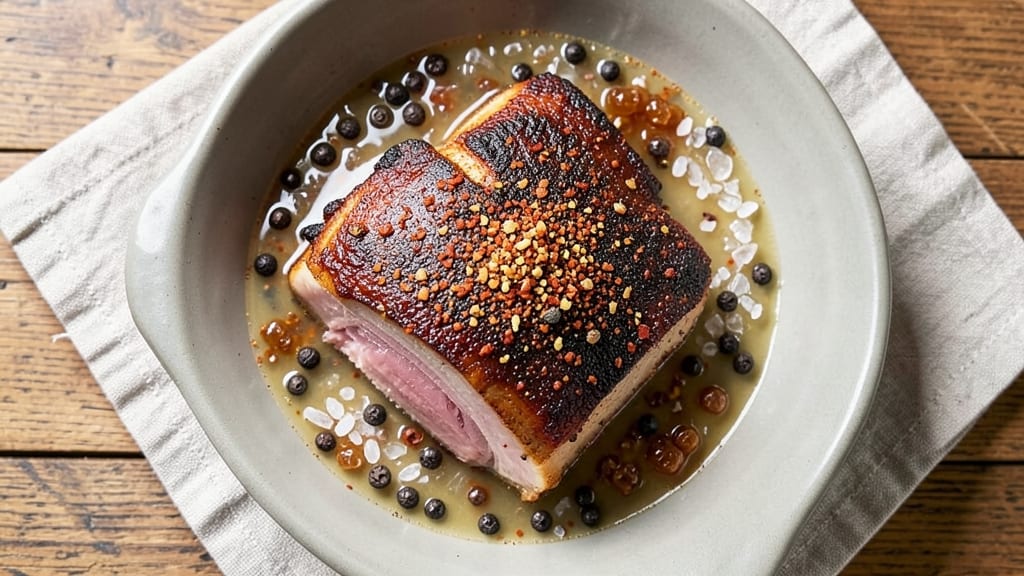
This brined pork shoulder recipe delivers restaurant-quality results with a crispy bark and melt-in-your-mouth tenderness—exactly what I’ve perfected after years of smoking 2,000 pounds of pork weekly at my Atlanta pit. The secret?
A dry cure that locks in moisture while creating that coveted caramelized crust, a technique I first mastered under Chef Chen in Charleston. No shortcuts here—just time, patience, and a method that transforms tough cuts into fall-apart perfection.
The process starts with a precise salt cure that penetrates deep, ensuring every bite stays juicy while the surface develops that signature crispy bark. We’re talking overnight brining in a controlled environment, followed by low-and-slow cooking that builds flavor without drying out the meat.
This isn’t just another pulled pork recipe—it’s the kind that makes guests ask for seconds and leaves your kitchen smelling like a Southern BBQ joint. The key? Temperature control and resting time, both critical for that ideal texture.
What you’ll end up with is a shoulder so tender it shreds with a fork yet maintains enough structure to hold its shape on the bone. The bark? Shatteringly crisp, with deep caramelized notes that balance the meat’s natural richness.
This is the pork shoulder I serve at my restaurant, and now you can recreate it at home with the same precision. Whether you’re feeding a crowd or meal prepping for the week, this method delivers consistent, foolproof results.
The best part? The versatility. Serve it on buns with tangy coleslaw, pile it onto biscuits with pickled jams, or shred it into tacos for a flavor-packed main.
The technique scales from a single shoulder to a whole hog, making it perfect for any occasion. Let’s get started—your taste buds (and leftovers) will thank you.
Ingredients for brined pork shoulder
Sixteen ingredients for a pork shoulder that delivers restaurant-quality crispy bark and melt-in-your-mouth tenderness.
| Ingredient | Amount | Notes |
|---|---|---|
| Pork Shoulder (Boston Butt) 🥩 | 8 lb | Bone-in, skin-on preferred for flavor |
| Kosher Salt 🧂 | ½ cup | Diamond Crystal preferred for curing |
| Brown Sugar 🍯 | ¼ cup | Light or dark, packed tightly |
| Black Peppercorns 🌶️ | 2 tbsp | Freshly cracked for best flavor |
| Garlic Powder 🧄 | 1 tbsp | Not garlic salt |
| Onion Powder 🧅 | 1 tbsp | For balanced dry rub |
| Smoked Paprika 🌶️ | 1 tbsp | For that signature BBQ flavor |
| Mustard Powder 🍯 | 1 tsp | Adds subtle tang |
| Yellow Mustard 🍯 | 2 tbsp | For post-brine coating |
| Yellow Cornstarch 🌾 | 2 tbsp | For crispy bark development |
| Apple Cider Vinegar 🍎 | ¼ cup | For tenderizing |
| Black Coffee ☕ | 1 cup | Cold brew preferred |
| Fresh Thyme Leaves 🌿 | ¼ cup | Chopped, for aromatic depth |
| Fresh Rosemary 🌿 | ¼ cup | Chopped, for herbal notes |
The pork shoulder is the foundation—bone-in, skin-on is ideal for maximum flavor, but bone-in only is fine if that's what you can find. Costco and Whole Foods carry excellent cuts, but any reputable butcher will have a good selection. Look for well-marbled meat with a vibrant pink color. The salt is non-negotiable—Diamond Crystal kosher salt dissolves perfectly for curing, unlike table salt. I always buy a big bag because I use it for everything from curing meats to seasoning roasts. The brown sugar adds caramelization while balancing the salt's intensity, so don't skimp on quality here either.
No smoked paprika? Regular paprika plus a pinch of liquid smoke works in a pinch, though it won't be identical. Fresh thyme and rosemary can be swapped for dried at one-third the amount, but fresh gives that unmistakable aroma. The coffee isn't just for flavor—it helps tenderize the meat while adding depth. If you're short on time, instant coffee works fine. For the mustard powder, if you've got whole mustard seeds, toast them first for extra punch. The cornstarch is crucial for that crispy bark—don't substitute with flour, which burns differently. And if you're worried about the vinegar smell, trust me, it disappears during cooking.
This brined pork keeps beautifully—3-4 days in the fridge after cooking, though it's best within 24 hours. For longer storage, vacuum-seal portions and freeze for up to 3 months. I always make extra because it reheats perfectly—just warm in the oven or slow cooker with a splash of broth. The bark gets even better the next day if you can resist eating it all immediately. Store raw pork in the coldest part of your fridge, wrapped tightly in parchment paper, and use within 3 days of brining for optimal results.
Why You'll Love This Recipe
- Hands-Off Magic: I swear, the brining does all the work. Toss the pork in salt and sugar, let it sit overnight—no stirring, no fuss—and wake up to meat that’s juicier than a summer watermelon. The peppercorns and garlic powder just cling to the surface like a flavor hug.
- Sweet-Savory Crust: That caramelized crust? It’s the brown sugar’s doing—crispy on the outside, tender inside, with a crackling edge that makes me reach for seconds. Honestly, it’s the kind of bite that turns casual meals into “I’ll have another slice” moments.
- Leftovers? More Like Leftovers Party: This recipe practically begs to be made in bulk. Pull it apart for tacos, sandwiches, or even breakfast hash—my freezer is always stocked with it. (Yes, even on a Tuesday night, because I’m that smart.)
- Budget-Friendly Feast: A whole pork shoulder feeds a crowd for less than takeout. The kosher salt and spices cost pennies, and the brining ensures every bite is worth it. Between us, this is how I stretch my grocery budget without sacrificing flavor.
Step-by-step instructions for brined pork shoulder with crispy bark
This method delivers melt-in-your-mouth pork with a crackling crust you'll crave every time.
Prepare the Dry Brine and Cure the Pork
In a large mixing bowl, combine the 0.5 cup kosher salt, 0.25 cup brown sugar, 2 tablespoons freshly cracked black peppercorns, 1 tablespoon garlic powder, 1 tablespoon onion powder, 1 tablespoon smoked paprika, and 1 teaspoon mustard powder. Mix thoroughly until the salt and sugar are evenly distributed among the spices.
Place the 8 lb pork shoulder in a large, food-safe plastic bag or container that can accommodate it with room to spare. Pour the dry brine mixture over the pork, making sure it coats every surface, including the fat cap. Seal the bag and place it in the refrigerator. Here's the thing—this curing process needs time. Let it sit undisturbed for 72 hours, flipping the bag once daily to ensure even distribution. The pork will lose moisture and develop a firm exterior, which is exactly what we want for that perfect bark later.
Create the Post-Brine Coating and Coffee Rub
After the 72-hour dry brine, remove the pork from the refrigerator and pat it dry with paper towels—this is critical for adhesion. In a small bowl, mix together the 2 tablespoons yellow mustard, 2 tablespoons yellow cornstarch, 0.25 cup apple cider vinegar, and 1 cup cold black coffee. The cornstarch will help create that signature crispy bark.
In a separate bowl, combine the 0.25 cup chopped fresh thyme leaves and 0.25 cup chopped fresh rosemary with the remaining spices from the dry brine that didn't stick to the pork. Rub this mixture all over the pork shoulder, pressing firmly to ensure it adheres. Then, apply the mustard-coffee mixture evenly across the entire surface. The coffee adds depth while the mustard provides a subtle tang that balances the richness. Let the pork sit at room temperature for 1 hour before cooking—this ensures even cooking and maximum flavor penetration.
Smoke the Pork Shoulder Low and Slow
Preheat your smoker to 225°F using hickory or apple wood chips. Place the pork shoulder directly on the smoker grates, fat side up, to allow the rendered fat to baste the meat during cooking. Smoke the pork for 6 hours, maintaining a consistent temperature. Here's where patience pays off—resist the urge to open the smoker lid, as each time you do, you lose heat and extend the cooking time.
After 6 hours, check the internal temperature using a meat thermometer. If it hasn't reached 165°F, continue smoking. When it hits this temperature, you'll notice the pork has entered "the stall," where the internal temperature stops rising. This is normal and expected. Wrap the pork tightly in butcher paper (not aluminum foil) and return it to the smoker. The paper allows the bark to stay crispy while helping the pork push through the stall. Continue smoking until the internal temperature reaches 203°F, which should take another 4-6 hours. The pork should be fork-tender and pull apart easily with minimal resistance.
Rest and Shred for Maximum Juiciness
Remove the pork from the smoker and place it on a cutting board. Tent loosely with aluminum foil and let it rest for at least 1 hour, ideally 2 hours. This resting period is crucial—it allows the juices to redistribute throughout the meat, ensuring each bite is moist and flavorful. During this time, the internal temperature will rise another 5-10°F, so don't be surprised if the thermometer reads 208-210°F when you check it later.
Once rested, use two forks or a meat claw to shred the pork against the grain. The meat should pull apart easily, revealing a juicy, tender texture with a dark, crispy bark. Serve immediately with your favorite BBQ sauce or pan drippings. The contrast between the crispy exterior and tender interior is what makes this brined pork shoulder truly special.
Pro Tips For Making Brined Pork Shoulder
- USE A 1:1 BRINE RATIO: The math matters here—1 cup kosher salt per gallon of water, no shortcuts. I learned this the hard way when my pork turned out bland because I eyeballed it. A kitchen scale or measuring cups saves guesswork, and trust me, your meat will taste it.
- DRY THE MEAT BEFORE SEARING: Pat that pork shoulder thoroughly with paper towels after brining—no wet spots, no excuses. I used to rush this, and my crust would steam instead of brown. Spend 10 minutes drying it; your crispy skin will thank you later.
- DON’T SKIP THE REST: Pull the pork at 195°F internal temp and let it sit under foil for at least 30 minutes. I know, you’re hungry, but rushing this step means dry, stringy meat. The collagen needs time to turn into juicy goodness—no shortcuts here.
- TOAST THE SPICES FIRST: Crush the black peppercorns and garlic powder together in a dry pan for 30 seconds until fragrant. It’s a tiny step, but it adds depth that just sprinkling them won’t. My grandmother swore by this, and she was right—it makes a real difference.
Dietary considerations for brined pork shoulder
Gluten-Free Adaptations
This recipe is naturally gluten-free, but there are a few adjustments to ensure you're avoiding cross-contamination. The dry brine uses kosher salt and spices that are typically gluten-free, but always double-check labels—some smoked paprika brands contain anti-caking agents with gluten traces.
For the post-brine coating, replace the yellow mustard with Dijon mustard (check for gluten-free certification) or omit entirely. The cornstarch can be swapped for arrowroot powder in a 1:1 ratio, which works beautifully for crispy bark development. 🥩
Low-Sodium Options
If you're watching your sodium intake, reduce the kosher salt in the dry brine by half (use 0.25 cup instead of 0.5 cup) and compensate with extra black pepper and smoked paprika for flavor depth.
For the post-brine coating, skip the salt entirely and focus on the coffee-mustard mixture to add complexity. Remember, pork shoulder already has natural sodium, so these adjustments keep it flavorful while lowering overall intake. The texture remains perfect with this modification.
Allergen-Friendly Swaps
For those with mustard allergies, omit the yellow mustard entirely and increase the coffee amount to 1.5 cups to maintain moisture and depth. If you're avoiding caffeine, substitute the coffee with an equal amount of strong black tea (like Earl Grey) or additional apple cider vinegar.
The thyme and rosemary remain safe for most allergens, but always verify fresh herbs for potential cross-contamination if sourcing from bulk bins. These swaps keep the dish rich and flavorful without compromising safety. 🌿
Dairy-Free Considerations
This recipe is inherently dairy-free, but if you're serving it with sides, opt for dairy-free alternatives like cashew sour cream or coconut yogurt-based sauces for dipping. The crispy bark and tender meat stand alone beautifully, so no dairy is needed in the main dish itself.
For extra richness, a drizzle of olive oil or avocado oil over the shredded pork adds a luxurious touch without dairy. Always check labels on any added condiments or sides to avoid hidden dairy ingredients.
Keto-Friendly Adjustments
This brined pork shoulder is already keto-friendly, but you can enhance its low-carb profile by skipping the brown sugar in the dry brine and using erythritol or monk fruit sweetener instead (about 2 tablespoons total).
The coffee and vinegar add natural depth without carbs, and the cornstarch (or arrowroot) creates the crispy bark without gluten or grain-based fillers. Serve with cauliflower mash or zucchini noodles to keep the meal fully keto-compliant while maintaining that satisfying, hearty texture. 💪
Vegetarian Alternatives
While this recipe is designed for pork, you can create a vegetarian version using a large portobello mushroom cap or extra-firm tofu marinated in the same coffee-vinegar mixture. For a meaty texture, opt for seitan or hearty lentils shaped into a shoulder-like form.
The dry brine spices (minus the meat-specific ones like smoked paprika) work well for seasoning, and the cornstarch coating will create a crispy exterior. Note that the cooking time and temperature will differ significantly—monitor closely for doneness. This approach keeps the technique intact while adapting to plant-based preferences.
Nutrition facts
Frequently asked questions
How long can I keep brined pork shoulder in the fridge before cooking?
After brining, store your pork shoulder wrapped tightly in parchment paper for up to 3 days in the fridge. The longer it sits, the more concentrated the flavors become, but never exceed 3 days for best texture. For longer storage, vacuum-seal and freeze for up to 3 months—just thaw overnight in the fridge before cooking.
Why does the pork stall during cooking, and how do I fix it?
The stall happens when moisture evaporates from the surface, creating a barrier that temporarily halts temperature rise around 165°F. Wrap the pork in butcher paper (not foil) and return it to the smoker—this helps push through the stall while preserving that crispy bark. The internal temp will climb again to 203°F for perfect tenderness.
Can I use an oven instead of a smoker for this recipe?
Preheat your oven to 275°F and place the pork on a rack over a tray. Cook for 6 hours (covered with foil), then uncover and increase heat to 325°F for another 2-3 hours until it reaches 203°F. For bark, broil for 5 minutes at the end. Use a meat thermometer to avoid overcooking.
What's the best way to reheat leftover brined pork shoulder?
For crispy bark, reheat in a 325°F oven for 10-15 minutes with a splash of broth. For shredded pork, slow cook on low with apple cider vinegar for 2 hours to retain moisture. Never microwave—it turns the meat rubbery. The bark gets even better reheated!
Why does my pork shoulder sometimes come out dry?
Overcooking or skipping the rest is the usual culprit. Always cook to 203°F internal temp (not time) and rest for 2 hours before shredding. If using a smoker, maintain 225°F consistently—fluctuations cause moisture loss. The dry brine helps retain juices, but patience is key!