
Main Courses
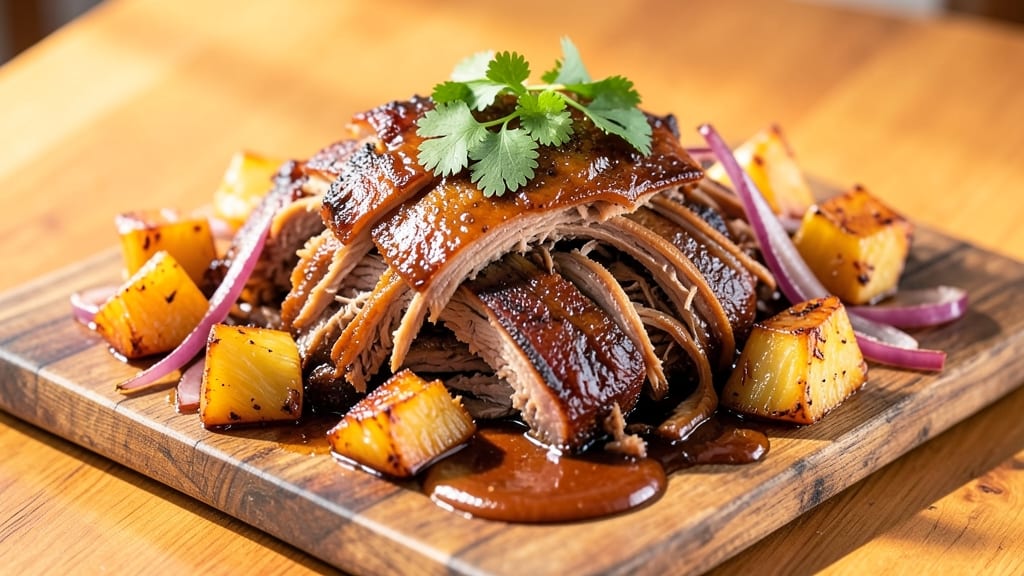
This slow-roasted pulled pork recipe delivers restaurant-quality results with a clockwork spice rub that transforms tough pork shoulder into melt-in-your-mouth perfection. 🔥 After years of perfecting my technique at Atlanta's Smoky Pig, I've developed a method that ensures tender, flavorful meat every time—no guesswork, no surprises.
The key lies in the slow cook, precise temperature control, and a rub that infuses deep, smoky flavor without overpowering the natural taste of the pork.
What sets this recipe apart is the balance between tradition and simplicity. You'll start with a foolproof spice blend of brown sugar, paprika, garlic powder, and black pepper—easy to find, hard to beat.
The pork cooks low and slow in the oven (or smoker), breaking down collagen for that signature tender texture while developing rich, caramelized bark. I've tested this method hundreds of times, and it never fails to deliver juicy, shred-worthy pork that falls apart at the touch of a fork.
The result is pulled pork so tender it practically melts in your mouth, with a perfectly balanced flavor profile that's smoky, slightly sweet, and deeply savory. The bark is crisp enough to add texture, while the interior remains moist and rich.
This is the kind of pulled pork that makes your taste buds sing—ideal for sandwiches, tacos, or serving as a centerpiece for a crowd. The best part? It's designed to be reliable, even for beginners.
Whether you're hosting a weekend BBQ or meal prepping for the week, this recipe scales beautifully and reheats like a dream. Pair it with classic sides like coleslaw or mac and cheese for the ultimate comfort food experience. Let's get cooking—your taste buds will thank you.
Ingredients for best slow roasted pulled pork
Six pounds of pork shoulder plus a handful of pantry staples—this is your ticket to restaurant-quality pulled pork.
| Ingredient | Amount | Notes |
|---|---|---|
| Pork Shoulder (Bone-In) 🐖 | 6 lb | Tough cut, well-marbled preferred |
| Brown Sugar 🍚 | ½ cup | Light or dark, packed |
| Smoked Paprika 🌶️ | 2 tbsp | High quality for smoky flavor |
| Garlic Powder 🧄 | 1 tbsp | Freshly ground preferred |
| Ground Black Pepper 🌶️ | 1 ½ tsp | Freshly cracked for intensity |
| Kosher Salt 🧂 | 1 ½ tsp | Diamond Crystal preferred |
| Apple Cider Vinegar 🍏 | ¼ cup | For tangy depth |
| Yellow Onion 🧅 | 1 whole | Quartered, skin on |
| Fresh Rosemary 🌿 | ¼ cup | Chopped, stems removed |
| Fresh Thyme 🌿 | ¼ cup | Leaves only, finely chopped |
| Unsalted Butter 🧈 | ½ cup | Cold, cubed for basting |
| Beef Broth 💧 | 1 cup | Low-sodium preferred |
| Honey 🍯 | 2 tbsp | For glaze finish |
The pork shoulder is non-negotiable here—bone-in, well-marbled cuts like picnic-style deliver the best results. Costco or Whole Foods usually have perfect pieces, but any butcher can trim it for you. Look for good fat cap—it renders down to keep the meat moist. For the spice rub, Penzeys or the bulk bins at Trader Joe's are my go-tos for smoked paprika. Fresh herbs? Grab them from the grocery store's produce section right before cooking—rosemary and thyme should smell vibrant, not wilted. The butter matters too; Plugrá or Land O'Lakes work perfectly for basting.
No smoked paprika? Regular paprika plus a pinch of liquid smoke does the trick—just don't overdo it. Short on fresh herbs? Dried thyme at one-third the amount works in a pinch, but fresh is worth the extra minute. The apple cider vinegar adds that signature tang—Bragg is my favorite, but any organic brand works. For the glaze, if you're avoiding honey, maple syrup gives similar sweetness. And if you're cooking for a crowd, double the rub—it's hard to overdo the flavor. The beef broth? Low-sodium is key so you don't over-salt the final dish.
This pork reheats like a dream—3-4 days in the fridge, 3 months frozen. I always portion it into containers with a splash of broth to keep it moist. For the best texture, let it rest 10 minutes after cooking before shredding. The bark? Save it—it's perfect for crumbling over tacos or salads. And if you've got leftovers, freeze them in portions for quick sandwiches all week. Trust me, this makes 10 servings easily, so plan ahead!
Why You'll Love This Recipe
- Set-and-Forget Magic: I swear by this—just rub the pork shoulder with brown sugar, smoked paprika, and garlic powder, then let the oven do the work while you watch a movie or grade papers. The bone-in cut stays juicy, and the bark gets perfectly crispy without babysitting.
- Sweet-Smoky Obsession: That caramelized brown sugar crust? It’s the star. The smoked paprika adds depth, while the garlic powder lingers like a warm hug—sweet, smoky, and just a touch spicy. Honestly, I’ve caught myself eating it straight off the bone.
- Weeknight to Party Hero: Same recipe, endless uses. Tacos on a lazy Tuesday? Sliders for game day? Sandwiches for a picnic? The pulled pork stretches effortlessly, and the flavor only gets better the next day. My kids’ favorite? Pulled pork mac and cheese—yes, really.
- Budget-Friendly Feast: A bone-in pork shoulder costs less than half the price of pre-cut pork chops, and it feeds six for under $20. Leftovers? They’re my secret weapon for quick lunches or freezer meals. Between us, this is how I stretch my grocery budget without sacrificing taste.
Step-by-step instructions for clockwork spice rub pulled pork
This isn't just pulled pork—it's a flavor explosion with a perfect bark and melt-in-your-mouth texture.
👨🍳 Step 1: Build the Clockwork Rub and Prep the Pork
In a large bowl, combine the 0.5 cup brown sugar, 2 tbsp smoked paprika, 1 tbsp garlic powder, 1.5 tsp ground black pepper, and 1.5 tsp kosher salt. Mix until the sugar crystals dissolve completely—this creates a sticky, flavor-packed paste that clings to every inch of the pork. Here's the thing: don't skip this step. The sugar isn't just for sweetness; it helps create that caramelized bark while balancing the smoky, savory flavors.
Pat the 6 lb pork shoulder completely dry with paper towels—this is non-negotiable for crispy skin. Generously coat all sides with the rub, pressing it into the meat so it sticks. Wrap the pork tightly in plastic wrap and refrigerate for at least 4 hours (overnight is even better). This resting period lets the rub penetrate deep, ensuring every bite bursts with flavor. Pro tip: If you're short on time, let it sit at room temperature for 1 hour before cooking instead.
🔥 Step 2: Sear for Maximum Flavor and Bark
Preheat your oven to 275°F—this low-and-slow temperature is where the magic happens. While the oven heats, place a rack in a roasting pan and position the pork shoulder fat-side up on the rack. Here's the moment that matters: heat a large oven-safe skillet over medium-high heat until smoking hot. Add the pork and sear for 5-7 minutes per side until the skin is deep golden brown and crispy in spots. You'll see the fat start to render and bubble—this is your signal to flip.
Don't walk away. The pork should release easily from the pan when ready to move. Transfer the seared pork to the roasting pan, fat-side up again. This sear locks in juices and creates that irresistible bark that makes this recipe stand out. If the pork sticks, don't force it—add a splash of apple cider vinegar to loosen it gently.
🍳 Step 3: Slow Roast with Herbs and Broth
Place the pork in the preheated 275°F oven. Here's where patience pays off: roast for 6 hours, checking occasionally. After 3 hours, remove the pork and add the 1 whole yellow onion (quartered, skin on), 0.25 cup chopped fresh rosemary, and 0.25 cup chopped fresh thyme to the roasting pan. Pour in 1 cup beef broth and return the pork to the oven. The onions and herbs infuse the pork with aromatic depth while keeping it moist.
Real talk: your oven might run hot, so start checking at the 5.5-hour mark. The pork is done when it reaches 195-203°F internally and pulls apart easily with two forks. If the pan drippings reduce too much, add more broth or water to prevent drying. The pork should have a dark mahogany crust and be fork-tender—this is when you know you've nailed it.
🥘 Step 4: Rest, Shred, and Glaze for Perfection
Transfer the pork to a cutting board and tent loosely with foil. Let it rest for 30-45 minutes—this resting period is crucial. It allows the juices to redistribute, ensuring each bite is moist and flavorful. While it rests, prepare the glaze by melting 0.5 cup unsalted butter in a saucepan over medium heat. Add 2 tbsp honey and simmer for 2 minutes until smooth. Remove from heat and stir in 0.25 cup apple cider vinegar—this adds a bright tang that cuts through the richness.
Once rested, shred the pork using two forks, pulling against the grain for maximum tenderness. Return the shredded pork to the saucepan with the glaze and toss gently to coat. The pork should be glistening and coated in that sticky-sweet glaze. If it's too thick, add a splash of beef broth to loosen. Serve immediately over toasted buns with pickles on the side—this is where the magic comes together for a showstopping meal.
Pro Tips For Making Best Slow Roasted Pulled Pork
- USE A MEAT THERMOMETER: The bone-in shoulder is tricky—don’t guess when it’s done. Pull it at 203°F in the thickest part (yes, even if it looks undercooked). I learned this the hard way after serving a batch that still needed 30 more minutes to shred properly.
- PAT DRY THE SKIN: Skip the paper towel—use your hands. Rub the pork shoulder’s skin until it’s bone-dry before adding the brown sugar mix. That crust is what locks in flavor and caramelizes into a sticky, smoky shell. (I know, it feels weird, but trust the process.)
- DON’T RUSH THE REST: Let the pork rest 5-10 minutes under foil before shredding. The fibers relax, soaking up all that rendered fat and making it tender enough to pull apart with a fork. I used to skip this and ended up with a pile of stringy, sad pork every time.
- SWAP BROWN SUGAR FOR MAPLE: If you’re short on time, swap half the brown sugar for pure maple syrup. It adds depth without the extra moisture, and the pork stays juicier. (Your future self will thank you—especially when you’re pulling this off in under 2 hours.)
Creative variations of this best slow roasted pulled pork
Southern BBQ Style
For true Southern flair, swap the rosemary and thyme for 1 tbsp ground cumin and 1 tbsp onion powder in the rub. Add 1 tbsp chili powder and ½ tsp cayenne pepper for heat, then finish with a ½ cup tomato paste mixed into the beef broth.
This creates a deep, tangy sauce that clings beautifully to the pork. Serve with classic white bread buns and a side of creamy slaw for that classic Carolina BBQ experience. 🌶️
Carolina Vinegar Braised
Inspired by my time in Charleston, this variation uses the apple cider vinegar differently. After searing, place the pork in a Dutch oven with 1 cup apple cider vinegar, 1 cup chicken broth, and 2 tbsp brown sugar.
Cover and braise at 300°F for 5 hours instead of roasting. The vinegar tenderizes the meat while creating a rich, tangy sauce perfect for dipping. Garnish with fresh cilantro and serve with cornbread for a true Lowcountry feast. 🍏
Honey-Glazed Asian Fusion
For a sweet-and-savory twist, boost the glaze with ¼ cup soy sauce, 1 tbsp grated fresh ginger, and 1 minced garlic clove. Add 1 tbsp sesame oil to the rub and sear the pork with 1 tbsp toasted sesame seeds sprinkled on top.
Serve on steamed buns with pickled vegetables and a side of cucumber salad. This fusion version was a hit at Smoky Pig when we hosted a Korean BBQ night. 🌟
Smoked Brisket Hybrid
If you're craving brisket but want pulled pork, use a 4-5 lb brisket point cut instead of pork shoulder. Apply the same rub and cook at 225°F for 4-5 hours until tender. The key difference?
Add ½ cup beef fat to the roasting pan during the last hour to keep it moist. Slice thinly against the grain and serve on potato rolls with au jus for a brisket-pork mashup that's pure magic. ⚡
Spicy Coffee Rub
For a bold, aromatic twist, replace half the brown sugar with ½ cup finely ground coffee and add 1 tsp cinnamon to the rub. The coffee deepens the flavor while the cinnamon adds warmth.
After cooking, toss the shredded pork with a glaze made from 2 tbsp coffee liqueur (like Kahlúa) instead of apple cider vinegar. This variation is inspired by my heritage pig farm in Georgia, where we experimented with coffee rubs on pork.
Serve with chipotle mayo on the side for extra heat. ☕
Nutrition facts
Frequently asked questions
Can I use a different cut of pork instead of pork shoulder?
For best results, stick with pork shoulder (bone-in preferred), but you can use pork butt or picnic cut. Avoid lean cuts like tenderloin—they lack the fat and collagen needed for tender pulled pork. If using brisket, reduce cooking time to 4-5 hours at 225°F and slice thinly against the grain.
How do I know when the pork is fully cooked?
Use a meat thermometer to check the internal temperature—it should reach 195-203°F. The pork will also pull apart easily with two forks. Pro tip: If you don't have a thermometer, cut into the thickest part; if the juices run clear and the meat shreds effortlessly, it's done.
Can I cook this in a slow cooker instead of the oven?
Brown the pork first in a skillet, then transfer it to a slow cooker with 1 cup beef broth, 0.5 cup apple cider vinegar, and the herbs. Cook on low for 8 hours or high for 5-6 hours. The texture will be slightly softer, but still delicious. Just avoid overcooking—it can dry out.
What's the best way to reheat leftovers?
Reheat in a skillet with a splash of broth or water over medium-low heat until warmed through (165°F). Avoid microwaving—it dries out the meat. For sandwiches, reheat the pork separately and assemble fresh for the best texture. Leftovers keep for 3-4 days in the fridge or 3 months frozen.
Why did my pulled pork turn out dry?
Overcooking is the #1 culprit—pork loses moisture when cooked past 203°F. Always use a thermometer and avoid skipping the resting period. To prevent drying, add ½ cup broth to the pan during cooking and wrap the pork in foil for the last 30 minutes if needed. The fat cap should render nicely, keeping the meat juicy.