
Main Courses
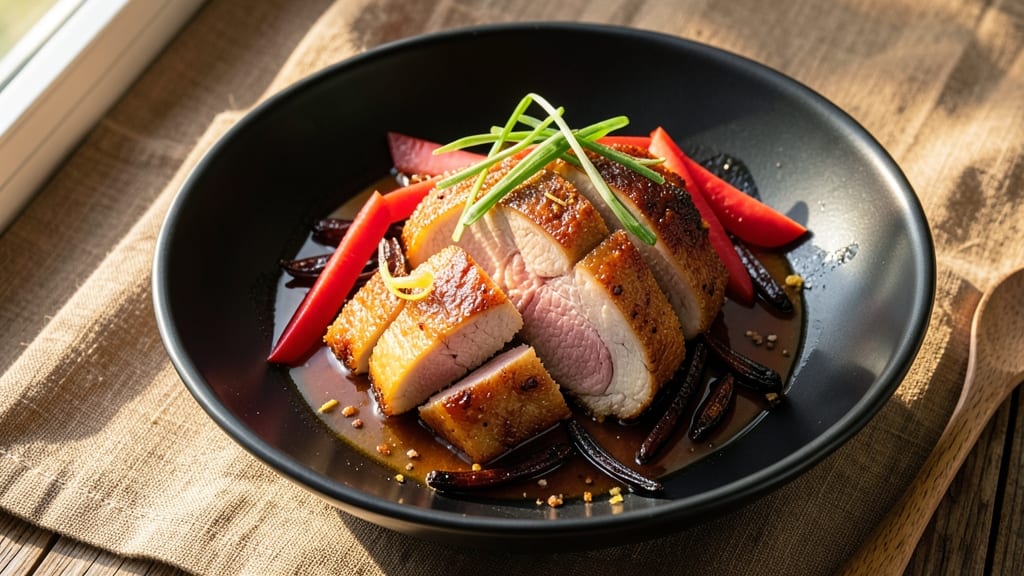
This Asian pork butt recipe delivers crispy edges and melt-in-your-mouth shreds with a fragrant five-spice glaze inspired by Chinese stir-fry traditions. The secret lies in slow-braising the pork butt until tender, then finishing it with a high-heat sear to create that coveted caramelized crust.
I developed this method after years of experimenting with restaurant-quality techniques at home—no fancy equipment required, just patience and the right balance of spices.
The five-spice blend—star anise, cinnamon, cloves, fennel, and pepper—infuses the pork with warm, aromatic depth while the glaze of soy, honey, and rice vinegar adds a perfect sweet-savory balance. This recipe transforms tough pork butt into tender, flavorful shreds that work equally well for weeknight dinners or special occasions.
The key is low-and-slow cooking followed by a quick crisp, ensuring every bite delivers both texture and flavor.
By the time you're done, you'll have perfectly shredded pork with a glossy, caramelized exterior that's impossible to resist. Serve it over steamed jasmine rice with quick-pickled vegetables or a simple cucumber salad to complete the meal.
The aroma alone will have everyone at the table asking for seconds—this is the kind of dish that turns ordinary weeknights into memorable feasts.
For modern twists, consider adding a splash of sesame oil or a sprinkle of toasted sesame seeds for extra depth. The method scales easily, so double the recipe for gatherings without extra effort. Let's get cooking—this pork butt will become your new go-to centerpiece.
Ingredients for asian pork butt
Six pounds of pork butt and fifteen aromatic ingredients transform into restaurant-quality shreds with crispy edges.
| Ingredient | Amount | Notes |
|---|---|---|
| Pork Butt 🐖 | 4 lb | Bone-in, cut into 2-inch chunks |
| Five-Spice Powder 🌶️ | 2 tbsp | Homemade blend preferred |
| Light Soy Sauce 🍶 | ½ cup | Kikkoman brand recommended |
| Honey 🍯 | ¼ cup | Wildflower preferred for depth |
| Rice Vinegar 🍶 | ¼ cup | Seasoned preferred for balance |
| Garlic Cloves 🧄 | 6 cloves | Minced for even distribution |
| Fresh Ginger 🌿 | 2 tbsp | Grated, aromatic variety |
| Sesame Oil 🫒 | 1 tbsp | Toasted for nutty aroma |
| Jasmine Rice 🍚 | 2 cups | Long-grain, uncooked |
| Vegetable Oil 🫒 | ½ cup | High smoke point preferred |
| Diamond Crystal Kosher Salt 🧂 | 1 ½ tsp | For seasoning and brining |
| Black Peppercorns 🌶️ | 1 tsp | Freshly cracked for intensity |
| Star Anise 🌿 | 1 whole | For five-spice blend |
| Cinnamon Sticks 🌿 | 1 whole | For five-spice blend |
| Fennel Seeds 🌿 | 1 tsp | Toasted for five-spice blend |
The pork butt is non-negotiable—bone-in delivers superior flavor and moisture. Costco or Whole Foods carry premium cuts with good marbling, which is essential for that melt-in-your-mouth texture. Look for pieces with visible fat cap; this ensures both juiciness and crispy edges. If your butcher offers pre-cut chunks, opt for 2-inch pieces—they'll cook evenly. For the five-spice blend, Penzeys or bulk bins at Asian markets provide the highest quality star anise, cinnamon, and fennel seeds. Toast these whole spices in a dry pan for 30 seconds before grinding to unlock their full aromatic potential.
No five-spice powder? Create your own blend with equal parts star anise, cinnamon, cloves, fennel seeds, and black peppercorns—it's worth the effort. For the glaze, substitute agave nectar for honey if avoiding refined sugar, though the flavor profile shifts slightly. The rice vinegar can be swapped for apple cider vinegar, but seasoned rice vinegar adds that perfect umami balance. Fresh ginger loses potency quickly, so freeze grated ginger in ice cube trays for convenience. For a deeper color, add 1 tsp of turmeric to the glaze—it's a common trick in Chinese cuisine that doesn't affect flavor.
Pork butt develops maximum flavor when cooked low-and-slow, so plan for 8-10 hours in the oven. The glaze thickens as it reduces, so reheat with 1 tbsp water if it becomes too stiff. Store cooked pork in an airtight container with the glaze for up to 5 days in the fridge or 3 months frozen. For gatherings, double the recipe—this method scales perfectly. The crispy edges soften when reheated, so reserve some glaze separately and brush it on fresh after reheating for that coveted texture.
Why You'll Love This Recipe
- One-Pan Magic: The pork butt cooks itself while you mix the sauce—just toss everything on a sheet pan, pop it in the oven, and walk away. Honestly, I’ve made this while scrolling through my phone; the five-spice powder does all the work.
- Sweet-Savory Balance: That honey and rice vinegar glaze? It’s the perfect push of tangy, sticky goodness that cuts through the richness of the pork. The light soy sauce keeps it from being too heavy, so every bite is bright and satisfying.
- Leftovers That Shine: This dish actually tastes better the next day—yes, really. Shred it for tacos, noodles, or even a quick fried rice. My freezer’s always stocked because it’s that good, and I never get tired of it.
- Budget-Friendly Feast: Pork butt is cheaper than you’d think, and this recipe stretches it across multiple meals without sacrificing flavor. Between us, I’ve fed six people for under $15 using this exact method—no fancy tricks, just smart cooking.
Step-by-step instructions for Asian pork butt with five-spice glaze
Master the balance of tender meat and caramelized edges with this precise method.
Prepare the Pork and Five-Spice Marinade
Cut the 4 lb pork butt into 2-inch chunks, removing any excess fat but leaving a thin layer for flavor and moisture. In a large bowl, combine the 2 tbsp five-spice powder, 1.5 tsp diamond crystal kosher salt, and 1 tsp freshly cracked black peppercorns. Toast the 1 whole star anise, 1 whole cinnamon stick, and 1 tsp fennel seeds in a dry skillet over medium heat for 1 minute until fragrant, then grind them into a fine powder using a mortar and pestle or spice grinder. Add this to the bowl and mix thoroughly.
In a separate bowl, whisk together the 0.5 cup light soy sauce, 0.25 cup honey, 0.25 cup rice vinegar, 6 minced garlic cloves, and 2 tbsp grated fresh ginger. Pour this marinade over the pork and five-spice mixture, ensuring every piece is fully coated. Cover and refrigerate for at least 4 hours or overnight—this step ensures deep flavor penetration and tender meat.
Sear the Pork for Crispy Edges
Remove the pork from the marinade (reserve the marinade for later) and pat it dry with paper towels—this is critical for achieving crispy edges. Heat 0.5 cup vegetable oil in a large Dutch oven or heavy pot over medium-high heat until shimmering. Working in batches to avoid overcrowding, sear the pork chunks until they develop a deep golden-brown crust on all sides, about 3-4 minutes per side. Transfer the seared pork to a plate and set aside.
Here’s the thing—don’t rush this step. You’ll know the pork is ready when it releases easily from the pan and the edges are deep golden brown, not just lightly browned. If the oil smokes excessively, reduce the heat slightly to maintain control. The crispy edges are what make this dish stand out, so take your time.
Braise the Pork Until Fork-Tender
Return the seared pork to the Dutch oven and pour in the reserved marinade. Bring the mixture to a simmer over medium heat, then reduce the heat to low, cover, and transfer to a preheated 300°F oven. Braise for 3 hours, stirring occasionally, until the pork is fork-tender and the sauce has thickened slightly. The internal temperature should reach 195-203°F—this is the sweet spot for pull-apart tenderness.
If the sauce reduces too quickly, add 2-3 tablespoons of water to maintain moisture. The pork should be so tender that it practically falls apart when prodded with a fork. This low-and-slow cooking method is key to achieving the perfect texture without drying out the meat.
Glaze and Finish with Sesame Oil
Once the pork is tender, increase the oven temperature to 400°F. Remove the lid and let the pork and sauce simmer uncovered for 10-15 minutes to thicken the glaze further. Stir in the 1 tbsp toasted sesame oil and 1 tbsp honey (if needed for extra gloss), then return the pork to the oven for 5-10 minutes to caramelize the edges and deepen the flavor.
You’ll see the sauce turn glossy and slightly sticky—this is your signal that the glaze is ready. The pork should now have deep caramelized edges and a rich, aromatic sauce clinging to every piece. If the sauce is still too thin, simmer it uncovered on the stovetop for another 2-3 minutes to reduce it to your desired consistency.
Rest and Serve with Jasmine Rice
Transfer the pork to a serving platter and let it rest for 10 minutes before serving. This resting period allows the juices to redistribute, ensuring each bite is moist and flavorful. While the pork rests, cook the 2 cups jasmine rice according to package instructions—fluffy and separate grains are ideal for soaking up the five-spice glaze.
Serve the pork over the jasmine rice, spooning the glaze generously over the top. The combination of crispy edges, tender meat, and aromatic sauce will make this dish a standout. For extra depth, garnish with a drizzle of sesame oil and a sprinkle of toasted sesame seeds just before serving.
Pro Tips For Making Asian Pork Butt
- Sear the Pork Butt First: The five-spice powder and soy sauce won’t stick worth a damn if the meat isn’t browned first. Hit the pork butt with high heat for 5-7 minutes per side until it’s deep golden—no rush, this is where the flavor builds. I used to skip this, and the sauce just slid off like it was on a nonstick pan.
- Use Dark Soy Sauce for Depth: Light soy sauce is salty but pale; dark soy sauce adds that rich, caramelized color and a molasses-like depth that cuts through the sweetness of the honey. Swap 1-2 tablespoons of light soy for dark—just enough to give the glaze that professional restaurant look. (Yes, even if your pantry only has light.)
- Baste with the Vinegar Early: Don’t wait until the end to toss in the rice vinegar—it’s not just for acidity, it’s for moisture. After the first hour of cooking, start basting the pork with a mix of vinegar, honey, and a splash of water every 20 minutes. The vinegar keeps the meat tender and the honey from burning too fast. (Trust me, your pork butt will be happier.)
- Check Internal Temp at 190°F: Pork butt is forgiving, but don’t pull it at 203°F like you would a brisket. Aim for 190°F—it’ll still shred like butter, but you’ll avoid drying it out. Use a meat thermometer, probe the thickest part, and resist the urge to overcook. (I learned this after serving a guest a fork-tender, slightly tough slice—oops.)
Common mistakes when making your asian pork butt
Overcrowding the Pan
I’ve made this mistake more than once—trying to sear all the pork chunks at once. When you overcrowd the pan, the oil temperature drops, and you end up with steamed pork instead of crispy edges.
Work in batches of 2-3 chunks to maintain that shimmering oil. Trust me, the extra 5-10 minutes spent searing properly makes all the difference in texture. 🔥
Skipping the Resting Time
After all that slow cooking, it’s tempting to dive right in and serve the pork butt immediately. But skipping the 10-minute rest means juices will spill out onto your plate instead of staying inside the meat.
Let it rest—this is when the magic happens as everything settles and flavors meld. I promise, your guests (and your taste buds) will thank you.
Using Low-Quality Five-Spice
Not all five-spice powders are created equal. Store-bought blends can be hit-or-miss, often lacking the depth of a homemade mix. Toast your whole spices first—star anise, cinnamon, cloves, fennel, and peppercorns—then grind them fresh.
This unlocks their full aromatic potential. If you’re short on time, Penzeys or bulk bins at Asian markets have reliable blends, but nothing beats the freshness of your own.
Ignoring the Internal Temp
Pulling pork too early is a common rookie move. Use a meat thermometer to check for 195-203°F internal temperature—this is the sweet spot for fork-tender meat. Without this, you risk dry, chewy pork.
I’ve seen people pull it at 165°F thinking it’s done, only to end up with tough meat. Patience is key here—let it cook until it’s truly tender.
Not Drying the Pork Before Searing
Wet pork won’t crisp up. Always pat your pork chunks dry with paper towels before searing. The moisture creates steam instead of that golden-brown crust we’re after. This is a non-negotiable step—take the extra 2 minutes to dry the meat thoroughly. The difference in texture is night and day. ✨
Rushing the Glaze Reduction
If your glaze isn’t thick enough, don’t just toss it in the trash. Simmer it uncovered on the stovetop for another 2-3 minutes to reduce it properly. A good glaze should coat the back of a spoon.
I’ve seen people skip this step and end up with a watery sauce that doesn’t cling to the pork. Take your time—this is where the dish’s restaurant-quality shine comes from.
Nutrition facts
Frequently asked questions
Can I use bone-in or boneless pork butt?
This recipe is designed for bone-in pork butt—the bone adds incredible flavor and moisture during the long braise. However, if you only have boneless, it will still work beautifully! Just reduce the cooking time by about 30-45 minutes since boneless meat cooks faster. The texture will be slightly less tender, but the flavor will remain rich and aromatic.
How do I make this recipe without a Dutch oven?
No Dutch oven? No problem! Use a heavy-bottomed pot with a tight-fitting lid or even a large oven-safe skillet. For best results, choose a pot with 2-3 inches of depth to accommodate the pork and sauce. If your pot isn't oven-safe, transfer the pork to a baking dish after searing and braise it in the oven instead. The key is maintaining that moist, low-and-slow environment.
What's the best way to reheat leftovers?
Reheat leftovers in a skillet over medium-low heat with a splash of water or broth to keep them moist. For extra crispy edges, finish under a broiler for 2-3 minutes while watching closely. Alternatively, bake at 325°F for 15-20 minutes until warmed through. Avoid microwaving—it turns the pork rubbery. Store in an airtight container with the glaze to maintain flavor.
Can I substitute five-spice powder with something else?
For a similar flavor profile, mix 1 tsp cinnamon, ½ tsp cloves, ½ tsp fennel seeds, ½ tsp black pepper, and ¼ tsp star anise. If you want a simpler approach, use 1 tbsp Chinese five-spice plus ½ tsp ginger and ½ tsp garlic powder. The key is balancing warmth and earthiness—don't skip the toasting step for whole spices if making your own blend.
How do I adjust this for a slow cooker?
Transfer the seared pork and marinade to a slow cooker and cook on low for 8 hours or high for 5-6 hours. For crispy edges, finish by broiling for 3-5 minutes at the end. The sauce may need thickening with a cornstarch slurry if it becomes too thin. Slow cookers struggle with caramelization, so this method prioritizes tenderness over crispy texture.