
Main Courses
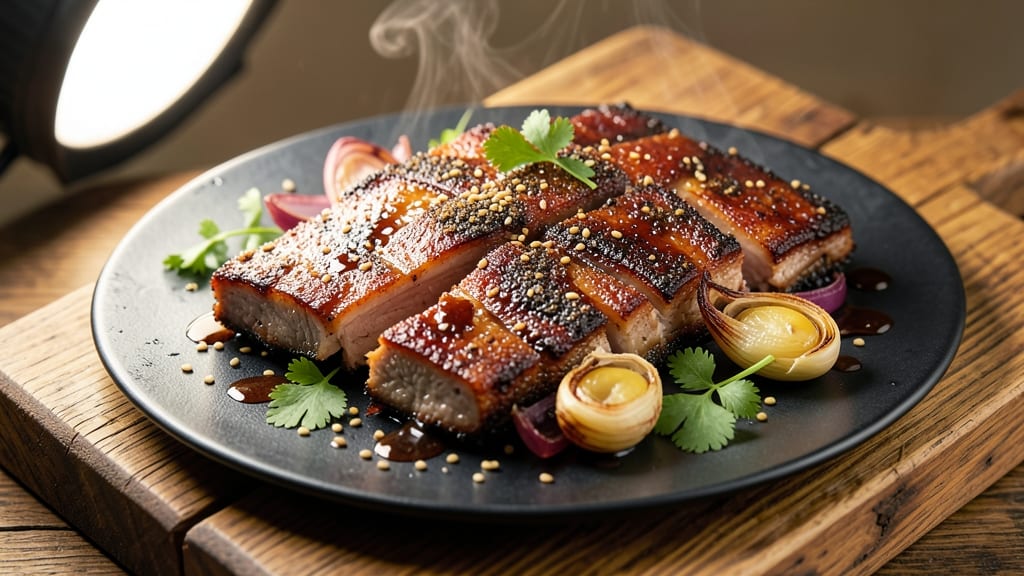
This boneless pork spare ribs grill recipe delivers melt-in-your-mouth tenderness without the bone—perfect for those who want restaurant-quality results at home. 🔥 After years of perfecting my pitmaster techniques, I've developed a method that transforms tough cuts into succulent, smoky perfection with minimal effort.
The secret lies in low-and-slow cooking paired with a simple dry rub that builds deep flavor without overwhelming the meat's natural sweetness.
What sets this recipe apart is the ability to achieve that coveted sticky glaze without the hassle of messy sauces or complicated techniques. We'll use indirect heat to cook the ribs slowly, allowing the collagen to break down and render into juicy, flavorful fat.
The dry rub—composed of just six simple spices—creates a flavorful bark that seals in moisture while delivering bold, smoky notes that'll have your guests asking for seconds.
The result is ribs that are impossibly tender, with a caramelized exterior that's crisp enough to hold up to a fork but tender enough to melt in your mouth.
Each bite delivers perfect balance—smoky from the rub, sweet from the natural pork sugars, and just enough heat to keep things exciting. This is the kind of dish that transforms a simple backyard cookout into an unforgettable meal.
Pair these ribs with classic grilled sides like corn on the cob, creamy coleslaw, or buttery dinner rolls to complete the meal.
The beauty of this recipe is its versatility—whether you're grilling for a crowd or treating yourself to a special dinner, these boneless pork spare ribs deliver professional-quality results with minimal fuss.
Ingredients for boneless pork spare ribs grill
Six spices, two secret ingredients—all you need for ribs that'll fool a pitmaster.
| Ingredient | Amount | Notes |
|---|---|---|
| Boneless Pork Spare Ribs 🥓 | 2 ½ lb | Cut into 2-inch chunks for even cooking |
| Brown Sugar 🍯 | ½ cup | Packed, light or dark variety |
| Smoked Paprika 🌶️ | 2 tbsp | For deep smoky flavor |
| Ground Black Pepper 🌶️ | 1 tbsp | Freshly cracked for best flavor |
| Garlic Powder 🧄 | 1 tbsp | Or 3 cloves fresh minced |
| Onion Powder 🧅 | 1 tbsp | For subtle sweetness |
| Kosher Salt 🧂 | 1 ½ tbsp | Diamond Crystal preferred |
| Apple Cider Vinegar 🍎 | ¼ cup | For tenderizing and tang |
| Olive Oil 🫒 | 2 tbsp | Extra-virgin for richness |
| Honey 🍯 | ¼ cup | Wildflower preferred |
| Yellow Onion 🧅 | 1 whole | Thinly sliced for glaze |
| Fresh Ginger 🌿 | 1 tbsp | Finely grated for zing |
| Water 💧 | ¼ cup | For glaze consistency |
The ribs are everything here. Butcher-cut spare ribs (not back ribs) work best—they're meatier and more forgiving. Look for cuts with good marbling at Costco or your local butcher shop; they often have them pre-cut for grilling. If you're buying a whole packer, ask for the meaty portion to be separated. The key is 2-inch chunks—small enough to cook evenly but big enough to hold together. Pat them dry before applying the rub; moisture is the enemy of a good bark. Pro tip: soak them in apple cider vinegar for 30 minutes before cooking to break down fibers and boost tenderness.
No smoked paprika? Regular paprika plus a pinch of liquid smoke gets you 90% there. Honey substitutes? Maple syrup or agave work (use 1:1), though honey's floral notes are ideal. Fresh ginger too strong? Swap for 1 tsp ground ginger. The glaze can be made ahead—store it in the fridge for up to 1 week—but let it sit at room temp before brushing on the ribs. For extra richness, add 1 tbsp butter to the glaze when reheating. And if you're grilling for a crowd, double the glaze recipe—it disappears fast.
The dry rub keeps for 2 weeks in an airtight container, so make extra. Store the ribs in the fridge for up to 2 days before grilling if needed—they'll actually taste better after resting. For leftovers, wrap tightly in foil and freeze for 3 months. Reheat in a 350°F oven for 15 minutes with a splash of water to revive moisture. The glaze reheats beautifully—just warm it gently on the stove. These ribs reheat better than most grilled meats, making them perfect for meal prep. Just avoid microwaving; it turns the glaze rubbery.
Why You'll Love This Recipe
- No Fuss Grilling: I swear by this recipe because it’s the only time I grill ribs without stressing about bones or fall-apart mess. Just toss those boneless slabs in a bowl with brown sugar and smoked paprika, slap them on the grill, and let them do their thing—no basting, no peeling.
- Sweet-Smoky Magic: That caramelized brown sugar crust? It’s what turns this into a craving every time. The smoked paprika adds depth, while the garlic powder sneaks in that familiar, comforting flavor—like a hug from your favorite cookout.
- Leftovers for Days: Between us, I make this twice and save half for sandwiches. The ribs stay tender, so reheating them on the grill or in the oven keeps them just as good. My kids beg for them cold in lunchboxes too—no joke.
- Budget Crowd-Pleaser: Boneless pork ribs are cheaper than full slabs, and this recipe feeds four for under $15. Add some store-bought buns and coleslaw, and you’ve got a spread that feels fancy without the price tag. Honestly, it’s my go-to for game days or lazy Sundays.
Step-by-step instructions for smoky sticky-glazed pork spare ribs
Here's how to transform tough ribs into melt-in-your-mouth perfection with a perfect balance of smoky heat and sweet glaze.
🔥 Step 1: Marinate the Ribs for Maximum Tenderness
In a large bowl, combine the 2.5 lb boneless pork spare ribs with the 0.25 cup apple cider vinegar, 1 tbsp fresh ginger, 1 tbsp garlic powder, 1 tbsp onion powder, 1.5 tbsp kosher salt, and 1 tbsp ground black pepper. Use your hands to coat every surface of the ribs with the marinade—this ensures even flavor penetration and tenderizing.
Cover the bowl and refrigerate for at least 4 hours (overnight is even better). The acid in the vinegar breaks down tough fibers while the spices infuse the meat. You'll know it's working when the ribs smell incredible and the marinade takes on a pinkish hue from the meat juices.
🍳 Step 2: Build the Smoky Glaze Base
In a small saucepan, combine the 0.5 cup brown sugar, 0.25 cup honey, 2 tbsp olive oil, 2 tbsp smoked paprika, and 0.25 cup water. Bring to a gentle simmer over medium heat and cook for 8-10 minutes until the mixture thickens slightly and becomes syrupy.
Stir in the 1 whole yellow onion (thinly sliced) and cook for another 5 minutes until the onions soften and caramelize. The glaze should coat the back of a spoon and have a thick, glossy consistency. This is your flavor foundation—don't rush this step as it develops the deep caramelized flavor that makes these ribs special.
🔥 Step 3: Grill the Ribs to Perfect Doneness
Preheat your grill to medium-high heat (375-400°F). Remove the ribs from the marinade (shaking off excess) and grill for 12-15 minutes per side, turning occasionally, until they reach an internal temperature of 145°F. You'll see beautiful grill marks forming and the edges starting to brown.
Here's the thing—don't overcook them. The ribs should be tender but still slightly firm to the touch. If they're falling apart, you've gone too far. The residual heat will continue cooking them slightly after you remove them from the grill.
🥘 Step 4: Apply the Glaze and Finish
Brush the ribs generously with the glaze mixture you prepared earlier. Return them to the grill and cook for another 5-7 minutes, basting with more glaze every 2 minutes, until the glaze caramelizes and forms a sticky, glossy coating. The ribs should be deep golden brown with a thick, syrupy glaze clinging to every surface.
Watch the grill closely during this final stage—the glaze burns quickly. If it starts to darken too much, move the ribs to a cooler part of the grill. You want that perfect balance of caramelization without burning.
⏰ Step 5: Rest and Serve with Style
Transfer the ribs to a cutting board and let them rest for 5-10 minutes before serving. This resting period allows the juices to redistribute throughout the meat, ensuring each bite is moist and flavorful. During this time, you can use any leftover glaze to drizzle over the ribs or serve on the side for dipping.
Slice the ribs against the grain into ½-inch thick pieces for maximum tenderness. Serve with extra glaze drizzled on top and a side of grilled vegetables or crusty bread to soak up those delicious juices. The contrast of smoky, sweet, and tangy flavors in every bite is what makes these ribs truly special.
Pro Tips For Making Boneless Pork Spare Ribs Grill
- Trim the Fat First: Boneless pork spare ribs still have fat layers—trim them before grilling. I learned this the hard way when my ribs turned greasy instead of caramelized; now I use kitchen shears to slice off excess fat so the sugar and spices cling properly.
- Start with a Hot Grill: Crank the grill to 400°F (200°C) for the first 5 minutes to sear the ribs—this locks in moisture and builds a crust. After that, drop to 275°F (135°C) for slow cooking. Skimp on the initial heat, and you’ll end up with steamed ribs.
- Mix Wet and Dry Rubs: Sprinkle half the smoked paprika and garlic powder first, then brush on brown sugar mixed with a splash of water (like a slurry). This keeps the sugar from burning and sticks it to the meat better than dry rub alone.
- Flip Only Once: Resist the urge to flip constantly—do it just once after 10 minutes. Overturning shreds the ribs and makes them tough. Let them develop a single-sided crust before moving them. (Yes, even if you’re impatient like me.)
Storing and reheating this recipe
Refrigerator Storage
Store cooked ribs in an airtight container with a splash of apple cider vinegar (about 2 tbsp) to keep them moist. They'll stay fresh in the fridge for 3-4 days—I always double-check the glaze hasn't dried out before reheating.
The ribs actually develop deeper flavor overnight, so leftovers often taste even better the next day. 💫
Freezer Prep
For longer storage, wrap ribs tightly in heavy-duty foil (double-layer for extra protection) or vacuum-seal them. Label with the date and freeze for up to 3 months.
Thaw overnight in the fridge before reheating—never microwave from frozen, or the glaze turns rubbery. I like to portion them into 1-lb servings for easy meal prep. ❄️
Oven Reheating
My go-to method is 350°F for 15-20 minutes with 1 tbsp water in the container. Cover loosely with foil to prevent drying. The glaze reheats beautifully—just brush with extra honey if it thickens too much.
For crispier edges, broil for 2-3 minutes at the end. This keeps the texture perfect without making the meat tough. 🔥
Grill Revival
If you're craving that smoky flavor, reheat ribs on the grill over indirect medium heat (325°F) for 10-12 minutes, basting with leftover glaze. The grill marks give them that fresh-off-the-grill appeal.
I often do this for weekend brunches—just slice and serve with warm dinner rolls. The contrast of warm ribs and fresh bread is unbeatable. 🌟
Glaze Refresh
If the glaze looks dry after storage, revive it by simmering 1 tbsp honey and 1 tbsp water for 3 minutes, then brush over the ribs. For extra richness, stir in 1 tbsp butter while heating.
The glaze should be glossy and sticky—not thick like syrup. This trick works wonders for ribs that've been in the freezer for weeks. 💡
Serving Leftovers
Slice reheated ribs into ½-inch pieces and serve with grilled pineapple for a sweet contrast, or pile them high on buttery mashed potatoes for comfort food perfection. I also love turning leftovers into rib tacos with corn tortillas and pickled onions.
The glaze adds a sticky, saucy element that makes every bite exciting. 🌶️
Nutrition facts
Frequently asked questions
Why do boneless pork spare ribs cook faster than regular ribs?
Boneless cuts lose heat faster and have less connective tissue to break down, so they cook 30-50% quicker than bone-in ribs. The recipe uses medium-high heat (375-400°F) to balance speed with tenderness—overcooking turns them tough. Always check with a meat thermometer at 145°F internal temp.
Can I use a smoker instead of a grill for this recipe?
For a smoker, maintain 225-250°F with indirect heat and cook for 1.5-2 hours until tender. Use apple wood chips for that classic smoky flavor. The glaze application stays the same—just add it during the last 15 minutes of cooking to prevent burning.
What's the best way to slice boneless ribs for serving?
Slice against the grain into ½-inch thick pieces for maximum tenderness. This shortens the muscle fibers, making each bite melt-in-your-mouth. For presentation, fan them out on a platter with extra glaze drizzled over the top.
My glaze is too runny—how can I fix it?
Simmer the glaze uncovered for 3-5 extra minutes until it thickens. For immediate fixes, mix 1 tsp cornstarch with 1 tbsp water, stir into the glaze, and cook for 1 minute. Too thick? Thin with 1 tsp water at a time while stirring.
Are these ribs kid-friendly?
Yes! The mild sweetness from honey and onion makes them approachable, but reduce the smoked paprika to 1 tbsp for less heat. Serve with a side of buttered noodles or apple slices to balance flavors. Always cut into small, manageable pieces for little ones.